
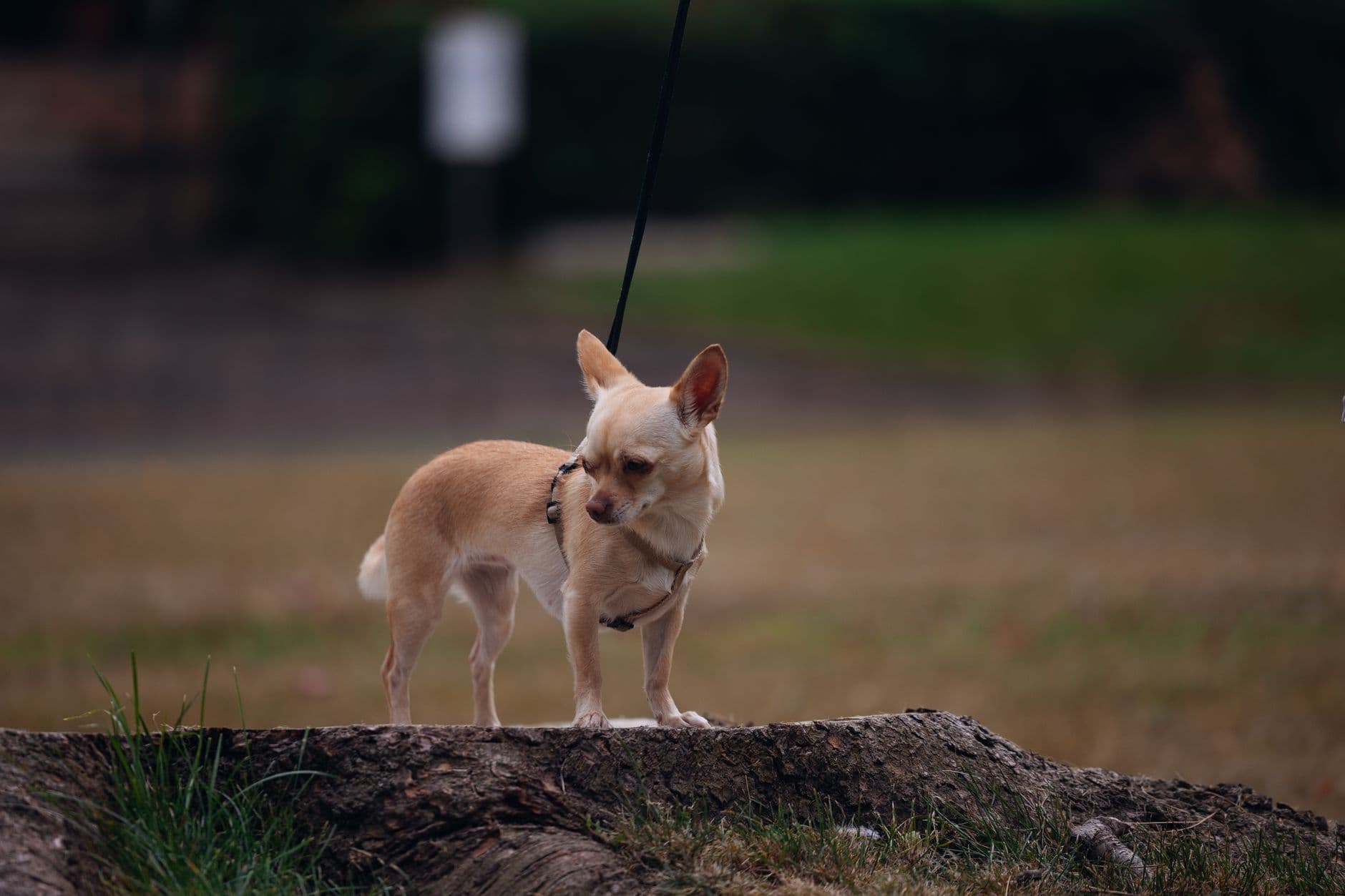
Chihuahua Care Guide
Chihuahua Overview The Chihuahua is the smallest recognized dog breed in the world, weighing between 2 and 6 pounds and standing 5 to 8 inches tall. What they lack in size, they make up for in persona
In This Guide
Overview
Chihuahua Overview
The Chihuahua is the smallest recognized dog breed in the world, weighing between 2 and 6 pounds and standing 5 to 8 inches tall. What they lack in size, they make up for in personality — and then some. The Chihuahua possesses a boldness, a stubbornness, and a ferocity of spirit that routinely startles owners accustomed to larger dogs. This is a breed that has absolutely no awareness of its own physical smallness, and this disconnect between perceived and actual size is both the source of their extraordinary charm and some of their greatest behavioral challenges.
Chihuahuas have ancient roots, believed to descend from the Techichi — a small, mute companion dog kept by the Toltec civilization in Mexico. The modern Chihuahua takes its name from the Mexican state of Chihuahua, where the breed was rediscovered in the mid-19th century. They come in two coat varieties — smooth-coated (short hair) and long-coated — and a nearly unlimited range of colors and patterns. Head shape also varies significantly: the apple-head Chihuahua, with its dramatically domed skull, is the AKC standard type; the deer-head Chihuahua has a flatter skull, longer muzzle, and narrower face.
Temperamentally, Chihuahuas are intensely loyal — typically to one person above all others. This deep attachment can become possessiveness, and many Chihuahuas display resource guarding, jealousy, and protective aggression when they perceive their person is being threatened or approached. This is the origin of the "big dog syndrome" reputation: a Chihuahua will square off with a German Shepherd without hesitation, not because they are brave in a calculated way, but because they genuinely lack the instinct of self-preservation that prevents larger dogs from picking unwinnable fights. This can be dangerous when not managed.
Proper socialization from the earliest age is critical. Chihuahuas exposed to a wide variety of people, animals, sounds, and environments during the socialization window (3-14 weeks) grow into confident, adaptable dogs. Chihuahuas that are over-protected and under-socialized — treated as accessories rather than dogs — develop fear-based aggression that can make them genuinely difficult to manage and potentially dangerous to strangers, children, and other animals.
Despite these behavioral tendencies, well-socialized Chihuahuas are charming, playful, and deeply affectionate companions. They are smart, fast learners who excel at tricks when motivated (typically by food). They are clean, quiet relative to many small breeds, and intensely entertaining. They also hold one of the most impressive distinctions in the dog world: a lifespan of 14-17 years, making them one of the longest-lived of any breed. A Chihuahua acquired as a puppy is likely a 15-year commitment.
From a practical standpoint, Chihuahuas are well-suited to apartment living, do not require extensive outdoor exercise, and are economical to feed. However, they are cold-sensitive and require clothing in cool weather — not a fashion statement, but a genuine physiological need. Their large, prominent eyes are vulnerable to injury and require vigilance. And perhaps most critically, their tiny mouths are crowded with the same number of teeth as a German Shepherd, which is one reason the breed carries roughly double the odds of periodontal disease that crossbreds do. In that same VetCompass data the median age at diagnosis was about seven and a half years, so this is a middle-age problem you prevent from puppyhood, not one that arrives at three.
For the right owner — someone who wants an intensely bonded, long-lived, personality-packed companion and who commits to proper socialization and dental care — the Chihuahua is a remarkable dog. For owners expecting a passive accessory that tolerates being ignored, the Chihuahua will be a rude awakening. Explore the breed in detail at /dogs/chihuahua.
Daily Care
Daily Care for Chihuahuas
Chihuahuas require thoughtful daily care that accounts for their fragility, cold sensitivity, dental needs, and social requirements. Their small size makes them easy to underestimate — but cutting corners on their care leads to preventable health and behavioral problems.
Morning Routine
Chihuahuas are temperature-sensitive and may be reluctant to venture outside on cold mornings. If it is below 50-55°F, have a well-fitted sweater or coat ready before the morning walk. Smooth-coated Chihuahuas in particular have minimal insulation and chill rapidly.
A morning walk of 10-15 minutes suits most adult Chihuahuas, with a second session later to reach the daily total. Watch the ground carefully — uneven terrain, puddles, and debris that a larger dog ignores can be hazardous at Chihuahua scale.
Feeding
Feed small, frequent meals — twice daily for adults, and four small meals a day for puppies up to about sixteen weeks. Chihuahua puppies under 6 months are at risk for hypoglycemia (low blood sugar) and must never go more than 4 hours without food during waking hours. Keep honey or a high-calorie glucose paste on hand for emergency support on the way to a vet, not instead of one.
Dental Care (Daily)
This is non-negotiable. Chihuahuas carry roughly twice the odds of periodontal disease that crossbred dogs do — 2.09 times, adjusted for age, weight and neuter status, in a VetCompass study of 22,333 UK dogs. Brush teeth daily with a dog-safe enzymatic toothpaste and a finger brush or tiny toothbrush sized for small breeds. Dental treats and water additives supplement but cannot replace brushing.
Socialization and Social Interaction
Chihuahuas need daily social interaction with their primary person. Extended isolation leads to anxiety and problematic behaviors. If you work long hours, a second dog companion (ideally another Chihuahua or similarly-sized dog) can help. Avoid pairing with large breeds unsupervised — size-related injury risk is real.
What to Check Daily
- Eyes: clear and free of discharge; any clouding, redness, or squinting warrants vet attention
- Signs of shivering or cold stress (particularly in cooler months)
- Paws for debris stuck between tiny pads
- Appetite (appetite changes are an early illness signal in this breed)
- Gum color: pale gums in a puppy can indicate hypoglycemia — sugar on the gums and straight to a vet
Nutrition
Chihuahua Nutrition Guide
Chihuahuas have unique nutritional requirements shaped by their tiny size, fast metabolism, and significant risk of hypoglycemia — particularly in puppies under six months.
Caloric Needs
Most adult Chihuahuas (4-6 lbs) require approximately 150-300 calories per day. This is a remarkably small amount — a single dental chew can account for a meaningful share of a Chihuahua's daily calories. Measure every meal. Even small amounts of extra food lead to visible weight gain in a 5-pound dog.
Feeding Schedule
- Puppies (8-16 weeks): 4 small meals per day — critical for hypoglycemia prevention
- Puppies (4-6 months): 3 meals per day
- Adults (1 year+): 2 meals per day, ideally 8-10 hours apart
Never allow a Chihuahua puppy to skip meals. Puppies are particularly vulnerable to hypoglycemic crashes, which can cause seizures and rapid deterioration.
Food Selection
Choose a small-breed specific formula with appropriately sized kibble that a Chihuahua can physically chew without difficulty. The first ingredient should be a named protein. Small-breed formulas have higher caloric density and account for the Chihuahua's elevated metabolism.
Wet food can be used to supplement or replace dry food, and some Chihuahuas with dental disease may transition to wet food as teeth become painful. Keep up dental care whatever the food. The claim that wet food accelerates tartar is repeated widely but is not something the veterinary dental guidance establishes; brushing is what the evidence actually supports.
Hypoglycemia Prevention
Keep a glucose source — a high-calorie paste, corn syrup, or plain honey — on hand at all times. Signs of low blood sugar include lethargy, weakness, wobbly gait, glassy eyes, and in severe cases, seizures or loss of consciousness. Rub a small amount of honey on the gums and contact your vet immediately.
Foods to Avoid
Chocolate, grapes, raisins, onions, garlic, xylitol (found in sugar-free peanut butter and many gums), macadamia nuts, alcohol. Avoid hard treats that could crack the Chihuahua's relatively fragile teeth.
Age-Specific Notes
- Senior Chihuahuas (10+ years): reduce caloric intake slightly and shift toward formulas with joint support. Despite their longevity, seniors benefit from senior-formula foods with appropriate nutrient profiles.
Exercise
Chihuahua Exercise Needs
Chihuahuas are more energetic than their small size implies, but their exercise requirements are genuinely modest by dog standards — which makes them well-suited to apartment living and smaller homes.
Daily Exercise Requirements
Most adult Chihuahuas do well with 20-30 minutes of walking per day, split into two sessions. They can sustain more vigorous exercise in short bursts but tire more quickly than larger breeds. For Chihuahuas in good health, off-leash play in a securely fenced area (a small yard or a carefully enclosed room) provides excellent enrichment beyond the leash walk.
Special Considerations for Exercise
Chihuahuas are cold-sensitive. Below 50-55°F, even a short walk requires a sweater or coat. Below 40°F, outdoor time should be minimized and replaced with indoor activity. Wet conditions compound cold sensitivity significantly.
Chihuahuas are also vulnerable to heat, though less dramatically than brachycephalic breeds. On hot days, limit outdoor time to early morning or evening and ensure constant access to water.
Keeping Exercise Safe
The most important safety consideration for Chihuahua exercise is the environment. Sidewalks with other dogs, busy dog parks, and rough terrain all present risks. Large dogs can seriously injure or kill a Chihuahua in a moment of rough play. Off-leash dog parks should be used only in "small dog" sections with similar-sized dogs. Always maintain leash control near traffic — the "big dog syndrome" impulse means a Chihuahua will charge a moving vehicle with no hesitation.
Mental Stimulation
Chihuahuas are intelligent and benefit enormously from mental exercise. Trick training (Chihuahuas pick up commands remarkably fast when food-motivated), puzzle feeders, hide-and-seek games with treats, and nose work are all excellent options. A mentally stimulated Chihuahua is a calmer, less reactive Chihuahua.
Short (5-10 minute) daily training sessions check multiple boxes simultaneously: mental stimulation, bonding, impulse control training, and behavioral refinement.
Explore other small breeds with our dog breed quiz or browse care guides for other companion dogs.
Grooming
Chihuahua Grooming Guide
Grooming needs vary between the two coat varieties, but both are considerably lower maintenance than long-coated or double-coated breeds.
Smooth-Coated Chihuahua
The smooth coat requires minimal grooming. A weekly brush with a soft-bristle brush or rubber grooming mitt removes loose hair and distributes skin oils. Bathing every 4-6 weeks with a gentle dog shampoo is sufficient. Despite the low grooming demand, smooth coats do shed — weekly brushing keeps loose hair manageable.
Long-Coated Chihuahua
The long-coated variety requires more attention. Brush 2-3 times per week with a pin brush or slicker brush, paying attention to areas prone to tangling: behind the ears, around the neck, in the feathering on the legs, and the tail. A metal comb works through any tangles. Bathing every 3-4 weeks with shampoo and conditioner helps maintain coat quality. Trim the hair between the paw pads with blunt-tip scissors to prevent slipping and debris accumulation.
Dental Care (The Most Critical Grooming Task)
Dental disease is the breed's most common health problem. The small jaw carries a full complement of adult teeth — the same number as in much larger dogs — and crowding is the usual explanation, though the studies establish the elevated risk rather than the mechanism. Professional dental cleanings every 6-12 months are often necessary. Daily brushing at home is the single most impactful thing an owner can do for Chihuahua health.
Eye Care (Weekly)
Chihuahuas' large, prominent eyes are exposed and can accumulate discharge, particularly in the inner corners. Wipe gently with a damp cloth daily or as needed. Any redness, cloudiness, squinting, or excessive discharge warrants a vet visit — the prominent eye position makes them vulnerable to corneal scratches and ulcers.
Nail Trimming (Every 3-4 Weeks)
Chihuahua nails are small and grow quickly. Overgrown nails curve and can make walking painful. Use small, precision nail trimmers designed for tiny dogs. Trim conservatively in small increments — there is very little margin on a nail this size.
Ear Cleaning (Every 2 Weeks)
Check ears for odor, redness, or dark discharge. Clean the visible ear flap with a cotton ball and veterinarian-approved ear cleaner. Chihuahuas with heavier ear furnishings (especially in long-coated lines) may need more frequent attention.
Health
Chihuahua Health Guide
Chihuahuas are among the longest-lived dog breeds, with an average lifespan of 14-17 years. This longevity is genuinely remarkable — but it comes with specific, well-documented health vulnerabilities that owners must understand.
Hypoglycemia (Low Blood Sugar)
This is the most urgent health risk for Chihuahua puppies, particularly under six months. The tiny body has limited glycogen reserves, and stress, excitement, missed meals, or illness can trigger a crash. Signs include lethargy, weakness, shivering, glassy eyes, and in severe cases, seizures. First aid, not treatment: rub a small amount of syrup or honey on the gums and get the puppy to an animal hospital, where sugar can be given directly into the bloodstream. The rub buys time on the way; it is not the fix. Prevent with regular, small, frequent meals.
Patellar Luxation
The kneecap slipping out of its groove is extremely common in Chihuahuas. Owners may notice an occasional skip or hop — the dog lifting a hind leg for a few steps before it resolves. Grades 1-2 are managed with weight control and monitoring. Grades 3-4 typically require surgery to prevent permanent joint damage.
Hydrocephalus
Hydrocephalus — a buildup of cerebrospinal fluid in the brain — occurs in the breed, but the domed skull itself is not the cause. The Chihuahua Club of America states that a domed head with a molera present does not predispose the Chihuahua to the condition. Signs include a large, dome-shaped head at birth (distinct even from normal apple-head conformation), seizures, difficulty walking, vision problems, and abnormal behavior. Severe cases are not treatable, but mild cases can be managed with medication. Ask breeders specifically about hydrocephalus in their lines.
Dental Disease
As mentioned throughout this guide, dental disease is the most prevalent health problem in adult Chihuahuas. Untreated dental disease causes pain, tooth loss, and — crucially — systemic infection that can affect the heart, kidneys, and liver. A Chihuahua's life expectancy can be shortened meaningfully by chronic dental disease. Professional cleanings every six to twelve months and daily home brushing are essential.
Tracheal Collapse
The trachea (windpipe) can weaken and collapse in Chihuahuas, particularly in middle-aged to older dogs. Signs include a honking cough, exercise intolerance, and breathing difficulty. Use a harness instead of a collar to avoid tracheal pressure. Management includes weight control, environmental modification, and medication; severe cases may require surgery.
Heart Disease
Mitral valve disease becomes more common in Chihuahuas as they age. Annual cardiac auscultation by a vet can detect early murmurs before clinical signs develop.
Veterinary Schedule
- Puppies: core vaccines every 3-4 weeks until 16 weeks
- Adults: annual wellness exam with dental assessment
- Adults 7+: biannual exams with cardiac evaluation
- Dental cleanings: every 6-12 months (more frequently than most breeds)
- Patellar luxation grading: if skip/hop gait is observed
Costs
Chihuahua Cost Guide
Chihuahuas are among the most affordable dogs to feed, but their dental care requirements, potential surgical needs (patellar luxation, hydrocephalus), and long lifespan mean lifetime costs can be significant.
Acquisition Cost
- Reputable breeder: $800-$2,500 (show/AKC lines on the higher end)
- Rescue adoption: $100-$400 — Chihuahuas are among the most surrendered breeds and rescues are widely available
One-Time Setup Costs
- Spay/neuter: $150-$400
- Initial vet exam and vaccines: $200-$350
- Crate, bed, harness, clothing (sweater/coat essential): $150-$350
- Small-dog toys, puzzle feeders, bowls: $50-$100
- Total setup: $550 - $1,200
Monthly Operating Costs
- Premium small-breed food: $25-$45/month
- Dental chews and supplements: $15-$30/month
- Flea/tick/heartworm prevention (small-dog dosing): $15-$25/month
- Treats and enrichment: $10-$20/month
- Monthly total: $65 - $120
Annual Veterinary Costs
- Annual wellness exam: $150-$300
- Professional dental cleaning: $300-$700 (often required annually)
- Core vaccines: $100-$200 (alternating years)
- Annual vet total: $550 - $1,200
Potential Major Medical Expenses
- Patellar luxation surgery (grade 3-4): $1,000-$3,000 per knee
- Hydrocephalus management (medication): $50-$150/month
- Tracheal collapse management/surgery: $500-$4,000
- Cardiac medication in senior years: $50-$150/month
Lifetime Cost Perspective
At a 15-year average lifespan, a healthy Chihuahua with routine dental care and no major surgeries represents approximately $1,500-$2,500 per year, or $22,500-$37,500 over a lifetime. This is comparable to or lower than larger breeds — but the dental line item is non-negotiable.
Total Annual Budget Range
- Healthy adult Chihuahua: $1,500-$2,500
- Year with dental surgery or orthopedic intervention: $2,500-$5,000+
For comparison with other small breeds, visit /care-guides.
Frequently Asked Questions
My Chihuahua puppy has a soft spot on top of her head. Will it close, and does it make her fragile?
That soft spot is a molera, a normal breed feature. The American Kennel Club standard describes a well rounded apple dome skull, with or without molera, so a puppy may have one or not. Neither that standard nor the Chihuahua Club of America gives a closing age, so any specific timeline is invented. The club also states a domed head with a molera does not predispose the dog to hydrocephalus. Have your vet check it at routine visits.
My toy puppy went wobbly and glassy-eyed after playing. Is rubbing syrup on his gums enough?
No. Veterinary Partner, the owner-facing service of the Veterinary Information Network, describes rubbing a small amount of sugar syrup on the gums as first aid only, and says that beyond this, and especially if the puppy does not fully regain its normal playful attitude, it should be rushed to an animal hospital. There the puppy is warmed, blood sugar is measured and sugar is given intravenously. Syrup buys you the journey, not the cure.
Is a deer head Chihuahua a different type from an apple head, and which one is correct?
Deer head is an informal owner term, not a registry category. The American Kennel Club standard describes one head only, a well rounded apple dome skull, and never mentions a deer head anywhere. The Chihuahua Club of America is blunter still: in its teacup statement it says coat type, long coat or smooth coat, is the only official description used to identify a difference within this breed. A flatter-headed dog is simply further from the written standard.
Why do vets press dental care so hard for this breed, and does daily brushing really matter?
Because the risk is measurable. In a VetCompass study of 22,333 UK dogs published in the Journal of Small Animal Practice, 12.52% were diagnosed with periodontal disease in a single year, and Chihuahuas carried 2.09 times the adjusted odds of crossbred dogs. At Cornell University, the Riney Canine Health Center calls brushing the single most effective piece of home care against dental disease, and notes a thorough oral exam requires anaesthesia.
Is a merle Chihuahua recognised, and can I register one?
That depends entirely on the registry, so check before you commit. The American Kennel Club standard permits any colour, solid, marked or splashed, and excludes no colour at all. The Royal Kennel Club standards for both the Chihuahua Long Coat and the Chihuahua Smooth Coat say any colour or mixture of colours but never merle, which is unacceptable. Merle is therefore a fault in British show rings, and no rare variety whatever a seller says.
Sources
This guide draws on the following published references. Each opens in a new tab so you can check it against what you have read here.
American Kennel Club
Chihuahua — breed standard and profile(opens in a new tab)American Kennel Club
Official Standard of the Chihuahua(opens in a new tab)Chihuahua Club of America
Official Molera Statement(opens in a new tab)Chihuahua Club of America
Official Teacup Statement(opens in a new tab)The Royal Kennel Club
Chihuahua (Long Coat) Breed Standard(opens in a new tab)The Royal Kennel Club
Chihuahua (Smooth Coat) Breed Standard(opens in a new tab)ASPCA
General Dog Care(opens in a new tab)Cornell University College of Veterinary Medicine, Riney Canine Health Center
Dental disease and home dental care(opens in a new tab)Merck Veterinary Manual
Routine Health Care of Dogs(opens in a new tab)Journal of Small Animal Practice (VetCompass, O'Neill et al. 2021)
Epidemiology of periodontal disease in dogs in the UK primary-care veterinary setting(opens in a new tab)Veterinary Information Network (Veterinary Partner)
Hypoglycemia (Low Blood Sugar) in Toy Breed Dogs(opens in a new tab)
Affiliate disclosure: We may earn a commission from qualifying purchases. This doesn't affect our recommendations.
Recommended Products
Get personalized pet care tips
Join our newsletter for breed-specific advice, care guides, and expert tips delivered weekly.
No spam, ever. Unsubscribe anytime.