
Toy group
Chihuahua
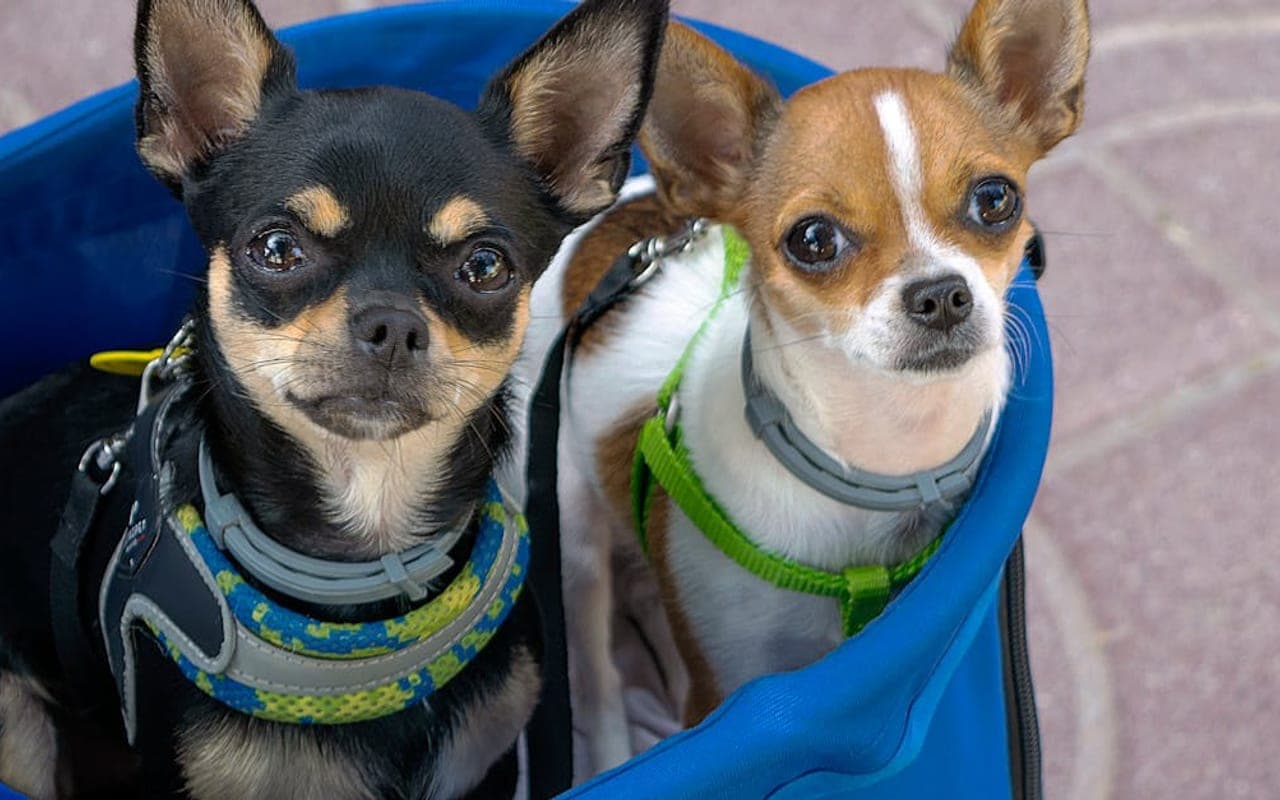
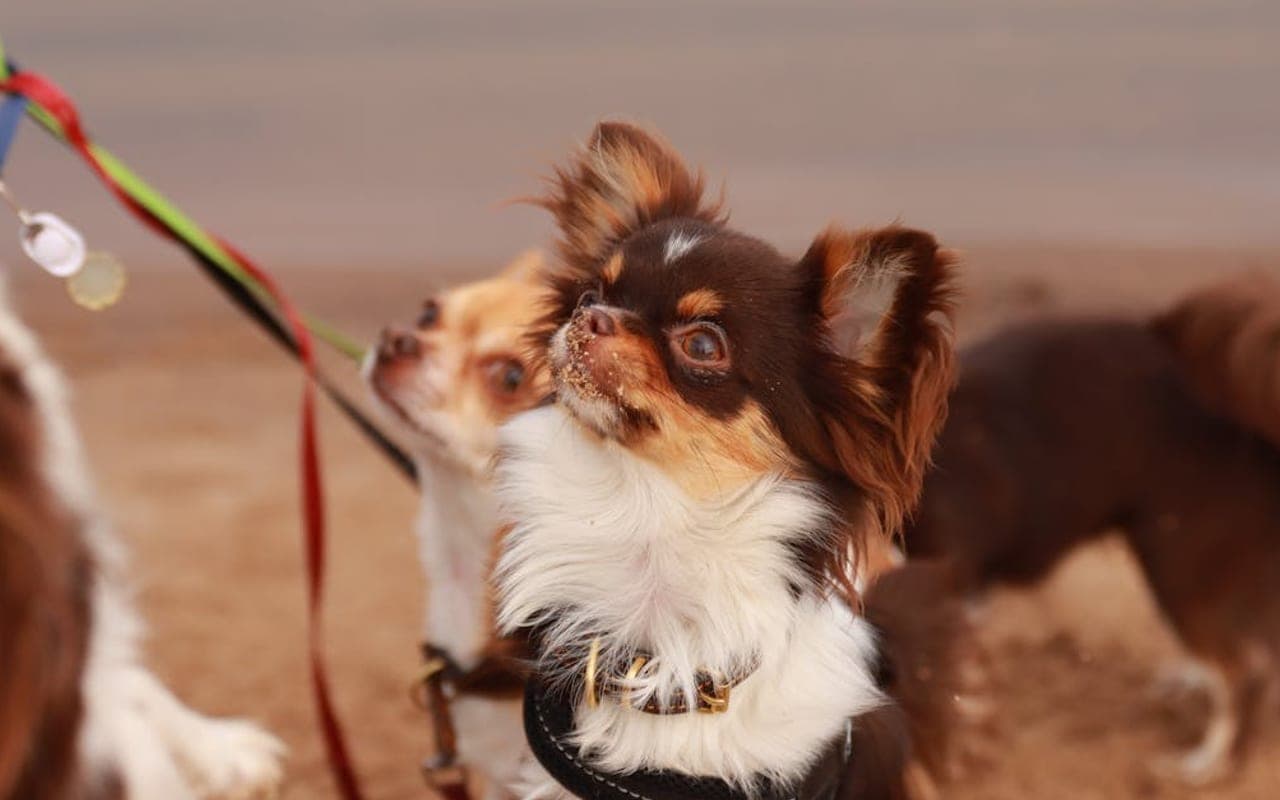
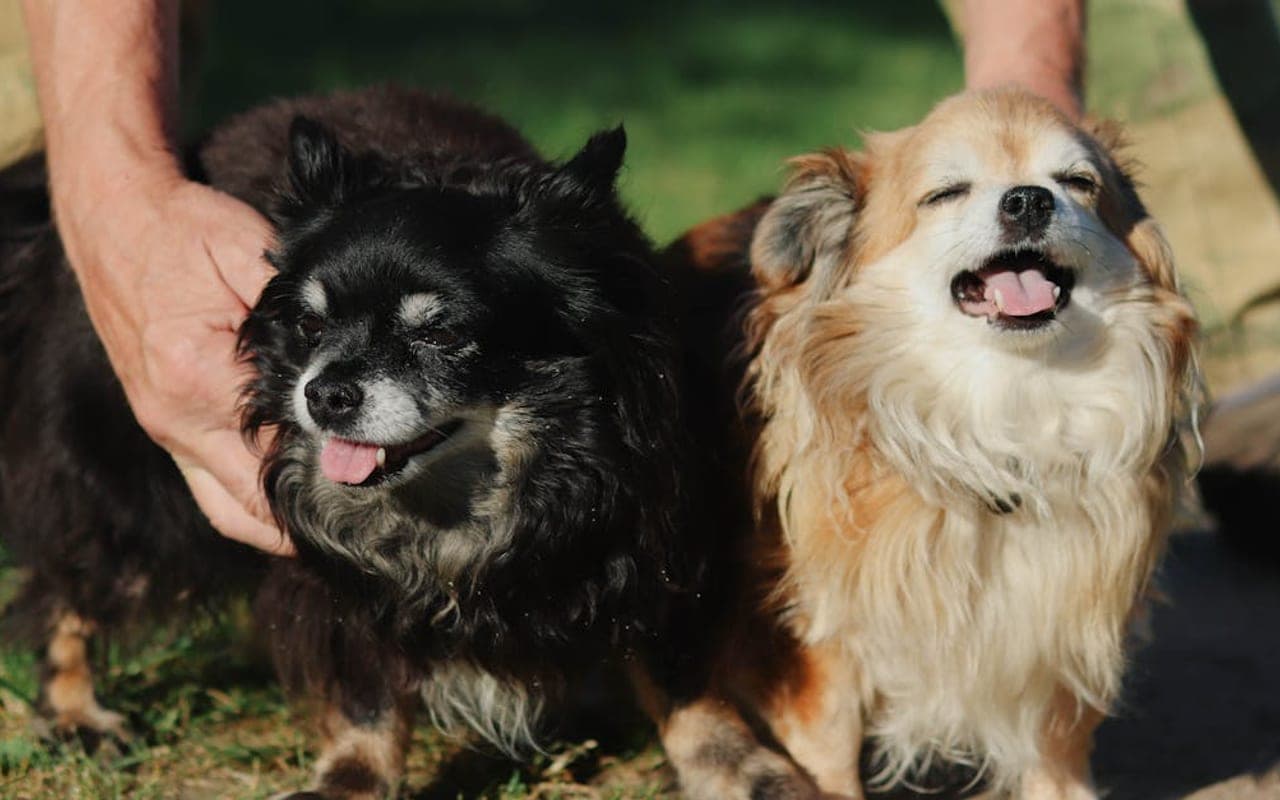
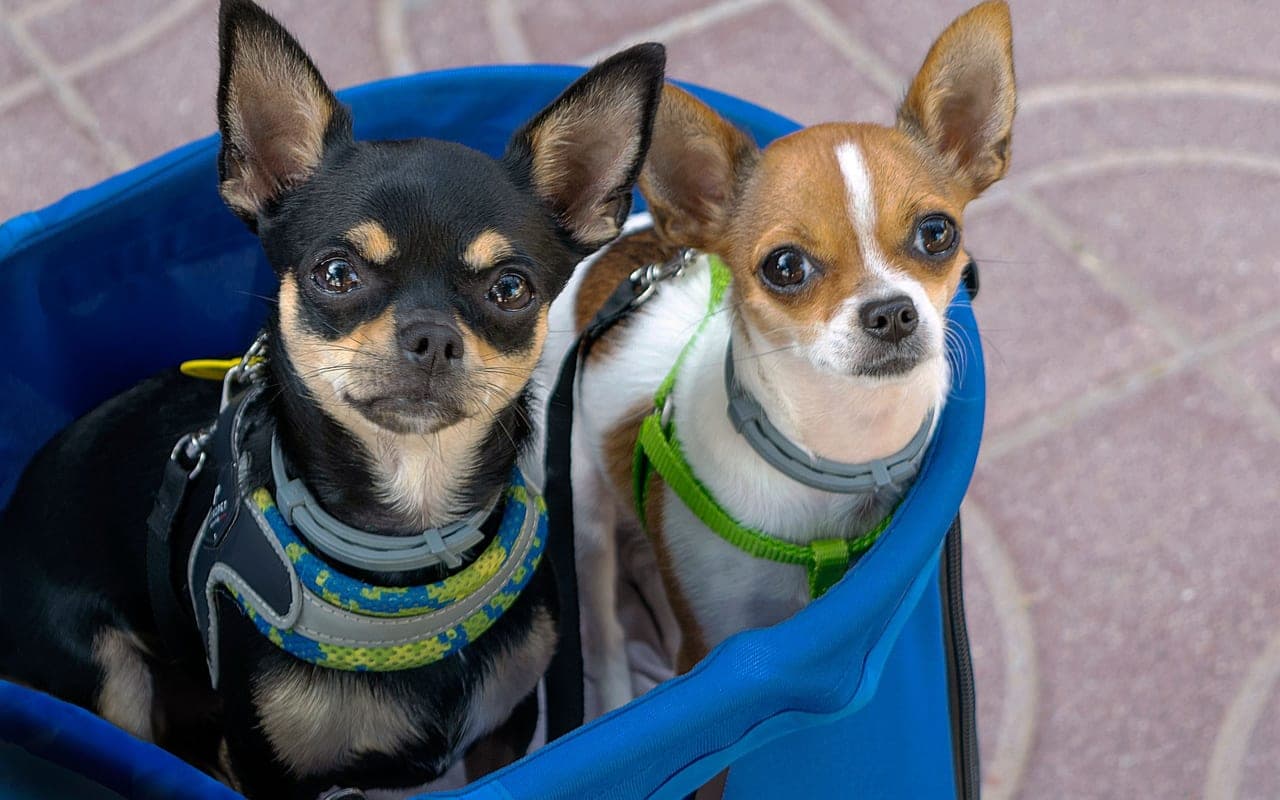
The Chihuahua is the world's smallest dog breed — typically 2-6 lb (1-3 kg) and 6-9 inches tall — and almost nothing about owning one matches its size on paper.
Size
2-6 lb
Lifespan
14-16 years
Exercise
30-60 minutes
Shedding
Low
Experience
Match to owner routine
Decision first
Is a Chihuahua right for you?
Start with fit before history or trivia. These are ownership signals, not guarantees about any individual dog.
Best suited for
- Apartment homes with a consistent routine.
- Owners seeking a manageable daily exercise routine.
Think carefully if
- You need a dog with almost no daily routine.
- You cannot keep up with grooming and preventive care.
- The dog will spend most days alone without support.
Conditional fit
Apartment fit depends on exercise, enrichment, noise management, and outdoor access.
Daily reality
Chihuahua commitment snapshot
Daily exercise
30-60 minutes
Match activity to age, health, weather, and training goals.
Coat care
Moderate
Grooming needs vary by coat, shedding, and lifestyle.
Time alone
Needs planning
Most dogs need gradual alone-time conditioning and support.
Structured facts
Chihuahua at a glance
The measurements and traits that most affect day-to-day life with this breed.
Origin
Mexico
Group
Toy
Weight
2-6 lb
Height
5-8 in
Lifespan
14-16 years
Temperament
Charming | Graceful | Sassy | Devoted | Lively | Alert
View all characteristics and methodology
Lifestyle fit
- Apartment suitability
- Likely fit
Owner commitment
- Exercise
- 30-60 minutes
- Grooming
- Moderate
- Shedding
- Low
- Training
- Moderate
Environment and health
- Health risk
- Needs planning
Ratings combine structured breed data, visible breed fields, and editorial context. They are planning aids, not predictions for an individual dog.
Daily life
Chihuahua temperament and behavior
The Chihuahua is the world's smallest dog breed — typically 2-6 lb (1-3 kg) and 6-9 inches tall — and almost nothing about owning one matches its size on paper. This is a bold, opinionated, intensely people-bonded dog in a body fragile enough that a jump off the couch can break a leg and a toddler's misstep can be fatal. The decision people get wrong is treating it as an easy 'starter' pet because it's tiny; the reality is a long-lived (14-16 years), strong-willed companion with specific safety and dental needs. Get it right and the Chihuahua is a devoted, alert, surprisingly trainable shadow-dog that thrives in apartments, travels easily, and bonds ferociously to its person. The trade-offs are real. They are physically delicate — falls, rough handling, and being stepped on cause serious injuries, which makes them a poor match for homes with very young children. They bond so hard they can become 'one-person,' resource-guarding and snappy if never socialized, and they are quick to bark, making them excellent alarm dogs and mediocre neighbors without training. They are prone to dental disease severe enough to need extractions, and to a hypoglycemia risk in puppies and tiny adults that can become an emergency in hours. And the toy temperament is often mishandled: undertrained Chihuahuas are nippy not because they're 'mean' but because owners excuse in a 4-lb dog what they'd never allow in a 40-lb one. The Chihuahua is right for adults or families with older, gentle children who want a portable, affectionate, long-term companion and will actually train and socialize it, brush its teeth, and protect it from physical hazards. It is wrong for homes with toddlers or large boisterous dogs, owners who think small means no training, or anyone unwilling to commit to lifelong dental care. Buy from a breeder who health-tests for heart and patella issues; tiny does not mean low-maintenance.
Charming | Graceful | Sassy | Devoted | Lively | Alert
Charming
A common Chihuahua temperament descriptor that should be interpreted alongside training, exercise, and household fit.
Graceful
A common Chihuahua temperament descriptor that should be interpreted alongside training, exercise, and household fit.
Sassy
A common Chihuahua temperament descriptor that should be interpreted alongside training, exercise, and household fit.
Devoted
A common Chihuahua temperament descriptor that should be interpreted alongside training, exercise, and household fit.
Owner note
Temperament labels are starting points, not guarantees. Meet the individual dog and ask about behavior history whenever possible.
Care essentials
How to care for a Chihuahua
What looking after one actually involves: exercise, grooming, food, training, and routine health.
ExerciseAs needed
- Despite their small size, Chihuahuas need regular exercise to maintain their health and prevent obesity. Daily walks and indoor play sessions are usually sufficient for their exercise needs. They enjoy short walks and playtime but can get much of their exercise running around inside the home.
GroomingAs needed
- Grooming needs vary by coat type. Smooth-coated Chihuahuas need occasional brushing, while long-coated varieties require more frequent brushing to prevent mats and tangles. All Chihuahuas benefit from regular nail trimming, dental care, and ear cleaning. They're moderate shedders despite their small size.
NutritionAs needed
- Chihuahuas require high-quality food specifically formulated for small or toy breeds. Their tiny size means they need fewer calories, but those calories should be nutrient-dense. Monitor portion sizes carefully to prevent obesity, which can be particularly problematic for this small breed. Small, frequent meals may be better than one large meal.
Health ConsiderationsAs needed
- Chihuahuas are generally healthy but can be prone to certain conditions, including dental issues due to their small mouths, patellar luxation, heart problems, and hypoglycemia. Their small size makes them sensitive to cold, so they may need sweaters in chilly weather. Regular veterinary check-ups are essential for preventive care.
Health planning
Chihuahua health risks and screening
Every breed has individual health variation. Use this profile for planning and discuss medical decisions with a veterinarian.
Ownership cost
How much does a Chihuahua cost?
Cost figures are structured so first-year and lifetime estimates do not conflict with the underlying line items.
| Acquisition | $500-$2,500 |
|---|---|
| Routine monthly | About $70/month |
| Routine annual | About $840/year |
| First-year estimate | $1,340-$3,340 |
| Lifetime routine estimate | $11,760-$13,440 routine costs |
Currency: USD. Region: United States. Typical ranges for this breed. Equipment, insurance, emergency veterinary care, boarding and training are NOT included: we hold no sourced figures for them, and estimating them would be a guess presented as data.
Responsible ownership
Finding a Chihuahua responsibly
What to ask a breeder or rescue is the same conversation for every breed, so we keep it in one place and keep it current.
Health documentation, meeting the parents or foster, contracts and return support, and the warning signs worth walking away from.
Original purpose
Chihuahua history
History is useful when it explains today's behavior, coat, exercise needs, and training style.
Read the breed history
The Chihuahua is named for the Mexican state of Chihuahua, where the modern breed was first documented in the mid-1800s. Its ancestry is generally traced to the Techichi, a small companion dog kept by the Toltec and later Aztec civilizations of central Mexico, possibly crossed over time with small hairless dogs. Archaeological and historical records suggest these small dogs held companion and ceremonial roles in pre-Columbian Mesoamerican cultures. The breed as known today was developed after American visitors began acquiring the little dogs from Mexican vendors in the late 19th century. The American Kennel Club recognized the Chihuahua in 1904. Two coat varieties — smooth and long — are recognized, and the breed standard prizes a small, balanced dog with the characteristic rounded 'apple' head; many puppies are born with a 'molera,' a soft spot in the skull. From companion-and-ritual origins rather than a working job, the modern Chihuahua's defining traits are its extreme small size, long lifespan, and intense attachment to its people.
Gallery
Chihuahua photos
Images are cropped consistently and loaded progressively to keep the page responsive.
Lower-page context
Chihuahuas in culture
Where the breed shows up in film, sport, work and folklore — the enjoyable part, once the practical questions are answered.
Fun facts
- Chihuahuas are the smallest recognized dog breed in the world.
- They have a distinctive 'apple head' or 'deer head' skull shape, with the apple head being the preferred shape for show dogs.
- Chihuahuas have a soft spot on their skulls called a molera, similar to a human baby's fontanel, which usually closes as they mature.
- They come in more colors and patterns than any other breed, including fawn, black, cream, chocolate, and blue.
- Chihuahuas can live extraordinarily long lives for dogs, with many reaching 15-20 years of age.
Chihuahua FAQs
Are Chihuahuas good with children?
Generally not with young children, and the reason is physical, not just temperamental. At 2-6 lb a Chihuahua can be seriously hurt or killed by being dropped, stepped on, or handled roughly, and a frightened small dog often responds by snapping. They can do well with older, gentle children who understand how to handle a fragile dog. For households with toddlers, a sturdier breed is the honest recommendation; if you already have both, supervise every interaction without exception.
Why is my Chihuahua so nippy or 'mean,' and can it be fixed?
Most Chihuahua aggression is fear-and-undertraining, not breed nastiness. Owners routinely tolerate guarding and snapping in a 4-lb dog they'd never allow in a 40-lb one, so the behavior is never corrected and the dog learns it works. It is largely preventable and improvable with early socialization, consistent training, and treating the dog like a dog rather than an accessory. Reward calm behavior, don't reinforce 'protective' snapping by coddling, and get a professional trainer if it's already established.
How long do Chihuahuas live and what shortens it?
Chihuahuas are long-lived — typically 14-16 years, sometimes longer. The most common things that shorten that are largely owner-influenced: untreated dental disease (which is painful and stresses the heart), preventable physical injuries from falls and accidents, and heart valve disease in old age. Lifelong tooth brushing, hazard-proofing the home, keeping the dog lean, and routine vet checks for heart murmurs are what turn a 12-year Chihuahua into a 16-year one.
Do Chihuahuas need much exercise, and are they good for apartments?
They need only about 20-30 minutes of walking plus indoor play a day, which makes them one of the better true apartment breeds. The apartment caveat is barking: Chihuahuas are alert and vocal, so without training they will alarm-bark at hallway noise and neighbors. Walk them on a harness rather than a collar to protect a delicate trachea, and don't skip walks just because the exercise need is small — they still need stimulation and socialization.
What is hypoglycemia in Chihuahuas and how serious is it?
It's dangerously low blood sugar, a real risk in Chihuahua puppies and very small adults. A missed meal, stress, cold, or too much activity can cause wobbliness, glazed eyes, weakness, and progress to seizures or collapse within hours. It is an emergency: rub honey or corn syrup on the gums and get to a vet immediately. Prevent it by feeding small meals 3-4 times a day for puppies and at least twice daily for adults, and keep a sugar source on hand.
What health tests should a Chihuahua breeder have done?
A breeder who health-tests should have a cardiac evaluation (for heart murmurs/valve disease), a patellar luxation evaluation, and an ophthalmologist eye exam on the breeding dogs, and should be candid about hydrocephalus history in the line. Ask to see certificates and meet the parents for temperament. A reputable breeder who health-tests or a breed rescue is far cheaper over a 15-year lifespan than an untested pet-store or backyard puppy whose knee or heart problems surface later.
Sources
These are the published sources this page draws on. Each opens in a new tab so you can check it yourself.
American Kennel Club
Chihuahua — breed standard and profile(opens in a new tab)Supports: Breed standard and recognition details.
Similar breeds to consider
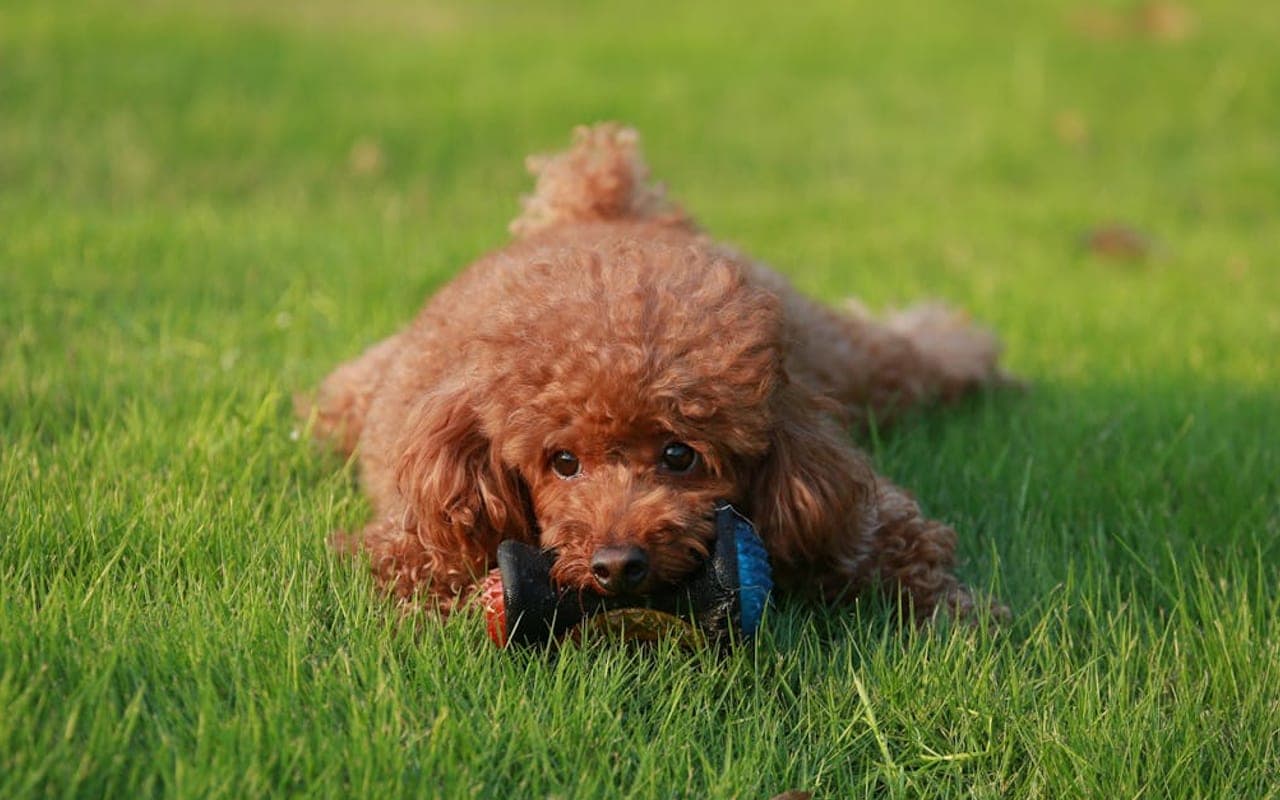
Poodle (Toy)
Also in the Toy group, with different care and temperament tradeoffs.
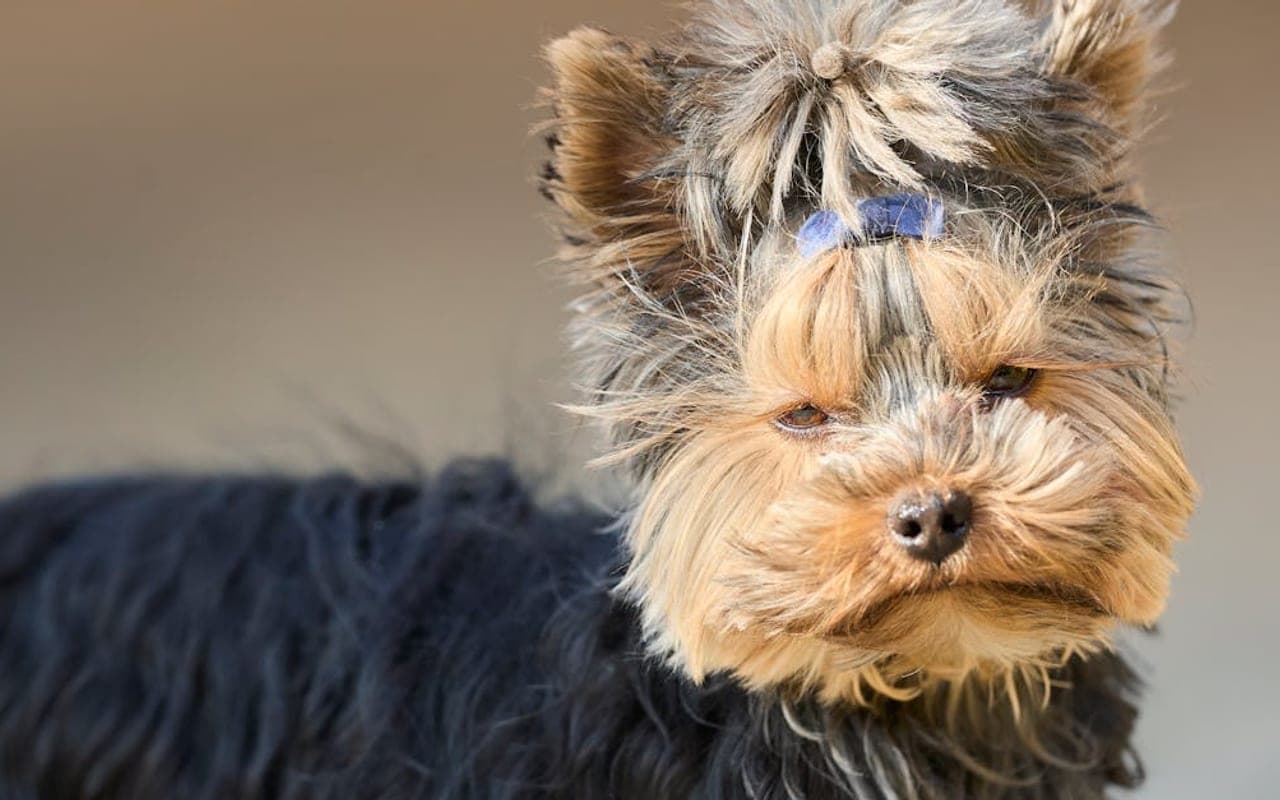
Yorkshire Terrier
Also in the Toy group, with different care and temperament tradeoffs.
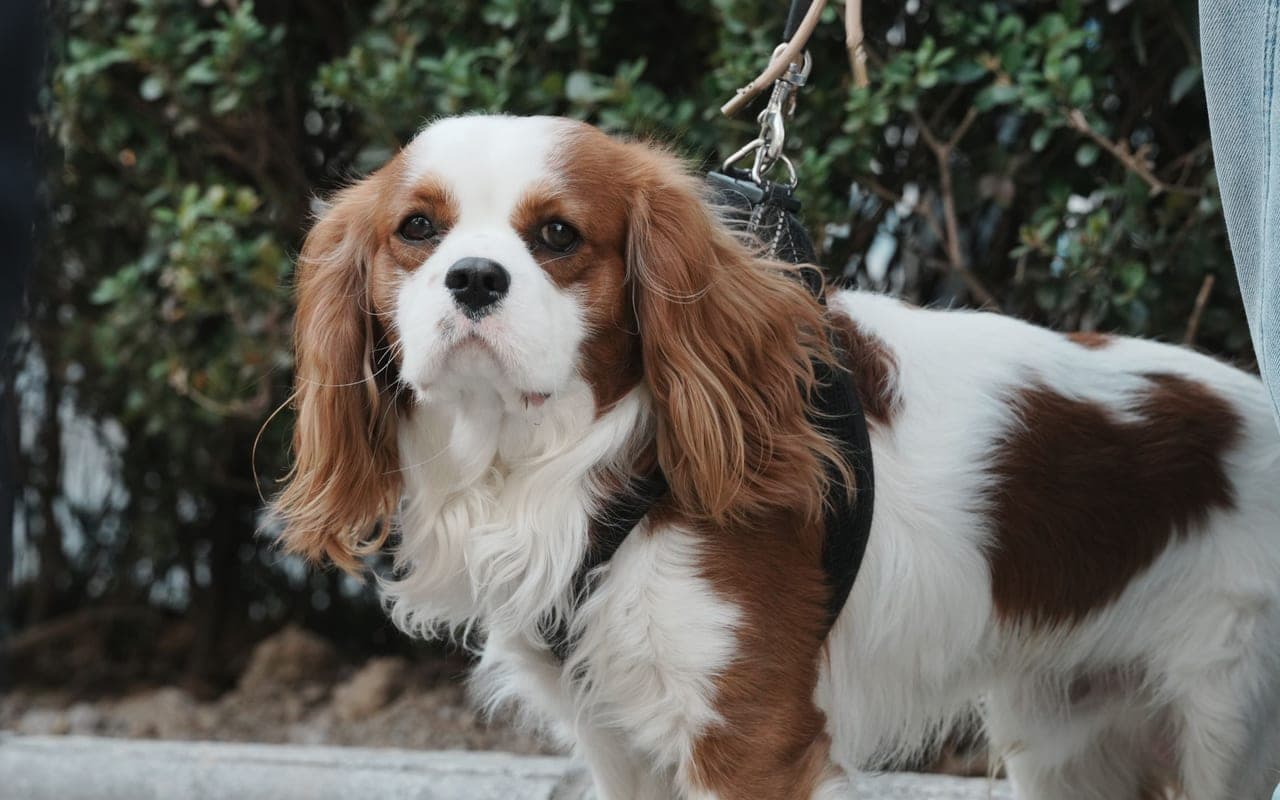
Cavalier King Charles Spaniel
Also in the Toy group, with different care and temperament tradeoffs.

Havanese
Also in the Toy group, with different care and temperament tradeoffs.
Explore More About Chihuahua
Dive deeper into everything Chihuahua — costs, care, and expert insights.
How Much Does a Chihuahua Cost?
Purchase price, monthly costs, and lifetime expenses
Chihuahua Care Guide
The Chihuahua is the smallest recognized dog breed in the world, weighing...
Considering a cat instead?
Browse Cats