
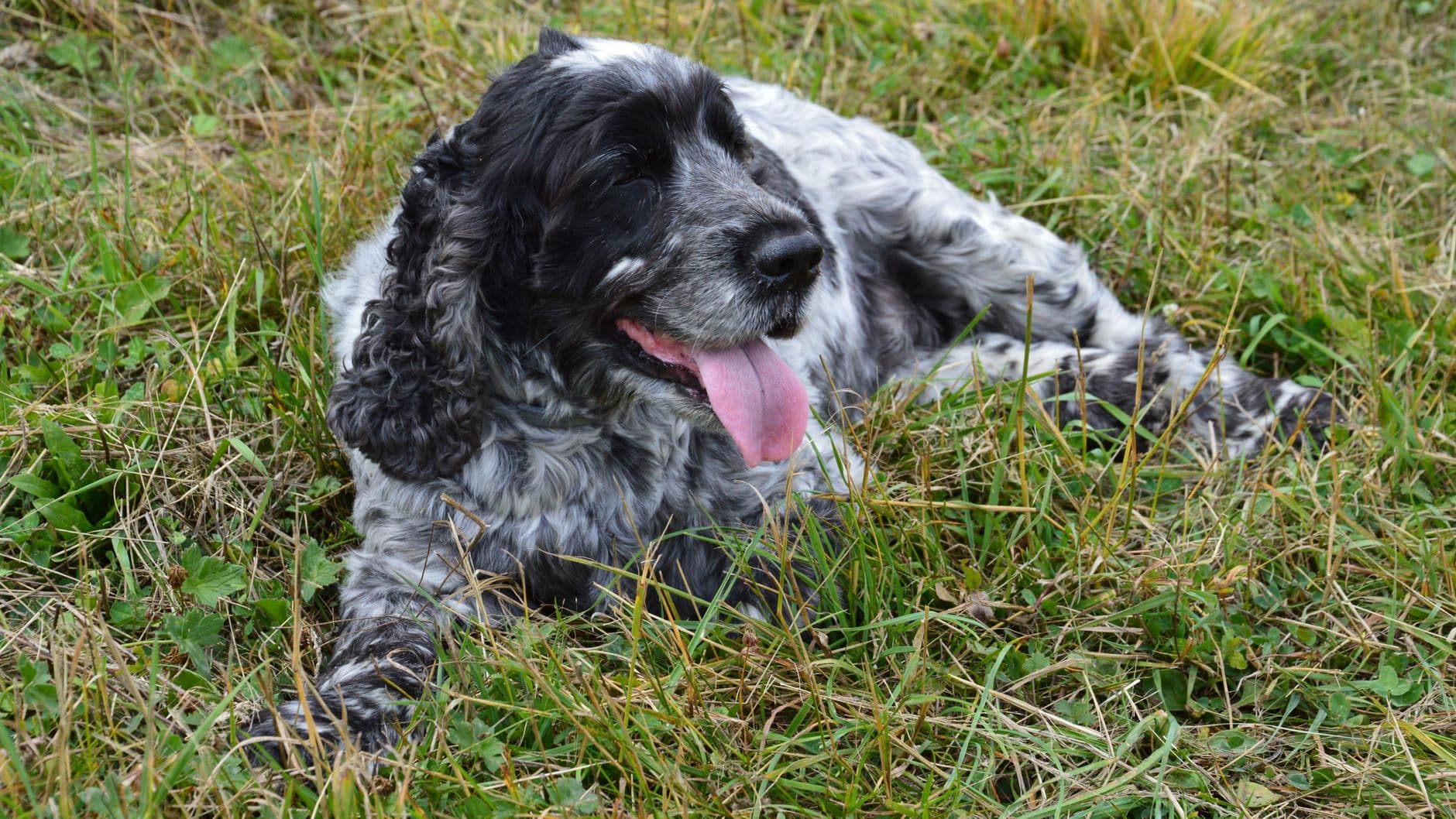
Cocker Spaniel Care Guide
America's Most Popular Dog: A Title Earned for Sixteen Years The American Cocker Spaniel held the position of the most registered breed in the United States from 1936 to 1952, sixteen consecutive year
In This Guide
Overview
America's Most Popular Dog: A Title Earned for Sixteen Years
The American Cocker Spaniel held the position of the most registered breed in the United States from 1936 to 1952, sixteen consecutive years. That record has never been matched. For an entire generation of American families, the Cocker Spaniel was the dog: the silky-eared, soulful-eyed companion who appeared in holiday advertisements, Norman Rockwell paintings, and living rooms from coast to coast.
The 1955 Disney film Lady and the Tramp cemented this cultural position, with Lady, an American Cocker Spaniel, becoming one of the most beloved animated dogs in film history. The breed's gentle expression, luxurious coat, and sweet temperament made her the natural choice to represent the ideal family dog.
American vs. English Cocker Spaniel
In the United States, "Cocker Spaniel" refers to the American Cocker Spaniel, which diverged significantly from its English counterpart during the 20th century. American breeders selected for a more domed skull, a shorter muzzle, a more profuse coat, and a smaller overall body size. The English Cocker Spaniel retained more of the original working gundog structure: a slightly longer muzzle, a more athletic build, and a flatter skull.
Both are recognized as separate breeds by the AKC and the Kennel Club. The health concerns discussed in this guide apply primarily to the American Cocker Spaniel unless otherwise noted. The two breeds share some conditions, but published research does not divide neatly between them — the largest studies of aggression in cockers were carried out on English Cocker Spaniels, so a claim that one breed is less affected than the other should be treated with caution.
Temperament: Gentle, Sensitive, and People-Oriented
Cocker Spaniels are affectionate, eager to please, and deeply attuned to their owners' emotional state. They are sensitive dogs who respond poorly to harsh corrections, raised voices, and conflict in the household. Training must be gentle and positive. Heavy-handed approaches can produce fear-based responses or shut the dog down entirely.
They do well with children who know how to interact with dogs calmly. Their sensitivity means that rough play or unexpected handling (grabbing, startling) can overwhelm them. Early socialization with children is important, and children should always be taught to approach quietly and respectfully.
The Coat: Beautiful and Demanding
The Cocker Spaniel's silky, flowing coat is one of the breed's most recognizable features and one of its greatest maintenance demands. New owners are consistently surprised by how much ongoing investment the coat requires. This is not a wash-and-go dog. The coat mats, collects debris, and requires daily attention to maintain the appearance seen in show rings or in the dog food commercials that made the breed famous.
Separation Anxiety
Cocker Spaniels bond closely to their families and can develop separation anxiety if left alone for extended periods. This tendency should be addressed through structured alone-time training from puppyhood, not ignored until it becomes a problem. Dogs that are never taught to be comfortable alone become increasingly distressed as their routine changes.
Daily Care
The Daily Ear Routine Is Non-Negotiable
Ear infections are the number-one recurring health problem in Cocker Spaniels, and daily ear maintenance is the most effective prevention. The long, floppy ears hang over the ear canal, creating a warm, dark, poorly-ventilated environment that is ideal for yeast (Malassezia) and bacterial growth. Without regular cleaning, infections develop and recur.
The daily routine: lift each ear, check for redness, odor (a sour or musty smell is the first sign of infection), and discharge. Wipe the inner ear flap and the opening of the ear canal with a dry or slightly damp cotton ball. Do not insert anything into the canal. Full ear cleaning with an appropriate veterinarian-recommended cleaner should happen weekly or when visible buildup is present.
Dogs who swim should have ears cleaned and thoroughly dried after every water exposure. Moisture in the canal dramatically accelerates infection development.
Coat Maintenance Between Grooming Appointments
Between professional grooming appointments (typically every 6 to 8 weeks), daily brushing is needed to prevent the feathering from tangling and matting. Focus especially on the areas where friction occurs: behind the ears, under the collar, in the armpits, and around the hindquarters.
A slicker brush followed by a metal comb identifies mats before they consolidate. Mats close to the skin are painful and often require shaving out, which defeats the purpose of maintaining the coat. Start daily brushing routines in puppyhood so the dog accepts it as normal handling.
Exercise and Mental Stimulation
Cocker Spaniels are energetic dogs who enjoy 30 to 45 minutes of exercise daily. They are not extreme athletes like Weimaraners but they are not purely decorative lap dogs either. Walks, fetch, and off-leash play in a safe yard are all appropriate. Their heritage as bird dogs means they enjoy sniffing and exploring; this should be incorporated into exercise rather than discouraged.
Nutrition
Feeding a Cocker Spaniel
Cocker Spaniels are moderate-sized dogs, with males typically weighing 25 to 30 pounds and females 20 to 25 pounds. They eat 1.5 to 2.5 cups of quality dry kibble daily, split across two meals, depending on the food's caloric density and the individual dog's activity level.
Obesity Risk
Cockers are enthusiastic eaters who will overeat if food is available. Obesity is common in the breed and contributes to joint problems, skin folds issues, and general health deterioration. Measure every meal; do not free-feed. Treats should be counted as part of daily caloric intake, not additions to it.
Body condition scoring is the most practical tool: ribs should be felt with light pressure without being visible, and a waist should be visible from above behind the ribcage. Adjust food quantity based on body condition monthly.
Food and Skin Health
Cocker Spaniels are among the breeds more prone to environmental and food allergies. Skin irritation, recurrent ear infections, chronic paw licking, and digestive upset can all be allergy signals. If recurrent health issues suggest food sensitivity, an elimination diet under veterinary guidance (typically a novel protein or hydrolyzed protein food for 8 to 12 weeks) is the diagnostic tool.
Phosphofructokinase Deficiency and Diet
PFK deficiency is a genetic muscle enzyme disorder present in the breed. Affected dogs lack an enzyme involved in red blood cell and muscle metabolism. While diet is not a direct treatment, maintaining appropriate weight and avoiding intense exercise during episodes is important. Dogs suspected of having PFK should be tested and management plans established with a veterinarian.
Exercise
Moderate Needs, Consistent Schedule
Cocker Spaniels need 30 to 45 minutes of exercise daily and respond well to routine. Morning and evening walks, supplemented by indoor play and mental enrichment, keep most Cockers happy and well-behaved. They adapt well to urban living as long as the exercise commitment is met.
As descendants of working gundogs, they retain scenting instincts. Incorporating sniff work, tracking games, and nose work into their activity provides mental enrichment that pure physical exercise cannot replicate.
Sensitive to Rough Physical Handling
Cocker Spaniels enjoy fetch, tug, and agility activities, but their sensitive temperament means the training approach during exercise matters. Frustration-based corrections, physical force, or rough handling during play can trigger fear responses and undermine trust. Keep activities positive and end sessions before the dog becomes fatigued or overstimulated.
Swimming and Ear Infection Risk
Many Cockers love water and are capable swimmers given their spaniel heritage. Swimming is excellent exercise but requires post-swim ear management. After every swim session, dry the ear flaps thoroughly and clean the ear canals as recommended by your veterinarian. A dog that swims regularly and receives no ear maintenance will almost certainly develop chronic infections.
Grooming
Professional Grooming Every 6 to 8 Weeks
The Cocker Spaniel coat requires professional grooming on a regular schedule. The specific clip (show trim, sporting trim, or puppy clip) affects how quickly the coat becomes unmanageable between visits, but no cut eliminates the need for professional grooming. Most owners opt for a shorter utility trim that is easier to maintain at home.
Professional grooming for a Cocker Spaniel includes: a bath, blow-dry, full brush-out, trim of the body, ears, feet, and tail, nail trim, and ear cleaning. Depending on the salon and the dog's condition, this typically costs $60 to $90 per session.
At-Home Daily Brushing
Even with a short utility clip, daily brushing is needed to keep the feathering mat-free. With a show-length coat, daily brushing is mandatory. Use a slicker brush first, then follow with a metal greyhound comb. Any spot where the comb snags indicates a developing mat. Address it immediately with a detangling spray and patient work with fingers before the mat tightens.
Ear Grooming Specifically
The hair inside the ear canal needs periodic plucking or trimming to improve airflow. Some veterinarians and groomers advocate for routine plucking; others prefer careful trimming. The goal is reducing the warm, humid microenvironment that promotes infection. Discuss with your veterinarian what approach is most appropriate for your dog's ear anatomy.
Nails should be trimmed monthly. Cockers' feet are sensitive and proper nail length is important for gait quality.
Health
Ear Infections: The Recurring Challenge
As discussed throughout this guide, ear infections are the defining health challenge of the Cocker Spaniel. The combination of long, pendulous ears, dense ear hair, and a moist ear canal environment makes Cockers structurally predisposed. Prevention through daily ear care and consistent grooming is more effective and less expensive than treating repeated infections. Chronic or recurrent infections should prompt a veterinary investigation for underlying allergies, which frequently drive the cycle.
Primary Glaucoma
Primary glaucoma is a heritable condition in Cocker Spaniels in which fluid pressure within the eye increases abnormally, damaging the optic nerve and leading to blindness if untreated. It is painful and progresses quickly. Warning signs include excessive tearing, redness, a cloudy or bluish cornea, squinting, and a visibly enlarged eye. This is a veterinary emergency. Owners of Cockers should have baseline eye pressure measurements (tonometry) performed annually and be familiar with early warning signs. CAER (Companion Animal Eye Registry) certification in breeding stock reduces but does not eliminate risk.
Phosphofructokinase (PFK) Deficiency
PFK deficiency is an inherited muscle enzyme disorder that affects energy metabolism in red blood cells and muscle tissue. Affected dogs experience exercise intolerance, episodic weakness, pale gums, and muscle cramping. Severe episodes can include hemolytic anemia. A genetic test identifies carriers and affected dogs. Responsible breeders test for PFK and do not breed two carriers together.
Cocker Rage Syndrome
Also called "sudden onset aggression", this condition involves unpredictable aggressive episodes that appear out of context and are disproportionate in severity. The colour association most often quoted comes from work on English Cocker Spaniels, where solid-coloured dogs showed a higher rate of aggression than parti-coloured dogs; it should not be restated as an American Cocker finding. A single agreed mechanism has not been established. The MSD Veterinary Manual notes that fear is the most common motivation for aggression in dogs and that medical causes — pain in particular — must be ruled out first, which is why sudden behavioural change is a veterinary appointment before it is a training problem. Dogs displaying sudden, unprovoked aggression should be evaluated by a veterinary behaviorist to distinguish this condition from fear-based or pain-based aggression, which are more common and more treatable.
Costs
Acquisition
American Cocker Spaniels from health-testing breeders who screen for glaucoma (CAER), PFK deficiency, and hip dysplasia typically charge $1,200 to $2,500. Rescue adoption through Cocker Spaniel rescue organizations runs $150 to $450.
Grooming Costs
Grooming is one of the most significant ongoing costs. At $65 to $90 per grooming session every 6 to 8 weeks, annual grooming costs total $500 to $800. Owners who learn to do basic maintenance trimming between appointments can reduce professional appointments to every 10 to 12 weeks, saving several hundred dollars annually.
Veterinary Costs
Routine wellness care: $400 to $600 annually. Ear infection treatment: $100 to $300 per episode, and Cockers average 2 to 4 episodes annually without prevention. Chronic allergy management: $50 to $200 monthly depending on treatment approach. Glaucoma management (if diagnosed): $100 to $300 monthly for medications; surgery (laser or valve implants) runs $1,500 to $3,500 per eye.
Monthly Estimate
Food: $40 to $70 per month for a 25-pound dog. Grooming tools and supplies: $15 to $30 per month amortized. Preventatives: $25 to $50 per month.
Annual Total
A healthy Cocker Spaniel in a typical year: $2,500 to $4,500 including grooming, food, veterinary care, and supplies. Years with ear infections or glaucoma management can push totals to $6,000 to $10,000.
Frequently Asked Questions
How likely is my American Cocker Spaniel to get ear infections?
Higher than almost any other breed. A Finnish survey of 98,736 dogs published in Acta Veterinaria Scandinavica recorded otitis externa in 27 percent of American Cocker Spaniels, second only to Welsh Springer Spaniels. The authors treat pendulous, hairy ears as a predisposing factor and note this breed's strong tendency to ceruminous gland overgrowth. Because allergy is the most common underlying driver, ask your vet to investigate the cause once infections start repeating instead of re-treating each flare.
Is there a DNA test for progressive retinal atrophy in this breed?
Yes. The American Cocker Spaniel is one of the breeds in which PRA is linked to the prcd gene mutation, and a cheek-swab or blood genotyping assay separates clear, carrier and affected dogs, as described in the Journal of Veterinary Medical Science. Inheritance is autosomal recessive, so two carriers can produce affected puppies. VCA Animal Hospitals notes night blindness is usually the first sign and there is no effective treatment, so ask a breeder for both parents' results before you buy.
My Cocker's eye is suddenly red and he keeps squinting. Can it wait until Monday?
No. VCA Animal Hospitals lists the American Cocker Spaniel among breeds prone to primary glaucoma and calls acute glaucoma an emergency, because blindness can occur very quickly unless the raised pressure is brought down. Cornell University's Riney Canine Health Center describes exactly these subtle early signs, a slightly red eye and some squinting, and says the second eye eventually becomes involved. It is painful. Get same-day veterinary care and a pressure measurement.
Is cocker rage syndrome a real diagnosis?
Not as a recognized breed-specific disease. The MSD Veterinary Manual says fear is the most common motivation for canine aggression and that medical causes, pain especially, must be ruled out first. The strongest population data comes from a VetCompass study of English Cocker Spaniels, a separate breed from the American Cocker this guide covers, which recorded aggression in 4.01 percent of dogs, more often in solid-colored ones. Book a veterinary exam first, then a board-certified veterinary behaviorist.
Does a shorter clip mean less ear trouble?
It helps, but it does not replace daily work. The AKC-approved breed standard describes ears that are lobular, long, of fine leather and well feathered; the Royal Kennel Club standard adds that the leather extends to the nostrils under long silky hair. The MSD Veterinary Manual notes that clipping hair from the ear flap and plucking overly hairy canals improves ventilation and decreases humidity in the ears. Book grooming that includes the ears, and comb the feathering daily whatever the clip.
Sources
This guide draws on the following published references. Each opens in a new tab so you can check it against what you have read here.
American Spaniel Club (AKC parent club)
Cocker Spaniel Breed Standard (AKC-approved; approved January 9, 2018, effective March 1, 2018)(opens in a new tab)The Royal Kennel Club
Spaniel (American Cocker) Breed Standard(opens in a new tab)American Kennel Club
Cocker Spaniel — breed standard and profile(opens in a new tab)VCA Animal Hospitals
Ear Infections in Dogs (Otitis Externa)(opens in a new tab)ASPCA
General Dog Care(opens in a new tab)VCA Animal Hospitals
Progressive Retinal Atrophy in Dogs(opens in a new tab)VCA Animal Hospitals
Glaucoma in Dogs(opens in a new tab)Merck Veterinary Manual
Routine Health Care of Dogs(opens in a new tab)Journal of Veterinary Medical Science (PubMed Central)
Real-time PCR genotyping assay for canine progressive rod-cone degeneration (Kohyama et al., 2015)(opens in a new tab)MSD Veterinary Manual
Behavior Problems of Dogs(opens in a new tab)Canine Medicine and Genetics (PubMed Central)
Demography and disorders of English Cocker Spaniels under primary veterinary care in the UK (Engdahl et al., 2023; VetCompass)(opens in a new tab)Cornell University College of Veterinary Medicine
Glaucoma (Canine Health Topics, Riney Canine Health Center)(opens in a new tab)MSD Veterinary Manual
Otitis Externa in Animals(opens in a new tab)Acta Veterinaria Scandinavica (PubMed Central)
Survey of otitis externa in American Cocker Spaniels in Finland (Kaimio, Saijonmaa-Koulumies & Laitinen-Vapaavuori, 2017)(opens in a new tab)
Affiliate disclosure: We may earn a commission from qualifying purchases. This doesn't affect our recommendations.
Recommended Products
Get personalized pet care tips
Join our newsletter for breed-specific advice, care guides, and expert tips delivered weekly.
No spam, ever. Unsubscribe anytime.