
Sporting group
Cocker Spaniel
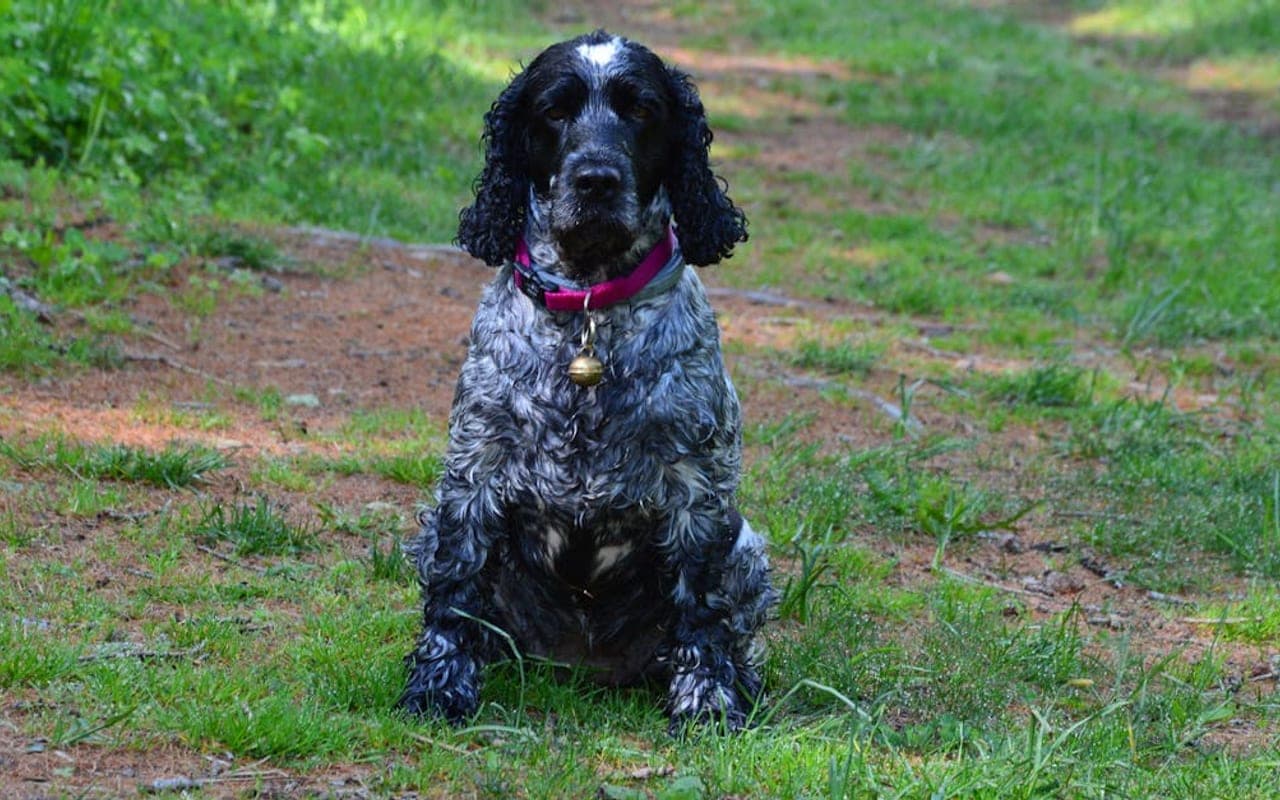
The Cocker Spaniel is a 9-14 kg small sporting dog with a gentle, merry, affectionate temperament and one of the most recognizable looks in dogdom — the long, low, heavily feathered ears and the soft, expressive face.




Size
20-30 lb
Lifespan
12-15 years
Exercise
30-60 minutes
Shedding
High
Experience
Match to owner routine
Decision first
Is a Cocker Spaniel right for you?
Start with fit before history or trivia. These are ownership signals, not guarantees about any individual dog.
Best suited for
- Households with children.
- Homes with other compatible pets.
- Apartment homes with a consistent routine.
- Owners seeking a manageable daily exercise routine.
Think carefully if
- You need a dog with almost no daily routine.
- You want a very low-shedding home.
- The dog will spend most days alone without support.
Conditional fit
Apartment fit depends on exercise, enrichment, noise management, and outdoor access.
Daily reality
Cocker Spaniel commitment snapshot
Daily exercise
30-60 minutes
Match activity to age, health, weather, and training goals.
Coat care
High
Grooming needs vary by coat, shedding, and lifestyle.
Time alone
Needs planning
Most dogs need gradual alone-time conditioning and support.
Structured facts
Cocker Spaniel at a glance
The measurements and traits that most affect day-to-day life with this breed.
Origin
United States
Group
Sporting
Weight
20-30 lb
Height
14-16 in
Lifespan
12-15 years
Temperament
Gentle | Smart | Happy | Playful | Trustworthy | Quiet
View all characteristics and methodology
Lifestyle fit
- Apartment suitability
- Likely fit
- Child friendliness
- Often good, with socialisation and supervision
- Other-pet fit
- Often compatible with careful introductions
- Adaptability
- High
Owner commitment
- Exercise
- 30-60 minutes
- Grooming
- High
- Shedding
- High
- Training
- High
Environment and health
- Health risk
- Needs planning
Ratings combine structured breed data, visible breed fields, and editorial context. They are planning aids, not predictions for an individual dog.
Daily life
Cocker Spaniel temperament and behavior
The Cocker Spaniel is a 9-14 kg small sporting dog with a gentle, merry, affectionate temperament and one of the most recognizable looks in dogdom — the long, low, heavily feathered ears and the soft, expressive face. It is consistently one of the most popular family dogs in the world, and that popularity hides two things every prospective owner should know before buying. First, this is a high-maintenance coat: those beautiful ears and the feathering on the legs and belly are not wash-and-go — they mat, they trap debris, and the ears in particular drive a near-constant lifetime risk of painful infection. Second, popularity has produced a wide gap between carefully bred and carelessly bred Cockers, and temperament in some poorly bred lines is genuinely unstable. The coat is the hidden cost most new owners underestimate. A Cocker Spaniel realistically needs professional grooming every 6-8 weeks (roughly $60-100 a visit) plus brushing several times a week at home, or its coat becomes a matted, skin-damaging mess. The long, hair-covered, downward-hanging ears sit over a warm, moist canal and make chronic ear infections one of the single most predictable recurring vet expenses of the breed — many Cockers have ear trouble repeatedly across their lives, and severe untreated cases can need surgery. Physically the breed stands roughly 34-39 cm at the shoulder, compact and sturdy, with large, somewhat prominent eyes that are vulnerable to disease. Lifespan is a good 12-15 years. Temperament from a sound line is sweet, people-oriented, biddable and good with children. From a poor line it can be timid, anxious, or — uncommonly but seriously — show 'rage syndrome' (sudden-onset unprovoked aggression), which is why the line and breeder matter more here than the breed name. The Cocker Spaniel is right for an owner who wants an affectionate, moderate-energy companion and will commit to the coat, ear care and a researched breeder. It is wrong for anyone unwilling to budget for regular grooming, manage weekly ear care, or research line temperament before buying.
Gentle | Smart | Happy | Playful | Trustworthy | Quiet
Gentle
A common Cocker Spaniel temperament descriptor that should be interpreted alongside training, exercise, and household fit.
Smart
A common Cocker Spaniel temperament descriptor that should be interpreted alongside training, exercise, and household fit.
Happy
A common Cocker Spaniel temperament descriptor that should be interpreted alongside training, exercise, and household fit.
Playful
A common Cocker Spaniel temperament descriptor that should be interpreted alongside training, exercise, and household fit.
Owner note
Temperament labels are starting points, not guarantees. Meet the individual dog and ask about behavior history whenever possible.
Care essentials
How to care for a Cocker Spaniel
What looking after one actually involves: exercise, grooming, food, training, and routine health.
HealthAs needed
- Cocker Spaniels generally enjoy good health but are predisposed to several conditions that prospective owners should be aware of. Eye problems are common, including progressive retinal atrophy (PRA), cataracts, and glaucoma. Ear infections occur frequently due to their long, pendulous ears that restrict air circulation. The breed is prone to various skin issues and allergies that may require special care. IMHA (Immune Mediated Hemolytic Anemia) appears more frequently in Cockers than many other breeds. Hip dysplasia and patellar luxation can affect mobility. Some Cockers develop epilepsy or heart conditions like dilated cardiomyopathy. Responsible breeding practices with health testing for eyes, hips, patellae, and cardiac issues help reduce these risks. With proper veterinary care, nutrition, and exercise, many Cocker Spaniels live healthy lives into their teens.
ExerciseAs needed
- Cocker Spaniels need moderate exercise, with daily walks and play sessions totaling about 45-60 minutes. They enjoy retrieving games that engage their hunting instincts and provide mental stimulation alongside physical activity. While energetic, they don't require extensive exercise like some sporting breeds and adapt well to their owner's lifestyle. Their exercise needs can be met through varied activities including short hikes, dog sports, or backyard play. Senior Cockers need consistent but gentler exercise to maintain joint health and manage weight.
GroomingAs needed
- Cocker Spaniels have high grooming requirements due to their abundant, silky coat that grows continuously. Professional grooming every 4-8 weeks is recommended for maintaining coat health and appearance. Daily brushing for 15-20 minutes prevents mats and tangles, especially in feathering on legs, chest, and ears. Their pendulous ears need weekly cleaning to prevent infections, and regular checks for excess hair in the ear canal. Facial wrinkles should be kept clean and dry to prevent skin infections. Nails require trimming every 3-4 weeks, and teeth should be brushed regularly. Show dogs need more intensive grooming, but pet Cockers can be kept in a shorter 'puppy cut' for easier maintenance.
TrainingAs needed
- Cocker Spaniels are intelligent and eager to please, making them relatively easy to train. They respond best to positive reinforcement methods using praise, treats, and play as rewards. Harsh training methods should be avoided as they can cause this sensitive breed to become fearful or anxious. Early socialization and puppy training classes are important for developing a well-adjusted adult dog. Consistency is key, as Cockers can be somewhat stubborn at times. House training usually progresses smoothly with a consistent schedule. Their sporting heritage makes them naturals at canine activities like agility, rally, obedience, and tracking. Mental stimulation through training exercises and puzzle toys helps prevent boredom and associated behavioral issues.
NutritionAs needed
- Cocker Spaniels require high-quality dog food appropriate for their age, size, and activity level. Adult Cockers typically need 1-2 cups of premium kibble daily, divided into two meals. They have a tendency to gain weight, so portion control is important, and treats should be limited to 10% of daily caloric intake. Foods with quality protein sources and moderate fat content are ideal, and some benefit from formulas supporting skin and coat health. Senior Cockers often need reduced-calorie formulations to prevent weight gain as they become less active. Always provide fresh water, and consult with a veterinarian regarding specific dietary needs, especially for dogs with food sensitivities or health conditions.
Health planning
Cocker Spaniel health risks and screening
Every breed has individual health variation. Use this profile for planning and discuss medical decisions with a veterinarian.
Ownership cost
How much does a Cocker Spaniel cost?
Cost figures are structured so first-year and lifetime estimates do not conflict with the underlying line items.
| Acquisition | $800-$2,500 |
|---|---|
| Routine monthly | About $110/month |
| Routine annual | About $1,320/year |
| First-year estimate | $2,120-$3,820 |
| Lifetime routine estimate | $15,840-$19,800 routine costs |
Currency: USD. Region: United States. Typical ranges for this breed. Equipment, insurance, emergency veterinary care, boarding and training are NOT included: we hold no sourced figures for them, and estimating them would be a guess presented as data.
Responsible ownership
Finding a Cocker Spaniel responsibly
What to ask a breeder or rescue is the same conversation for every breed, so we keep it in one place and keep it current.
Health documentation, meeting the parents or foster, contracts and return support, and the warning signs worth walking away from.
Original purpose
Cocker Spaniel history
History is useful when it explains today's behavior, coat, exercise needs, and training style.
Read the breed history
The Cocker Spaniel is one of the oldest of the land spaniels, developed in Britain to flush and retrieve game birds — its name comes from its skill at hunting the Eurasian woodcock. For much of its history the Cocker and the English Springer Spaniel were the same breeding stock, divided only by size within a litter, with the smaller 'cocking' spaniels working woodcock. The breed was recognized by the Kennel Club (UK) in the late 19th century. In the 20th century the American and English Cocker Spaniels diverged into separate breeds — the American Cocker becoming smaller, with a domed head and a more profuse coat bred largely for the show ring and companionship, while the English Cocker retained more of the working build. The American Kennel Club recognized the Cocker Spaniel in 1878. Intense 20th-century popularity drove mass breeding, which is the historical root of the wide modern variation in both coat workload and temperament between well-bred and carelessly bred lines.
Gallery
Cocker Spaniel photos
Images are cropped consistently and loaded progressively to keep the page responsive.
Lower-page context
Cocker Spaniels in culture
Where the breed shows up in film, sport, work and folklore — the enjoyable part, once the practical questions are answered.
Movies and TV
- Lady and the Tramp (1955)
Disney animated classic featuring a refined Cocker Spaniel named Lady as the main character.
- All Dogs Go to Heaven (1989)
Animated film featuring a Cocker Spaniel mix character.
Fun facts
- Cocker Spaniels were the most popular dog breed in America for much of the 1940s and 1950s.
- The character 'Lady' in Disney's 'Lady and the Tramp' was an American Cocker Spaniel.
- Cocker Spaniels are named for their excellence in hunting woodcock birds.
- They are the smallest member of the AKC Sporting Group.
- Their long, lush ears are actually prone to getting into their food while eating, so many owners use special long-eared dog bowls.
Cocker Spaniel FAQs
Why do Cocker Spaniels get so many ear infections?
The long, heavy, hair-covered ear flaps hang straight down over a warm, moist ear canal with almost no air flow — close to ideal conditions for bacterial and yeast infection. This makes chronic otitis the single most predictable recurring vet cost of the breed, with many Cockers having ear trouble repeatedly through life. You can sharply reduce it with weekly cleaning and drying, trimming the hair under the ear, and drying thoroughly after every swim or bath. Persistent head-shaking or odor means a vet visit.
How much grooming does a Cocker Spaniel really need?
A lot, and it is the most underestimated cost of the breed. Plan on brushing the feathered coat 3-4 times a week plus professional grooming every 6-8 weeks at roughly $60-100 per visit, or learn to clip and strip the coat yourself. Left alone, a Cocker's coat mats to the skin within weeks, trapping moisture and causing painful sores. Anyone unwilling to commit to this schedule and budget should choose a lower-maintenance breed.
What is 'rage syndrome' in Cocker Spaniels and should it put me off the breed?
Sudden-onset aggression, sometimes called rage syndrome, is an uncommon but real condition seen in certain poorly bred Cocker lines: a normally gentle dog explodes into unprovoked aggression, often with a glazed look and no apparent memory afterward. It is line-dependent, not breed-wide, and well-bred Cockers from sound lines are typically sweet and stable. The takeaway is not to avoid the breed but to research the breeder's lines and temperament history and walk away from any evasive answer.
Are Cocker Spaniels good family dogs and good with children?
Yes, well-bred Cockers from sound lines are typically affectionate, gentle, people-oriented and good with children, with a merry, moderate-energy temperament that suits family life. The two real caveats are the demanding coat and ear care, and the importance of sourcing from a reputable line to avoid the timidity, anxiety, or rare sudden-onset aggression seen in carelessly bred dogs. A correctly sourced, well-groomed Cocker is one of the warmer small family companions.
How long do Cocker Spaniels live and what should I budget for?
Cocker Spaniels typically live 12-15 years, so this is a long commitment. Routine annual costs are modest, but realistic budgeting must include frequent professional grooming (roughly $60-100 every 6-8 weeks), recurrent ear-infection treatment, and the possibility of inherited eye disease (PRA, glaucoma) or immune disease (autoimmune haemolytic anaemia). Sourcing from health-tested parents and committing to weekly ear and coat care is the most effective way to control lifetime cost.
Sources
These are the published sources this page draws on. Each opens in a new tab so you can check it yourself.
American Kennel Club
Cocker Spaniel — breed standard and profile(opens in a new tab)Supports: Breed standard and recognition details.
Similar breeds to consider

Golden Retriever
Also in the Sporting group, with different care and temperament tradeoffs.

German Shorthaired Pointer
Also in the Sporting group, with different care and temperament tradeoffs.

Labrador Retriever
Also in the Sporting group, with different care and temperament tradeoffs.

Vizsla
Also in the Sporting group, with different care and temperament tradeoffs.
Explore More About Cocker Spaniel
Dive deeper into everything Cocker Spaniel — costs, care, and expert insights.
How Much Does a Cocker Spaniel Cost?
Purchase price, monthly costs, and lifetime expenses
Cocker Spaniel Care Guide
The American Cocker Spaniel held...
Ear Infections in Dogs: Why They Keep Coming Back
Scratching, head shaking, and a funky smell from the ears usually mean one thing. Here's how ear...
Considering a cat instead?
Browse Cats