Loading...
Fetching data for Mr Pet Lover

Fetching data for Mr Pet Lover
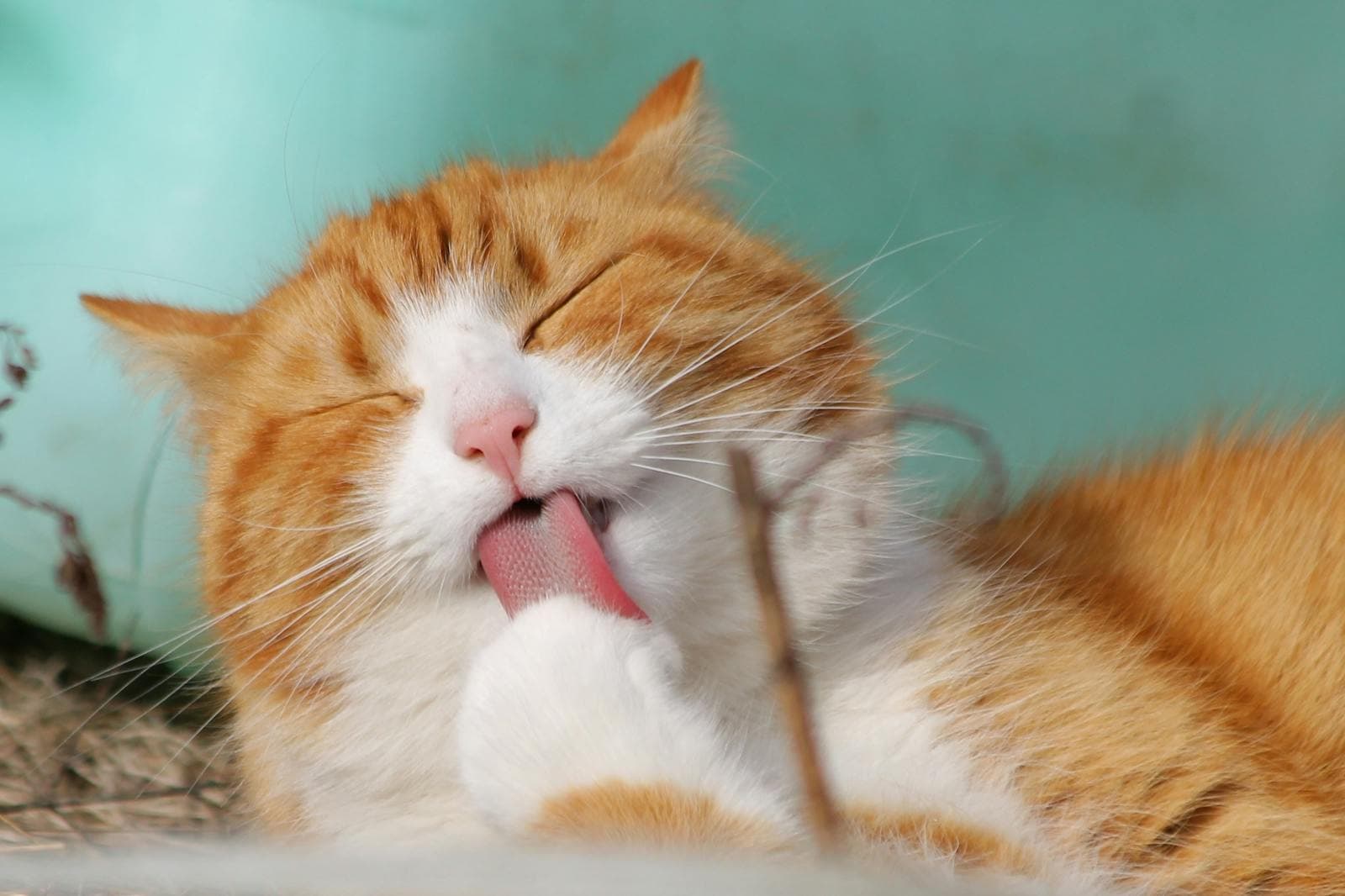
Cats are masters at hiding pain and illness — which makes senior care especially important. Most cats are considered senior at age 11 and geriatric at 15. With thoughtful adjustments to diet, environm
Reading Time
📖 12 min
Guide Type
📋 General
Last Updated
📅 Mar 4, 2026
Breed
🐱 All Pets
Cats are masters at hiding pain and illness — which makes senior care especially important. Most cats are considered senior at age 11 and geriatric at 15. With thoughtful adjustments to diet, environment, and veterinary care, your senior cat can enjoy comfortable, happy golden years.
Accessibility: As your cat ages, jumping becomes harder. Provide ramps or steps to favorite perches. Lower-sided litter boxes make entry easier for arthritic cats.
Warmth: Senior cats feel the cold more. Heated beds, sunny windowsill perches, and warm blankets become more important.
Routine: Maintain consistency. Senior cats are even more sensitive to change than younger cats. Minimize disruptions to their environment and schedule.
Monitoring: Check your cat daily for changes in appetite, water intake, litter box habits, grooming, and behavior. Subtle changes are often the first sign of illness.
Gentle interaction: Some senior cats become more affectionate; others prefer more space. Respect your cat's preferences and offer gentle companionship.
Hydration is critical: Kidney disease is the leading cause of death in senior cats. Encourage water intake through fountains, multiple water stations, and wet food.
Feeding frequency: Some senior cats do better with smaller, more frequent meals (3-4 per day) rather than two large meals.
Weight changes: Both weight loss and weight gain warrant a vet conversation. Unexplained weight loss is often the first sign of hyperthyroidism, diabetes, or cancer.
Low-impact play: Senior cats still need daily play, but adjust intensity. Short, gentle sessions (5-10 minutes) with slow-moving toys work well.
Avoid overexertion: If your cat is panting, limping, or reluctant to play, stop. Arthritis may limit what's comfortable.
Cognitive stimulation: Puzzle feeders at an easy level, hide-and-seek with treats, and new scents (safe herbs, outdoor items) help keep aging brains active. Cognitive dysfunction is real in senior cats — mental stimulation may slow its progression.
Increased need: Senior cats often groom less effectively, leading to matting (long-haired cats), dandruff, and oily coats.
Gentle brushing: Increase brushing frequency. Use a soft-bristle brush for sensitive skin. Many senior cats enjoy the attention.
Nail care: Senior cats may not use scratching posts as actively. Check and trim nails every 1-2 weeks. Overgrown nails can curl into paw pads.
Dental care: Dental disease worsens with age. If your cat's breath changes, drools, or drops food, schedule a dental exam. Professional cleanings under anesthesia are generally safe for healthy seniors.
Coat changes: A dull, unkempt coat in a previously well-groomed cat often signals illness. This warrants a vet visit.
Gentle bathing: If your senior cat can't groom effectively, occasional spot-cleaning with pet-safe wipes helps maintain coat health without the stress of a full bath.
Vet schedule: Twice-yearly exams with comprehensive bloodwork (kidney values, thyroid, glucose). Early detection changes outcomes dramatically.
Quality of life: Have honest conversations with your vet about your cat's comfort level. Pain management has improved significantly — no cat should suffer in silence.
Life expectancy: Indoor cats commonly reach 15-18 years. Some reach 20+. Quality of life matters more than quantity.
Senior cat care costs more than caring for a young adult cat, primarily due to increased vet visits and potential medications. Pet insurance (if obtained before senior age) can significantly offset these costs.
Join our newsletter for breed-specific advice, care guides, and expert tips delivered weekly.
No spam, ever. Unsubscribe anytime.