
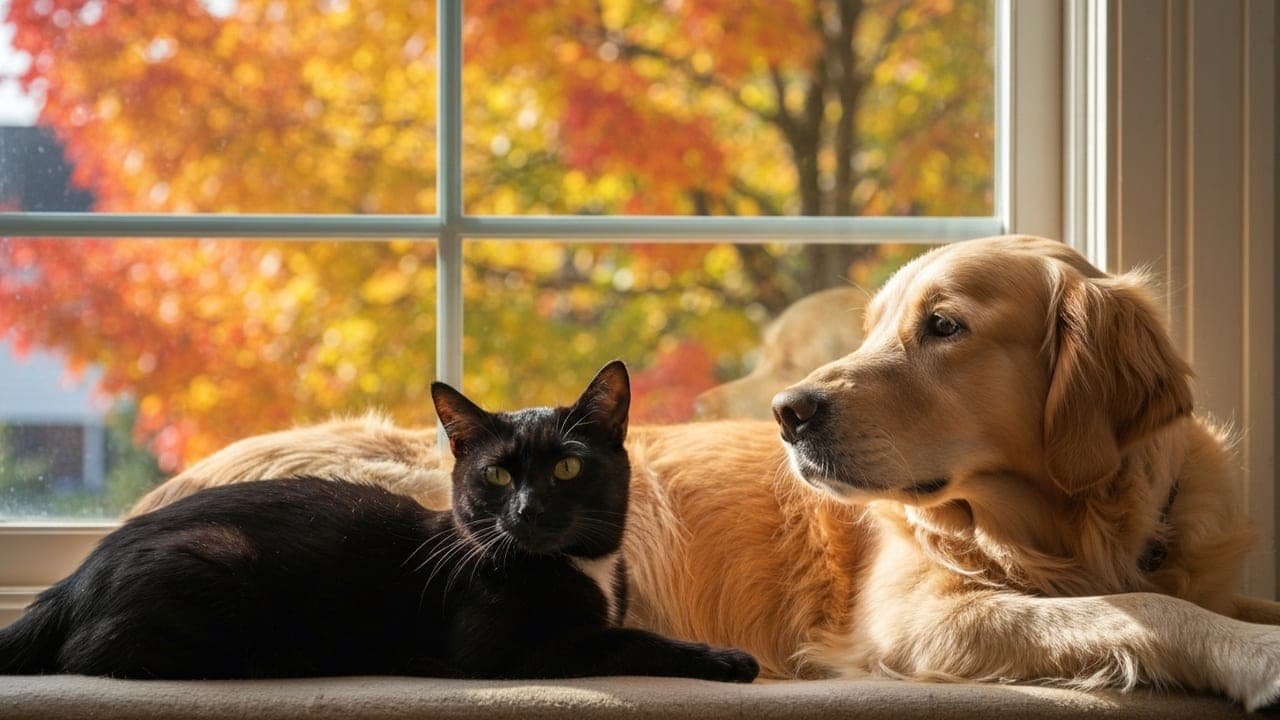
Year-Round Seasonal Pet Care Guide
The care your pet needs in July looks nothing like the care they need in January. Yet most pet care guides treat the year as a single season — same routine, same precautions, same feeding approach fro
Reading Time
📖 14 min read
Guide Type
📋 General
Last Updated
📅 Sep 9, 2026
Breed
🐶 All Pets
In This Guide
Overview
The care your pet needs in July looks nothing like the care they need in January. Yet most pet care guides treat the year as a single season — same routine, same precautions, same feeding approach from January through December. Your pet's body doesn't work that way. Their coat changes, their activity level shifts, their exposure risks rotate, and their nutritional needs adjust with the calendar.
Why Seasonal Awareness Matters
Seasonal hazards are the leading cause of preventable pet emergencies:
- Heatstroke kills more pets in summer than any other seasonal cause
- Antifreeze poisoning spikes in fall and winter
- Spring allergies affect 10–15% of dogs and 5–10% of cats
- Ice-melt chemicals cause paw burns and gastrointestinal distress every winter
What This Guide Covers
A month-by-month care calendar covering all four seasons for both dogs and cats. Each season section addresses: temperature management, exercise adjustments, nutrition modifications, grooming changes, common seasonal toxins, and veterinary timing. Whether you have a single pet or a multi-pet household, this guide keeps you ahead of each season's unique challenges.
Daily Care
Seasonal changes affect daily routines more than most pet owners realize. Here's how to adjust your daily care calendar across the year.
Spring Daily Adjustments (March–May)
Walk timing: Gradually extend walks as temperatures warm. Watch for pollen-heavy days — if your pet has allergies, early morning walks (before pollen peaks at midday) reduce exposure.
Pest prevention: Begin or confirm year-round flea, tick, and heartworm prevention. If you've lapsed during winter months, restart immediately — don't wait for the first tick sighting.
Shedding management: Spring triggers the heaviest shedding season for double-coated breeds. Increase brushing frequency. For German Shepherds, Maine Coons, and other heavy-shedding breeds, daily brushing during spring coat blow prevents matting and reduces household fur.
Garden awareness: Spring planting introduces toxic plants. Lilies (extremely toxic to cats), azaleas, tulip bulbs, and daffodils are common spring hazards. Audit your garden before letting pets roam.
Summer Daily Adjustments (June–August)
Walk timing shift: Move all dog walks to before 9 AM and after 6 PM. Pavement temperature at 2 PM on a 85°F day can reach 135°F — hot enough to burn paw pads in 60 seconds. Test with your palm: if you can't hold it on the pavement for 7 seconds, it's too hot for paws.
Hydration protocol: Carry water on every walk. Refill indoor water bowls twice daily (water gets warm and stale in summer). Add ice cubes to water bowls for dogs who enjoy them. Ensure outdoor cats have shaded water sources.
Indoor enrichment: On days too hot for adequate outdoor exercise, shift to indoor alternatives — puzzle feeders, training sessions, indoor fetch for dogs. For cats, increase interactive play sessions during cooler indoor hours.
Never leave pets in cars: At 75°F outside, car interiors reach 100°F within 10 minutes and 120°F within 30 minutes. There is no "quick errand" safe duration. This kills pets every summer.
Fall Daily Adjustments (September–November)
Daylight changes: Earlier sunset means earlier evening walks. Use reflective collars, LED lights, or light-up leashes for visibility during evening walks.
Toxin awareness: Fall brings specific hazards — antifreeze (tastes sweet, lethal at small doses), rodenticides (people prepare for winter pests), mushrooms (wild mushrooms proliferate in fall rain), and decomposing compost piles.
Coat preparation: As temperatures drop, coats thicken. This is normal but requires maintained grooming to prevent undercoat matting. For cats, increased indoor time means more furniture shedding — maintain brushing schedules.
Winter Daily Adjustments (December–February)
Walk duration: Shorten walks in extreme cold. Small dogs, thin-coated breeds, and elderly pets need coats below 40°F. Limit outdoor time to 15–20 minutes in temperatures below 20°F for most breeds.
Paw care: After every winter walk, wipe paws with a warm, damp cloth to remove ice-melt chemicals and road salt. These cause chemical burns on paw pads and gastrointestinal distress if licked. Paw wax (like Musher's Secret) provides a protective barrier.
Indoor humidity: Heated homes have dry air that affects pet skin and coats. A humidifier in your pet's primary room reduces dandruff, itching, and static in long coats.
Nutrition
Your pet's caloric and nutritional needs shift with the seasons, though less dramatically than many sources suggest. The key adjustments are real but modest.
Seasonal Feeding Adjustments
| Season | Caloric Adjustment | Hydration Focus | Key Supplements | |---|---|---|---| | Spring | Return to baseline after winter | Normal | Allergy support (omega-3, quercetin) | | Summer | Slight decrease (5–10%) if less active | Maximum — wet food, water access | Electrolytes for very active dogs | | Fall | Slight increase (5–10%) for outdoor pets | Normal | Joint support as cold approaches | | Winter | Increase 10–15% for outdoor/active pets; no change for indoor | Monitor — heated rooms dehydrate | Vitamin D, skin/coat supplements |
Indoor pets: The seasonal caloric difference for indoor pets is minimal. If your dog or cat lives primarily indoors with climate control, maintain consistent feeding year-round. Only outdoor or very active pets need significant seasonal adjustments.
Summer Nutrition Specifics
- Frozen treats: Freeze plain yogurt with banana, blend and freeze watermelon (seedless), or fill KONGs and freeze. These provide hydration and cooling.
- Lighter meals: On extremely hot days, some dogs eat less — this is normal. Don't force food. Switch to a lighter evening meal if appetite decreases.
- Water additives: A splash of low-sodium chicken broth in water bowls can encourage drinking in pets who resist plain water in summer.
Winter Nutrition Specifics
- Working and outdoor dogs: Dogs who spend significant time outdoors in cold weather need 10–25% more calories. Their bodies burn extra energy maintaining body temperature.
- Dry skin support: Add a teaspoon of fish oil (small dogs/cats) to a tablespoon (large dogs) to meals. Omega-3 fatty acids combat the dry skin that winter heating systems cause.
- Warm food: Slightly warming wet food (not hot — microwave for 10 seconds and stir) increases palatability and provides comfort on cold days. Test temperature before serving.
Seasonal Treats to Avoid
- Spring: Easter chocolate (toxic to dogs), lily bouquets (toxic to cats)
- Summer: Grapes and raisins at picnics, xylitol-containing popsicles or ice cream
- Fall: Candy (especially sugar-free with xylitol), decorative corn (choking hazard)
- Winter: Macadamia nuts, fruitcake with raisins, eggnog
Exercise
Seasonal exercise planning prevents both under-exercising (winter lethargy leading to weight gain) and over-exercising (summer heatstroke risk). Each season requires specific modifications.
Spring Exercise
Spring is the easiest season for pet exercise — moderate temperatures, longer daylight, and natural energy increase in both dogs and cats.
- Restart outdoor conditioning: If your dog was less active during winter, rebuild stamina gradually. Don't jump from 20-minute winter walks to 60-minute spring hikes in a week. Increase by 10–15 minutes per week.
- Swimming season starts: For water-loving breeds, spring is when ponds and lakes warm enough for safe swimming. Check water quality (algae blooms begin in late spring) and ensure your dog can enter and exit safely.
- Cat outdoor time: If your cat uses a secure outdoor enclosure (catio) or walks on a harness, spring is ideal to re-establish these routines.
- Allergy-conscious exercise: For allergy-prone dogs, exercise during low-pollen hours (early morning, after rain) and wipe paws and belly after walks to remove pollen.
Summer Exercise
Heat is the primary concern. Heatstroke is a medical emergency, and prevention is entirely about timing and duration.
- Walk schedule: Before 9 AM and after 6 PM only. Mid-day outdoor activity is limited to potty breaks in shade.
- Water exercise: Swimming is the ideal summer exercise — it provides full-body workout without heat risk. Always supervise, ensure your pet can swim (some breeds can't — French Bulldogs, for example, should never swim without life vests).
- Indoor alternatives: Air-conditioned indoor play, training sessions, puzzle feeders, and nosework keep pets active without heat exposure.
- Cat summer activity: Keep cats indoors during peak heat hours. Provide ice cubes in water bowls and frozen wet-food treats.
- Brachycephalic breeds: Flat-faced dogs and cats (Bulldogs, Pugs, Persians) need even more conservative summer exercise limits. They cannot cool air efficiently and overheat at temperatures other breeds tolerate.
Fall Exercise
Fall offers comfortable temperatures and beautiful scenery for outdoor activities.
- Hiking season: Ideal temperatures for longer hikes and trail walks. Bring water, watch for wildlife (snakes remain active in early fall), and check for ticks after every outing.
- Visibility gear: As days shorten, use reflective and LED gear for evening walks. Both you and your pet should be visible to traffic.
- Leaf pile caution: Dogs love leaf piles, but they can conceal sharp objects, ticks, and snake habitats. Let your dog play in leaf piles you've checked first.
Winter Exercise
Cold, darkness, and icy conditions make winter the most challenging season for consistent pet exercise.
- Short, frequent outings: For most dogs, three 15-minute walks in cold weather are better than one 45-minute walk in extreme cold.
- Indoor exercise: Hallway fetch, stair climbing, tug-of-war, and indoor agility courses keep dogs active when it's too cold outside.
- Treadmill training: Some dogs take well to pet treadmills for winter exercise. Introduce slowly with treats and supervision.
- Cat winter activity: Indoor cats may become more sedentary in winter. Increase interactive play sessions to prevent winter weight gain — add 5–10 minutes of daily play compared to summer.
Grooming
Seasonal coat changes are one of the most visible ways pets respond to environmental shifts. Understanding these changes helps you manage shedding, prevent skin problems, and keep your pet comfortable year-round.
Spring Grooming
The big shed: Double-coated breeds (Huskies, German Shepherds, Golden Retrievers, Maine Coons) blow their winter undercoat in spring. This 2–4 week period produces extraordinary amounts of loose fur.
- Increase brushing: Daily for heavy shedders, every other day for moderate shedders
- Deshedding tools: Undercoat rakes and deshedding tools remove winter undercoat effectively
- Professional grooming: A spring deshedding session at a professional groomer with a high-velocity dryer removes dramatically more undercoat than home brushing alone
- Bathing: A bath at the start of shedding season loosens dead coat. Follow with thorough drying and brushing.
Summer Grooming
- Never shave double-coated breeds: This bears repeating every summer. The double coat insulates against heat AND provides sun protection. Shaving removes both.
- Breeds that benefit from summer trims: Single-coated breeds (Yorkies, Poodles, Shih Tzus) can get shorter summer cuts for comfort.
- Ear care: Swimming dogs need ears dried after every water exposure. Trapped moisture causes ear infections.
- Paw pad care: Check paw pads weekly for cracks or burns from hot surfaces. Apply paw balm as needed.
- Skin checks: Summer is when skin conditions (hot spots, allergic dermatitis) peak. Check your pet's skin during weekly grooming.
Fall Grooming
- Second shedding season: Many double-coated breeds shed their summer coat as winter coat grows in. Less dramatic than spring but still significant.
- Coat conditioning: As winter approaches, ensure the coat is in good condition. A well-maintained coat insulates better. Address any matting before winter coat fills in.
- Flea check intensified: Fleas have their final population surge in fall. Check thoroughly during grooming sessions.
Winter Grooming
- Reduce bathing frequency: Bathing strips natural oils that protect against dry winter air. Extend bathing intervals by 2–4 weeks in winter.
- Moisturizing products: Use moisturizing shampoos and conditioners when bathing. Coconut oil applied to dry skin patches provides relief.
- Paw care: Ice, salt, and chemical de-icers damage paw pads. Apply paw wax before walks and clean paws immediately after. Trim fur between toes to prevent ice ball formation.
- Static control: Dry indoor air causes coat static. A humidifier and leave-in conditioner spray reduce static and make brushing easier.
Health
Each season brings specific health risks. Knowing what to watch for — and when to schedule preventive care — keeps your pet safe year-round.
Spring Health Priorities
Allergies Seasonal allergies affect 10–15% of dogs and 5–10% of cats. Signs differ from human allergies: - Dogs: Itchy paws (licking/chewing feet), ear infections, belly rashes, red skin - Cats: Over-grooming, miliary dermatitis (tiny scabs on skin), sneezing, watery eyes
Management: Wiping paws after outdoor time, omega-3 supplementation, antihistamines (vet-recommended doses only), and in severe cases a vet-selected prescription medication or immunotherapy.
Parasite Season Begins - Restart or confirm flea, tick, and heartworm prevention - Spring is when heartworm-carrying mosquitoes emerge. A single missed month of prevention can lead to infection - Schedule spring wellness exam and any due vaccinations
Summer Health Priorities
Heatstroke Signs: excessive panting, drooling, bright red tongue, staggering, vomiting, collapse. This is a true emergency — brain damage begins within minutes.
Immediate action: Move to shade/AC, apply cool (not cold) water to neck, armpits, and groin, offer small amounts of cool water, transport to emergency vet immediately.
At-risk pets: Brachycephalic breeds, overweight pets, seniors, dark-coated animals, and any pet without access to shade and water.
Water Safety - Not all dogs can swim. Introduce water gradually. - Blue-green algae (cyanobacteria) in ponds and lakes is lethal to pets. Avoid stagnant, green-tinted water. - Pool chemicals can irritate eyes and skin. Rinse your pet after pool time. - Always supervise water activity.
Fall Health Priorities
Toxin Awareness - Antifreeze: Contains ethylene glycol. As little as 1 tablespoon can be lethal to a cat; 4 tablespoons can kill a 20-lb dog. It tastes sweet and pets drink it voluntarily. Clean any spills immediately. Consider propylene glycol-based antifreeze (less toxic). - Rodenticides: Fall pest control increases the risk of secondary poisoning (pet eats a poisoned rodent) and direct ingestion. Use pet-safe pest control methods. - Mushrooms: Fall rains produce toxic wild mushrooms. Teach your dog "leave it" and monitor outdoor areas.
Pre-Winter Wellness - Schedule a fall veterinary checkup before winter — identify and address any health issues before cold weather complicates treatment - For arthritic pets, discuss winter pain management with your vet. Cold exacerbates joint pain.
Winter Health Priorities
Hypothermia and Frostbite - Hypothermia signs: Shivering, lethargy, shallow breathing, fixed pupils. Bring inside, wrap in warm blankets, seek veterinary care. - Frostbite: Most common on ear tips, tail tip, and paw pads. Affected areas appear pale, hard, and cold. Do NOT rub — warm slowly with lukewarm water and seek veterinary care. - Time limits: Small, thin-coated, senior, and very young pets should be limited to 10–15 minutes outside in temperatures below 20°F.
Dry Skin and Respiratory Issues - Heated indoor air dehumidifies, causing dry skin and respiratory irritation in both dogs and cats - Run a humidifier in your pet's primary living area - Monitor for increased coughing or sneezing related to dry air
Costs
Seasonal pet care adds variable costs throughout the year. Planning for these prevents budget surprises.
Seasonal Cost Calendar
| Season | Additional Costs | Estimated Range | |---|---|---| | Spring | Flea/tick restart, allergy medications, spring wellness exam, grooming tools for shedding | $200–$500 | | Summer | Cooling supplies, swim gear, extra grooming, increased water bills, potential AC costs | $100–$350 | | Fall | Pre-winter vet visit, seasonal toxin precautions, reflective gear, coat supplies | $150–$400 | | Winter | Pet coats/sweaters, paw wax/boots, humidifier, joint supplements, reduced outdoor time enrichment | $100–$350 | | Annual seasonal premium | | $550–$1,600 |
Smart Seasonal Spending
- Buy seasonal gear off-season: Dog coats in spring sales, cooling mats in fall clearance
- Year-round parasite prevention: Monthly plans are cheaper than treating an infestation. Annual prevention costs $150–$400 depending on pet size; treating heartworm disease costs $1,000–$5,000+
- Preventive vet visits: A $200 spring wellness exam catches issues that cost $2,000+ to treat later
- DIY enrichment: Frozen treats in summer (homemade), indoor obstacle courses in winter (household items) — zero cost alternatives to purchased products
- Energy costs: Multi-pet households with brachycephalic or heavy-coated breeds may see meaningful AC increases in summer. Budget $30–$80/month extra for climate control
Emergency Fund Seasonality
- Summer: heatstroke, water accidents, insect stings — budget $500–$1,000 reserve
- Winter: antifreeze poisoning, slipping injuries, hypothermia — budget $500–$1,000 reserve
- Year-round emergency fund recommendation: $1,000–$2,000 accessible for any pet emergency
Sources
This guide draws on the following published references. Each opens in a new tab so you can check it against what you have read here.
Affiliate disclosure: We may earn a commission from qualifying purchases. This doesn't affect our recommendations.
Recommended Products
Get personalized pet care tips
Join our newsletter for breed-specific advice, care guides, and expert tips delivered weekly.
No spam, ever. Unsubscribe anytime.