
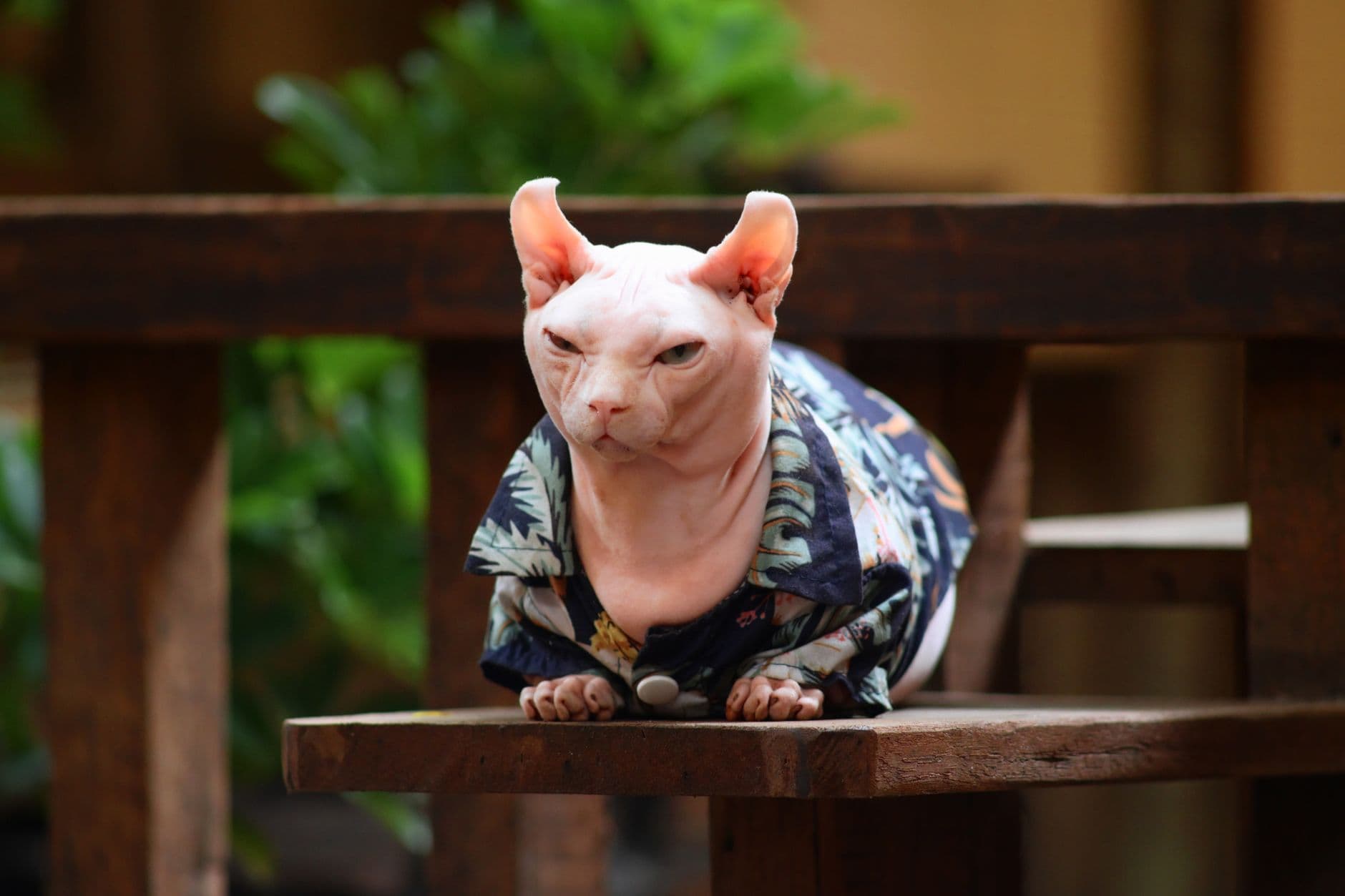
Sphynx Cat Care Guide
The Sphynx: The Cat That Rewrites Every Rule Everything about the Sphynx defies the standard cat ownership experience. It needs baths. It sunburns. It gets cold. It greets guests at the door. It follo
In This Guide
Overview
The Sphynx: The Cat That Rewrites Every Rule
Everything about the Sphynx defies the standard cat ownership experience. It needs baths. It sunburns. It gets cold. It greets guests at the door. It follows you to the bathroom. It eats more than a cat its size should logically require. It has dominated social media for over a decade. And despite appearing entirely hairless, it is not actually bald.
The Sphynx as we know it today emerged from a single hairless kitten named Prune born in Toronto in 1966 -- a spontaneous mutation in an otherwise normal litter. Breeders worked over subsequent decades to establish the gene, crossing to Devon Rex and other breeds to widen the genetic base and refine the type. The result is a cat with a distinctive appearance, an extroverted personality that is unusual in the cat world, and a care profile that is unlike any other breed in feline fancy.
Not Actually Hairless
The Sphynx is not necessarily bald: the Cat Fanciers' Association standard describes a body ranging from completely hairless to a covering of soft, peach-like fuzz, so both are correct for the breed. This is one of the most important corrections to make when describing the breed. The Sphynx is covered in a fine, soft, peach-fuzz down -- essentially a very short, sparse coat with no guard hairs. Running a hand over a Sphynx feels like running it over warm suede or a peach. The lack of visible hair is what creates the (hairless) impression, but the skin itself is covered in fine down that is visible in raking light and perceptible to touch.
The wrinkled skin is another defining feature -- the Sphynx has prominent skin folds around the muzzle, forehead, shoulders, and belly. These wrinkles are cosmetically dramatic and breed-defining, but they are also where oil, dirt, and debris accumulate, creating the primary grooming challenge unique to this breed.
The Personality Difference
Sphynx owners consistently describe the breed's personality using dog comparisons: they greet people at the door, follow owners from room to room, seek out the warmest body in the house, and initiate social contact with a frequency that surprises cat owners more accustomed to feline reserve. The breed is highly social, curious, vocal, and attention-seeking in a way that more closely resembles a dog's social structure than a typical cat's.
This extroversion is a genuine breed characteristic, not individual variation within the usual feline personality spectrum. A Sphynx that is alone for long periods can become anxious and distressed. Many Sphynx owners keep two cats for this reason, or ensure that a family member is home most of the day. The breed's social needs are real and should be factored into the ownership decision.
Social Media and Breed Reality
The Sphynx is one of the most photographed cat breeds on social media -- the unusual appearance, expressive face, and willingness to pose in human-like positions makes them natural content. This visibility has significantly increased demand for the breed. Potential owners drawn in by the visual novelty should be prepared for what is actually a high-maintenance companion with specific health risks, significant grooming needs, and genuine social requirements. The Sphynx is tremendously rewarding for the right owner -- and a significant mismatch for owners expecting a low-maintenance cat with an interesting appearance.
Daily Care
Daily Care for the Sphynx
Warmth Is a Non-Negotiable
Without a fur coat, the Sphynx loses body heat rapidly and is genuinely cold in environments that other cats would find comfortable. A household maintained at 70 to 72 degrees Fahrenheit is cool for a Sphynx. These cats seek the warmest spots in the house -- sunny patches, electronics that emit heat, under blankets, pressed against human bodies -- as a physiological need, not just a preference. Provide heated cat beds, blankets the cat can burrow into, and warm sleeping arrangements. In cooler climates, cat sweaters are not an affectation -- they serve a real thermoregulatory function for a cat with no insulation.
Skin Oil Management
The Sphynx produces the same amount of skin oil as any cat, but without fur to absorb and distribute it, the oil accumulates on the skin surface and in the skin folds. Left unmanaged, this buildup attracts bacteria and yeast, leads to skin infections, and creates a waxy, malodorous coating on the cat's skin. Weekly bathing is the management strategy -- more often for cats with prominent folds or individuals who produce more oil than average. Between baths, wipe visible oil from the skin surface with a soft damp cloth, particularly in the folds.
Ear Cleaning
Sphynx ears accumulate dark, waxy buildup at rates that regularly surprise owners. Without fur in and around the ear canal, the waxy secretion that all cats produce has nothing to cling to and accumulates freely at the canal opening and in the ear folds. Clean the ears weekly with a veterinarian-approved ear cleaner and cotton balls. Never insert anything into the ear canal -- clean only what is visible. Regular ear cleaning reduces the risk of yeast and bacterial ear infections that the breed is prone to.
Social Interaction
The Sphynx requires more active social engagement than most cat breeds. Two to three structured play sessions per day of 10 to 15 minutes, combined with the breed's own solicitation of attention, meets social needs for most individual Sphynx. Without adequate interaction, the breed can become anxious, vocal, or destructive. If you work long hours away from home, a companion animal -- ideally another Sphynx or a similarly social breed -- is strongly recommended.
Nutrition
Feeding Your Sphynx
Higher Caloric Needs
The Sphynx requires more calories per pound of body weight than most cats because maintaining body temperature without a fur coat requires more metabolic work. Sphynx owners are often told the breed needs markedly more calories than a coated cat. No published measurement of the breed's energy requirement supports a specific figure, so feed to body condition and let your vet set the target rather than working from a percentage. This increased caloric need is real and not a matter of a (greedy) cat -- underfed Sphynx cats lose body condition quickly.
Feed a high-quality, calorie-dense food and follow feeding instructions adjusted upward for the breed's higher metabolism. Monitor body condition monthly -- ribs should be palpable but not visible, with a small but visible waist from above. A Sphynx without visible ribs is trending toward overweight; a Sphynx with very prominent ribs and a noticeably hollow abdomen needs more food.
Meal Frequency
Feed adults twice daily at minimum. Many Sphynx owners find that three meals per day works better for maintaining consistent energy and body temperature -- smaller, more frequent meals support ongoing thermogenesis. This is especially relevant in cooler households.
Food Type and Quality
High-quality wet food supports hydration and provides accessible protein. Dry food is convenient but should not be the only food source for a cat that already loses body moisture to the environment at higher rates than coated breeds. A combination of wet and dry food, or wet food as the primary diet, works well for most Sphynx.
Look for named protein sources (chicken, turkey, salmon) as the first ingredient. The Sphynx's higher metabolic rate means the quality of the food directly impacts coat condition (yes, even the sparse down benefits from adequate nutrition), skin health, and energy levels.
Skin Health and Nutrition
Omega-3 fatty acid supplementation (fish oil) supports skin barrier function and may reduce oil overproduction in individuals with particularly oily skin. If you are considering an omega-3 supplement for skin condition, ask your vet for the dose and the review interval — both depend on the cat's weight and diet.
Exercise
Exercise and Enrichment for the Sphynx
Activity Level
The Sphynx is an active, athletic cat with energy that exceeds most other breeds. The combination of a lean, muscular body, social drive, and high curiosity means this cat is in near-constant motion during waking hours. Unlike the more sedentary British Shorthair or Persian, a Sphynx does not need to be encouraged to move -- it needs appropriate outlets for the movement it is going to do regardless.
Play Requirements
Two to three active play sessions of 10 to 15 minutes per day is the baseline. The Sphynx excels at interactive play with wand toys, plays fetch spontaneously more often than most cats, and engages enthusiastically with toy rotations. Puzzle feeders provide mental engagement alongside the physical element of working for food. Without adequate play, Sphynx cats redirect their energy into climbing furniture, bothering other pets, and vocal demands for attention.
Climbing and Vertical Space
Despite no fur, Sphynx cats are capable and enthusiastic climbers. Cat trees, wall-mounted shelves, and window perches allow them to use their athleticism appropriately. The Sphynx particularly appreciates warm elevated spots -- a cat tree near a south-facing window combines the climbing opportunity with the sunbathing the breed loves, though sun exposure must be managed carefully (see Health section).
The Social Component of Exercise
For Sphynx cats, play is also a social activity. They engage more enthusiastically with interactive toys (wand toys, toys thrown by a human) than with solo toys, and the play session itself serves the social need as much as the physical one. Scheduled interactive play is more valuable than leaving toys available.
Companion Animals
Many Sphynx owners find that having a second cat -- or occasionally a cat-friendly dog -- provides ongoing social stimulation and play that supplements human interaction. The breed's social needs are high enough that a companion animal genuinely improves quality of life for Sphynx cats in households where humans are away regularly.
Grooming
Grooming the Sphynx
The Weekly Bath
The Sphynx is the only cat breed for which regular bathing is genuinely necessary, not optional. Without fur to absorb and distribute skin oil, the oil accumulates on the skin surface and in the wrinkles, creating a tacky or waxy coating that attracts debris, bacteria, and yeast. Left unbathed, a Sphynx develops an unpleasant odor and becomes prone to skin infections.
Bathe weekly or every ten days. Use a gentle, fragrance-free cat shampoo designed for sensitive skin. Avoid human shampoos -- the pH is wrong for feline skin and will cause irritation. Introduce bathing from kittenhood so the cat accepts it as a normal part of life. Many Sphynx that are routinely bathed from early age become comfortable with -- or even enjoy -- the process.
Dry the cat completely after bathing. A Sphynx that exits the bath wet and cold is at risk of becoming dangerously chilled. Use warm towels and a low-heat blow dryer on pet-safe setting. Keep the cat in a warm room until fully dry.
Skin Fold Care
The wrinkles -- particularly around the muzzle, behind the ears, under the chin, in the armpits, and around the groin -- accumulate oil and dirt between baths. Wipe these areas with a soft, damp cloth two to three times per week. Do not use alcohol-based wipes, which dry the skin and cause irritation. Unscented baby wipes or cat-specific wipes work well for between-bath maintenance.
Ear Cleaning Protocol
Clean ears weekly. Apply a few drops of veterinarian-approved ear cleaner, massage the base of the ear gently, and then wipe the visible wax from the inner ear with a cotton ball. The buildup in Sphynx ears is typically brown-black and substantial compared to coated cats -- this is normal but must be managed consistently to prevent infection.
Nail Care
Trim nails every two weeks. Without fur between the toes, Sphynx toes accumulate a dark waxy buildup in the grooves -- wipe this out at each nail trim with a damp cotton swab. Provide scratching surfaces appropriate to the breed's active scratching behavior.
Health
Sphynx Health: What Every Owner Must Understand
Hypertrophic Cardiomyopathy (HCM)
HCM -- thickening of the heart muscle that impairs cardiac function -- is the most serious health concern in Sphynx cats, and it is common: a New Zealand screening study of 55 Sphynx found hypertrophic cardiomyopathy in 40% of them, at a median age of 5.8 years. This is significantly elevated compared to the general cat population. HCM can lead to blood clot formation (aortic thromboembolism -- a sudden, painful event that causes paralysis), congestive heart failure, and sudden cardiac death.
Annual cardiac screening via echocardiogram performed by a board-certified veterinary cardiologist is the standard of care for Sphynx cats. Responsible breeders screen all breeding cats annually. As an owner, schedule a baseline cardiac echo at 2 years of age and annually thereafter. Catching HCM before clinical signs matters, because it gives a cardiologist the chance to plan treatment early. Which medications suit a given cat is a decision for that specialist, based on the echocardiogram — the Cornell Feline Health Center describes echocardiography as the gold standard for diagnosis.
Hereditary Myopathy
A muscular dystrophy-like condition affects some Sphynx bloodlines. Affected cats develop progressive muscle weakness, difficulty swallowing, exercise intolerance, and abnormal posture. Onset is typically before 1 year of age. There is no treatment; supportive care focuses on quality of life. Genetic research is ongoing, and responsible breeders work to eliminate carriers from breeding programs. Ask breeders about their lines' history with myopathy.
Skin Infections
The combination of skin folds and oil accumulation creates conditions where bacteria and yeast can proliferate if grooming is neglected. Malassezia yeast dermatitis -- causing a brown waxy coating, odor, and itching -- is the most common skin infection in poorly maintained Sphynx. Treatment involves antifungal shampoos and, in severe cases, oral antifungals. Consistent skin care reduces the risk, but it does not eliminate it, and a cat whose skin turns waxy or inflamed despite it needs cytology to identify what is actually growing there.
Sun Sensitivity
The fine down covering the Sphynx offers essentially no UV protection. A Sphynx that sunbathes in direct sun through a window can sunburn. Limit direct sun exposure to short periods; provide shaded areas near windows where the cat can have the warmth without the UV exposure. Outdoor Sphynx cats are at significant sunburn risk -- the breed is not appropriate for outdoor-only living.
Costs
The Cost of Owning a Sphynx
Purchase Price
Sphynx kittens from health-testing breeders in the United States typically cost $1,500 to $3,500. The breed's popularity and the relative scarcity of reputable breeders (compared to more common breeds) keeps prices elevated. Avoid breeders who do not cardiac-screen breeding cats -- HCM prevalence makes this non-negotiable. Rescue Sphynx are available through breed-specific organizations for $200 to $500 in adoption fees.
Annual Veterinary Costs
Budget $500 to $800 per year for routine care. Cardiac screening (annual echocardiogram) runs $300 to $600 per session and is a recurring annual expense for the life of the cat. HCM management, if the cat develops the condition, adds $500 to $1,500 or more per year for medications and monitoring echos. Pet insurance purchased before any diagnosis typically costs $40 to $70 per month for a Sphynx and can provide significant financial protection.
Grooming
Grooming costs for the Sphynx are primarily product costs and time, not professional service costs (Sphynx are generally not sent to professional groomers). Cat shampoo ($15 to $25 per bottle, lasting several months with weekly bathing), ear cleaner ($10 to $15 per bottle), cat wipes ($15 to $25 per package), and occasional nail trimming supplies add up to approximately $30 to $60 per month in consumables.
Heating and Comfort
Heated cat beds ($40 to $80 each), blankets, and potentially cat sweaters ($15 to $30 each) are investments in the cat's thermoregulatory comfort. Households in cooler climates may see a slight increase in heating costs from keeping the home warmer than they otherwise might.
Food
The Sphynx's higher caloric needs mean slightly higher food costs than a coated cat of similar size. Budget $50 to $90 per month on a quality wet-and-dry combination diet, or $600 to $1,080 annually.
Total First-Year Estimate
Including purchase, setup, veterinary care with cardiac screening, food, and grooming supplies, budget $4,000 to $8,000 in the first year. Subsequent years without major health events run $2,500 to $5,000, with cardiac screening and monitoring as the primary recurring premium cost.
Frequently Asked Questions
Is there a DNA test that tells me whether my Sphynx will develop HCM?
No test does that yet. Langford Vets, at the University of Bristol, lists feline HCM DNA tests for Maine Coon and Ragdoll only, and those MYBPC3 variants say nothing about a Sphynx. A Sphynx-linked ALMS1 variant exists, but a 2024 screening study of Sphynx cats in New Zealand reported it "was not associated with HCM in the present study". Treat a clean DNA panel as no evidence of a healthy heart, and book the echocardiogram anyway.
My Sphynx had a normal heart scan at two. Is she in the clear for life?
No. That same New Zealand cohort found HCM in 40 percent, twenty of fifty-five cats, at a median age of 5.8 years, so the disease commonly declares itself long after a young adult scan reads normal. The Cornell Feline Health Center calls echocardiography the gold standard for diagnosing it. Keep re-scanning on the interval your cardiologist sets instead of treating one clear result as a lifetime pass.
Can the muscle weakness that runs in some Sphynx lines be tested for before I buy a kitten?
Yes, and this is the one Sphynx condition where a DNA test is decisive. Langford Vets offers a congenital myasthenic syndrome test for Devon Rex and Sphynx cats; the PLOS One team that mapped it traced the disease to a COLQ variant inherited recessively, so a kitten needs two copies to be affected. Langford puts onset at "3 to 23 weeks of age". Ask the breeder for both parents' results in writing.
Are Sphynx cats hypoallergenic because they have no fur?
No. VCA flags it directly: "Common misconception is that this breed is hypoallergenic due to its lack of coat." Fel d 1, the protein behind most cat allergy, is produced in the salivary and sebaceous glands, then spread by grooming and shed skin. Bare skin removes the fur that ferries the allergen around a room, not the gland that makes it. Spend time with an adult Sphynx before you commit.
How often does a Sphynx actually need bathing, and what if the skin still turns waxy?
No published trial sets a cadence. VCA suggests daily sponging plus weekly ear cleaning, which is gentler than a hard weekly bath. A veterinary dermatology review notes that Sphynx and Devon Rex cats carry Malassezia yeast heavily and develop a generalised seborrhoeic dermatitis. Persistent greasiness, odour or scratching is something your vet diagnoses from skin cytology, so book the appointment rather than bathing harder.
Sources
This guide draws on the following published references. Each opens in a new tab so you can check it against what you have read here.
Cat Fanciers' Association (CFA)
Sphynx Breed Standard (Show Standard)(opens in a new tab)Cat Fanciers' Association
Sphynx — breed standard and profile(opens in a new tab)ASPCA
General Cat Care(opens in a new tab)Langford Vets, University of Bristol
Maine Coon Hypertrophic Cardiomyopathy (MC-HCM)(opens in a new tab)Langford Vets, University of Bristol
Congenital Myasthenic Syndrome (CMS)(opens in a new tab)PLOS One (via PubMed Central)
A COLQ Missense Mutation in Sphynx and Devon Rex Cats with Congenital Myasthenic Syndrome(opens in a new tab)Animals, MDPI (via PubMed Central)
Prevalence of Hypertrophic Cardiomyopathy and ALMS1 Variant in Sphynx Cats in New Zealand(opens in a new tab)Cornell Feline Health Center, Cornell University College of Veterinary Medicine
Hypertrophic Cardiomyopathy(opens in a new tab)VCA Animal Hospitals
Sphynx(opens in a new tab)Frontiers in Cellular and Infection Microbiology (via PubMed Central)
Malassezia Yeasts in Veterinary Dermatology: An Updated Overview(opens in a new tab)PubMed Central
Innovative Strategies to Reduce Exposure and Expression of the Major Cat Allergen Fel d 1(opens in a new tab)Merck Veterinary Manual
Routine Health Care of Cats(opens in a new tab)Langford Vets, University of Bristol
Genetic Disease and Trait Tests(opens in a new tab)
Affiliate disclosure: We may earn a commission from qualifying purchases. This doesn't affect our recommendations.
Recommended Products
Get personalized pet care tips
Join our newsletter for breed-specific advice, care guides, and expert tips delivered weekly.
No spam, ever. Unsubscribe anytime.