
Hairless group
Sphynx
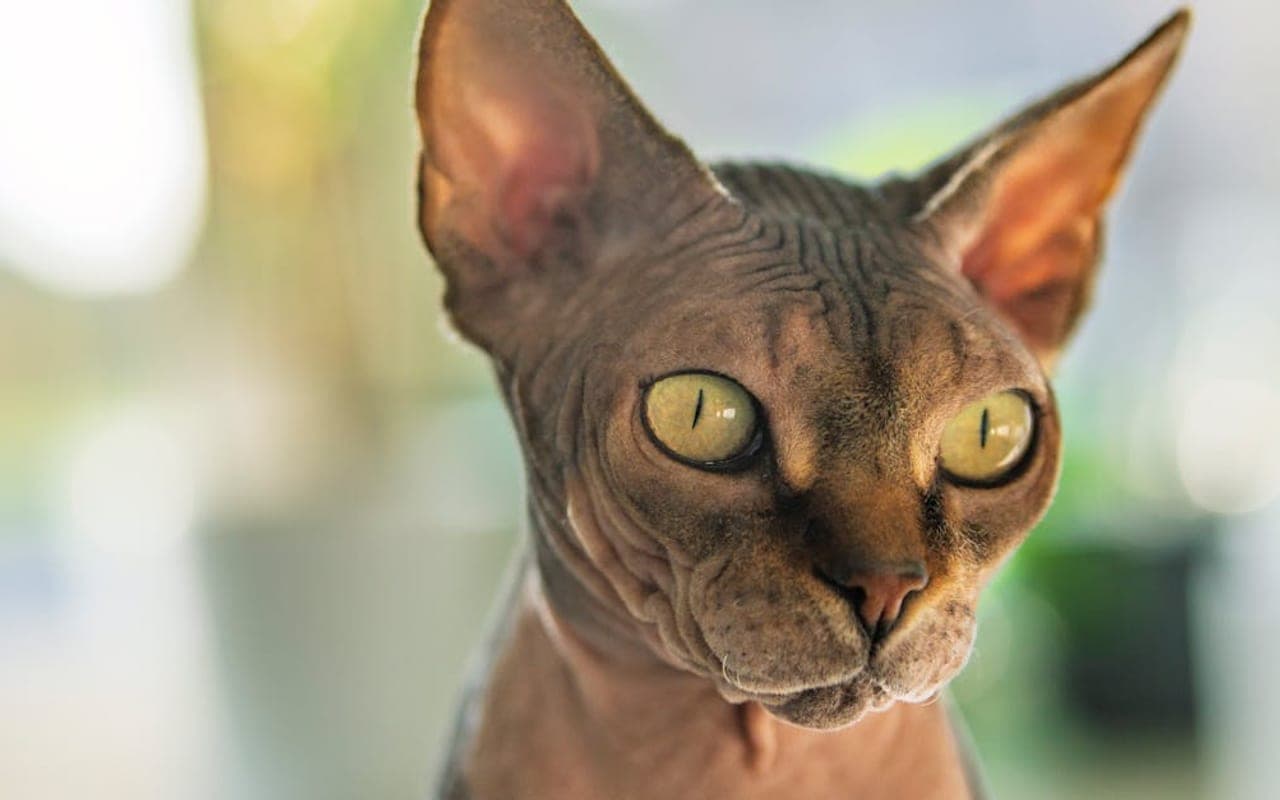
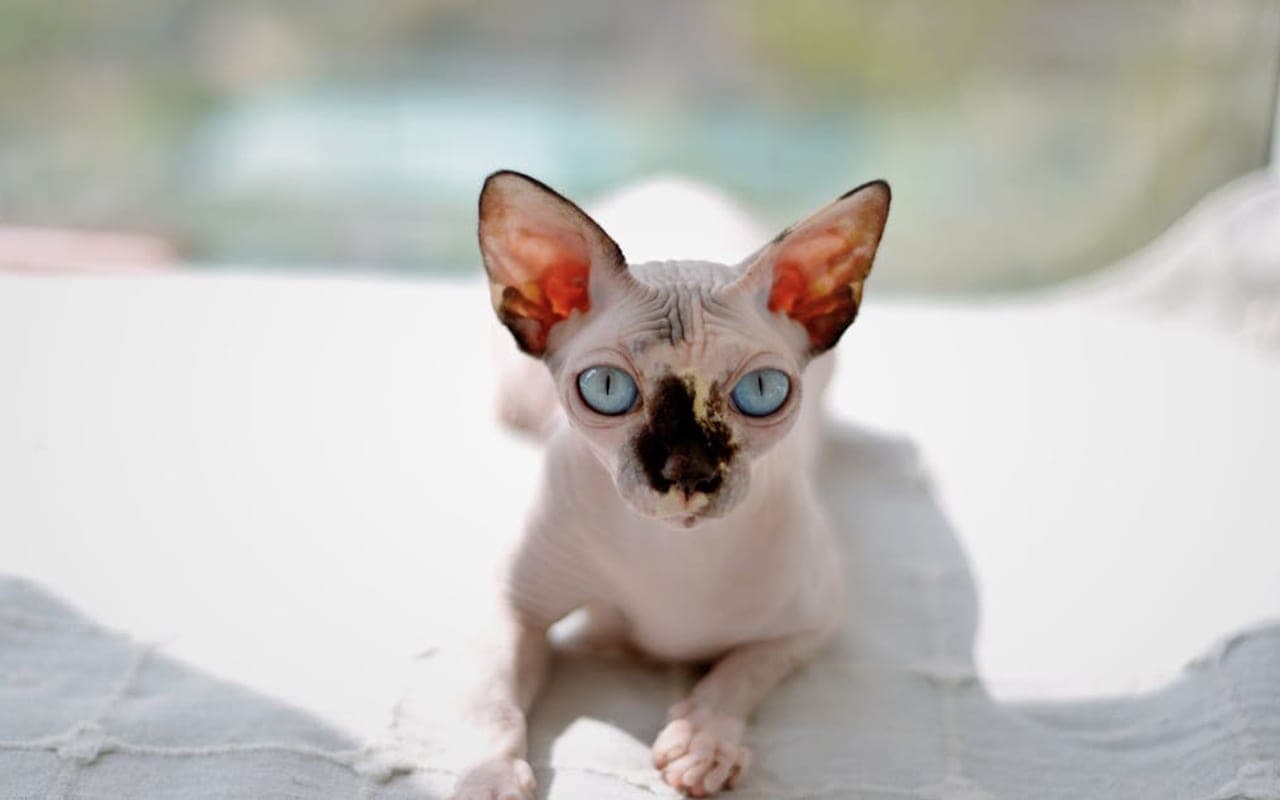
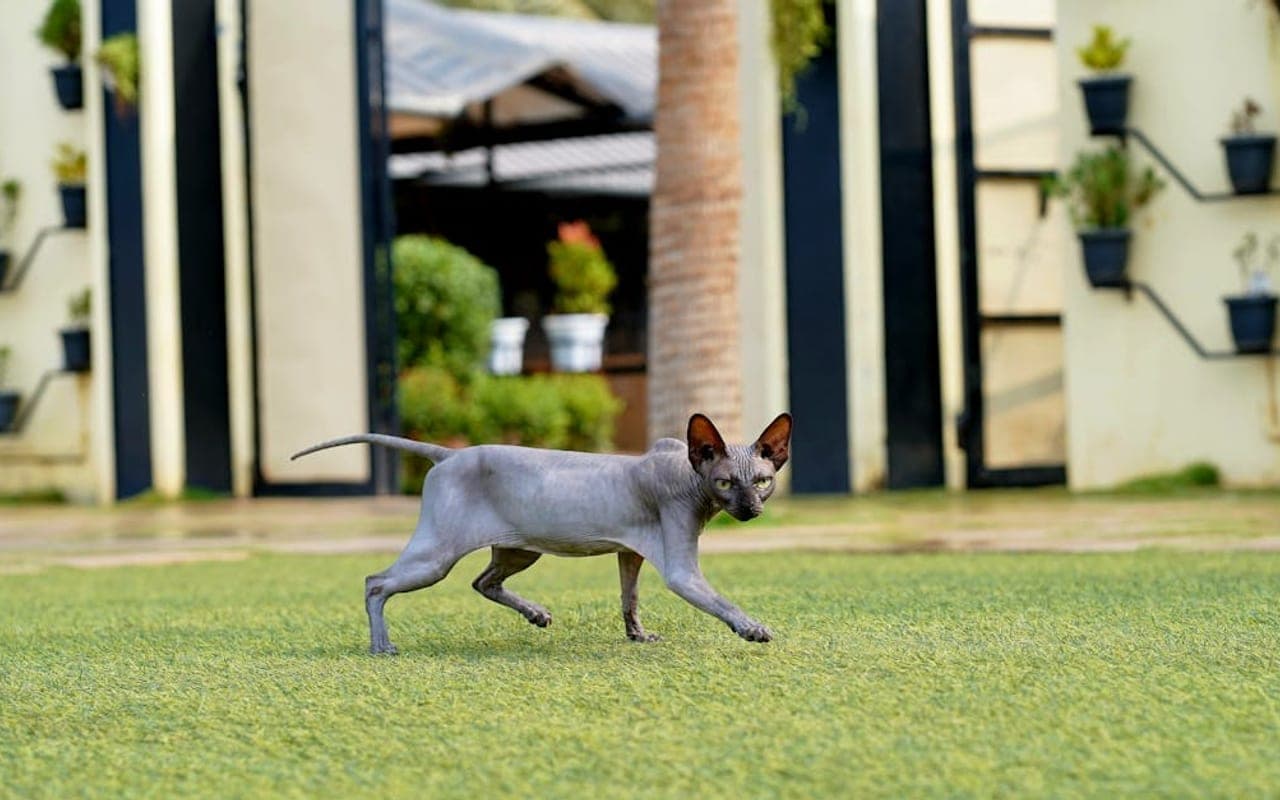
The Sphynx is the famously hairless cat — and the missing coat is exactly why this is a higher-maintenance cat than its appearance suggests, not a lower-maintenance one.
Size
7-12 lb
Lifespan
12-14 years
Play
15-30 minutes
Shedding
Low
Experience
Match to owner routine
Decision first
Is a Sphynx right for you?
Start with fit before history or trivia. These are ownership signals, not guarantees about any individual cat.
Best suited for
- Households with children.
- Homes with other compatible pets.
- Apartment homes with a consistent routine.
- Owners seeking a manageable indoor routine with predictable care.
Think carefully if
- You need a cat with almost no daily routine.
- You cannot keep up with grooming and preventive care.
- The cat will spend most days without interaction or enrichment.
Conditional fit
Apartment fit depends on vertical space, litter setup, play, enrichment, and noise tolerance.
Daily reality
Sphynx commitment snapshot
Daily play
15-30 minutes
Match play and enrichment to age, health, appetite, and household routine.
Coat care
Low
Grooming needs vary by coat, shedding, and lifestyle.
Social needs
Needs planning
Most cats still need predictable contact, enrichment, litter care, and monitoring.
Structured facts
Sphynx at a glance
The measurements and traits that most affect day-to-day life with this breed.
Origin
Canada
Group
Hairless
Weight
7-12 lb
Height
8-12 in
Lifespan
12-14 years
Temperament
Loyal | Inquisitive | Friendly | Quiet | Gentle
View all characteristics and methodology
Lifestyle fit
- Apartment suitabilityWorks best with clean litter setup, vertical space, and daily enrichment.
- Likely fit
- Child friendliness
- Often good, with socialisation and supervision
- Other-pet fit
- Often compatible with careful introductions
- Adaptability
- Very high
Owner commitment
- Daily play
- 15-30 minutes
- Grooming
- Low
- Shedding
- Low
- Indoor enrichment
- Moderate
Behavior
- Affection
- Very high
- Energy
- Moderate
- Vocalization
- Very high
- Social needs
- Very high
Environment and health
- Intelligence
- Very high
- Health risk
- Needs planning
- Weight sensitivity
- Routine monitoring
Ratings combine structured breed data, visible breed fields, and editorial context. They are planning aids, not predictions for an individual cat.
Daily life
Sphynx temperament and behavior
The Sphynx is the famously hairless cat — and the missing coat is exactly why this is a higher-maintenance cat than its appearance suggests, not a lower-maintenance one. People assume no fur means no grooming. The opposite is true: without hair to wick away the natural skin oils a cat produces, that oil builds up on the skin and in the nail beds and ear canals, so a Sphynx needs regular bathing and cleaning for its entire life. Any honest profile has to correct that 'no fur, no work' assumption first, because it is the single most common reason owners are caught out. In personality the Sphynx is exceptional and is the real reason to own one. They are intensely affectionate, people-driven, extroverted, playful, and dog-like — they follow you everywhere, demand lap time and bed-sharing, greet visitors, and are often described as needing constant companionship. They are intelligent, mischievous, vocal, and warmth-seeking (they will burrow under blankets and into your clothing because they genuinely run warm-skinned and feel the cold). They do poorly left alone for long periods and are happiest in a busy household, often with another pet. The trade-offs are concrete. The skin needs weekly bathing and routine ear and nail-bed cleaning; the lack of coat means sunburn risk, cold sensitivity, and the need for a warm home; and the breed carries a serious cardiac risk that responsible breeding screens for. The food bill is also higher — the high skin metabolism means many Sphynx eat more than a coated cat of the same size. Who the Sphynx is right for: an attentive, often-home owner who wants a deeply interactive companion and will commit to weekly skin care and a warm environment. Who it is wrong for: someone wanting a low-maintenance, independent, or low-cost cat. Decide on the bathing-and-heart-care commitment first; the personality is the reward, not the whole story.
Loyal | Inquisitive | Friendly | Quiet | Gentle
Loyal
A common Sphynx temperament descriptor that should be interpreted alongside enrichment, handling, and household fit.
Inquisitive
A common Sphynx temperament descriptor that should be interpreted alongside enrichment, handling, and household fit.
Friendly
A common Sphynx temperament descriptor that should be interpreted alongside enrichment, handling, and household fit.
Quiet
A common Sphynx temperament descriptor that should be interpreted alongside enrichment, handling, and household fit.
Owner note
Temperament labels are starting points, not guarantees. Meet the individual cat and ask about behavior history whenever possible.
Care essentials
How to care for a Sphynx
What looking after one actually involves: play, grooming, food, litter, and routine health.
ExerciseAs needed
- Moderately active breed that enjoys regular play sessions and exploration. Provide toys and occasional interactive games.
GroomingAs needed
- Low-maintenance coat requiring weekly brushing. Occasional bathing as needed.
NutritionAs needed
- Feed a high-quality cat food appropriate for their age and activity level. Maintain fresh water at all times. Monitor weight to prevent obesity.
SocializationAs needed
- Highly social breed that thrives on companionship. Does not do well left alone for extended periods. Consider a companion pet.
Veterinary CareAs needed
- Annual wellness exams, vaccinations, dental checkups, and parasite prevention. Spay/neuter recommended if not breeding.
Health planning
Sphynx health risks and screening
Every cat breed has individual health variation. Use this profile for planning and discuss medical decisions with a veterinarian.
Ownership cost
How much does a Sphynx cost?
Cost figures are structured so first-year and lifetime estimates do not conflict with the underlying line items.
| Acquisition | $1,500-$6,000 |
|---|---|
| Routine monthly | About $100/month |
| Routine annual | About $1,200/year |
| First-year estimate | $2,700-$7,200 |
| Lifetime routine estimate | $14,400-$16,800 routine costs |
Currency: USD. Region: United States. Typical ranges for this breed. Equipment, insurance, emergency veterinary care, boarding and training are NOT included: we hold no sourced figures for them, and estimating them would be a guess presented as data.
Responsible ownership
Finding a Sphynx responsibly
What to ask a breeder or rescue is the same conversation for every breed, so we keep it in one place and keep it current.
Health documentation, meeting the parents or foster, contracts and return support, and the warning signs worth walking away from.
Original purpose
Sphynx history
History is useful when it explains today's behavior, coat, exercise needs, and training style.
Read the breed history
Hairlessness in cats is a natural recessive mutation that has appeared sporadically for centuries, but the modern Sphynx breed traces to a small number of hairless kittens born to ordinary domestic cats in Canada beginning in the 1960s, with a foundational hairless kitten born in Toronto in 1966 and further foundation cats found in the 1970s and 1980s in Canada and the United States. Breeders outcrossed these hairless cats to coated breeds — notably the Devon Rex — to widen the gene pool and improve health and temperament, then bred back toward the hairless type. The breed was named Sphynx for its resemblance to ancient Egyptian sculpture, though it has no actual connection to Egypt. This origin matters practically: because the breed was built from a very small founding population and deliberately outcrossed for health, conscientious breeding and genetic screening — especially for the heart condition the breed carries — are central to the breed's welfare rather than optional refinements.
Gallery
Sphynx photos
Images are cropped consistently and loaded progressively to keep the page responsive.
Lower-page context
Sphynx cats in culture
Where the breed shows up in film, sport, work and folklore — the enjoyable part, once the practical questions are answered.
Fun facts
- The Sphynx originated in Canada.
- Sphynx cats are considered one of the most intelligent cat breeds.
- Sphynx cats are known for being very vocal and communicative with their owners.
- The Sphynx is considered a hypoallergenic breed, producing fewer allergens than most cats.
- Despite being hairless, the Sphynx still requires regular bathing to remove skin oils.
Sphynx FAQs
Are Sphynx cats hypoallergenic?
No — this is the breed's biggest myth. Cat allergies are mainly caused by a protein (Fel d 1) in saliva and skin secretions, not by fur, and Sphynx cats still produce it. Because they are bathed often and have no coat to trap dander, some allergy sufferers tolerate them slightly better, but many do not. If allergies are your reason for considering the breed, spend extended time with an adult Sphynx before committing rather than assuming hairless means allergen-free.
Do Sphynx cats really need baths?
Yes — regular bathing is the single defining care task, not optional. With no fur to absorb the oil their skin produces, Sphynx develop greasy, sticky skin and leave brown residue on furniture and bedding if not bathed. Most need a gentle bath every one to two weeks plus ear and nail-bed cleaning. People who choose the breed expecting zero grooming are consistently surprised; budget the time and start the routine in kittenhood.
How long do Sphynx cats live?
Sphynx cats typically live 12-14 years. The figure that matters more than the average is heart health: the breed's predisposition to hypertrophic cardiomyopathy is the main factor that cuts lives short, and it often shows no early symptoms. Buying from a breeder who screens breeding cats with regular cardiac ultrasounds, plus your own watchfulness for breathing changes and lethargy, is what most influences whether a Sphynx reaches the upper end of that range.
Are Sphynx cats high-maintenance?
Yes, but the work is different from what people expect. There is no shedding or coat care, but there is weekly bathing, regular ear and nail-bed cleaning, sun and cold protection, a warm home, a higher food intake from their fast skin metabolism, and dental care. Emotionally they are also demanding — they need a lot of attention and do badly left alone. 'Low-maintenance hairless cat' is a misconception; budget both the time and the cost.
Why is my Sphynx always seeking warmth and food?
Both are normal and physiological. With no insulating coat, a Sphynx loses body heat quickly, so it genuinely feels cold and burrows into blankets, clothing, and laps to stay warm — this is comfort-seeking, not neediness. The high skin metabolism that keeps it warm also burns more energy, so many Sphynx eat noticeably more than a coated cat of the same size. Provide warm resting spots and feed measured meals while monitoring weight monthly.
Can a Sphynx be left alone while I work?
Not comfortably for long. The Sphynx is one of the most people-dependent cat breeds — it is extroverted, attention-seeking, and prone to stress, boredom, and destructive or anxious behaviour when left alone for long stretches. Many owners keep a second pet specifically as company. If your household is empty most of the day, this is a genuine mismatch worth weighing before adopting; a more independent breed is the kinder choice for a frequently-absent home.
Sources
These are the published sources this page draws on. Each opens in a new tab so you can check it yourself.
Cat Fanciers' Association
Sphynx — breed standard and profile(opens in a new tab)Supports: Breed standard and recognition details.
Similar breeds to consider
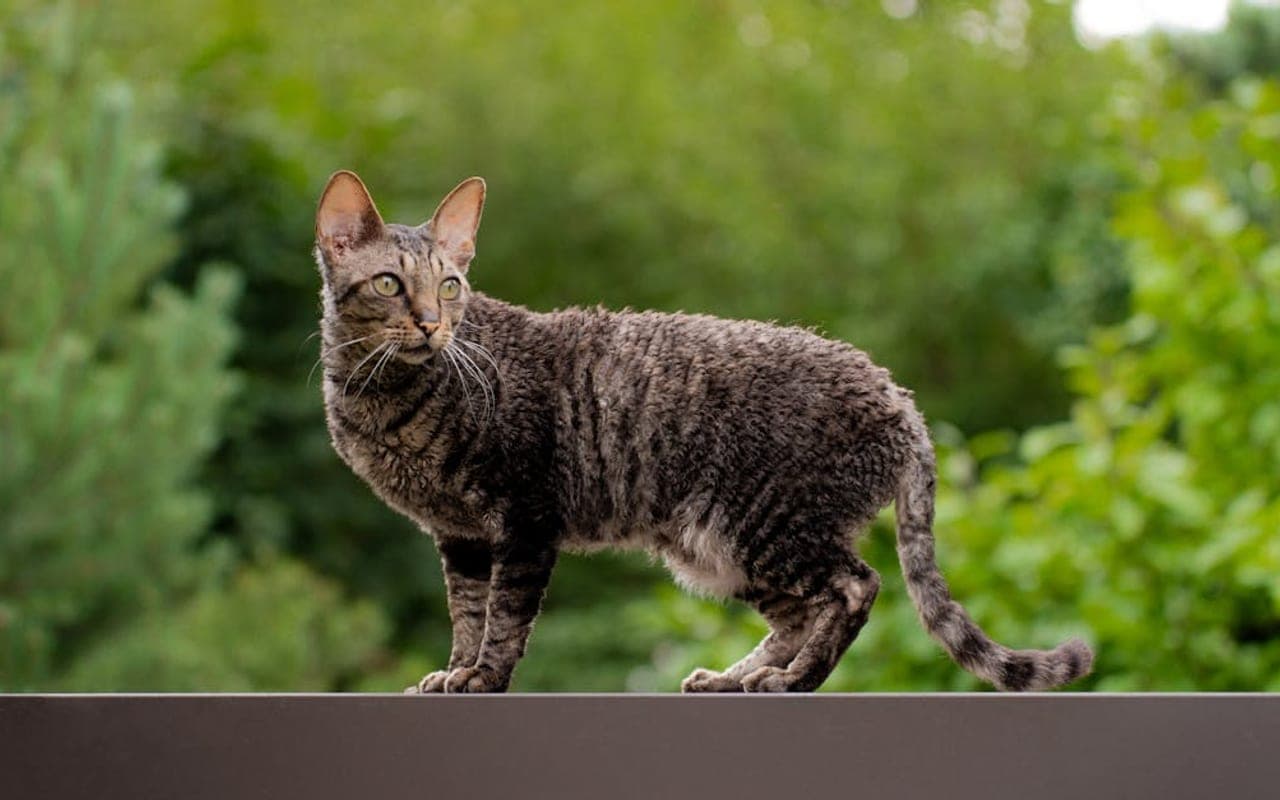
Donskoy
Also in the Hairless group, with different care and temperament tradeoffs.
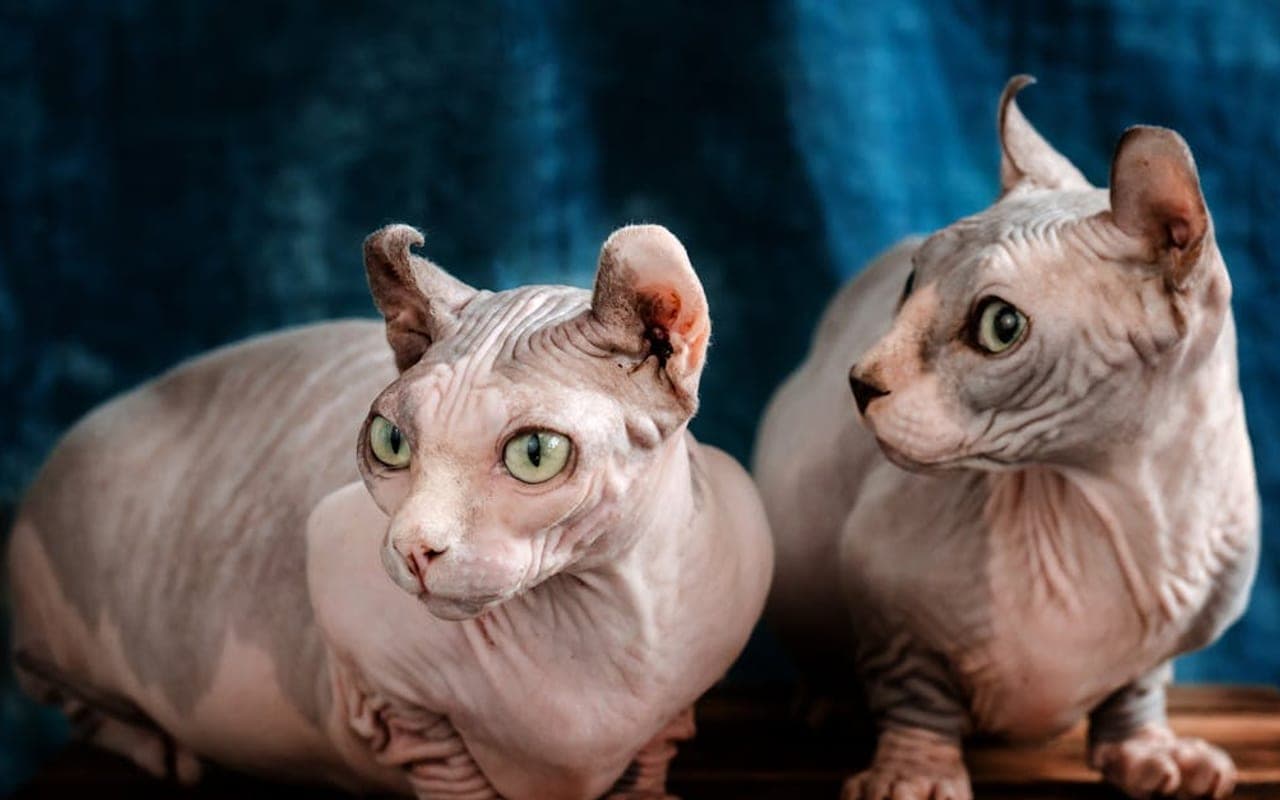
Bambino
Also in the Hairless group, with different care and temperament tradeoffs.
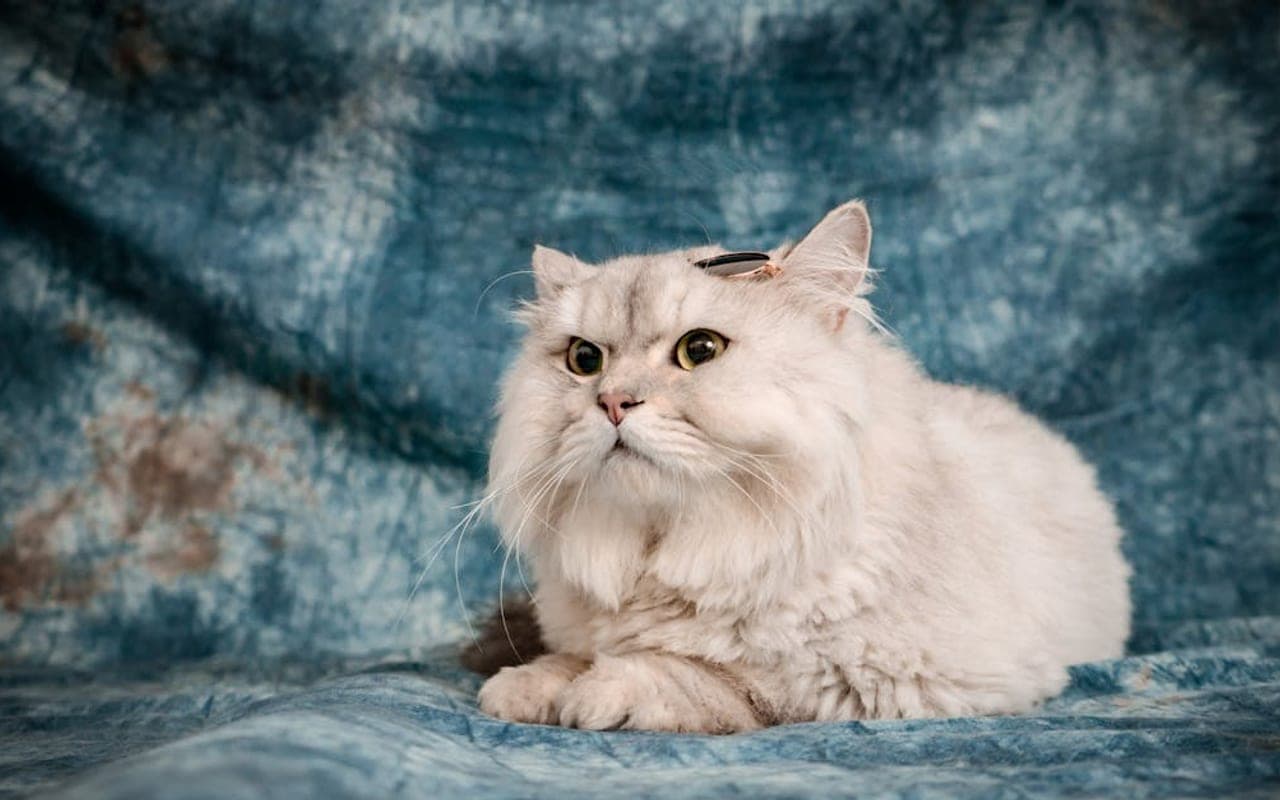
Persian
Compare size, exercise, grooming, and family fit before deciding.
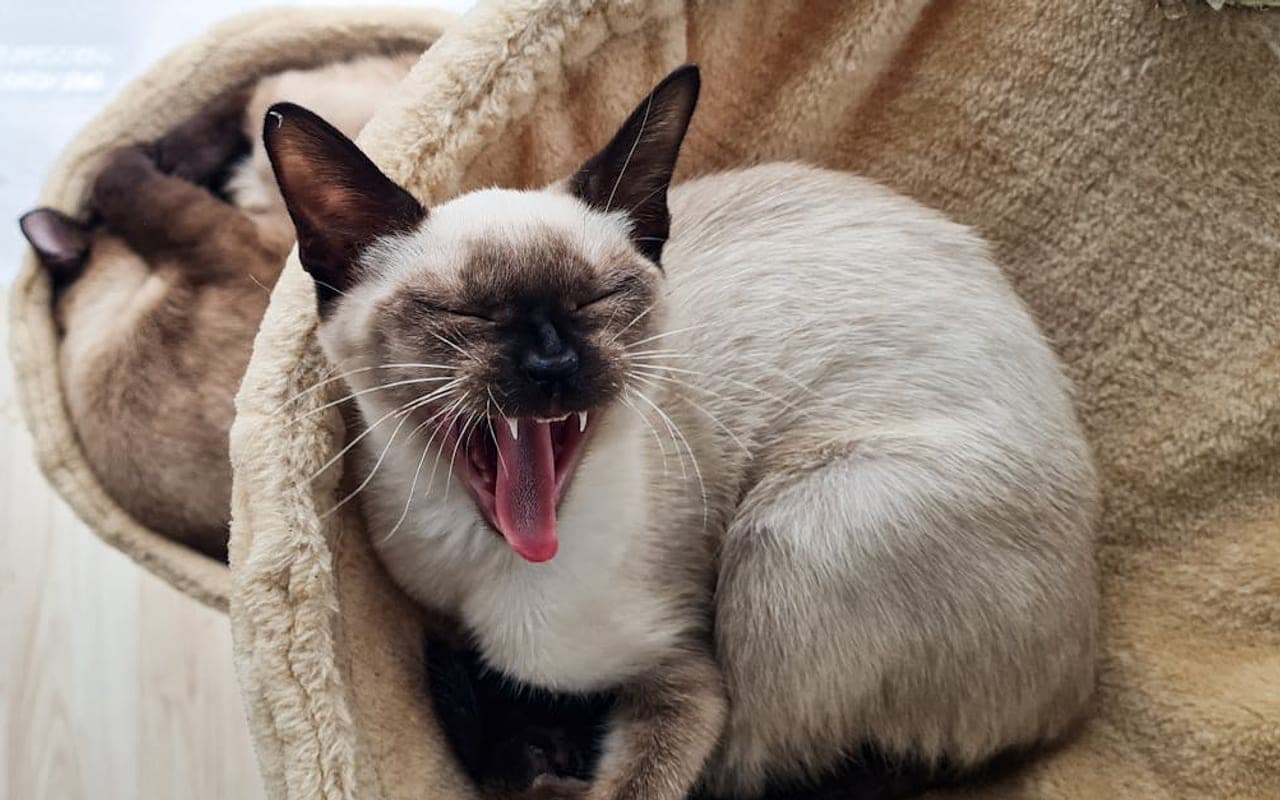
Siamese
Compare size, exercise, grooming, and family fit before deciding.
Explore More About Sphynx
Dive deeper into everything Sphynx — costs, care, and expert insights.
How Much Does a Sphynx Cost?
Purchase price, monthly costs, and lifetime expenses
Sphynx Cat Care Guide
Everything about the Sphynx defies the standard...
Considering a dog instead?
Browse Dogs