Tornjak Care Guide
The Tornjak at a Glance The Tornjak is a large livestock-guardian dog from the mountains of Bosnia and Herzegovina and Croatia, where shepherds bred it to live alongside flocks and turn back wolves an
In This Guide
Overview
The Tornjak at a Glance
The Tornjak is a large livestock-guardian dog from the mountains of Bosnia and Herzegovina and Croatia, where shepherds bred it to live alongside flocks and turn back wolves and bears. Written records of a guardian dog of this type in the region reach back centuries, with descriptions attributed to a Bishop of Đakovo in 1374; the modern breed, however, is a deliberate recovery. As nomadic transhumance herding faded, the population thinned to the point of near-disappearance, and Bosnian and Croatian cynologists ran an organized survey from the early 1970s, with pure-blood breeding from a genetically homogeneous base of surviving landrace shepherd dogs beginning in 1978. The Fédération Cynologique Internationale gave the breed provisional recognition in 2007 and adopted the definitive standard, FCI Standard No. 355, in 2017, placing it in Group 2, Section 2.2 (Mountain type).
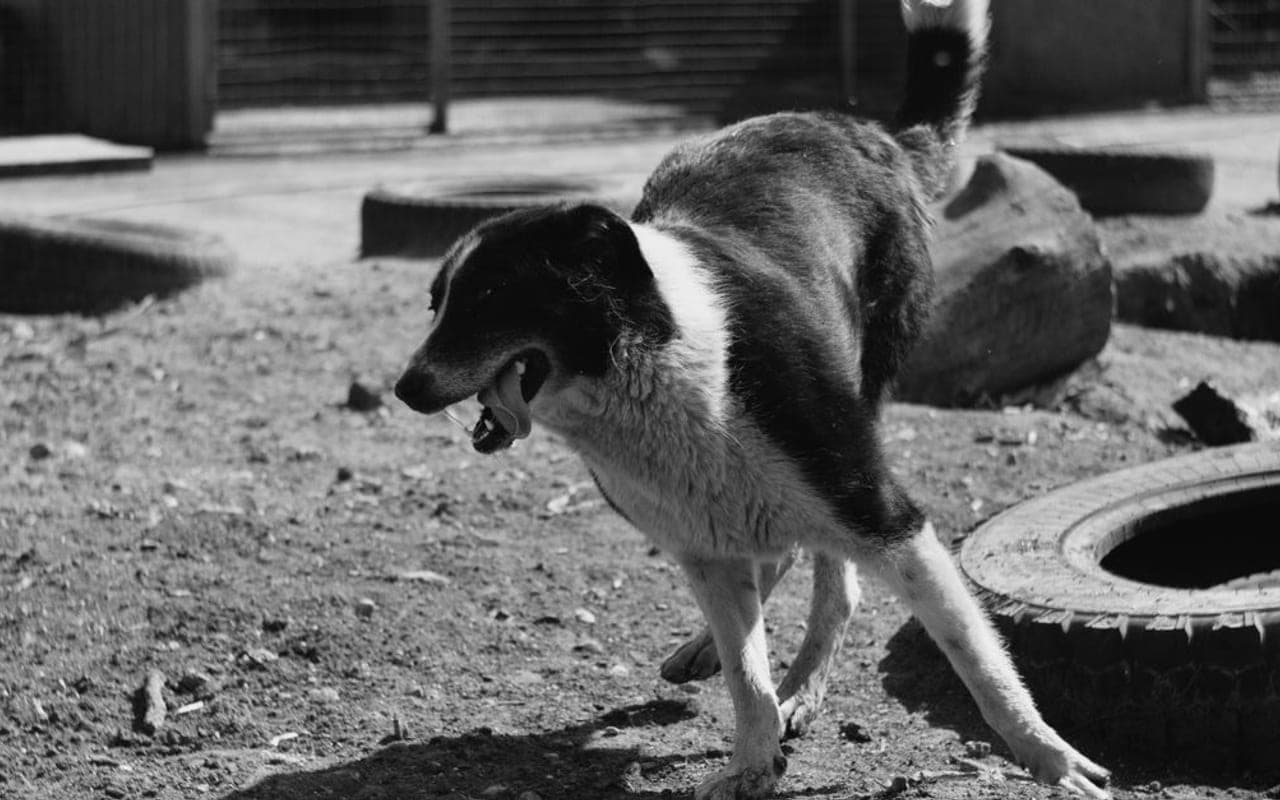
This is a substantial dog built for weather and distance rather than speed. The FCI standard puts males at roughly 65–70 cm at the withers and females at 60–65 cm, with males commonly around 40–50 kg. The coat is a dense double coat that, per the standard, "cannot be parted," with short hair over the face and legs and markedly longer hair forming a mane on the neck and breeches on the thighs, usually white with black, grey, or tan markings.
Temperament follows the working history rather than any show fashion. The Tornjak is calm and self-contained at rest, but vigilant, territorial, and independent by design, because a dog left to mind livestock overnight had to make its own decisions without a handler. It is loyal and affectionate with its own people and reserved, watchful, and suspicious toward strangers rather than reflexively aggressive. That independence means it responds to respectful, consistent handling and early socialization far better than to repetitive obedience drilling, and it is happiest with a job, space, and a family it regards as its flock.
Exercise
Exercise and Space for a Tornjak
The Tornjak is not a high-octane sporting dog, and understanding that saves owners a lot of frustration. As a livestock guardian, it was bred to patrol, watch, and conserve energy across long shifts rather than to run flat out, so its daily needs are moderate rather than relentless: think a couple of good walks and time to move and investigate its territory, not hours of forced cardio. This is also why the Tornjak makes a poor jogging or cycling partner. Its build and steady, patrolling temperament suit walking pace, and pushing a heavy guardian into sustained running loads the joints without matching how the breed is wired.
Where the Tornjak does have a strong requirement is space that is securely contained. A guardian's instinct is to expand and hold a territory, so an unfenced yard invites a dog that ranges off to "patrol" a perimeter of its own choosing and confronts whatever it meets. A large, well-fenced area is close to non-negotiable, and the fence must be tall and solid because a determined dog of this size can clear or push through flimsy boundaries. Keep public walks on a leash, both because the protective drive can switch on around unfamiliar dogs and people and because recall competes with an independent dog's own judgment about what needs guarding.
Mental work matters as much as mileage for this breed. A bored guardian with nothing legitimate to watch tends to invent jobs, which shows up as excessive barking, digging, or fixating on the fence line. Give the territorial instinct constructive outlets: sniff-led exploration walks, scatter-feeding and food puzzles, and calm, respectful training that rewards the dog for thinking, because an intelligent independent worker engages with problems more readily than with drills. A vantage point where it can survey its patch often settles a Tornjak better than another lap of exercise. And as with any large, fast-growing breed, keep exercise low-impact while a puppy's joints are still developing, and let a vet guide age-appropriate exertion.
Grooming
Grooming the Tornjak Coat
The Tornjak's coat is the feature that decides its grooming routine. The FCI standard describes a dense double coat that "cannot be parted," short over the face and legs but growing long into a mane around the neck and breeches on the upper thighs, with feathering on the backs of the legs and a well-furred tail. This is insulation engineered for a dog that once slept out with the flock through Balkan mountain winters, so the goal of grooming is to keep that insulation working rather than to reshape it.
Plan on a thorough brushing about once a week for most of the year, because the harsh outer coat sheds dirt well but the soft undercoat traps it and will pack into mats where the longer hair concentrates. Work with a slicker brush and an undercoat rake through the mane, the breeches, behind the ears, the armpits, and the tail feathering, since those friction points knot first and a hidden mat can trap moisture against the skin. Brushing all the way down to the skin, not just over the surface, is what actually prevents matting, because the double coat can look tidy on top while felting underneath.
Twice a year, typically spring and autumn, the Tornjak "blows" its undercoat and sheds heavily in clumps; during those weeks daily brushing clears the dead undercoat so air can reach the skin. Do not shave or trim this coat down, because on a double coat clipping does not keep the dog cooler and can leave the undercoat growing back unevenly, stripping insulation that also shields against sun and heat.
Bathe only occasionally, when the dog is genuinely dirty, because frequent washing strips the coat's weatherproofing oils; brush it out first so water does not set existing tangles. Round out the routine with the basics: clean the furred, folded ears that can trap moisture, keep nails short so the feet stay sound under the dog's weight, and brush the teeth regularly.
Health
Tornjak Health
The most honest thing to say about Tornjak health is that this is a robust breed with a short list of documented hereditary problems, and its care reflects that. Because the modern population was rebuilt from surviving working landrace dogs and selected for soundness in a demanding guarding job rather than for an exaggerated appearance, the Tornjak has fewer inherited conditions than many other giant Molosser-type breeds, and several breed profiles note it tends to enjoy a long life for its size, commonly cited at around 12 to 14 years. That hardiness is a genuine strength, but it is not a guarantee, and it does not remove the risks that come simply from being a large, deep-chested dog. The practical approach is prevention and awareness of large-breed issues rather than chasing a specific breed disease.
Large-breed risks worth understanding
Hip and elbow dysplasia are developmental conditions in which the joint forms imperfectly, so it fits poorly and can progress to arthritis and pain. They are a concern across large and giant breeds generally, and while some sources describe hip dysplasia as less common in the Tornjak than in many big dogs, "less common" is not "absent." This matters most when choosing a puppy: responsible breeders screen breeding stock for hips and elbows, because dysplasia has a strong hereditary component, and asking to see those results is one of the few levers a buyer genuinely controls. Keeping a growing puppy lean and away from repetitive high-impact exercise also gives developing joints the best chance.
Bloat, or gastric dilatation-volvulus (GDV), is the risk that owners of any large, deep-chested breed should take most seriously, because it is a true emergency. The stomach fills with gas and can twist, cutting off its own blood supply, and without rapid veterinary surgery it can become fatal within hours. Warning signs include a swollen or distended abdomen, unproductive retching where the dog tries to vomit with nothing coming up, restlessness and obvious distress, drooling, and pacing. This is not something to manage at home: if you see these signs, treat it as an emergency and get to a vet immediately. Some owners discuss preventive gastropexy with their vet, and measures such as splitting the daily ration into more than one meal and avoiding hard exercise right around eating are widely recommended for at-risk breeds.
Giant-breed weight and growth management underpins much of the rest. Extra body weight loads the same joints that dysplasia already threatens, so keeping a Tornjak lean, at a correct body condition, is one of the most effective things an owner can do for its long-term soundness. Large-breed puppies also benefit from a growth-appropriate diet, because feeding for the fastest possible growth is linked to orthopaedic problems in big dogs; your vet can advise on the right food and portions for the dog's life stage.
Everyday preventive care
Beyond those specifics, the Tornjak needs the same foundation that keeps any dog healthy: current vaccinations and parasite control, routine dental care, regular nail and ear checks given the heavy coat and furred ears, and an annual veterinary examination so a professional can catch changes early. Because this breed can mask discomfort with its stoic guarding temperament, pay attention to subtle shifts, such as reluctance to rise, stiffness after rest, a change in appetite, or reduced willingness to patrol, and raise them with your vet rather than waiting.
None of this is a diagnosis, and it is not a substitute for professional care. The genetics of an individual Tornjak, its breeding, and its life history all shape its actual risks, so treat the points above as awareness that helps you ask good questions, and let your own veterinarian guide screening, prevention, and any treatment decisions for your specific dog.
Frequently Asked Questions
Is the Tornjak a healthy dog breed?
The Tornjak is generally regarded as a hardy breed with fewer documented hereditary diseases than many giant Molosser-type dogs, partly because it was rebuilt from working landrace stock and selected for soundness, and several profiles cite a lifespan of roughly 12 to 14 years, long for its size. That said, hardy is not immune. Its care centers on prevention and on the general risks of being a large, deep-chested dog rather than a single breed-specific illness, and a vet should guide health decisions for your individual dog.
What are the main health risks to watch for in a Tornjak?
Because few breed-specific inherited diseases are documented, the priorities are large-breed general risks: hip and elbow dysplasia, which responsible breeders screen breeding stock for; bloat or gastric dilatation-volvulus, a surgical emergency in deep-chested breeds; and the weight and growth management that protects a giant dog's joints. These are awareness points, not claims that every Tornjak will develop them, and your vet can assess which apply to your dog.
What are the warning signs of bloat in a Tornjak?
Signs of bloat (GDV) include a swollen or distended belly, repeated unproductive retching where the dog tries to vomit but little or nothing comes up, restlessness and evident distress, drooling, and pacing. It is life-threatening because the stomach can twist and cut off its blood supply within hours, so do not wait it out at home. If you see these signs, treat it as an emergency and contact a veterinarian or emergency clinic immediately.
How long does a Tornjak live, and how do I support a long life?
Breed profiles commonly put the Tornjak's life expectancy at around 12 to 14 years, high for a dog of its size. You support that longevity by keeping the dog lean to spare its joints, feeding a life-stage-appropriate diet, protecting growing puppies from repetitive high-impact exercise, keeping vaccinations and parasite prevention current, and booking regular veterinary checkups so problems are caught early. Because the breed can hide discomfort, report subtle changes in movement or appetite to your vet promptly.
Sources
This guide draws on the following published references. Each opens in a new tab so you can check it against what you have read here.
Dogs Australia (ANKC)
Tornjak Breed Standard (FCI Standard No. 355)(opens in a new tab)Fédération Cynologique Internationale (via ENCI)
FCI Standard N° 355 / 23.11.2017 - Tornjak (Origin: Bosnia-Herzegovina and Croatia)(opens in a new tab)Wikipedia
Tornjak - Bosnian-Herzegovinian sheepdog (breed overview, history, characteristics)(opens in a new tab)Hundeo
Tornjak: Origin, Character, and Care(opens in a new tab)PetBook
Why the Tornjak Isn't for the Faint of Heart or Small Gardens(opens in a new tab)VCA Animal Hospitals
Bloat: Gastric Dilatation and Volvulus in Dogs(opens in a new tab)
Affiliate disclosure: We may earn a commission from qualifying purchases. This doesn't affect our recommendations.
Recommended Products
Tornjak Care Guide Book
Breed-focused reading and owner references for Tornjak care, training, grooming, and health planning.
Tornjak Food and Supplies
Helpful supplies for tornjak dog supplies routines at home.
Tornjak Grooming Tools
Helpful supplies for tornjak grooming tools routines at home.
Get personalized pet care tips
Join our newsletter for breed-specific advice, care guides, and expert tips delivered weekly.
No spam, ever. Unsubscribe anytime.