
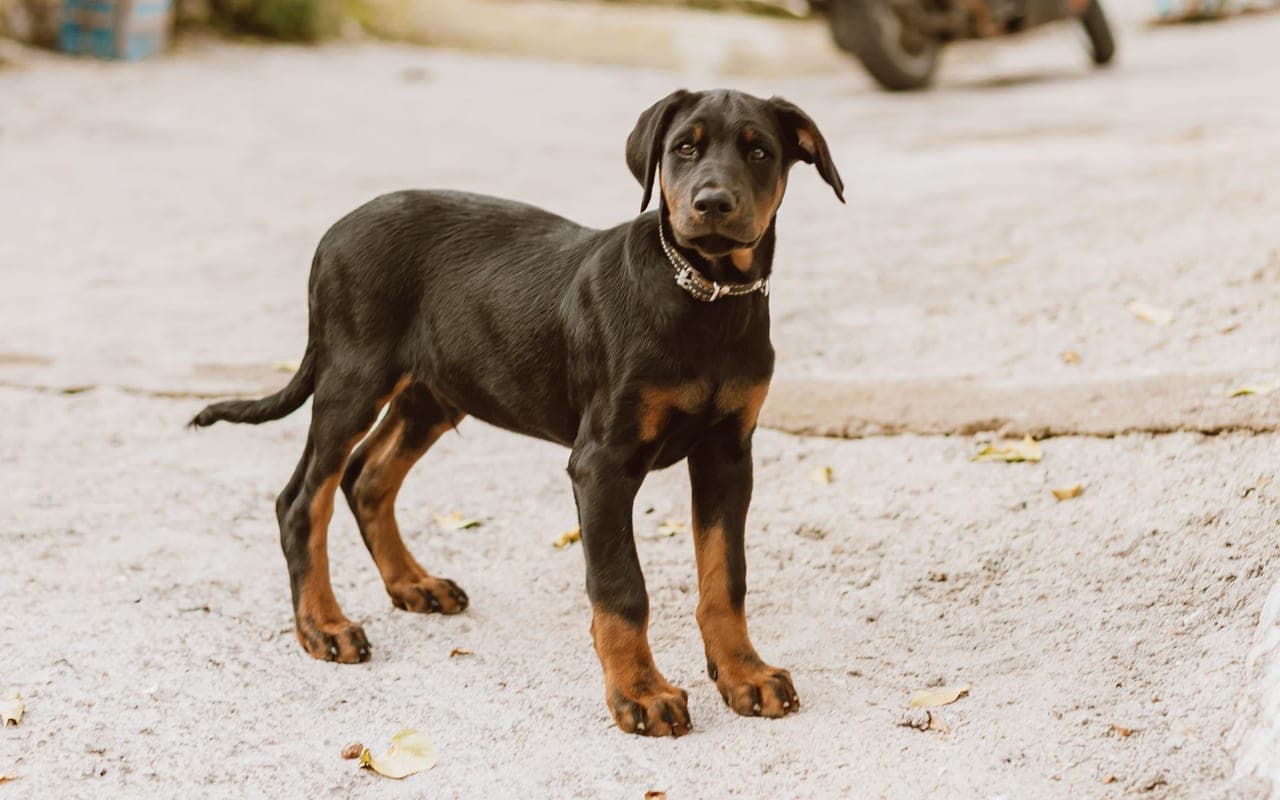
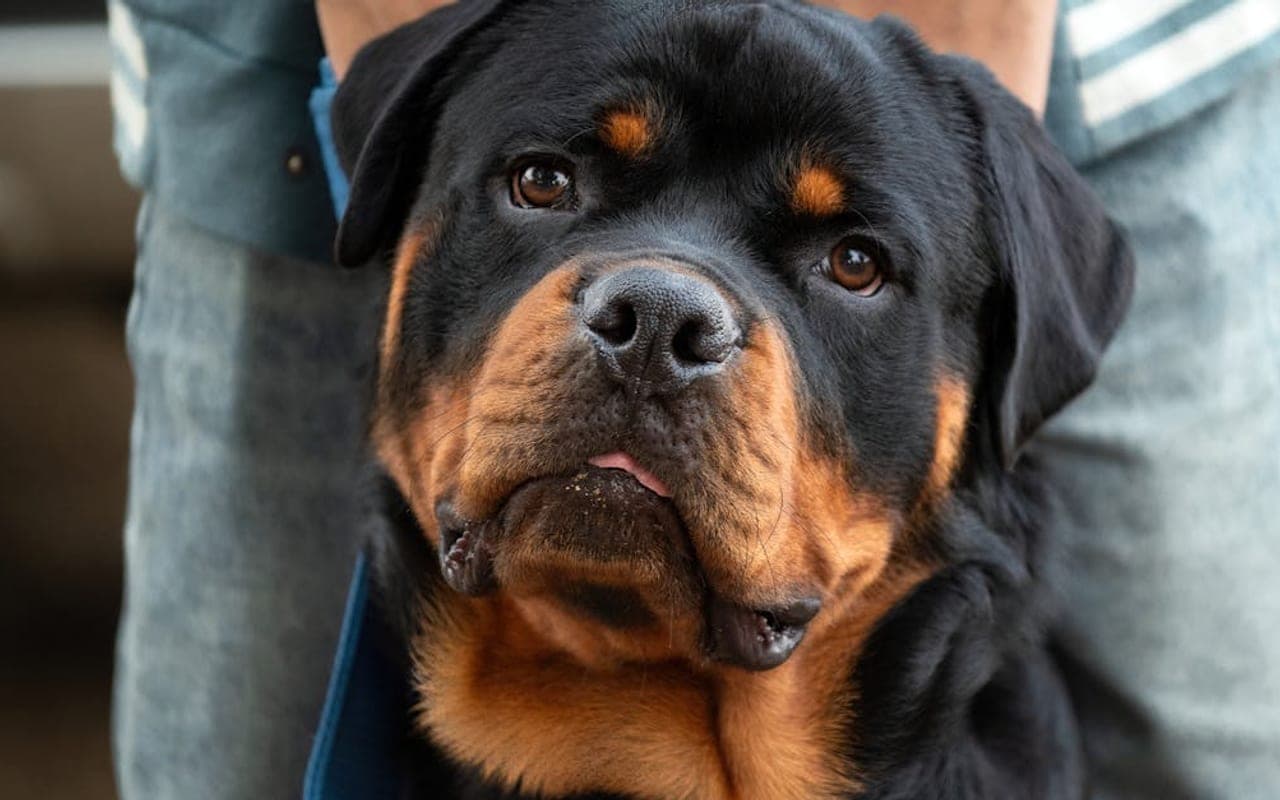
Doberman Pinscher vs Rottweiler
A side-by-side breed comparison to help you decide which fits your lifestyle.
At a Glance
| Attribute | Doberman Pinscher | Rottweiler |
|---|---|---|
| Origin | Germany | Germany |
| Breed Group | Working | Working |
| Life Span | 10–12 yrs | 8–10 yrs |
| Weight | 27–45 kg | 35–60 kg |
| Height | 61–72 cm | 56–69 cm |
| Temperament | Intelligent, alert, and loyal | Loyal, loving, and confident guardian |
| Exercise Needs | High (60-90 min/day) | High (60-90 min/day) |
| Grooming | moderate | — |
| Shedding | moderate | moderate |
| Good with Children | No | Yes |
| Apartment Friendly | No | No |
Temperament Comparison
The Doberman Pinscher is known for being intelligent, alert, and loyal, while the Rottweiler tends to be loyal, loving, and confident guardian.
Doberman Pinscher
Rottweiler
Family Suitability
Doberman Pinscher
- Good with children: No
- Good with other pets: No
- Apartment friendly: No
- Exercise: high
Rottweiler
- Good with children: Yes
- Good with other pets: No
- Apartment friendly: No
- Exercise: high
Training & Exercise
When it comes to daily activity, the Doberman Pinscher requires high (60-90 min/day) exercise, compared to the Rottweiler which needs high (60-90 min/day).
Doberman Pinscher
- Exercise
- high
- Grooming
- moderate
- Shedding
- moderate
Rottweiler
- Exercise
- high
- Grooming
- —
- Shedding
- moderate
Cost Comparison
Understanding the financial commitment of each breed helps you plan for a lifetime of care.
| Cost | Doberman Pinscher | Rottweiler |
|---|---|---|
| Purchase Price | $1,000 – $3,000 | $1,000 – $3,000 |
| Monthly Cost | ~$140/mo | ~$150/mo |
| Est. Lifetime Cost | ~$16,800+ | ~$14,400+ |
Health Considerations
Both breeds have breed-specific health considerations. Being aware of these helps you plan for preventive care and vet visits.
Doberman Pinscher
Life span: 10–12 yrs
- Dilated cardiomyopathy (DCM) — the breed's defining and most serious health risk: a degeneration of the heart muscle leading to heart failure, arrhythmia, and frequently sudden death. The Doberman has one of the highest breed incidences known (large studies estimate roughly 50% or more lifetime risk); annual echocardiogram plus Holter screening from young adulthood is the standard of care because the early occult phase is silent but treatable.
- Von Willebrand disease (vWD) — the most common inherited bleeding disorder, caused by deficient von Willebrand clotting factor; affected dogs bleed excessively from injury or surgery. A DNA test exists and a responsible breeder will know the parents' status.
- Cervical vertebral instability (Wobbler syndrome) — a malformation or instability of the neck vertebrae compressing the spinal cord, causing a wobbly, uncoordinated gait and neck pain, sometimes requiring surgical management; the Doberman is a classically over-represented breed.
- Hypothyroidism — an underactive thyroid common in the breed, producing lethargy, weight gain, and coat/skin changes; it is diagnosed by blood test and well controlled with inexpensive lifelong medication.
- Hip dysplasia — a malformed hip joint developing during growth and causing pain, lameness, and arthritis; parental hip scoring (OFA/PennHIP) is the primary risk-management tool.
- Chronic active hepatitis (copper-associated liver disease) — the Doberman is predisposed to a progressive inflammatory liver disease, often detected on routine bloodwork before symptoms, which makes periodic liver-panel monitoring worthwhile.
- Dilated cardiomyopathy-associated arrhythmia and sudden cardiac death — even before overt heart failure, electrical instability of the heart can cause collapse or sudden death, which is precisely why Holter monitoring (not just echo) is part of breed-appropriate screening.
Rottweiler
Life span: 8–10 yrs
- Osteosarcoma (bone cancer) — the defining breed-mortality risk: Rottweilers have one of the highest rates of this aggressive bone cancer of any breed, typically presenting as a persistent limp or firm swelling on a limb in middle-aged or older dogs; it is a leading cause of death in the breed and a major reason for the short average lifespan.
- Hip and elbow dysplasia — malformation of these joints is common in the breed, causing pain and early arthritis; severity ranges from weight-and-medication management to corrective surgery, and parent screening (OFA/PennHIP) is the main prevention.
- Subaortic stenosis — an inherited narrowing below the aortic valve that obstructs blood flow from the heart; severity varies from clinically silent to causing fainting, heart failure, or sudden death, making cardiac screening of breeding stock important.
- Gastric dilatation-volvulus (bloat/GDV) — the deep, broad chest predisposes Rottweilers to the stomach twisting on itself; a sudden surgical emergency and a leading cause of preventable death in the breed.
- Cranial cruciate ligament rupture — the breed's size and build predispose it to tearing this knee ligament, often requiring expensive surgical repair ($3,000-$5,000+ per knee) and frequently affecting the second knee later.
- Aortic and other cardiac disease aside, the breed is also prone to obesity-driven joint failure — not a disease itself, but the single biggest accelerator of every orthopedic problem above and the most controllable risk factor.
Which Breed is Right for You?
Choose the Doberman Pinscher if you want a breed that's intelligent and alert.
Choose the Rottweiler if you prefer a breed that's loyal and loving, great with kids.
Explore More About Doberman Pinscher
Dive deeper into everything Doberman Pinscher — costs, care, and expert insights.
How Much Does a Doberman Pinscher Cost?
Purchase price, monthly costs, and lifetime expenses
Doberman Pinscher Care Guide
The Doberman Pinscher's origin...
The Truth About Grain-Free Dog Food: What Veterinary Research Actually Says
Grain-free dog food surged in popularity, then came the FDA investigation. Here's what the science...
Considering a cat instead?
Browse Cats