
Working group
Doberman Pinscher
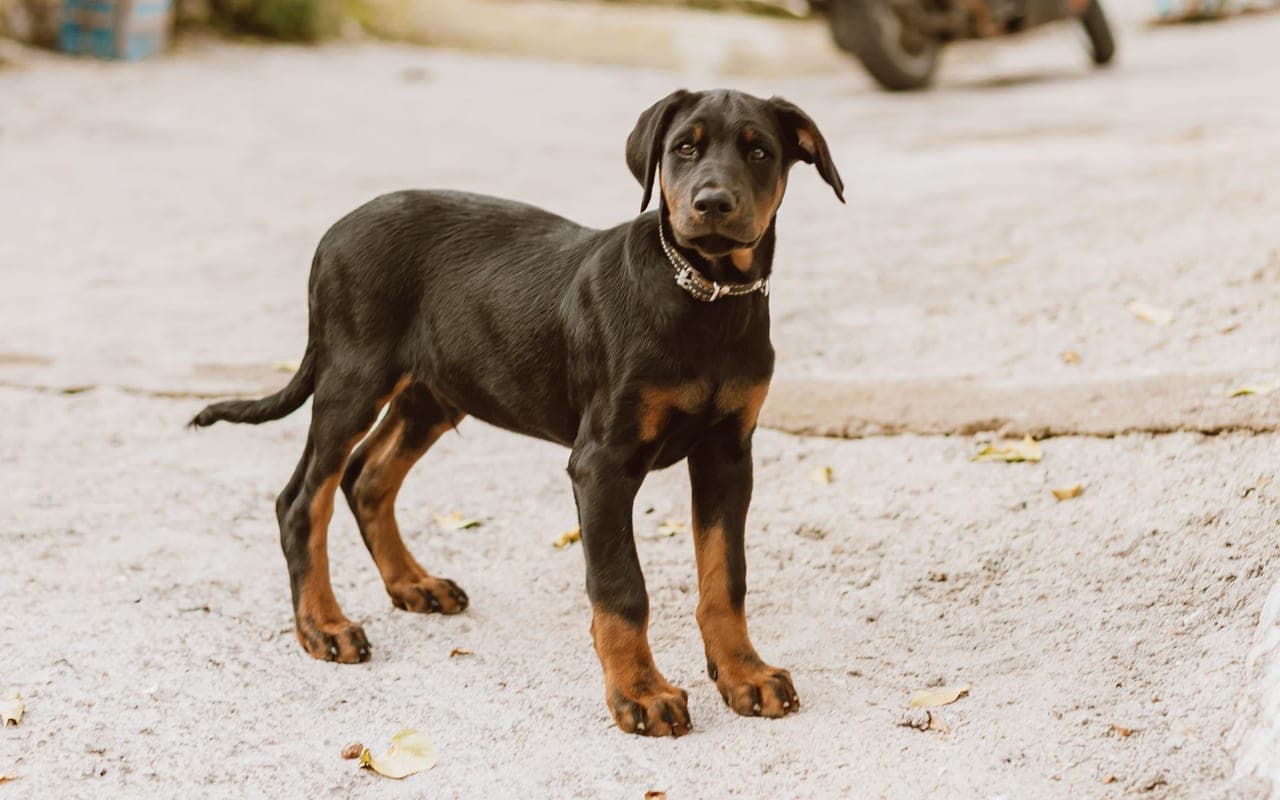
The Doberman Pinscher is a medium-large working dog (32-45 kg, 66-71 cm) bred in late-19th-century Germany to be an athletic, intelligent, fearless protection companion — and the single most important fact a prospective owner must internalize before anything else is the breed's heart.
Size
60-99 lb
Lifespan
10-12 years
Exercise
60-90 minutes
Shedding
Moderate
Experience
Match to owner routine
Decision first
Is a Doberman Pinscher right for you?
Start with fit before history or trivia. These are ownership signals, not guarantees about any individual dog.
Best suited for
- Active owners who enjoy daily outdoor exercise.
Think carefully if
- You cannot provide substantial daily exercise.
- You cannot keep up with grooming and preventive care.
- The dog will spend most days alone without support.
Conditional fit
Apartment living may be difficult unless the owner can meet the breed's exercise, training, and space needs.
Daily reality
Doberman Pinscher commitment snapshot
Daily exercise
60-90 minutes
Match activity to age, health, weather, and training goals.
Coat care
Moderate
Grooming needs vary by coat, shedding, and lifestyle.
Time alone
Needs planning
Most dogs need gradual alone-time conditioning and support.
Structured facts
Doberman Pinscher at a glance
The measurements and traits that most affect day-to-day life with this breed.
Origin
Germany
Group
Working
Weight
60-99 lb
Height
24-28 in
Lifespan
10-12 years
Temperament
Intelligent | alert | and loyal
View all characteristics and methodology
Lifestyle fit
- Apartment suitability
- Needs caution
Owner commitment
- Exercise
- 60-90 minutes
- Grooming
- Moderate
- Shedding
- Moderate
- Training
- Very high
Environment and health
- Health risk
- Needs planning
Ratings combine structured breed data, visible breed fields, and editorial context. They are planning aids, not predictions for an individual dog.
Daily life
Doberman Pinscher temperament and behavior
The Doberman Pinscher is a medium-large working dog (32-45 kg, 66-71 cm) bred in late-19th-century Germany to be an athletic, intelligent, fearless protection companion — and the single most important fact a prospective owner must internalize before anything else is the breed's heart. Doberman lines carry one of the highest incidences of dilated cardiomyopathy (DCM) of any breed; large studies put lifetime risk in the range of half the population or higher. This is not a footnote — it shapes the entire ownership decision, the sourcing decision, and the financial planning. Any honest Doberman profile leads with the heart, not the silhouette. Set against that, the Doberman is a genuinely exceptional companion for the right owner. It is highly intelligent, eminently trainable, intensely bonded to its family ('velcro Dobermann' is the standard description), and naturally protective without typically being indiscriminately aggressive when well bred and socialized. The short single coat is almost zero-maintenance and sheds modestly, but it offers little weather protection — Dobermans are not outdoor dogs and feel cold readily. The defining trade-off is emotional and financial honesty: you are choosing a brilliant, devoted, athletic dog whose breed-defining medical risk is a heart disease that can cause sudden death, often with a shorter-than-typical lifespan even in well-bred lines. Owners who go in informed — sourcing from DCM-conscious lines, budgeting for cardiac screening, watching for signs — do far better than those who buy on looks. Who the Doberman is right for: an active, present owner who will socialize and train consistently, accept the cardiac reality, and budget for lifetime heart monitoring. Who it is wrong for: anyone unable to face the DCM statistics, a sedentary or absent household, or someone wanting a low-commitment guard dog.
Intelligent | alert | and loyal
Intelligent
A common Doberman Pinscher temperament descriptor that should be interpreted alongside training, exercise, and household fit.
alert
A common Doberman Pinscher temperament descriptor that should be interpreted alongside training, exercise, and household fit.
and loyal
A common Doberman Pinscher temperament descriptor that should be interpreted alongside training, exercise, and household fit.
Owner note
Temperament labels are starting points, not guarantees. Meet the individual dog and ask about behavior history whenever possible.
Care essentials
How to care for a Doberman Pinscher
What looking after one actually involves: exercise, grooming, food, training, and routine health.
ExerciseAs needed
- Doberman Pinschers require significant daily exercise to maintain their physical and mental health. Plan for at least 1-2 hours of activity daily, including walks, runs, play sessions, and training exercises. They excel in canine sports like agility, obedience, and tracking. Without adequate exercise, they may develop behavioral problems.
GroomingAs needed
- The Doberman's short, smooth coat is relatively low-maintenance. Weekly brushing with a soft bristle brush or grooming mitt will help remove loose hair and distribute skin oils. They shed moderately year-round. Bathe only when necessary, and check ears weekly for signs of infection. Trim nails regularly, and brush teeth several times a week for good dental health.
TrainingAs needed
- Begin training and socialization early with Doberman Pinschers. They are highly intelligent and eager to please, which makes them quick learners. Use positive reinforcement techniques – they respond well to praise, play, and treats. Consistent, firm but gentle guidance is essential. Avoid harsh methods, as Dobermans can become resentful. Focus on socialization with various people, animals, and environments to develop a well-adjusted adult dog.
NutritionAs needed
- Feed high-quality dog food appropriate for the dog's age, size, and activity level. Dobermans are prone to bloat, so consider feeding two smaller meals daily rather than one large one, and avoid exercise immediately after eating. Monitor weight carefully as obesity can lead to health problems. Some Dobermans have food allergies, so watch for symptoms and consult a veterinarian if necessary.
Health MonitoringAs needed
- Regular veterinary check-ups are vital for Doberman Pinschers. The breed is prone to certain health issues including dilated cardiomyopathy (DCM), von Willebrand's disease (a bleeding disorder), hip dysplasia, and color dilution alopecia. Regular cardiac and blood screening tests are recommended. Watch for symptoms like unusual fatigue, collapse, excessive bleeding from minor wounds, or skin problems, and seek veterinary attention promptly.
Health planning
Doberman Pinscher health risks and screening
Every breed has individual health variation. Use this profile for planning and discuss medical decisions with a veterinarian.
Ownership cost
How much does a Doberman Pinscher cost?
Cost figures are structured so first-year and lifetime estimates do not conflict with the underlying line items.
| Acquisition | $1,000-$3,000 |
|---|---|
| Routine monthly | About $140/month |
| Routine annual | About $1,680/year |
| First-year estimate | $2,680-$4,680 |
| Lifetime routine estimate | $16,800-$20,160 routine costs |
Currency: USD. Region: United States. Typical ranges for this breed. Equipment, insurance, emergency veterinary care, boarding and training are NOT included: we hold no sourced figures for them, and estimating them would be a guess presented as data.
Responsible ownership
Finding a Doberman Pinscher responsibly
What to ask a breeder or rescue is the same conversation for every breed, so we keep it in one place and keep it current.
Health documentation, meeting the parents or foster, contracts and return support, and the warning signs worth walking away from.
Original purpose
Doberman Pinscher history
History is useful when it explains today's behavior, coat, exercise needs, and training style.
Read the breed history
The Doberman Pinscher was created in the 1880s by Karl Friedrich Louis Dobermann, a German tax collector and part-time dog-pound keeper who wanted a sharp, loyal, medium-large guardian to protect him on his rounds. Working from the breeding stock he had access to, he combined several breeds — believed to include the old German Pinscher, Rottweiler, Black and Tan Terrier, and herding stock — to fix a fast, intelligent, fearless protection dog. After Dobermann's death, breeders led by Otto Goeller refined and stabilized the breed, and it was recognized in Germany before 1900. The Doberman quickly became a premier police, military, and personal-protection dog worldwide; the United States Marine Corps famously used Dobermans in the Pacific in World War II. Selective breeding over the 20th century softened the early sharpness toward the more stable family-and-protection temperament seen today, but the breed's working-guardian origins still explain its drive, intelligence, athleticism, and intense handler bond.
Gallery
Doberman Pinscher photos
Images are cropped consistently and loaded progressively to keep the page responsive.
Lower-page context
Doberman Pinschers in culture
Where the breed shows up in film, sport, work and folklore — the enjoyable part, once the practical questions are answered.
Movies and TV
- True Lies (1994)
Featured Dobermans as guard dogs in this action film starring Arnold Schwarzenegger.
- Resident Evil (2002)
Featured zombie Dobermans as memorable undead enemies in this horror film based on the video game series.
- Up (2009)
Alpha, one of the talking dogs in this Pixar film, is a Doberman Pinscher with a malfunctioning voice collar.
Fun facts
- Doberman Pinschers are among the most intelligent dog breeds, typically ranking around 5th in intelligence tests.
- While they have a reputation as aggressive dogs, modern breeding has focused on creating a more balanced temperament while maintaining their protective instincts.
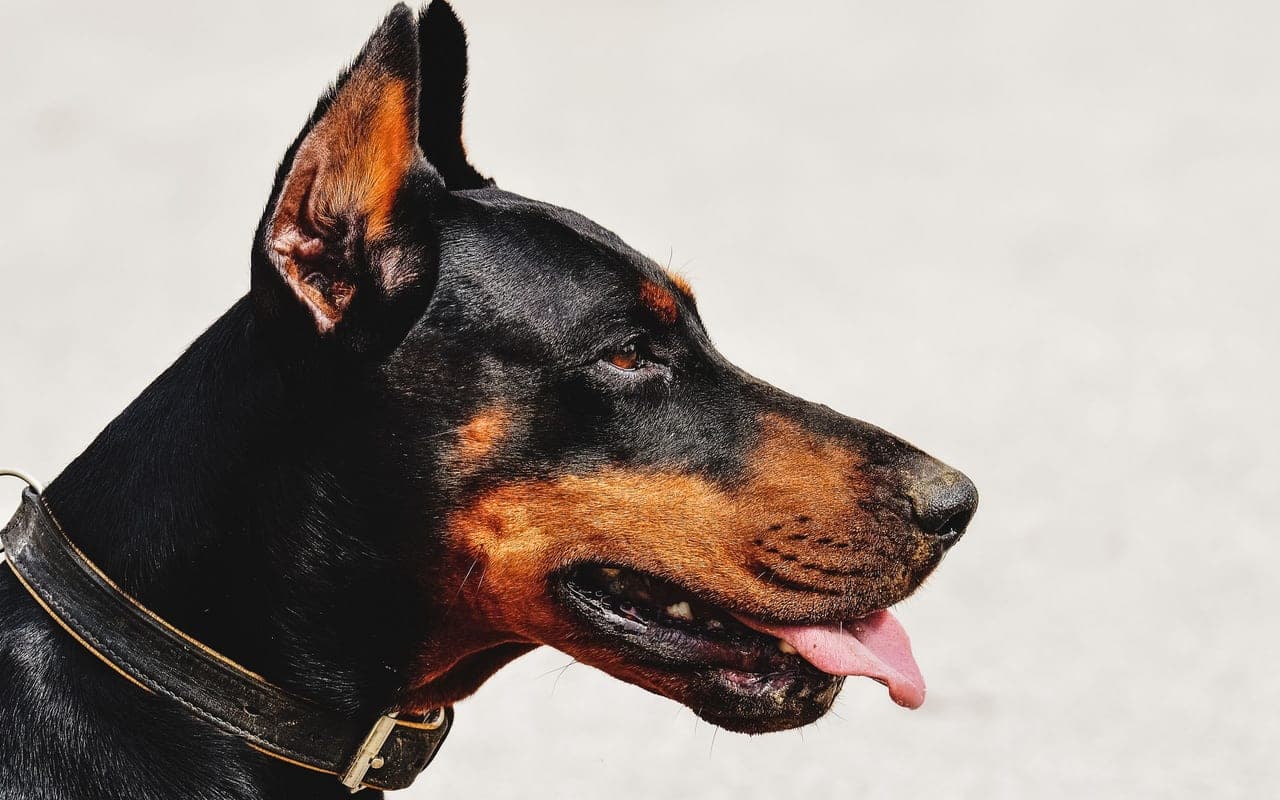
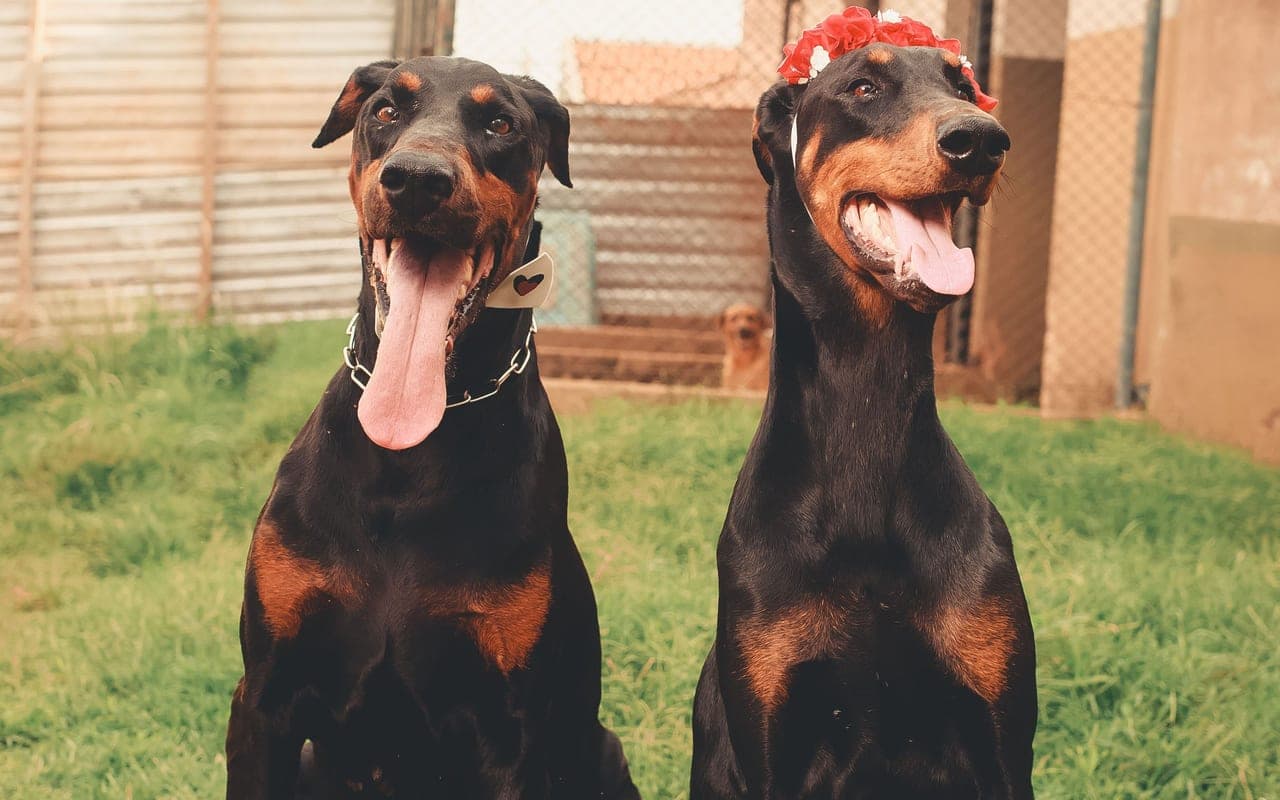
- The standard colors for Dobermans are black, red (brown), blue (gray), and fawn (isabella), all with rust markings.
- Their ears naturally hang down, but are often cropped to stand erect. Similarly, their tails are naturally long but are frequently docked.
- Dobermans have served extensively in military and police roles due to their intelligence, trainability, and athletic abilities.
Doberman Pinscher FAQs
Is it true Dobermans have serious heart problems?
Yes, and it is the most important thing to know before buying one. The Doberman has one of the highest breed incidences of dilated cardiomyopathy (DCM) of any dog — large studies estimate roughly half the population or more is affected over a lifetime, and DCM can cause sudden death. This is not a reason never to own one, but it is a reason to source from cardiac-screened lines and budget for lifetime heart monitoring from young adulthood.
How long do Doberman Pinschers live?
A Doberman typically lives 10-12 years, though the breed's average is pulled down by dilated cardiomyopathy and some dogs are lost earlier and suddenly. The single biggest lever an owner has is proactive cardiac screening — annual echocardiogram plus Holter monitoring from around age three — because the silent occult phase of DCM is treatable and early medication can meaningfully extend life.
What heart screening does a Doberman need and when?
The breed-appropriate standard is an annual echocardiogram combined with a 24-hour Holter ECG, beginning around three years of age. The echo assesses heart-muscle function and the Holter catches the dangerous arrhythmias that an in-clinic ECG misses. Budget roughly $400-$800 per screening year. This is the highest-value money you will spend on a Doberman because it catches the disease while it is still treatable.
Are Dobermans good family dogs?
For the right family, yes — well-bred, well-socialized Dobermans are intelligent, intensely loyal, trainable, and protective without being indiscriminately aggressive. They bond so closely they are called 'velcro' dogs and do poorly left alone or housed outside. The realistic caveats are the lifelong socialization and training commitment, 60-90 minutes of daily exercise, and the emotional and financial reality of the breed's cardiac risk.
Do Dobermans need a lot of grooming?
No — the short single coat is one of the lowest-maintenance in dogdom, needing only a weekly wipe or quick brush and an occasional bath. The catch is the flip side of that thin coat: Dobermans have almost no insulation, feel cold readily, and must not be kept outdoors. Budget for a dog coat in cold climates rather than for grooming tools — the temperature need is the real maintenance item.
How much does a Doberman cost to own?
Expect roughly $1,500-$3,000 for a puppy from a breeder who cardiac-screens breeding stock and DNA-tests for von Willebrand disease. The defining recurring cost is cardiac surveillance — $400-$800 a year for echo plus Holter — plus potential lifelong heart medication and the possibility of emergency cardiac care. Paying for screened lines and budgeting for monitoring is not optional spending in this breed; it is the core of responsible ownership.
Sources
These are the published sources this page draws on. Each opens in a new tab so you can check it yourself.
American Kennel Club
Doberman Pinscher — breed standard and profile(opens in a new tab)Supports: Breed standard and recognition details.
Similar breeds to consider
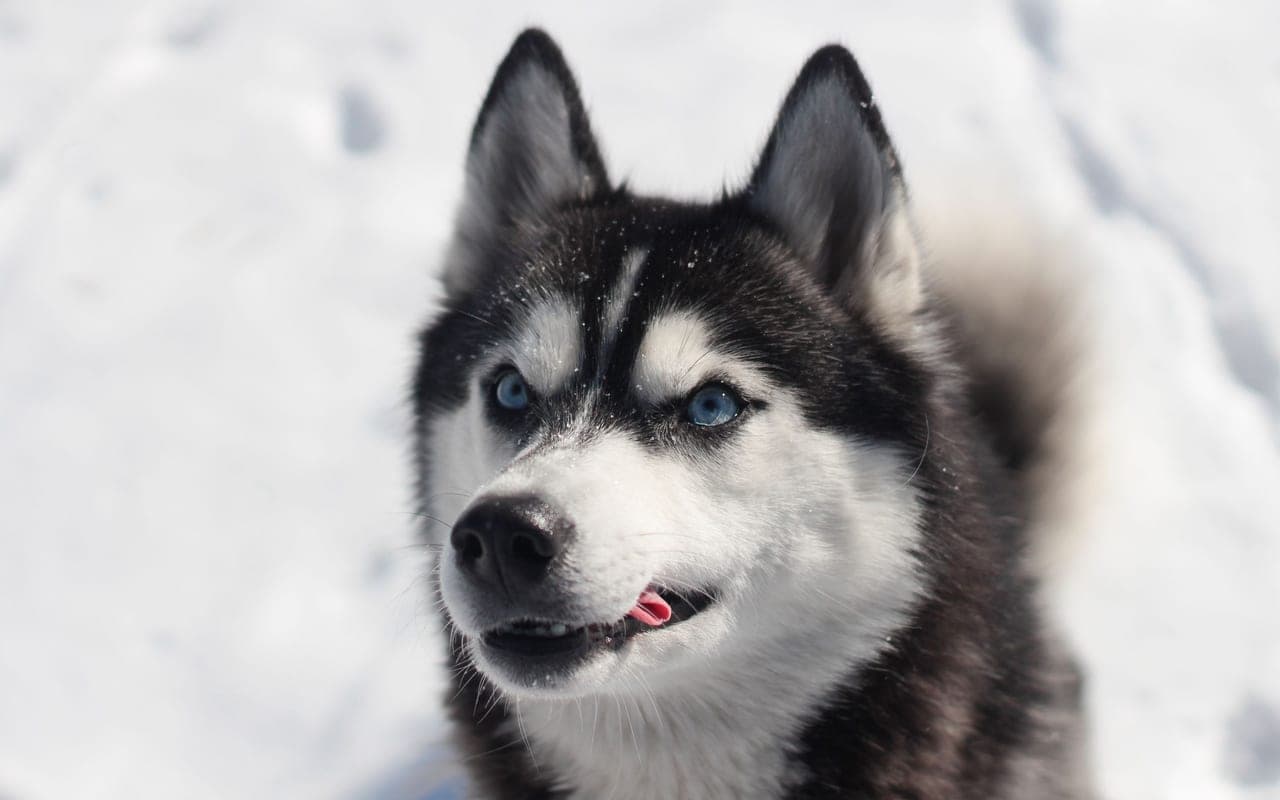
Siberian Husky
Also in the Working group, with different care and temperament tradeoffs.
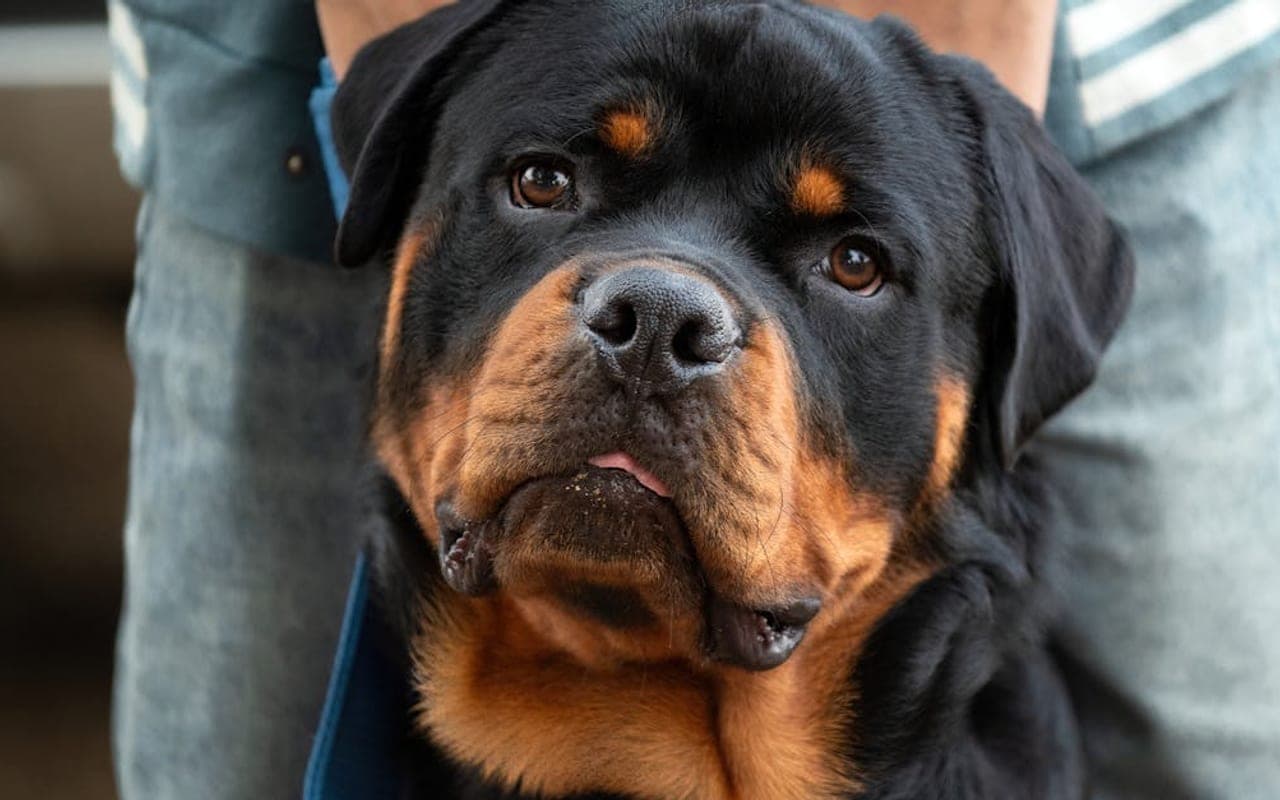
Rottweiler
Also in the Working group, with different care and temperament tradeoffs.
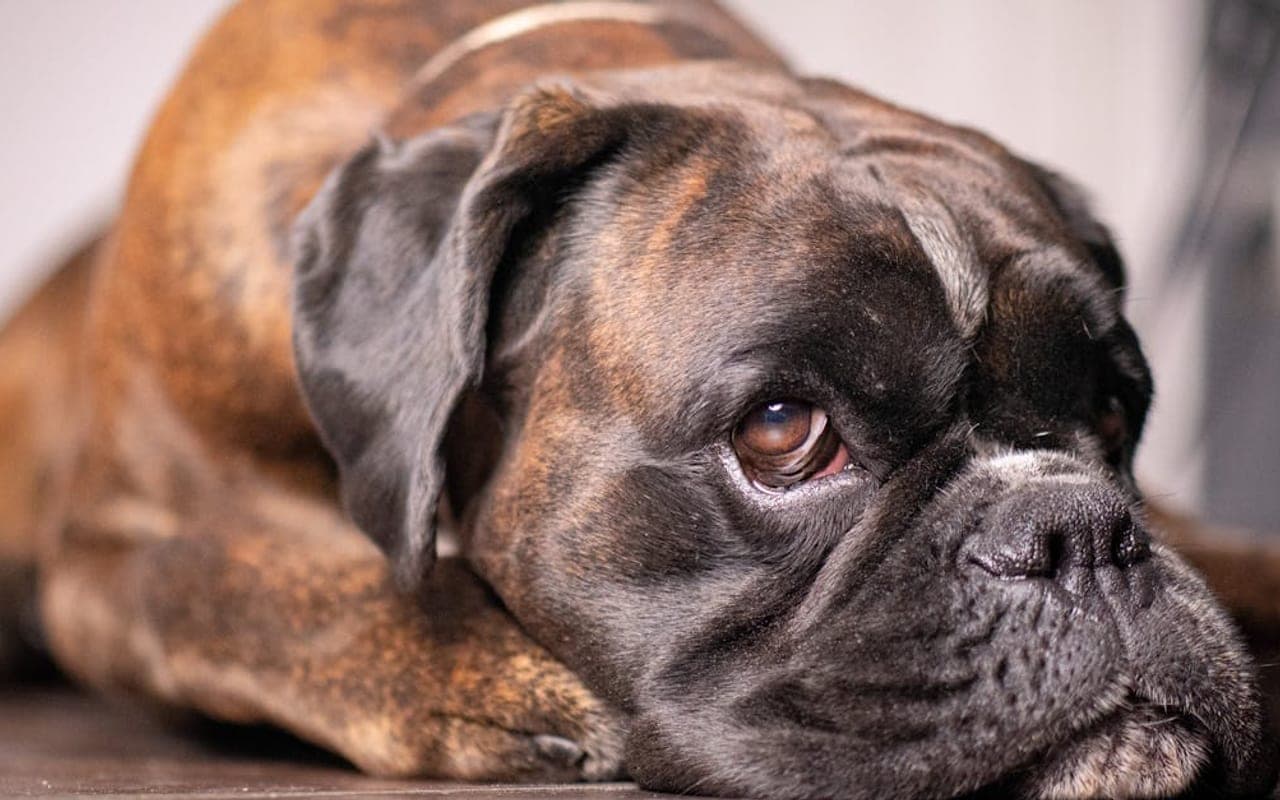
Boxer
Also in the Working group, with different care and temperament tradeoffs.

Akita
Also in the Working group, with different care and temperament tradeoffs.
Explore More About Doberman Pinscher
Dive deeper into everything Doberman Pinscher — costs, care, and expert insights.
How Much Does a Doberman Pinscher Cost?
Purchase price, monthly costs, and lifetime expenses
Doberman Pinscher Care Guide
The Doberman Pinscher's origin...
The Truth About Grain-Free Dog Food: What Veterinary Research Actually Says
Grain-free dog food surged in popularity, then came the FDA investigation. Here's what the science...
Considering a cat instead?
Browse Cats