
Leghorn Chicken
Written by Diosh Lequiron
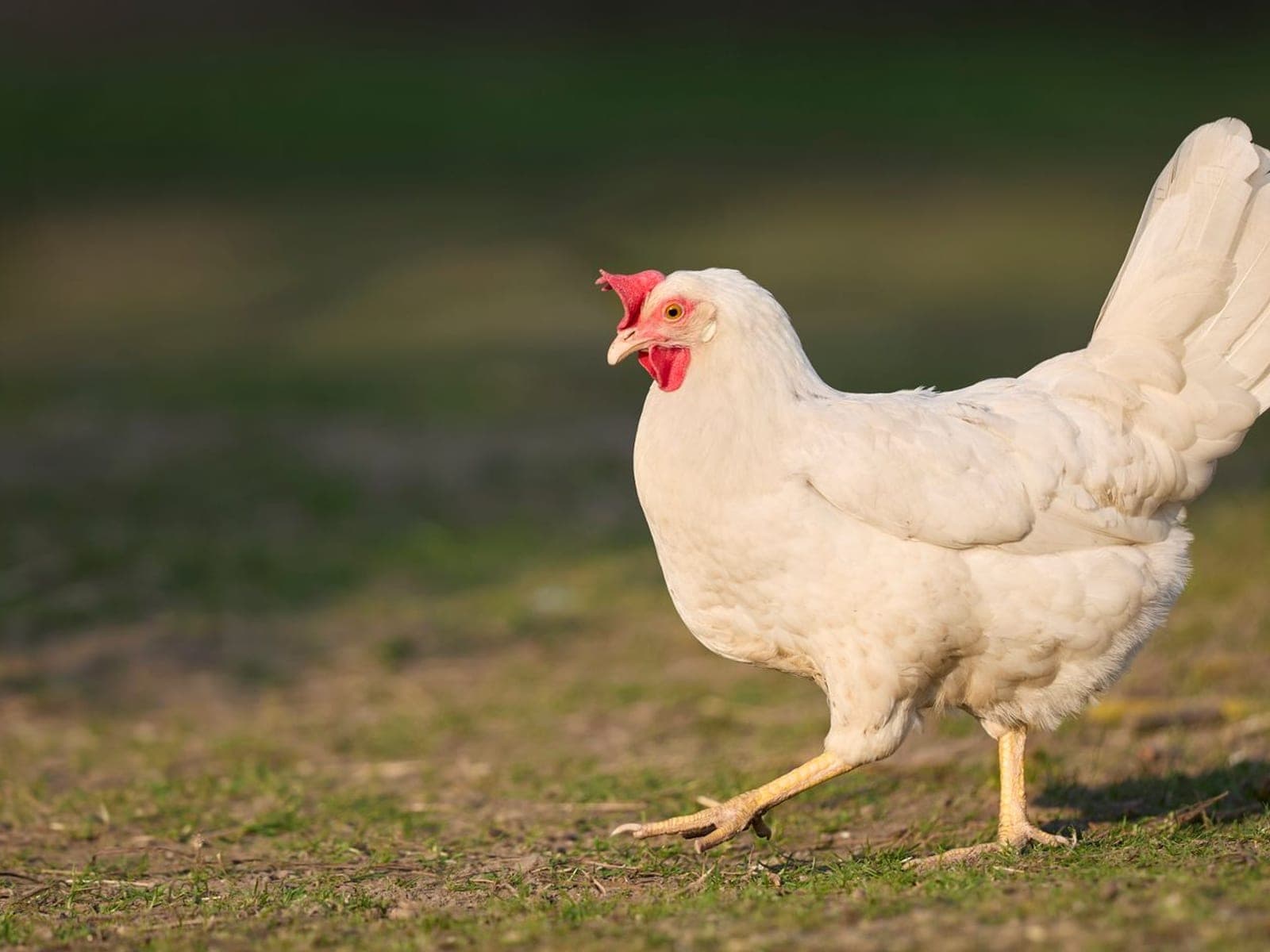
- Origin
- Tuscany, Italy; named through the port city of Livorno
- Species
- Gallus gallus domesticus
- Breed group
- Mediterranean egg breed
- Primary purpose
- eggs
- Typical weight
- 2–2.7 kg
- Egg size
- large to extra-large
- Egg color
- white
- Comb tradeoff
- large single comb needs cold-weather attention; rose-combed varieties exist
- Production note
- Output varies by strain and management; no annual guarantee stored.
Temperament
- very active
- alert
- strong foraging drive
- not naturally aggressive
Overview
The Leghorn is an egg-purpose breed for keepers who value activity, foraging drive, and efficient production more than a cuddly backyard-pet temperament. Non-industrial Leghorns are small-bodied, alert birds with white eggs and a reputation for vigor. The Livestock Conservancy describes them as very active and notes that they are better matched with breeds of similar energy than with unusually docile flock mates. That makes flock composition part of the purchase decision, not an afterthought. A Leghorn can suit a production-minded small flock with secure ranging space, high fencing or overhead protection, and an owner comfortable managing a quick, observant bird. It is a weaker match for someone expecting a calm lap chicken, a quiet urban flock, or effortless containment. Large single combs also create a cold-weather management tradeoff: the breed may tolerate a range of climates, but exposed comb tissue needs closer frostbite prevention than a rose-combed variety. Individual behavior and laying performance still vary by strain, age, season, health, nutrition, and management.
Caring for the Leghorn Chicken
Plan around motion and vigilance. Give Leghorns a dry, well-ventilated, predator-resistant coop plus a secure run with enough room and structure for walking, scratching, perching, and foraging. A bored or crowded active flock is harder to manage, while an unsecured ranging flock is exposed to predators. Use a complete ration matched to life stage and production status as the dietary base, with clean water always available; forage and treats must not displace balanced feed. Check the flock at least morning and evening, collect eggs, inspect feed and water, and watch whether every bird can access resources without being driven away. The Leghorn-specific focus is containment, compatibility, and comb protection. Do not promise that a light-bodied bird will remain behind a low barrier. Observe introductions carefully when mixing with slower or more docile breeds. In freezing weather, keep housing dry and ventilated without placing birds in a direct draft, and inspect large combs for changes. In hot weather, prioritize shade and abundant clean water. These are management safeguards, not a claim that every Leghorn has the same tolerance or behavior.
History and origin
Leghorns trace to small landrace chickens of Tuscany. Their English name is an Anglicized form of Livorno, the Italian port from which birds were exported to the United States around 1828 and again in 1830–31. American breeders later selected for more standardized color and form, including rose-combed birds. Their combination of hardiness, high laying rate, relatively small appetite, and active foraging helped establish long-term popularity. The modern commercial White Leghorn and the non-industrial heritage population should not be treated as identical: selection goals, body type, behavior, and output can differ substantially among commercial hybrids, exhibition lines, and conservation-bred stock.
Leghorn Chicken care in detail
Housing and environment
Provide a dry, draft-controlled but ventilated coop, secure night closure, elevated roosting, nest boxes for laying hens, shade, drainage, and predator-resistant boundaries. Because Leghorns are active and light-bodied, assess vertical escape routes and overhead threats. Where winters are severe, consider the comb type and inspect exposed tissue; where summers are hot, provide shade and more than one reliable water point.
Daily routine
Open or check the secure daytime area in the morning, refresh water, confirm that the complete feed is dry and accessible, and look at each bird rather than only at the flock as a group. Leghorns move quickly, so count birds and notice any individual that remains apart, stops foraging, carries a wing unusually, or loses access to a feeder. Collect eggs and remove wet litter or spilled feed that attracts pests. At dusk, confirm every bird is inside the locked shelter. Weekly work should include a closer inspection of feet, feathers, skin, body condition, coop hardware, ventilation openings, and signs of rodents or attempted predator entry.
Feeding and nutrition
Use a commercially formulated complete ration appropriate to the bird's age and production stage. Keep fresh water continuously available and protect both feed and water from feces, moisture, rodents, and wild birds. Leghorns are effective foragers, but range food does not prove that a ration is nutritionally complete. Treat scratch grain and kitchen extras as limited additions rather than the foundation of the diet. Mixed-age flocks need a feeding plan that prevents immature birds from relying on high-calcium layer feed; ask a poultry veterinarian, nutritionist, or extension specialist when the flock contains different life stages.
Health
No breed profile can diagnose illness. Establish the normal appetite, activity, posture, breathing, droppings, and egg pattern of the flock so changes are easier to identify. Separate a visibly sick bird from the main flock while arranging qualified guidance, and contact a veterinarian or animal-health authority for breathing difficulty, neurologic signs, facial swelling, sharp production decline, multiple sick birds, or sudden unexplained death. Apply USDA biosecurity practices: limit visitors, use dedicated footwear, clean equipment before moving it between flocks, reduce contact with wild birds, and avoid bringing unquarantined birds directly into the group. Wash hands after handling birds, eggs, litter, or equipment because apparently healthy poultry can carry Salmonella.
Space and activity
Leghorns need opportunities to walk, scratch, perch, investigate, and forage in a secure space. Supply multiple activity zones, dry litter, perches, and visual cover so energetic birds can move without repeatedly crowding slower flock mates. Free ranging is not automatically safe enrichment; local predators, traffic, toxic plants, and disease contact must be assessed first.
Grooming and dust bathing
Chickens normally maintain their plumage through preening and dust bathing. Provide a dry dust-bathing area and inspect rather than routinely bathing the bird. Pay extra attention to the large comb during freezing weather and to feet after muddy conditions. Persistent feather loss, skin irritation, or suspected parasites calls for identification and professional advice, not an unverified home treatment.
Handling and training
Use predictable routines and food rewards to teach birds to return to the coop, approach a keeper, or enter a transport crate. Move calmly and avoid cornering a flighty bird. Training supports safer handling, but it does not remove the need for secure fencing, roofed protection where appropriate, and a nightly head count.
Breeding
Choose breeding stock for health, sound structure, and the characteristics of the specific Leghorn variety or conservation line. Do not represent commercial egg hybrids as equivalent to a heritage breeding population. Keep parentage and hatch records, avoid breeding birds with unresolved health or structural problems, and plan homes and housing for male chicks before incubation.
Frequently asked questions
- Is a Leghorn a good first chicken?
- It can be a good first production breed for an owner prepared for an active, quick bird and secure containment. It is a less natural fit when the main goal is frequent handling, a quiet pet temperament, or a mixed flock built around very docile breeds. Evaluate the breeder's strain and adult flock behavior rather than relying only on the breed name.
- Are Leghorns suitable for cold climates?
- The breed can be managed in cold conditions, but a large single comb is more exposed to frost injury than a compact comb. Dry, ventilated housing, protection from direct drafts, unfrozen water, and routine comb checks matter. A rose-combed Leghorn may reduce that particular exposure, but no comb type replaces sound winter housing.
- Do all Leghorns lay the same number of eggs?
- No. Commercial hybrids, exhibition lines, and non-industrial conservation lines can differ, and production changes with age, season, daylight, health, feed, stress, and management. Breed reputation is useful for comparison, but it is not a guarantee for an individual hen or a fixed annual output.
Sources
Breed standards, conservation status and husbandry guidance on this page are drawn from the following published sources.
Choosing between breeds? Compare the famous farm breeds or read the chicken keeping guide.