
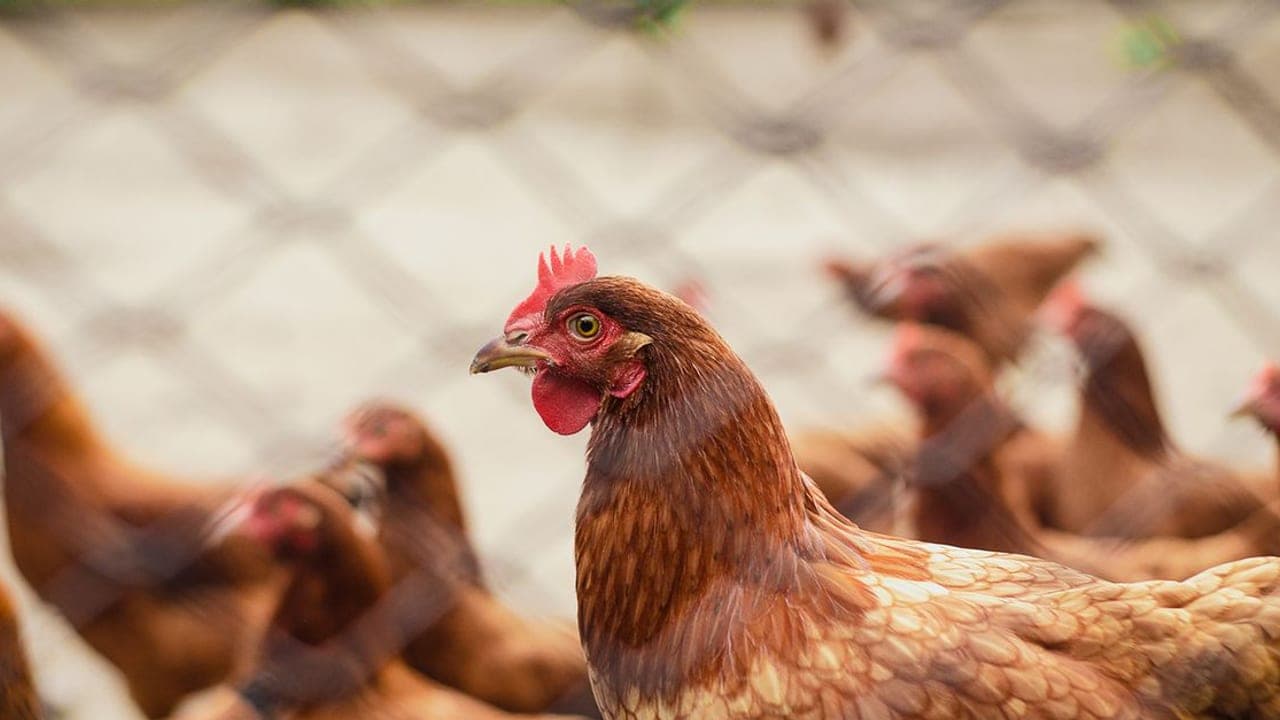
Backyard Chicken Care Guide: Setup, Breeds, Health & Cost (2026)
Complete backyard chicken care guide. Breed selection, predation risk, housing costs, profitability analysis. 9 zoning examples. 2026 pricing.
Key Benefits
Overview
A complete guide to raising backyard chickens for eggs, meat, or pets. Covers breed selection, coop setup, predation management, and real first-year costs.
Daily Care Requirements
Daily chicken care requires 15–30 minutes for feeding, watering, egg collection, and health checks. Tasks vary by season: winter demands heated water systems and coop winterization; summer requires predator vigilance and supplemental cooling.
Nutrition & Feeding
Chickens eat approximately 0.25 lb of layer feed per bird daily, costing $15–25 monthly per bird in commercial feed. Supplemental kitchen scraps and foraged greens reduce costs. Water must be fresh and available continuously; waterers need daily cleaning to prevent algae and disease.
Exercise & Environment
Chickens do not require "exercise" in the traditional sense, but they do require space to forage, dust-bathe, and roost. A minimum of 3–4 square feet per bird outdoors (free-range) and 1–1.5 square feet per bird indoors (confined) allows natural behaviors and reduces aggression.
Grooming & Maintenance
Chickens require no special grooming but benefit from dust baths (provided in a designated box filled with sand and ash) to manage parasites. Roosters may need wing and tail feather trimming to prevent injury during mating.
Health & Veterinary Care
Common health issues include respiratory infections (mycoplasma), parasites (mites, lice, worms), and shell gland infections causing soft-shelled eggs. Veterinary treatment is rare in backyard flocks; most health management is preventative (clean coop, quarantine new birds).
Cost Analysis
A laying hen costs $25–75 at purchase; a rooster $15–50. First-year costs: coop construction ($500–2,000), predator fencing ($200–500), feed ($300–500/year per bird), bedding ($200/year), and veterinary care ($0–500 depending on issues encountered). Egg productivity breaks even only if a flock lives >3 years.
⚠️ Disclaimer
This guide is educational and not a substitute for professional veterinary or agricultural advice. Consult with licensed veterinarians and farm management experts for region-specific care recommendations and legal zoning requirements in your area.
Explore Other Farm Animals
Dairy Cow Care Guide: Breeds, Housing, Feed & Annual Operating Cost (2026)
Complete dairy cow care guide covering breed selection, housing costs, veterinary expenses, feed budgets, zoning requirements. Realistic first-year cost breakdown. 2026 pricing.
Goat Care Guide: Meat, Dairy & Fiber Breeds, Housing & Operating Cost (2026)
Complete goat care guide covering breed selection, housing costs, veterinary expenses, feed budgets, zoning requirements. Realistic first-year cost breakdown. 2026 pricing.
Horse Care Guide: Housing, Feeding, Health & First-Year Cost Analysis (2026)
Complete horse care guide covering breed selection, housing costs, veterinary expenses, feed budgets, zoning requirements. Realistic first-year cost breakdown. 2026 pricing.
Ready to Start Farming?
Each guide includes detailed breakdowns of housing costs, equipment needs, and annual operating expenses to help you make informed decisions.
Browse All Farm Animal Guides