
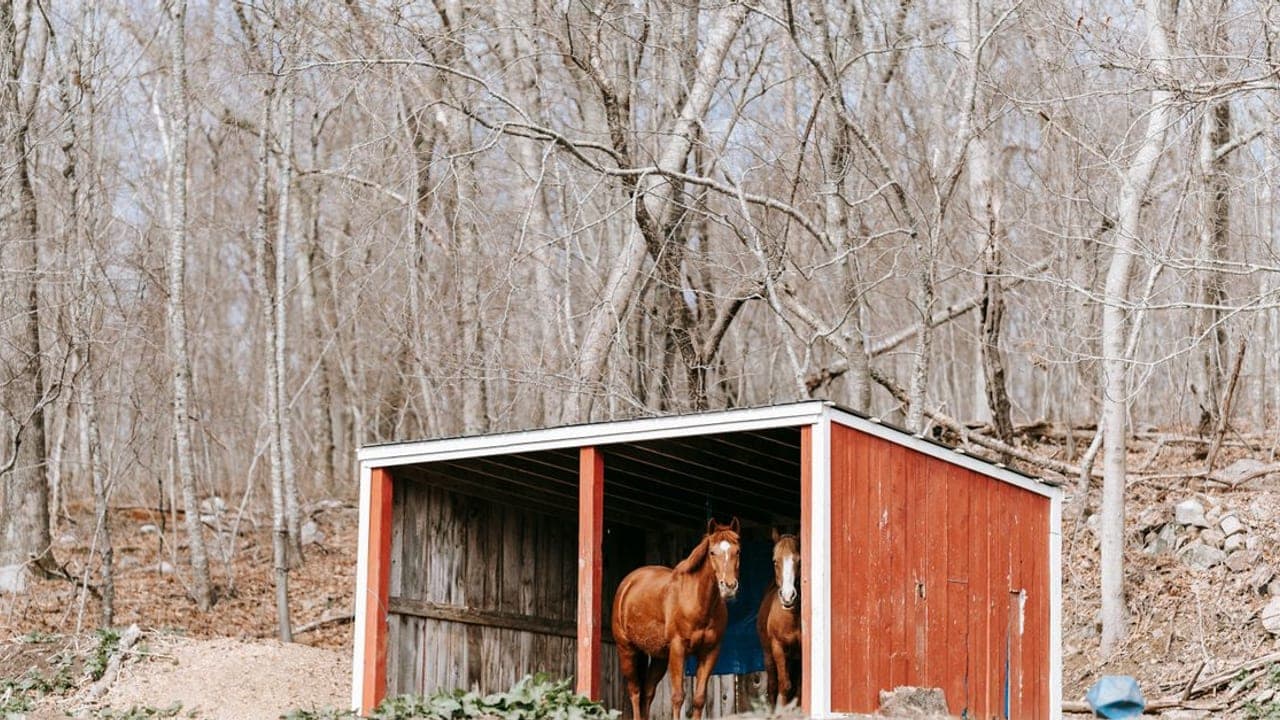
Horse Care Guide: Housing, Feeding, Health & First-Year Cost Analysis (2026)
Complete horse care guide covering breed selection, housing costs, veterinary expenses, feed budgets, zoning requirements. Realistic first-year cost breakdown. 2026 pricing.
Key Benefits
Overview
A detailed guide to horse ownership covering breed selection, facility requirements, feeding programs, health management, emergency care, and honest first-year cost breakdowns for serious buyers.
Daily Care Requirements
Daily horse care requires 1–3 hours: feeding (30 min), watering (15 min), mucking stalls (30 min), grooming and hoof inspection (30 min), and exercise/riding (30–60 min). Facilities determine labor: stall-kept horses demand daily mucking; pasture-kept horses require weekly facility checks.
Nutrition & Feeding
A mature horse (1,000–1,200 lbs) consumes 1.5–2.5% of body weight daily in forage (hay or pasture), equaling 15–30 lbs daily. At $8–15 per bale ($50–100 per ton), annual forage costs $2,000–4,000. Grain supplementation (not recommended as primary diet) adds $50–200 monthly.
Exercise & Environment
A horse requires 1–2 hours of exercise daily to maintain fitness, hoof health, and psychological balance. Pasture turnout (4+ hours) satisfies basic movement needs; ridden exercise (30–60 min) maintains fitness. Confined horses develop stereotypic behaviors (weaving, cribbing) and lameness.
Grooming & Maintenance
Farrier visits every 6–8 weeks ($150–200 per visit) are non-negotiable; neglected hooves cause lameness costing $1,000–5,000+ to repair. Grooming is primarily for owner bonding, not health. Coat and tail care prevents shedding and skin issues but is not critical.
Health & Veterinary Care
Colic (gastrointestinal distress) is the leading cause of non-traumatic death in horses; emergency colic surgery costs $5,000–12,000 with a 60% survival rate. Lameness affects 30–40% of horses and can be career-ending. Veterinary insurance for emergency care is highly recommended.
Cost Analysis
A horse at purchase: $1,500–3,500 (beginner-suitable); $5,000–10,000+ (trained). First-year costs: veterinary ($1,200–2,500 annually), farrier ($1,200–1,600), feed ($2,500–4,000), boarding/facilities ($5,000–15,000 if not owned), and miscellaneous supplies ($500–1,000).
⚠️ Disclaimer
This guide is educational and not a substitute for professional veterinary or agricultural advice. Consult with licensed veterinarians and farm management experts for region-specific care recommendations and legal zoning requirements in your area.
Explore Other Farm Animals
Backyard Chicken Care Guide: Setup, Breeds, Health & Cost (2026)
Complete backyard chicken care guide. Breed selection, predation risk, housing costs, profitability analysis. 9 zoning examples. 2026 pricing.
Dairy Cow Care Guide: Breeds, Housing, Feed & Annual Operating Cost (2026)
Complete dairy cow care guide covering breed selection, housing costs, veterinary expenses, feed budgets, zoning requirements. Realistic first-year cost breakdown. 2026 pricing.
Goat Care Guide: Meat, Dairy & Fiber Breeds, Housing & Operating Cost (2026)
Complete goat care guide covering breed selection, housing costs, veterinary expenses, feed budgets, zoning requirements. Realistic first-year cost breakdown. 2026 pricing.
Ready to Start Farming?
Each guide includes detailed breakdowns of housing costs, equipment needs, and annual operating expenses to help you make informed decisions.
Browse All Farm Animal Guides