
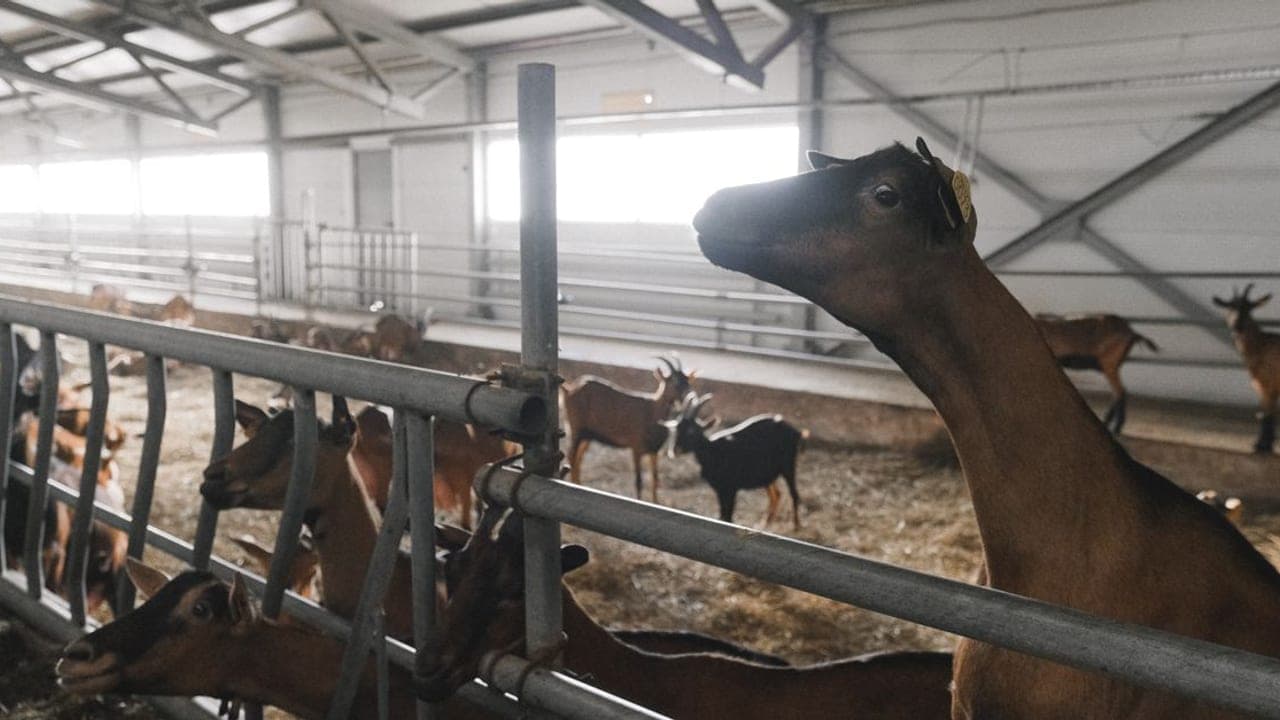
Goat Care Guide: Meat, Dairy & Fiber Breeds, Housing & Operating Cost (2026)
Complete goat care guide covering breed selection, housing costs, veterinary expenses, feed budgets, zoning requirements. Realistic first-year cost breakdown. 2026 pricing.
Key Benefits
Overview
A comprehensive guide to goat ownership for meat, dairy, or fiber production. Covers breed selection, housing infrastructure, nutritional requirements, health management, and annual costs for small-scale goat operations.
Daily Care Requirements
Daily goat care requires 1–2 hours per animal: feeding, watering, shelter cleaning, and health monitoring. Goats demand robust fencing (6 feet minimum) due to escape tendency. Does (females) in milk require twice-daily milking or care with bottle-fed kids; meat operations require less daily labor.
Nutrition & Feeding
Goats consume 2–4 lbs of hay per 100 lbs of body weight daily, or 5–10 lbs per adult goat. A standard goat herd (5–10 animals) requires 50–100 lbs of hay daily ($2,500–5,000 annually at $8–10 per bale). Supplemental grain ($0.50–1.00 per day per goat) increases production but reduces profitability.
Exercise & Environment
Goats require 15–30 minutes of active movement or pasture access daily for contentment and hoof health. Unlike cattle, goats exploit vertical space; provide climbing structures or rough terrain. Confined goats become stressed and aggressive.
Grooming & Maintenance
Hoof care every 8–12 weeks ($25–50 per visit) prevents lameness. Fiber goats (Angoras, Cashmeres) require shearing or brushing to prevent mat buildup. Dairy goats need daily udder inspection and cleaning.
Health & Veterinary Care
Common issues: parasites (especially in wet climates), enterotoxemia (overgrowth of gut bacteria causing death), and reproductive problems in older does. Vaccination against enterotoxemia (CD&T vaccine) is essential and costs $8–15 per animal annually.
Cost Analysis
A dairy or meat goat costs $150–400 at purchase; breeding stock $300–800. Annual operating costs: feed ($600–1,500 per goat), veterinary care ($200–500), minerals and supplements ($150–200), housing repairs ($300), and labor ($1,000+). Small dairy operations break even in 5–7 years.
⚠️ Disclaimer
This guide is educational and not a substitute for professional veterinary or agricultural advice. Consult with licensed veterinarians and farm management experts for region-specific care recommendations and legal zoning requirements in your area.
Explore Other Farm Animals
Backyard Chicken Care Guide: Setup, Breeds, Health & Cost (2026)
Complete backyard chicken care guide. Breed selection, predation risk, housing costs, profitability analysis. 9 zoning examples. 2026 pricing.
Dairy Cow Care Guide: Breeds, Housing, Feed & Annual Operating Cost (2026)
Complete dairy cow care guide covering breed selection, housing costs, veterinary expenses, feed budgets, zoning requirements. Realistic first-year cost breakdown. 2026 pricing.
Horse Care Guide: Housing, Feeding, Health & First-Year Cost Analysis (2026)
Complete horse care guide covering breed selection, housing costs, veterinary expenses, feed budgets, zoning requirements. Realistic first-year cost breakdown. 2026 pricing.
Ready to Start Farming?
Each guide includes detailed breakdowns of housing costs, equipment needs, and annual operating expenses to help you make informed decisions.
Browse All Farm Animal Guides