
Orpington Chicken
Written by Diosh Lequiron
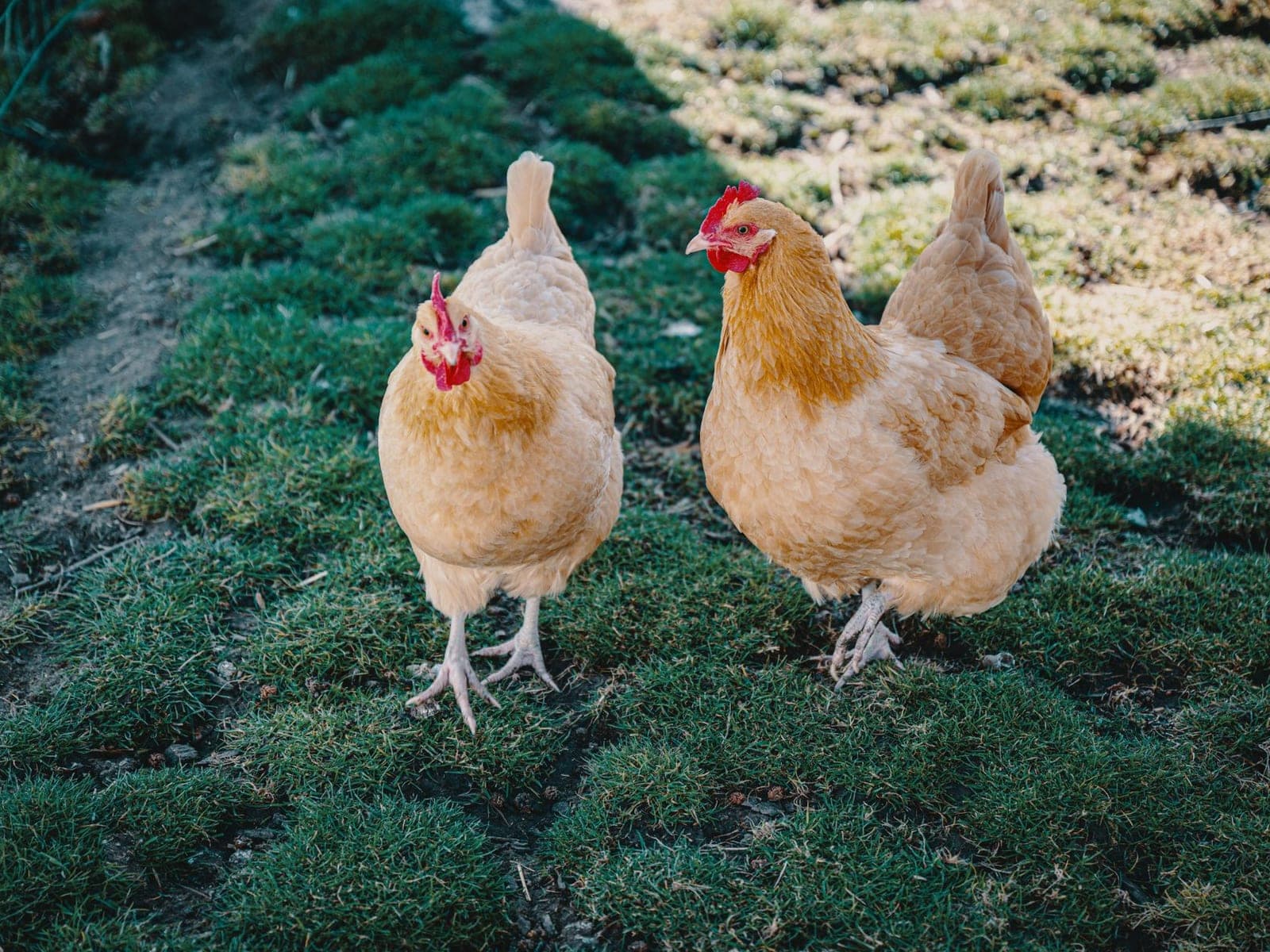
- Origin
- Orpington, Kent, England
- Species
- Gallus gallus domesticus
- Breed group
- English heavy dual-purpose breed
- Primary purpose
- eggs and meat
- Typical weight
- 3.6–4.5 kg
- Plumage
- profuse, soft and loose
- Body type
- deep, broad and cobby
- Variety note
- Buff is one recognized color context, not the whole breed.
Temperament
- temperament varies by line
- often selected for household flocks
Overview
The Orpington is a large British breed developed around a broad, deep, cobby body and originally promoted for dual-purpose farm use. The Buff Orpington became especially familiar, but buff is a color variety, not a synonym for the entire breed. The Orpington Club standard describes profuse, soft, loose plumage, a broad rounded breast, short strong legs, and a compact tail. That outline creates real care implications: the bird needs roomy access and dry litter, while abundant feathering can conceal body condition and skin problems. Orpingtons are often selected for household flocks, but this draft does not turn popularity into a universal temperament promise. Ask to see adult breeder stock, observe how birds react to handling and flock pressure, and confirm whether the seller breeds for utility, exhibition, or another goal. Large-fowl standard weights are substantial, so an owner should plan for sturdy low perches, wide openings, secure floor traction, and enough feeder frontage before bringing birds home.
Caring for the Orpington Chicken
Design care for a large, abundantly feathered chicken. Use broad stable perches placed at a manageable height, wide doors and pop holes, dry non-slip flooring, clean nest areas, and ventilation that removes moisture without creating a direct roost-level draft. Dense-looking plumage should be parted during regular checks so skin, vent feathers, and actual body condition can be assessed. Shade and clean water remain essential in warm weather. Feed a complete ration appropriate to life stage and production rather than trying to maintain a large silhouette with treats. Provide secure movement and foraging opportunities to support condition. Watch whether a calm or slow-moving individual is being displaced by more assertive flock mates. The breed can be an appealing household choice when the owner wants a substantial bird and can maintain dry, spacious infrastructure; it is a poor impulse purchase for a coop built around bantams or lightweight layers.
History and origin
William Cook developed the Orpington in Kent and introduced the first Black Orpington in 1886. The name came from the town of Orpington. Later colors expanded the breed's recognition, and the Buff variety became a favored general-purpose farm bird in parts of the United States. The breed's original dual-purpose aim matters when reading modern claims: exhibition selection, utility selection, and hatchery production do not necessarily produce identical body, laying pattern, or behavior. The breed standard is a description of ideal type, not a guarantee that every bird offered under the name meets it.
Orpington Chicken care in detail
Housing and environment
Provide a dry, well-drained, ventilated, predator-resistant coop with wide openings, stable low perches, clean nests, shade, and enough room for the plumage and body to clear fixtures. Check that smaller flock mates also retain access to feed and water. Local rules, climate extremes, and rooster restrictions must be assessed before acquisition.
Daily routine
Refresh water, inspect feed, collect eggs, remove wet litter, and watch each bird walk, eat, drink, and settle. A feathered outline can make a bird look full-bodied when hands-on condition is changing, so schedule regular gentle checks of the keel area, skin, feet, and vent feathers. Count birds and secure them at dusk. Each week, inspect perch stability, doorway width, nest cleanliness, roof and wire, ventilation, drainage, and evidence of rodents. Record sustained appetite, mobility, or laying changes rather than assuming a quiet bird is simply relaxed.
Feeding and nutrition
Base the diet on a complete ration for the correct life stage and purpose, and provide clean water continuously. Keep scratch, scraps, and other extras limited so they do not displace balanced nutrition. Adjust feeder height and frontage so a large adult can eat without twisting or being blocked. Store feed dry, cool, and pest-resistant. Mixed-age flocks need a plan that avoids feeding immature birds an adult high-calcium layer ration as their only diet; seek a poultry nutrition or veterinary source for a specific flock plan.
Health
Routine checks should look beneath abundant plumage and should establish the bird's normal movement, respiration, appetite, posture, and droppings. Separate an ill bird and seek professional help for breathing difficulty, neurologic changes, facial swelling, severe lameness, collapse, multiple affected birds, or unexplained deaths. Use quarantine, dedicated footwear and tools, visitor limits, rodent control, and wild-bird separation. Clean before disinfecting. Keep poultry equipment outside human living areas and wash hands after contact because apparently healthy birds can carry Salmonella.
Space and activity
Provide secure floor and outdoor room for walking, scratching, dust bathing, and foraging. Use broad low perches and stable ramps rather than requiring frequent high jumps from a heavy bird. Distribute resources so movement is encouraged without making food and water hard to reach. Monitor footing in rain and around waterers.
Grooming and dust bathing
Maintain dry litter and a dry dust bath. Part the loose plumage during inspections to look for skin irritation, soiling, feather damage, or parasites, and keep vent feathers clean through husbandry rather than routine cosmetic bathing. Persistent matting, odor, wounds, or abnormal skin needs investigation and qualified advice.
Handling and training
Use a consistent cue and small feed reward for coop return and transport-crate entry. Support the body and legs during handling. Calm repetition is preferable to chasing. Children need direct adult supervision around any large chicken, even when the individual is familiar and easy to approach.
Breeding
Define whether the goal is utility, exhibition, or preservation of a recognized variety. Select healthy birds with sound structure and manageable behavior, compare them with the appropriate standard, and keep parentage and hatch records. Do not use color alone as proof of breed quality. Plan housing and responsible outcomes for both pullets and cockerels.
Frequently asked questions
- Is every Orpington a Buff Orpington?
- No. Buff describes a color variety; Orpington is the breed. Black was the first introduced Orpington, and additional recognized colors followed. Ask which variety and line a seller maintains rather than using buff color alone as proof of breed or quality.
- What housing changes help a large Orpington?
- Use wide openings, broad stable low perches, dry non-slip flooring, and enough nest and floor room for a large, fully feathered adult to turn without crowding. Check the actual birds against the structure; a generic bird count does not reveal whether access points and fixtures are usable.
- Does loose plumage change routine care?
- It makes hands-on inspection more important because body condition, skin irritation, soiling, and feather damage can be hidden. Keep housing dry, provide a dust bath, and part feathers during regular checks. Persistent abnormalities should be assessed by a qualified poultry professional.
Sources
Breed standards, conservation status and husbandry guidance on this page are drawn from the following published sources.
Choosing between breeds? Compare the famous farm breeds or read the chicken keeping guide.