
Sussex Chicken
Written by Diosh Lequiron
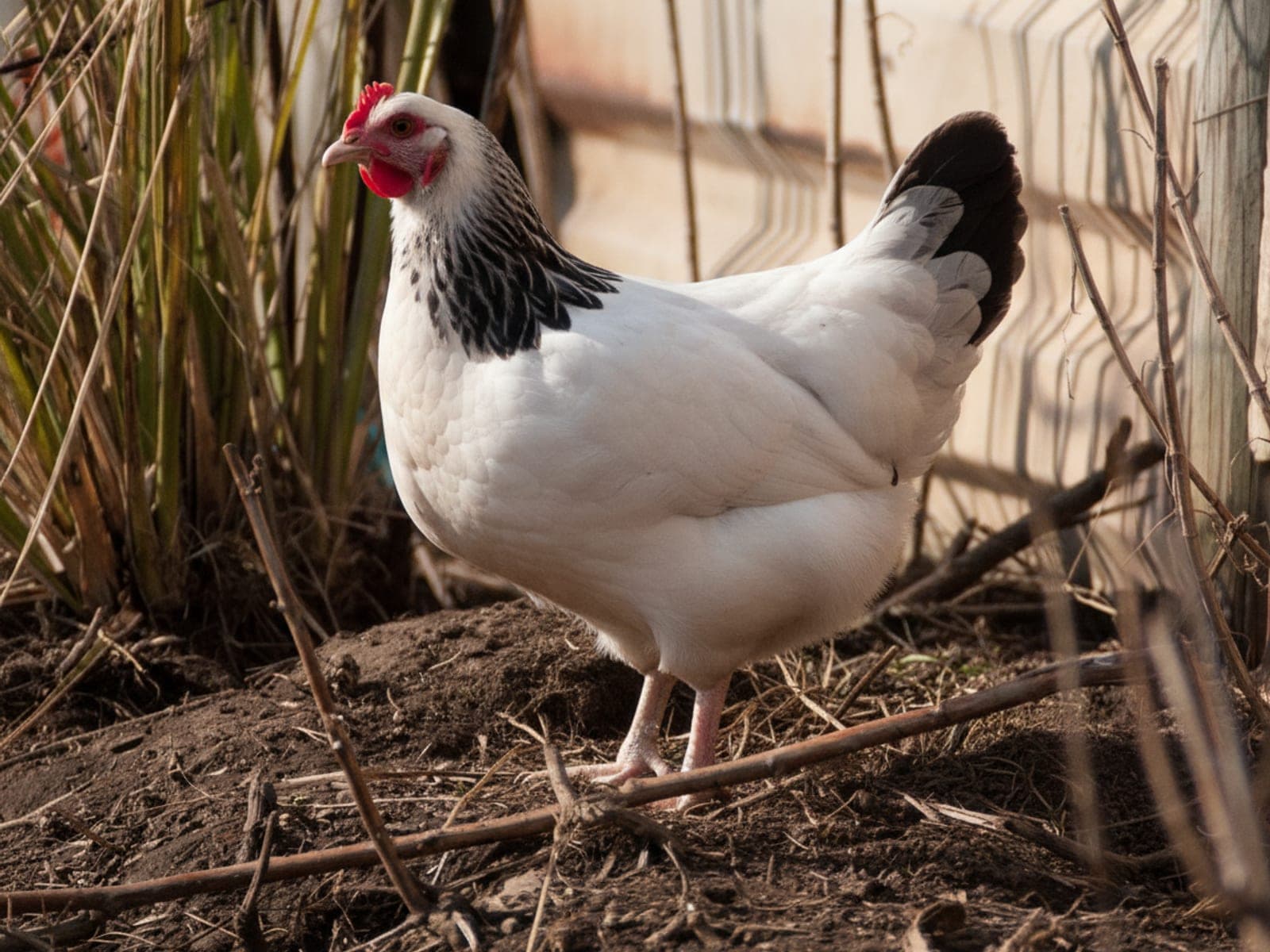
- Origin
- Sussex and surrounding counties in southeastern England
- Species
- Gallus gallus domesticus
- Breed group
- English dual-purpose breed
- Primary purpose
- eggs and meat
- Typical weight
- 3.2–4.1 kg
- Egg size
- large
- Egg color
- tan to brown
- Condition note
- Can put on excess condition; assess ration and body condition.
Temperament
- calm
- curious
Overview
The Sussex is a large English dual-purpose breed known for a calm, curious temperament and useful egg-and-table role. It is often a sensible comparison point for families or mixed small flocks because its appeal is balance rather than a single extreme: substantial body, active interest in its surroundings, and a less flighty manner than a Mediterranean egg specialist. That does not make every bird docile or automatically child-safe. Breeder selection, early handling, sex, space, and flock hierarchy still shape behavior. The breed is available in multiple recognized varieties, including Speckled, Red, and Light in the American historical record. Variety changes appearance; it should not be used to promise a fixed personality or laying result. A prospective keeper should prioritize healthy stock, sound legs, clear provenance, and an adult flock whose behavior matches the seller's description. Because Sussex birds can gain excess condition, the practical management question is not simply whether they forage, but whether balanced feed, treats, range access, and body condition are being assessed together.
Caring for the Sussex Chicken
Build the routine around a large, curious bird. The coop, doors, perches, nest access, and feeder edges must allow adult birds to turn and settle without crowding. Provide dry ventilation, secure night housing, shade, clean water, balanced feed, and a protected outdoor area with litter or ground suitable for scratching. Curiosity is useful enrichment feedback: rotate safe objects, provide visual cover, and scatter a small portion of the normal ration in clean litter rather than relying on calorie-heavy treats. Monitor body condition and mobility, not just feather volume. The breed's ease of fattening is a reason to avoid unlimited scraps and to keep movement opportunities available. Use more than one resource station when mixing large Sussex birds with timid or smaller chickens. Calm behavior can make routine checks easier, but it should not reduce biosecurity or predator precautions. Quarantine new arrivals and track any sudden flock-level change.
History and origin
Poultry from Sussex, Kent, and Surrey had a long regional reputation before the modern Sussex breed took form. The Livestock Conservancy places the recognizable breed's development roughly in the last century-plus and notes its exhibition in the nineteenth-century English poultry world. Sussex chickens reached the United States around 1912. Speckled and Red varieties entered the American Poultry Association standard in 1914, with Light following in 1929. Historically, the breed was valued as a large dual-purpose table and egg bird. That utility history is more informative than presenting the Sussex as a decorative color pattern alone.
Sussex Chicken care in detail
Housing and environment
Use a well-drained site and a dry, ventilated, predator-resistant coop with wide enough openings, stable perches, clean nests, shade, and more than one water point in heat. Outdoor space should prevent contact with known hazards and wild-bird contamination. Check local zoning and rooster limits before purchase.
Daily routine
Refresh and inspect water, check feed condition, collect eggs, remove wet bedding, and observe each bird's movement and access to resources. For a heavily feathered large bird, use hands-on checks periodically so body condition is not judged by outline alone. At dusk, count birds and secure the coop. Weekly, inspect perch stability, nest cleanliness, ventilation, floor dryness, foot condition, and signs of rodents or predator pressure. Note whether a smaller flock mate waits until the Sussex birds leave the feeder; resource competition can exist even in a generally calm flock.
Feeding and nutrition
Use a complete ration matched to age and laying status, with fresh water available at all times. Foraging and vegetables can add behavioral variety, but scratch and scraps should not dilute the balanced diet. Monitor body condition because a dual-purpose bird can carry weight under dense feathers. Do not solve suspected excess weight with abrupt restriction that prevents lower-ranking birds from eating. Review ration choice, treat volume, feeder access, and activity with a poultry veterinarian, nutritionist, or extension specialist when condition is unclear.
Health
Sussex chickens require the same flock-level disease prevention as other breeds. Quarantine additions, minimize unnecessary visitors, use dedicated footwear and tools, keep wild birds away from feed and water, and clean organic material before disinfection. Watch for reduced appetite, isolation, altered breathing, lameness, facial swelling, abnormal droppings, or a sudden fall in egg production. Isolate a sick bird and seek qualified help when signs are severe, spreading, or unexplained. Wash hands after bird, egg, litter, or equipment contact; healthy-looking poultry can still carry germs that affect people.
Space and activity
Provide enough secure floor and outdoor room for a large bird to walk, scratch, forage, dust bathe, and move away from flock mates. Low, stable perches and wide access points can be easier for substantial adults than narrow or steep arrangements. Encourage movement through distributed resources and safe enrichment rather than excessive treats.
Grooming and dust bathing
Dry litter and a dust-bathing area support normal plumage care. Inspect the skin beneath dense feathers, the vent area, feet, and legs during routine handling. Mud, persistently soiled feathers, or recurring skin irritation is a housing or health signal, not just a cosmetic issue. Seek diagnosis before applying parasite products.
Handling and training
Use calm repetition to teach coop return, a recall cue, and crate entry. The Sussex's curious manner can support routine handling, but reward-based training should not become unrestricted hand feeding that creates crowding around children. Supervise all child-bird contact and provide the bird an exit.
Breeding
Select healthy, structurally sound birds that match the intended Sussex variety and purpose. Keep accurate parentage and hatch records and avoid pairing solely for a popular color. Plan space and outcomes for both sexes. Broodiness and laying behavior vary among individuals and strains, so breeder records are more useful than a universal breed promise.
Frequently asked questions
- Is a Sussex a good fit for a mixed flock?
- Its generally calm, curious reputation can suit a mixed flock, but compatibility must be judged at bird and line level. Match body size and temperament, provide several resources, quarantine newcomers, and supervise introductions. A breed description cannot guarantee that one individual will integrate without conflict.
- Is a Speckled Sussex a different breed?
- Speckled is a recognized variety of the Sussex breed, not a separate biological species. Color variety helps describe standard appearance, while care, behavior, and production should still be evaluated from the actual breeder line and individual bird.
- Do Sussex chickens need weight monitoring?
- Yes. The breed's substantial dual-purpose build and tendency to fatten make body-condition checks useful. Evaluate the complete ration, treat volume, activity, and access for every bird. Feather volume can hide condition, so ask a qualified poultry professional to demonstrate hands-on assessment if needed.
Sources
Breed standards, conservation status and husbandry guidance on this page are drawn from the following published sources.
Choosing between breeds? Compare the famous farm breeds or read the chicken keeping guide.