
Fur type
Havana
Buy a Havana for the coat and you will keep it for the temperament — that inversion is the most useful thing a prospective owner can know about the breed.
Size
4-6 lb
Lifespan
8-11 years
Free-roam
3-4 hours free-roam
Experience
Rabbit-savvy planning
Decision first
Is a Havana right for you?
Start with fit before history or trivia. These are ownership signals, not guarantees about any individual rabbit.
Best suited for
- Owners prepared for hay-first feeding, litter care, and daily supervised free-roam time.
Think carefully if
- You need a pet with almost no daily feeding, litter, and health-monitoring routine.
- You cannot keep up with grooming and preventive care.
- You cannot access a rabbit-savvy veterinarian for routine and urgent care.
Conditional fit
Apartment living may be difficult unless the owner can provide a large exercise pen or safe room for daily movement.
Daily reality
Havana commitment snapshot
Daily free-roam
3-4 hours free-roam
Match movement, enrichment, and rabbit-proofing to age, health, heat, and housing.
Coat care
Low
Grooming needs vary by coat, shedding, and lifestyle.
Health monitoring
Needs planning
Most rabbits need daily appetite, droppings, litter, teeth, ears, and behavior checks.
Structured facts
Havana at a glance
The measurements and traits that most affect day-to-day life with this breed.
Origin
Netherlands
Group
Fur
Weight
4-6 lb
Height
9-11 in
Lifespan
8-11 years
Temperament
calm | docile | affectionate
View all characteristics and methodology
Lifestyle fit
- Indoor housing
- Needs caution
- Child friendliness
- Needs caution
- Bonding potential
- Individual match
- Handling styleMost rabbits are safer and calmer when interaction happens close to the ground.
- Floor-level preferred
Owner commitment
- Free-roam time
- 3-4 hours free-roam
- Grooming
- Low
- Litter routineClean litter supports hygiene and makes appetite or droppings changes visible.
- Daily
Behavior
- Sociability
- Breed-specific
- Energy
- Moderate
- Trainability
- Moderate
- Noise
- Quiet
Environment and health
- Dental monitoring
- Routine priority
- Heat sensitivity
- Needs indoor climate control
- Health risk
- Needs planning
- Vet type
- Rabbit-savvy or exotics
Ratings combine structured breed data, visible breed fields, and editorial context. They are planning aids, not predictions for an individual rabbit.
Daily life
Havana temperament and behavior
Buy a Havana for the coat and you will keep it for the temperament — that inversion is the most useful thing a prospective owner can know about the breed. The Havana is a compact fur breed of roughly 1.6 to 2.5 kg (about 3.5 to 5.5 pounds) developed in the Netherlands and prized for a dense, lustrous coat that throws back light like polished mahogany; the original and still-defining variety is a deep chocolate brown, with blue, black, broken, and lilac also recognized in the show world. That sheen is genuinely unusual among rabbits and it is what sells the breed in photos, but it is not why experienced keepers like them. Havanas are quiet, deliberate animals — markedly calmer than the dwarf breeds — and they tend to settle into a routine rather than test it, which makes them well suited to a calm adult household or a gentle, supervised family rather than a noisy one. Do not mistake calm for low-maintenance. A Havana is still an 8-to-11-year commitment, still a prey animal that hides illness until it is serious, and still an obligate hay-eater that needs free-roam exercise and a vet who actually treats rabbits. Their small frame is the practical catch most owners underestimate: at under 2.5 kg these rabbits gain weight fast on too many pellets, and obesity in a small rabbit accelerates sore hocks, GI trouble, and the inability to groom the hindquarters — so portion discipline matters more here than in a larger breed. Source from an ARBA-registered breeder or a rescue rather than a pet-store tank, weigh monthly, and budget for an exotics vet from day one. Get those right and the Havana rewards you with a steady, affectionate, genuinely beautiful companion that asks for far less drama than its dwarf cousins.
calm | docile | affectionate
calm
A common Havana temperament descriptor that should be interpreted alongside housing, gentle handling, diet, and health monitoring, and household fit.
docile
A common Havana temperament descriptor that should be interpreted alongside housing, gentle handling, diet, and health monitoring, and household fit.
affectionate
A common Havana temperament descriptor that should be interpreted alongside housing, gentle handling, diet, and health monitoring, and household fit.
Owner note
Temperament labels are starting points, not guarantees. Meet the individual rabbit and ask about behavior history whenever possible.
Care essentials
How to care for a Havana
What looking after one actually involves: diet, grooming, habitat, bonding and routine health.
DietAs needed
- Unlimited grass hay — timothy, orchard, or meadow — is the foundation of a Havana's diet: it should be the bulk of every day's food, and it is what keeps the gut moving and wears down teeth that grow for life. Add a measured daily pellet portion sized for a 2–2.9 kg rabbit, a rotating variety of washed leafy greens, and constant fresh water.
HousingAs needed
- A Havana rabbit needs room to run, not just a hutch: space to take several consecutive hops and to stand fully upright on its hind legs, with solid flooring rather than wire mesh, at least one hide, and a toilet corner cleaned daily.
ExerciseAs needed
- Give a Havana several hours of daily free-roaming time in a safe, rabbit-proofed space; confinement without it causes both muscle and bone problems. Even a calm Havana needs the movement — tunnels, chews, and forage toys keep the time active rather than idle.
GroomingAs needed
- A Havana keeps itself fairly clean; brush weekly to lift loose hair and daily through a moult, and check the rear daily for soiling, which draws flystrike in warm weather.
VeterinaryAs needed
- Line up a rabbit-savvy vet before you need one and keep to twice-yearly checks. A Havana that stops eating or stops passing droppings is a same-day emergency — call a rabbit-savvy vet that day, because gut slowdown (GI stasis) can turn life-threatening within hours. Ask about RVHD and myxomatosis vaccination for your area, and consider neutering for its health and behaviour benefits.
Health planning
Havana health risks and screening
Every rabbit breed has individual health variation. Use this profile for planning and discuss diet, dental care, gut health, and urgent symptoms with a rabbit-savvy veterinarian.
Ownership cost
How much does a Havana cost?
Cost figures are structured so first-year and lifetime estimates do not conflict with the underlying line items.
| Acquisition | $50-$100 |
|---|---|
| Adoption | |
| Initial setup | |
| Routine monthly | About $55/month |
| Routine annual | About $660/year |
| First-year estimate | $710-$760 |
| Lifetime routine estimate | $5,280-$7,260 routine costs |
Currency: USD. Region: United States. Updated: . Typical ranges for this breed. Equipment, insurance, emergency veterinary care, boarding and training are NOT included: we hold no sourced figures for them, and estimating them would be a guess presented as data.
Responsible ownership
Finding a Havana responsibly
What to ask a breeder or rescue is the same conversation for every breed, so we keep it in one place and keep it current.
Health documentation, meeting the parents or foster, contracts and return support, and the warning signs worth walking away from.
Original purpose
Havana history
History is useful when it explains today's behavior, coat, exercise needs, and care style.
Read the breed history
The Havana is one of the older fur breeds and originated in the Netherlands in the late nineteenth century, where it appeared from a chance litter of an ordinary Dutch doe and was then bred deliberately for its rich, glossy brown coat. The name points to the color rather than the place: keepers thought the deep brown resembled the shade of a Havana cigar, not that the rabbit came from Cuba. From that brown foundation, breeders later fixed additional colors — blue, then black, chocolate, lilac, and broken patterns — each added to the standard over decades of selective work. The Havana spread through Europe and into North America, where the American Rabbit Breeders Association recognized it as a distinct fur breed. It has never been a high-volume pet-store rabbit; instead it has kept a small, dedicated following among fur and show enthusiasts who value the coat's density and the breed's notably calm disposition, and that low-churn breeding history is part of why well-bred Havanas tend to have stable temperaments.
Gallery
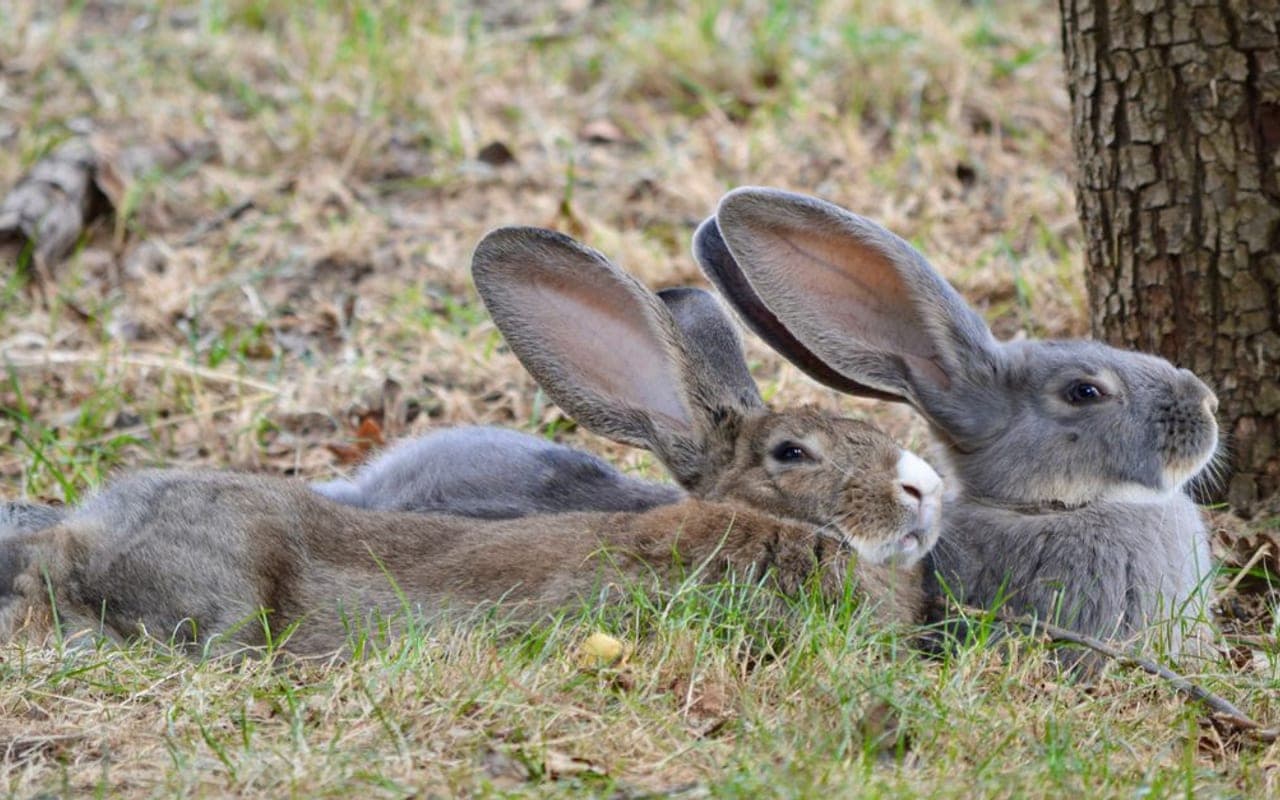
Havana photos
Images are cropped consistently and loaded progressively to keep the page responsive.
Lower-page context
Havanas in culture
Where the breed shows up in film, sport, work and folklore — the enjoyable part, once the practical questions are answered.
Fun facts
- The Havana is named for the color of a Havana cigar, not the city — early keepers thought its deep brown coat matched the tobacco shade.
- The breed began from a single unexpectedly brown rabbit in a Dutch litter, then was deliberately bred to fix that lustrous color.
- Havana fur is so dense and glossy that the breed historically influenced the coat quality of several other 'self' (solid-colored) rabbits.
- Despite the name, the Havana was developed in the Netherlands and has no Cuban ancestry at all.
- Havanas are classed as a fur breed and are prized in the show ring for coat sheen as much as for body type.
Havana FAQs
What color is a Havana rabbit?
The original and signature Havana is a deep, glossy chocolate brown so dark it can look almost black in low light, and that mirror-like sheen is the breed's defining trait. Over time breeders also fixed blue, black, lilac, and broken (patched) varieties, all recognized in the show standard. Whatever the color, the coat should be dense and lustrous rather than dull, which is one practical way to judge whether a Havana was well bred.
Are Havana rabbits good pets for families?
Havanas suit calm households better than busy ones. They are among the more docile, even-tempered rabbit breeds and tolerate gentle handling well, but like all rabbits they are prey animals with fragile spines that dislike being picked up and can be badly hurt if dropped or squeezed. They work best as a family pet supervised by adults, with older, gentle children interacting at floor level rather than carrying the rabbit around constantly.
How much grooming does a Havana need?
A Havana's short, dense coat is low-maintenance: a brush twice a week is enough to keep it glossy and to remove loose fur the rabbit would otherwise swallow. During the spring and autumn molts, step up to several times a week, because ingested shed fur combined with a low-fiber diet is a leading trigger of GI stasis. You should never bathe a rabbit — it causes dangerous stress and chilling; spot-clean instead and address soiling at its dietary source.
How long do Havana rabbits live?
A well-cared-for Havana typically lives about 8 to 11 years, far longer than most first-time owners expect from a small pet. Lifespan depends heavily on a hay-first diet, neutering (which prevents reproductive cancers in does), indoor housing away from heat and predators, and access to a vet who actually treats rabbits. Plan for a decade-long responsibility and the recurring exotics-vet costs that come with it, not a short-term starter pet.
Why do Havanas gain weight so easily?
At only 1.6 to 2.5 kg a Havana has a small energy budget, so the standard scoop of pellets that suits a larger rabbit quickly becomes too much. Excess weight is more than cosmetic: an overweight rabbit cannot twist to groom its hindquarters, which invites soiling, flystrike, and pressure sores on the hocks. Keep pellets to about a quarter cup, make unlimited hay the bulk of the diet, and weigh the rabbit monthly to catch creeping gain early.
Similar breeds to consider
Worth comparing if this breed appeals but you want a different fit on family life, grooming, energy, size or temperament.
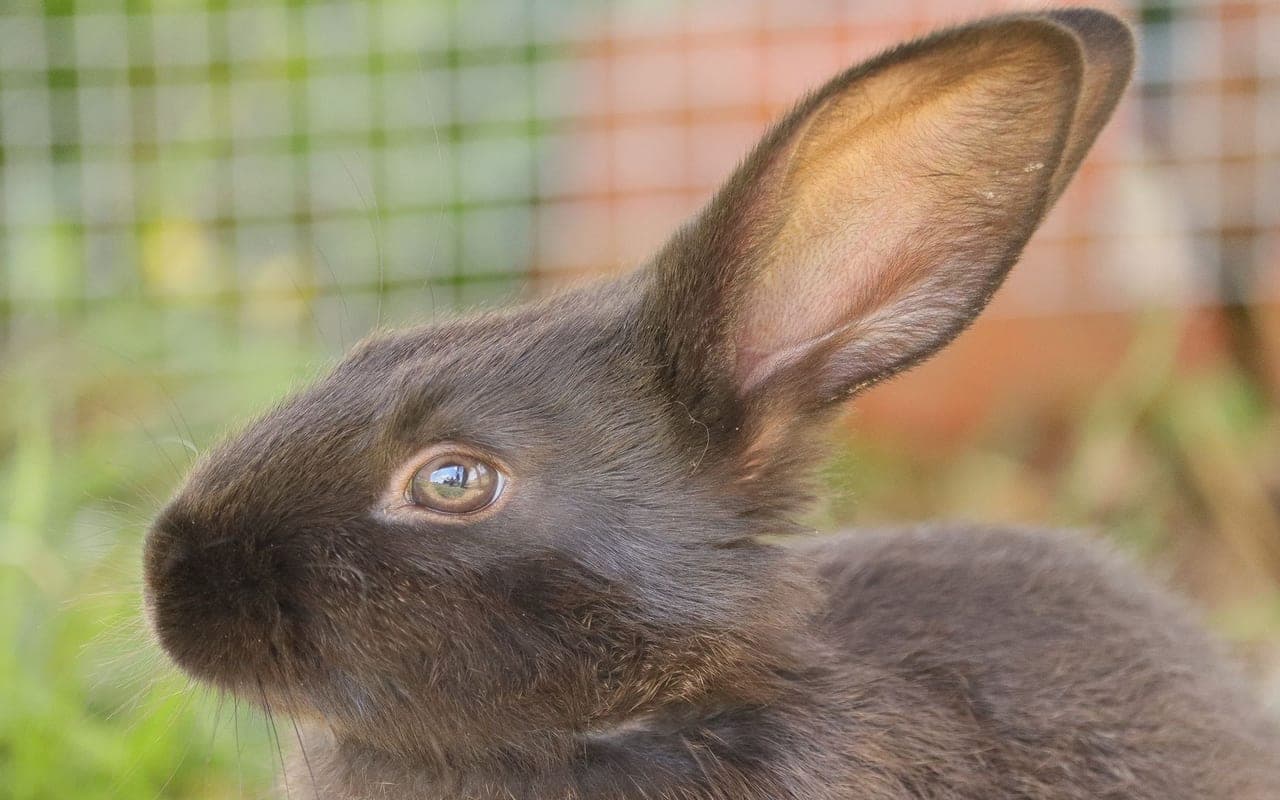
Silver Marten
Also in the Fur group, with different size, housing, grooming, and health tradeoffs.
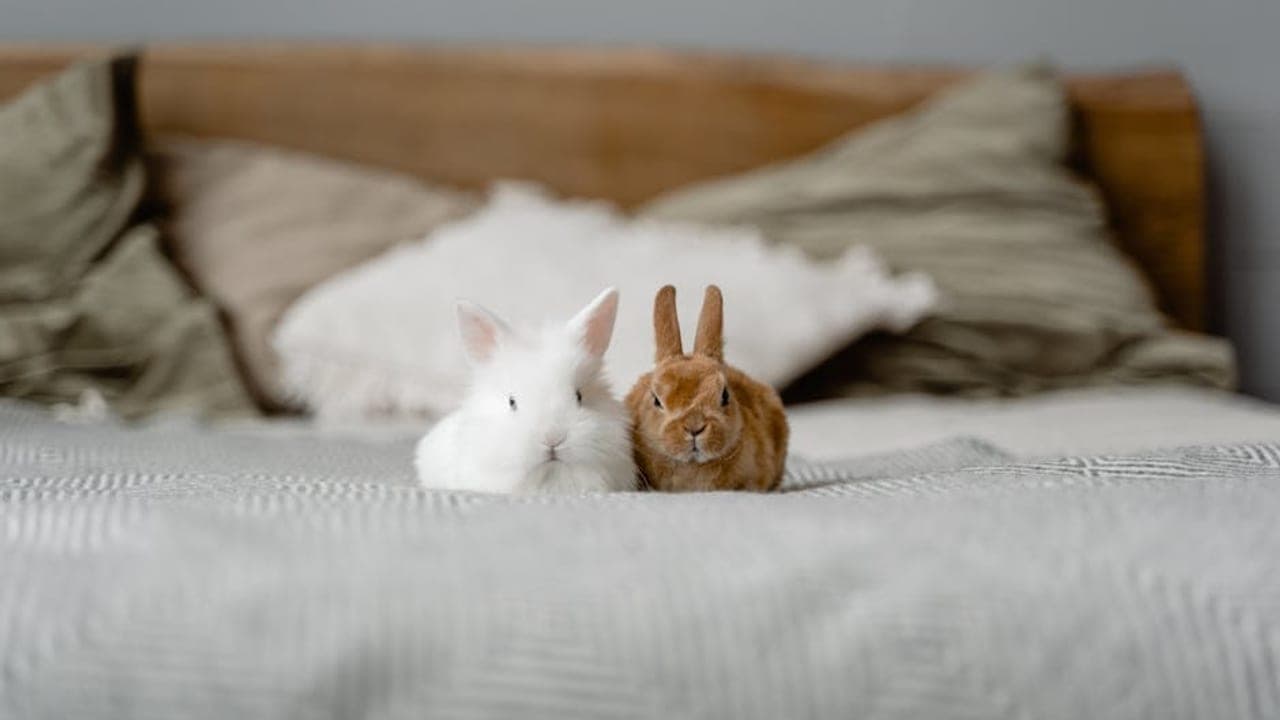
Satin
Also in the Fur group, with different size, housing, grooming, and health tradeoffs.
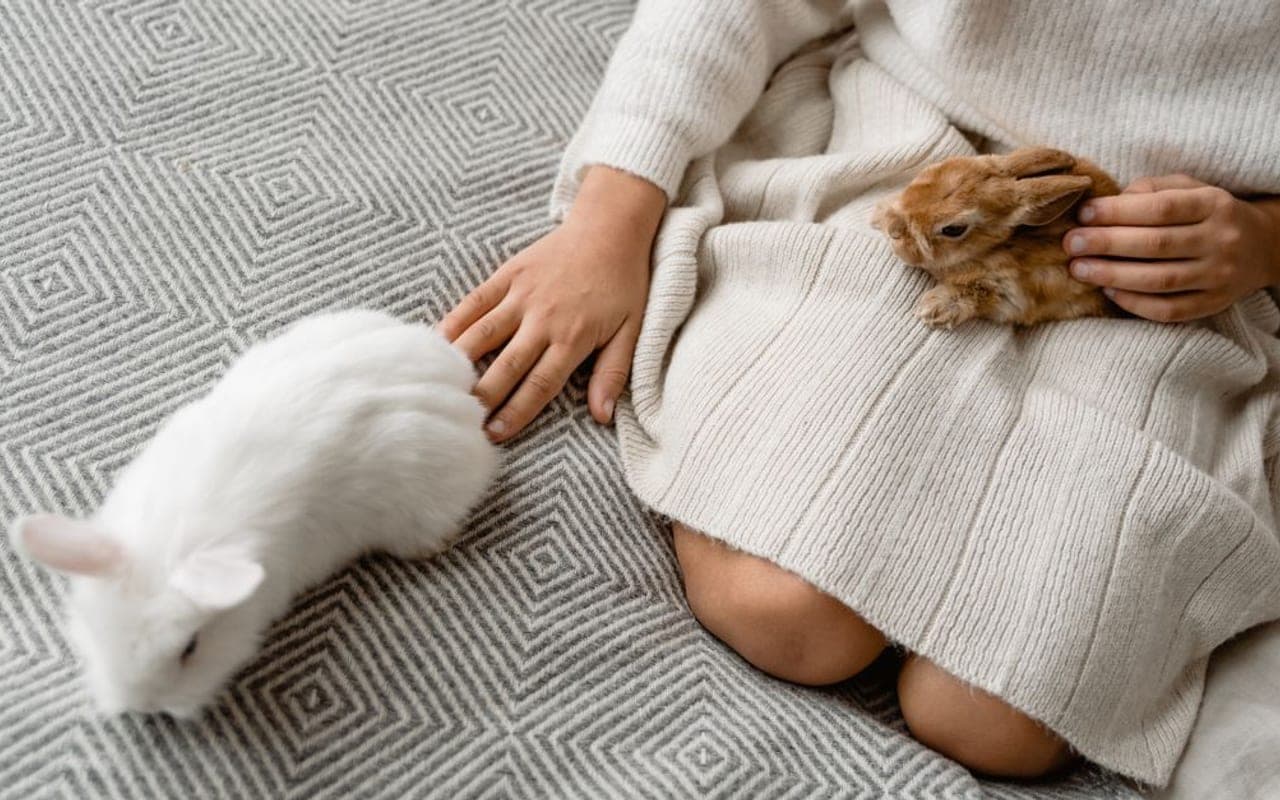
Silver
Also in the Fur group, with different size, housing, grooming, and health tradeoffs.
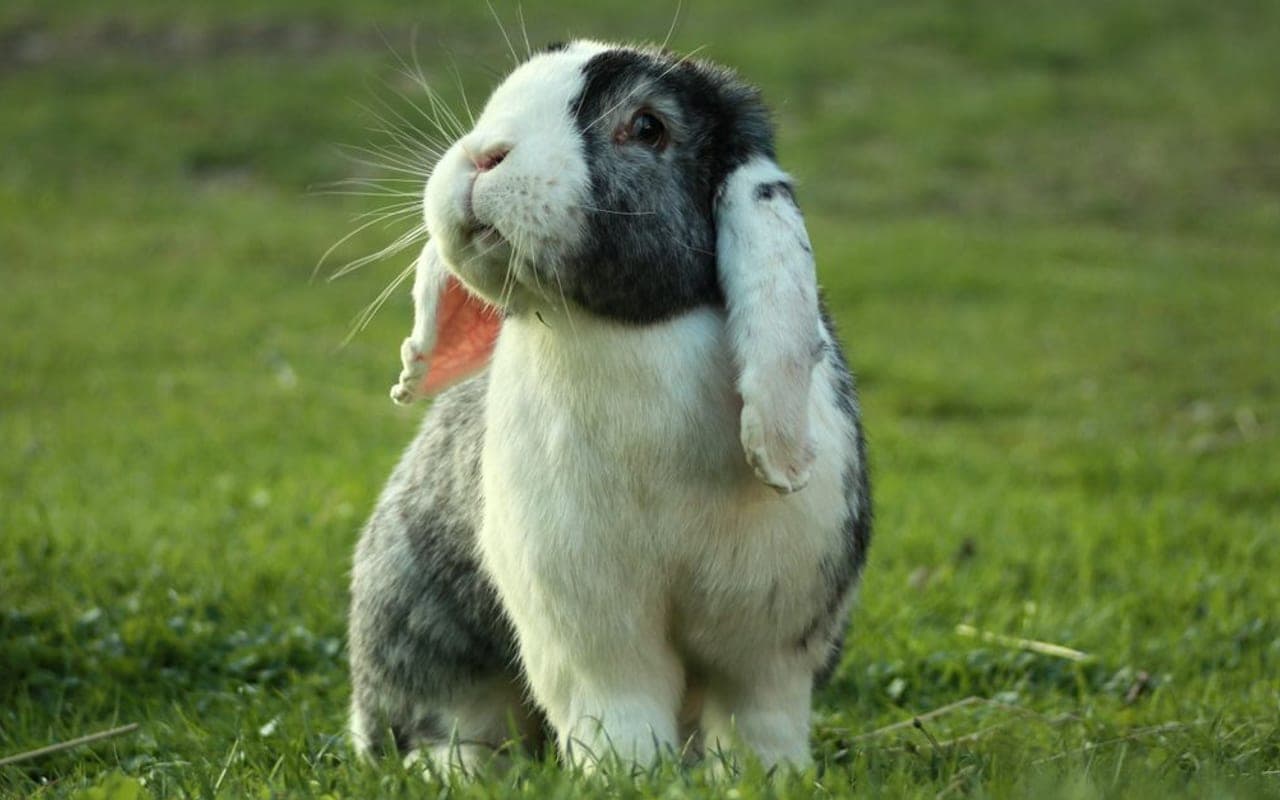
Velveteen Lop
Compare size, grooming, free-roam needs, handling tolerance, and health planning before deciding.
Explore More About Havana
Dive deeper into everything Havana — costs, care, and expert insights.
How Much Does a Havana Cost?
Purchase price, monthly costs, and lifetime expenses
Polish Rabbit Care Guide
This guide gives you a practical plan for living with a...
Jersey Wooly Care Guide
This guide gives you a practical plan for living with a [Jersey...
Considering a guinea pig instead?
Browse Guinea Pigs