
Fur type
Silver Marten
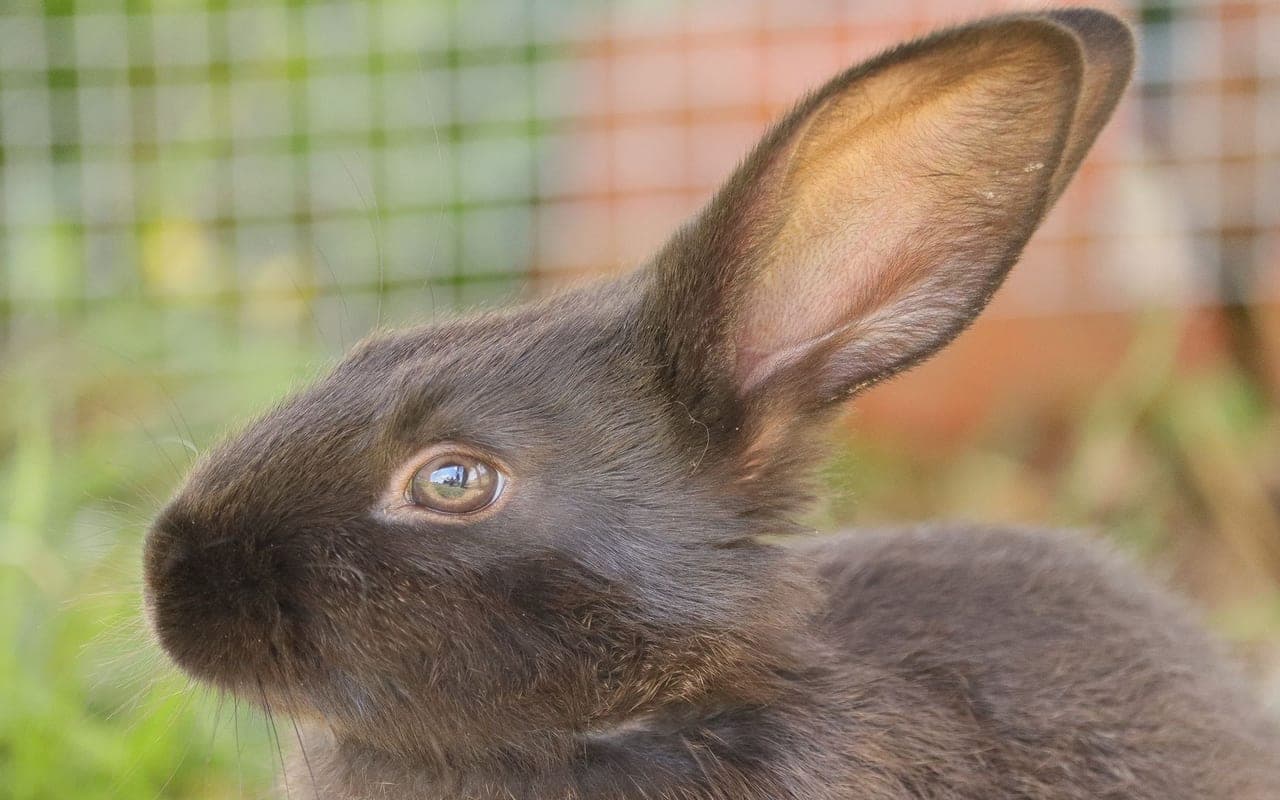
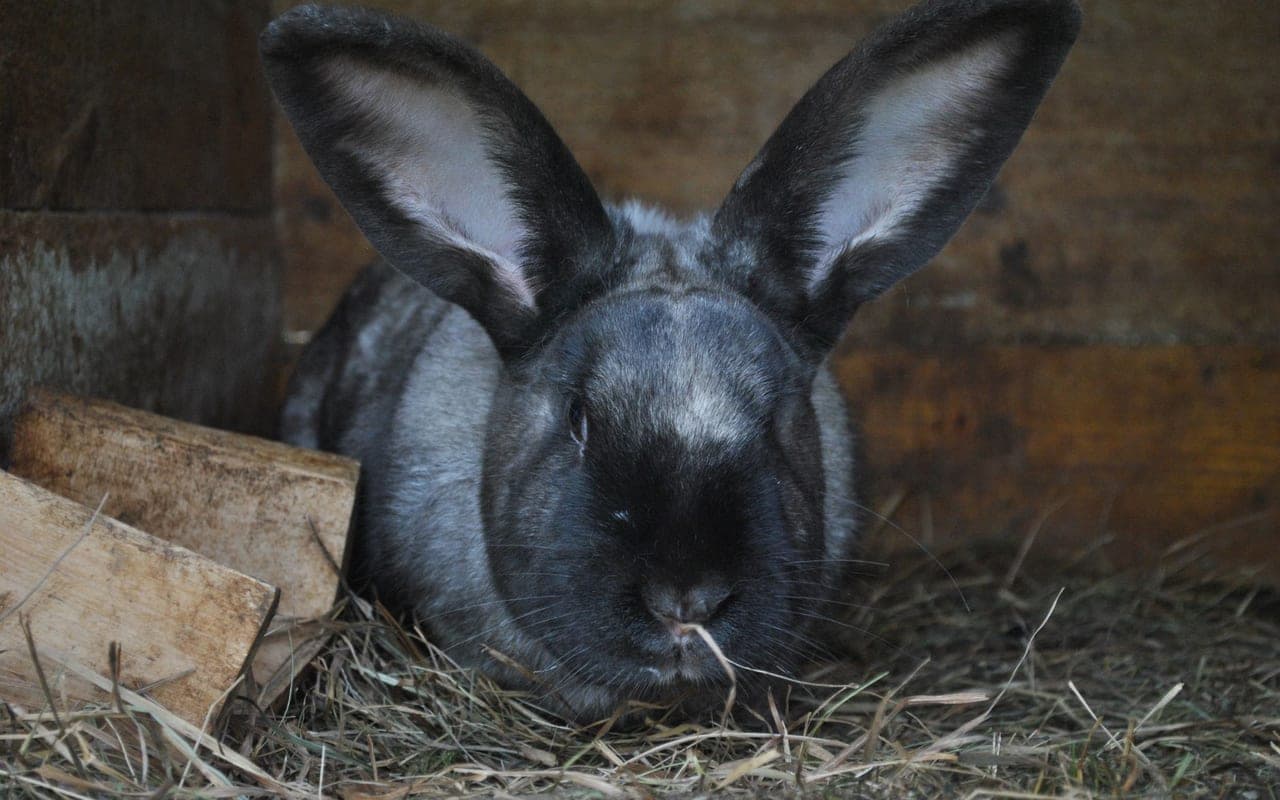
The Silver Marten is a study in markings rather than mass — a striking, compact rabbit whose appeal is entirely in its sharp, tuxedo-like pattern, and whose history is a useful lesson in how a 'flaw' becomes a breed.

Size
6-9 lb
Lifespan
8-10 years
Free-roam
4+ hours free-roam
Experience
Rabbit-savvy planning
Decision first
Is a Silver Marten right for you?
Start with fit before history or trivia. These are ownership signals, not guarantees about any individual rabbit.
Best suited for
- Owners who can provide large exercise space, enrichment, and close daily monitoring.
Think carefully if
- You cannot provide supervised free-roam time, enrichment, and rabbit-proofed space.
- You cannot keep up with grooming and preventive care.
- You cannot access a rabbit-savvy veterinarian for routine and urgent care.
Conditional fit
Apartment living may be difficult unless the owner can provide a large exercise pen or safe room for daily movement.
Daily reality
Silver Marten commitment snapshot
Daily free-roam
4+ hours free-roam
Match movement, enrichment, and rabbit-proofing to age, health, heat, and housing.
Coat care
Low
Grooming needs vary by coat, shedding, and lifestyle.
Health monitoring
Needs planning
Most rabbits need daily appetite, droppings, litter, teeth, ears, and behavior checks.
Structured facts
Silver Marten at a glance
The measurements and traits that most affect day-to-day life with this breed.
Origin
United States
Group
Fur
Weight
6-9 lb
Height
10-12 in
Lifespan
8-10 years
Temperament
Calm | Alert | Friendly
View all characteristics and methodology
Lifestyle fit
- Indoor housing
- Needs caution
- Child friendliness
- Needs caution
- Bonding potential
- Individual match
- Handling styleMost rabbits are safer and calmer when interaction happens close to the ground.
- Floor-level preferred
Owner commitment
- Free-roam time
- 4+ hours free-roam
- Grooming
- Low
- Litter routineClean litter supports hygiene and makes appetite or droppings changes visible.
- Daily
Behavior
- Sociability
- Breed-specific
- Energy
- Moderate
- Trainability
- Moderate
- Noise
- Quiet
Environment and health
- Dental monitoring
- Routine priority
- Heat sensitivity
- Needs indoor climate control
- Health risk
- Needs planning
- Vet type
- Rabbit-savvy or exotics
Ratings combine structured breed data, visible breed fields, and editorial context. They are planning aids, not predictions for an individual rabbit.
Daily life
Silver Marten temperament and behavior
The Silver Marten is a study in markings rather than mass — a striking, compact rabbit whose appeal is entirely in its sharp, tuxedo-like pattern, and whose history is a useful lesson in how a 'flaw' becomes a breed. Its coat is a rich, dark base — most familiarly black, but also blue, chocolate, and sable — broken by crisp silver-white marten markings: a pale belly, the underside of the tail, the insides of the ears, and bright silver tipping and triangles around the eyes, nostrils, jaw, and the nape. That contrast, clean and well-defined when well bred, is the whole point of the animal. The breed is also a genetic side-story: marten-marked rabbits appeared as a recurring 'sport' in litters of self-colored breeds such as the Chinchilla, and rather than discard them, American breeders fixed the pattern into a recognized breed of its own in the early 20th century. The result is a small-to-medium rabbit, generally around 6 to 8 pounds, with a fine, flyback coat that needs little grooming and an alert, lively, often slightly more energetic temperament than the placid giant breeds — these are curious, busy rabbits that want to explore. None of that exempts a Silver Marten from the realities of rabbit keeping: it is a prey animal that hides illness, needs a hay-first diet to control continuously growing teeth, requires daily free-roam exercise and enrichment to stay out of trouble, and lives 8 to 10 years. Source one from a breeder who keeps the markings sharp and the body healthy, plan for an active and inquisitive companion rather than a lap ornament, and you get a low-grooming, long-lived rabbit whose looks genuinely earn the attention.
Calm | Alert | Friendly
Calm
A common Silver Marten temperament descriptor that should be interpreted alongside housing, gentle handling, diet, and health monitoring, and household fit.
Alert
A common Silver Marten temperament descriptor that should be interpreted alongside housing, gentle handling, diet, and health monitoring, and household fit.
Friendly
A common Silver Marten temperament descriptor that should be interpreted alongside housing, gentle handling, diet, and health monitoring, and household fit.
Owner note
Temperament labels are starting points, not guarantees. Meet the individual rabbit and ask about behavior history whenever possible.
Care essentials
How to care for a Silver Marten
What looking after one actually involves: diet, grooming, habitat, bonding and routine health.
DietAs needed
- Unlimited grass hay — timothy, orchard, or meadow — is the foundation of a Silver Marten's diet: it should be the bulk of every day's food, and it is what keeps the gut moving and wears down teeth that grow for life. Add a measured daily pellet portion sized for a 2.7–4.3 kg rabbit, a rotating variety of washed leafy greens, and constant fresh water.
HousingAs needed
- A Silver Marten rabbit needs room to run, not just a hutch: space to take several consecutive hops and to stand fully upright on its hind legs, with solid flooring rather than wire mesh, at least one hide, and a toilet corner cleaned daily. A larger breed at 2.7–4.3 kg needs proportionally more floor space and a heavier-duty setup than an average-sized rabbit.
ExerciseAs needed
- Give a Silver Marten several hours of daily free-roaming time in a safe, rabbit-proofed space; confinement without it causes both muscle and bone problems. Even a calm Silver Marten needs the movement — tunnels, chews, and forage toys keep the time active rather than idle.
GroomingAs needed
- A Silver Marten keeps itself fairly clean; brush weekly to lift loose hair and daily through a moult, and check the rear daily for soiling, which draws flystrike in warm weather.
VeterinaryAs needed
- Line up a rabbit-savvy vet before you need one and keep to twice-yearly checks. A Silver Marten that stops eating or stops passing droppings is a same-day emergency — call a rabbit-savvy vet that day, because gut slowdown (GI stasis) can turn life-threatening within hours. Ask about RVHD and myxomatosis vaccination for your area, and consider neutering for its health and behaviour benefits.
Health planning
Silver Marten health risks and screening
Every rabbit breed has individual health variation. Use this profile for planning and discuss diet, dental care, gut health, and urgent symptoms with a rabbit-savvy veterinarian.
Ownership cost
How much does a Silver Marten cost?
Cost figures are structured so first-year and lifetime estimates do not conflict with the underlying line items.
| Acquisition | $50-$100 |
|---|---|
| Adoption | |
| Initial setup | |
| Routine monthly | About $55/month |
| Routine annual | About $660/year |
| First-year estimate | $710-$760 |
| Lifetime routine estimate | $5,280-$6,600 routine costs |
Currency: USD. Region: United States. Updated: . Typical ranges for this breed. Equipment, insurance, emergency veterinary care, boarding and training are NOT included: we hold no sourced figures for them, and estimating them would be a guess presented as data.
Responsible ownership
Finding a Silver Marten responsibly
What to ask a breeder or rescue is the same conversation for every breed, so we keep it in one place and keep it current.
Health documentation, meeting the parents or foster, contracts and return support, and the warning signs worth walking away from.
Original purpose
Silver Marten history
History is useful when it explains today's behavior, coat, exercise needs, and care style.
Read the breed history
The Silver Marten owes its existence to a pattern that breeders first tried to breed out and then chose to embrace. In the early decades of the 20th century, rabbits with marten-style silver markings — light bellies, eye circles, and silver tipping over a dark base — kept appearing as unwanted 'sports' in litters of self and Chinchilla rabbits in the United States. Recognizing that the contrast was attractive in its own right, American breeders selected for the marking and stabilized it into a distinct breed, with the Silver Marten gaining recognition from the American Rabbit Breeders Association and developing in several base colors including black, blue, chocolate, and sable. The breed was refined to emphasize the crispness and placement of the silver markings rather than size, keeping it a compact fur-type rabbit. It has remained primarily a show and companion breed rather than a commercial one, valued chiefly for the precision of its striking, well-defined marten pattern.
Gallery
Silver Marten photos
Images are cropped consistently and loaded progressively to keep the page responsive.
Lower-page context
Silver Martens in culture
Where the breed shows up in film, sport, work and folklore — the enjoyable part, once the practical questions are answered.
Fun facts
- The Silver Marten exists because breeders embraced a 'mistake' — marten-marked rabbits that kept turning up as unwanted sports in Chinchilla and self-colored litters were fixed into a breed of their own.
- Its tuxedo-like contrast comes from silver-white markings — pale belly, eye circles, ear linings, and nape triangles — set against a dark base in black, blue, chocolate, or sable.
- The breed is judged largely on the crispness and placement of those silver markings, so well-bred Silver Martens show sharp, clean edges between the dark and silver areas.
- Silver Martens tend to be livelier and more curious than many placid breeds, so they read more as busy, exploratory rabbits than as still lap pets.
- Despite their flashy markings, Silver Martens are low-maintenance to groom thanks to a short flyback coat that needs only a weekly brush.
Silver Marten FAQs
What are the Silver Marten's distinctive markings?
The Silver Marten has a rich dark base coat — usually black, but also blue, chocolate, or sable — broken by crisp silver-white marten markings. These include a pale belly and tail underside, silver insides to the ears, and bright silver tipping and triangles around the eyes, nostrils, jaw, and nape of the neck. Well-bred examples show sharp, clean contrast between the dark body and the silver markings, which is exactly what the breed is judged on.
Where did the Silver Marten come from?
The Silver Marten was developed in the United States in the early 20th century from marten-marked rabbits that appeared as unwanted 'sports' in litters of self-colored and Chinchilla rabbits. Rather than cull the pattern, American breeders selected for it and fixed it into a recognized breed, later standardized by the American Rabbit Breeders Association. So the breed exists because breeders chose to embrace a recurring genetic surprise instead of breeding it away.
How big do Silver Martens get and are they good for families?
The Silver Marten is a small-to-medium fur breed, generally weighing around 6 to 8 pounds fully grown. They are calm and friendly but also alert and active, making them good adult-supervised family companions rather than children's pets. Like all rabbits they dislike being picked up and have fragile spines, so they suit older, gentle children who interact at floor level, and they need real exercise space rather than a small hutch.
How much exercise does a Silver Marten need?
Silver Martens are noticeably energetic and curious, so they need more than a cage. Plan for several hours of daily free-roam time in a rabbit-proofed area, on top of a roomy pen as a home base, plus enrichment like tunnels, platforms, and chew toys. Under-exercised, a Silver Marten gets bored and destructive, chewing and digging out of frustration, so its activity level is the main thing to match against your time and space.
Is the Silver Marten's coat hard to care for?
No — grooming is one of the easier parts of owning this breed. The short, flyback coat needs only about a weekly brush to stay clean and remove loose fur, with extra attention during seasonal molts when the rabbit sheds heavily and swallows fur while self-cleaning. The dark, silver-marked coat does not require special products or trimming; the real work with a Silver Marten is exercise and enrichment, not grooming.
Similar breeds to consider
Worth comparing if this breed appeals but you want a different fit on family life, grooming, energy, size or temperament.
Satin
Also in the Fur group, with different size, housing, grooming, and health tradeoffs.
Silver
Also in the Fur group, with different size, housing, grooming, and health tradeoffs.
Havana
Also in the Fur group, with different size, housing, grooming, and health tradeoffs.
Sable
Compare size, grooming, free-roam needs, handling tolerance, and health planning before deciding.
Explore More About Silver Marten
Dive deeper into everything Silver Marten — costs, care, and expert insights.
How Much Does a Silver Marten Cost?
Purchase price, monthly costs, and lifetime expenses
Polish Rabbit Care Guide
This guide gives you a practical plan for living with a...
Jersey Wooly Care Guide
This guide gives you a practical plan for living with a [Jersey...
Considering a guinea pig instead?
Browse Guinea Pigs