
Bedlington Terrier Care Guide
The Bedlington Terrier at a Glance Few dogs cause a double-take like the Bedlington Terrier. With its arched loin, pear-shaped tasseled-eared head, and a curly, crisp coat trimmed into a fleecy roll,
Reading Time
📖 8 min read
Guide Type
🐾 Breed-Specific
Last Updated
📅 Sep 10, 2026
Breed
🐶 Bedlington TerrierIn This Guide
Overview
The Bedlington Terrier at a Glance
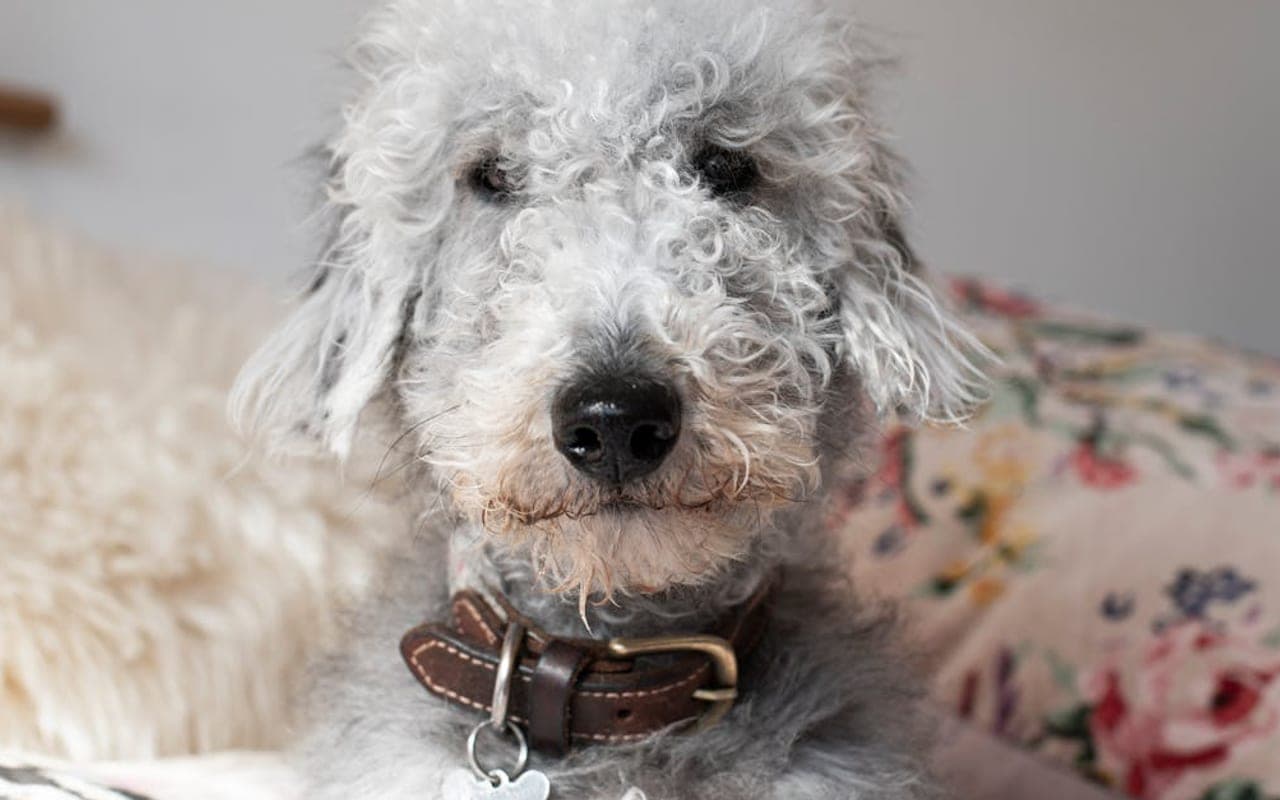
Few dogs cause a double-take like the Bedlington Terrier. With its arched loin, pear-shaped tasseled-eared head, and a curly, crisp coat trimmed into a fleecy roll, it looks far more like a small lamb than a working terrier. The American Kennel Club fittingly calls the breed a graceful "terrier in sheep's clothing." That soft silhouette hides a hard history: the Bedlington takes its name from Bedlington, a mining town in Northumberland in the north of England, where miners and gypsies prized it as a fast, tenacious ratter and vermin-killer, and later ran it in races and pit contests.
The result is a dog that is deceptive in the best way. Under the lamb-like trim sits a lean, flexible, galloping-built body capable of real speed and grit, so the Bedlington is best understood as a genuine terrier rather than a lapdog with an unusual haircut. Around the home, though, it earns its keep as a companion: affectionate, spirited, loyal, and closely bonded to its people, alert enough to make a good watchdog yet mild-mannered indoors.
Bedlingtons come in blue, liver, or sandy, each sometimes with tan points, and puppies are typically born dark and lighten as they mature. It is a medium-small breed, usually around 17 to 23 pounds and roughly 15 to 17.5 inches at the shoulder. Owners are drawn to that mix of novelty looks, low-shedding coat, and a lively, devoted personality, but the same terrier drive and the coat's upkeep mean the Bedlington suits people ready to meet both. The sections that follow cover grooming, exercise, and the health issues that matter most for this specific breed.
Exercise
Exercise and Enrichment
The Bedlington Terrier's fleecy trim hides a body built to run, and its exercise needs follow from that history as a working ratter and racing dog rather than from its cuddly looks. The arched back and long legs give it a fast, springy gallop, and it is far more athletic than a first glance suggests. A bored, under-exercised Bedlington tends to reroute that energy into digging, barking, or mischief, so plan on genuine daily activity, not just a stroll around the block.
Aim for a solid walk or two each day plus dedicated play, and mix in the kind of fast, chasing games this breed loves, because a dog bred to sprint after quarry is happiest when it gets to move at speed in a safe space. Many Bedlingtons also enjoy and excel at dog sports such as agility, lure coursing, and earthdog trials, which burn energy and give the terrier brain a job.
Two traits shape how you exercise a Bedlington safely. First, the prey drive is strong: a scent or a darting squirrel, cat, or rabbit can switch on the chase instinct fast, so keep the dog leashed near small animals and roads and make sure any off-leash area is securely fenced, because even a well-trained Bedlington may not recall once it locks onto quarry. Second, while usually friendly, Bedlingtons can be scrappy and stand their ground if challenged by another dog, so supervise greetings and read the room. Pair the physical outlet with mental work, such as scent games, food puzzles, and short training sessions, since this smart, sometimes stubborn terrier needs its mind tired as much as its legs.
Grooming
Grooming the Bedlington Terrier
The Bedlington's signature "lamb" look is entirely a product of grooming, so this is a higher-maintenance coat than its low-shedding reputation suggests. The coat is a distinctive mixture of hard and soft hair that stands away from the skin with a crisp, curly, slightly "linty" texture. Because it grows continuously and sheds very little, it does not fall out on its own the way a typical double coat does. That means it must be trimmed rather than left to run its course, and neglected coats quickly lose the tidy fleece shape and start to mat.
Plan on a full clip and scissor every roughly six to eight weeks to keep the trademark outline, whether you learn to do it yourself or book a groomer, because letting it grow out blurs the breed's shape and traps debris. Between trims, brush or comb a few times a week to lift the curl and stop mats forming close to the skin, especially behind the ears, in the armpits, and on the legs. Take particular care with the ear tassels, the fringe of longer hair at the ear tips, which tangle easily and are part of the look worth preserving.
Because the coat sheds little dander and hair, Bedlingtons are often described as leaning toward "hypoallergenic," but no dog is truly allergen-free, and that low shedding is exactly why the clipping and brushing cannot be skipped. Round out care with the basics every breed needs: check and gently clean the ears since drop ears hold moisture, trim nails every few weeks so they never click on the floor, and brush the teeth regularly because small breeds are prone to dental disease. Start all of this in puppyhood so an adult Bedlington stands calmly for the clippers.
Health
Bedlington Terrier Health
The Bedlington is generally a hardy, long-lived terrier, with the American Kennel Club giving a life expectancy of roughly 11 to 16 years. It is defined, though, by one signature inherited disease every prospective owner should understand, alongside a few orthopedic and eye conditions worth screening for. None of the notes below are a diagnosis; they describe risks so you can ask a veterinarian the right questions and choose a breeder who tests.
Copper Toxicosis: The Breed-Defining Concern
Copper toxicosis, also called copper storage hepatopathy, is the hereditary condition most strongly tied to the Bedlington Terrier. In affected dogs the liver cannot properly excrete copper into the bile, so copper builds up in liver tissue over time and, left unchecked, drives hepatitis and progressive cirrhosis that can cut life short (Orthopedic Foundation for Animals).
The classic Bedlington form is inherited in an autosomal recessive pattern, so a dog must receive a defective copy from both parents to be affected, while a dog with a single copy is an unaffected carrier. Veterinary genetics research traced the major cause to a deletion in the COMMD1 gene (formerly called MURR1), and a second, non-COMMD1 form has also been reported in the breed, so a clear DNA result reduces but does not entirely erase risk. Because copper accumulates gradually, signs often appear in adulthood and can include lethargy, poor appetite, vomiting, weight loss, jaundice, or dark urine (Orthopedic Foundation for Animals).
The reassuring part is that this is one of the more manageable inherited diseases because it is testable. A DNA test for the COMMD1 deletion lets breeders identify clears, carriers, and at-risk dogs, and the Orthopedic Foundation for Animals notes that carriers can still be bred responsibly when paired only with a clear mate so that no puppy is affected. In a dog already accumulating copper, veterinarians can monitor the liver and manage copper through a lower-copper diet and copper-binding (chelation) medication, so early detection genuinely changes the outlook. Ask any breeder for the parents' copper toxicosis DNA results, and never start a low-copper diet or supplement on your own, since copper balance in a live patient is a veterinary decision.
Other Conditions Worth Screening
Beyond the liver, the Orthopedic Foundation for Animals recommends that breeding dogs be evaluated for copper toxicosis, patellar luxation, and eye disease. Patellar luxation, a kneecap that slips out of its groove, can range from a mild intermittent skip to a painful problem that contributes to arthritis and sometimes needs surgery, so a veterinary knee check is worthwhile. On the eyes, the breed is associated with conditions including retinal dysplasia, distichiasis (extra lashes that rub the eye), and cataracts, so a periodic exam by a veterinary ophthalmologist is the practical way to catch these early. Renal issues such as renal dysplasia have also been described in the breed, though less commonly, and a vet can watch for them through routine bloodwork and urine testing.
The takeaway is simple: buy from a breeder who DNA-tests for copper toxicosis and screens knees and eyes, keep up with annual veterinary exams, and raise any of the signs above with your vet promptly. That gives a well-bred Bedlington an excellent shot at living out its naturally long lifespan.
Frequently Asked Questions
What is the most important Bedlington Terrier health issue?
Copper toxicosis, an inherited condition where the liver cannot clear copper properly, so it accumulates and can cause hepatitis and cirrhosis. It is the breed-defining concern, but it is DNA-testable and manageable, which is why choosing a breeder who tests matters.
Is Bedlington Terrier copper toxicosis inherited, and can it be tested for?
Yes. The classic form is autosomal recessive and linked to a deletion in the COMMD1 gene, so a dog needs a defective copy from both parents to be affected. A DNA test identifies clear, carrier, and at-risk dogs, and the Orthopedic Foundation for Animals says carriers can be bred safely only to a clear mate.
Can copper toxicosis be treated once a dog has it?
It cannot be cured, but it can often be managed, especially when caught early, with a veterinarian monitoring the liver and lowering copper through a special diet and copper-binding medication. Never attempt to manage copper yourself, since it needs veterinary testing and supervision.
How long do Bedlington Terriers live and what else should I screen for?
The American Kennel Club gives a life expectancy of about 11 to 16 years. Beyond copper toxicosis, the Orthopedic Foundation for Animals recommends screening breeding dogs for patellar luxation and eye disease such as retinal dysplasia, distichiasis, and cataracts.
Sources
This guide draws on the following published references. Each opens in a new tab so you can check it against what you have read here.
American Kennel Club
Bedlington Terrier Dog Breed Information(opens in a new tab)Bedlington Terrier Club of America
Health & Wellness - The Bedlington Terrier(opens in a new tab)PetMD
Bedlington Terrier Dog Breed Health and Care | PetMD(opens in a new tab)Orthopedic Foundation for Animals
Copper Toxicosis DNA Test (COMMD1)(opens in a new tab)Online Mendelian Inheritance in Animals (OMIA)
OMIA:001988-9615: Copper toxicosis, COMMD1-related in Canis lupus familiaris (dog)(opens in a new tab)Merck Veterinary Manual
Copper Toxicosis in Animals - Toxicology - Merck Veterinary Manual(opens in a new tab)
Affiliate disclosure: We may earn a commission from qualifying purchases. This doesn't affect our recommendations.
Recommended Products
Bedlington Terrier Care Guide Book
Breed-focused reading and owner references for Bedlington Terrier care, training, grooming, and health planning.
Bedlington Terrier Food and Supplies
Helpful supplies for bedlington terrier dog supplies routines at home.
Bedlington Terrier Grooming Tools
Helpful supplies for bedlington terrier grooming tools routines at home.
Get personalized pet care tips
Join our newsletter for breed-specific advice, care guides, and expert tips delivered weekly.
No spam, ever. Unsubscribe anytime.