
Terrier group
Bedlington Terrier
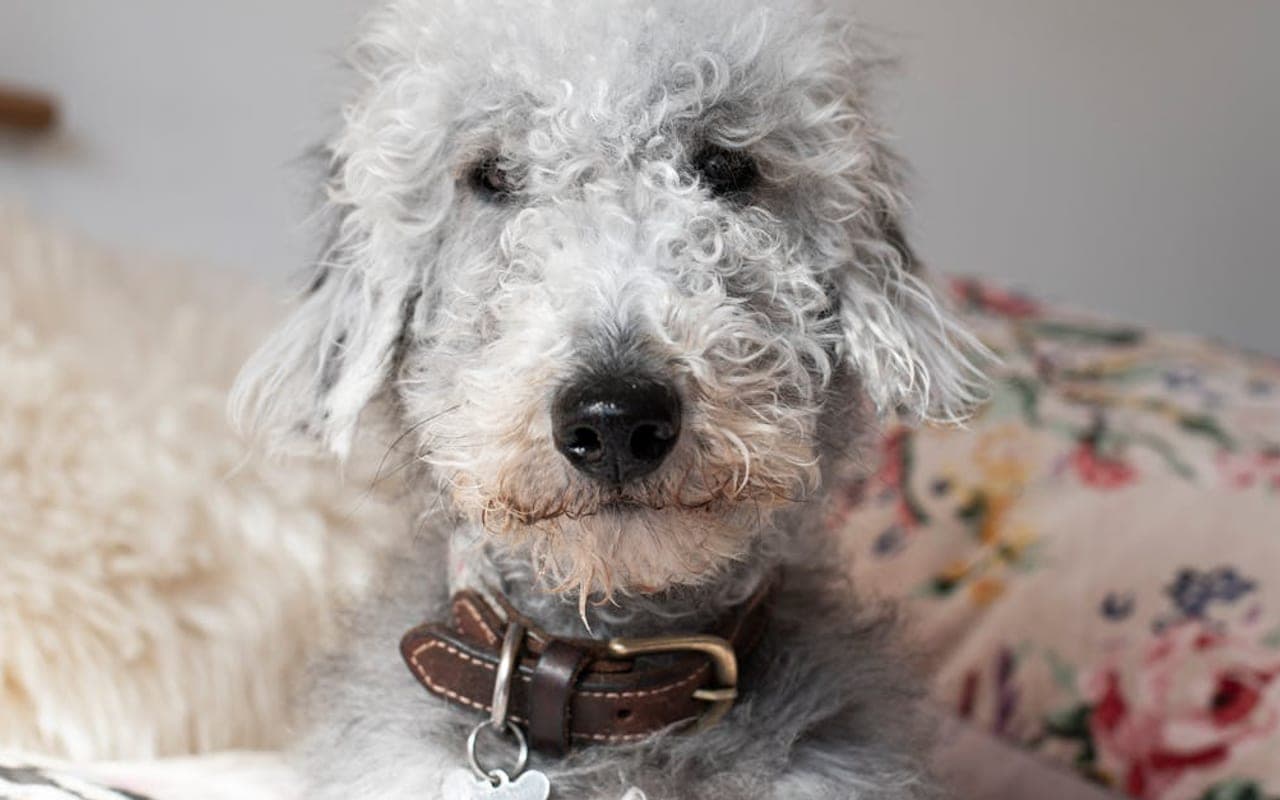
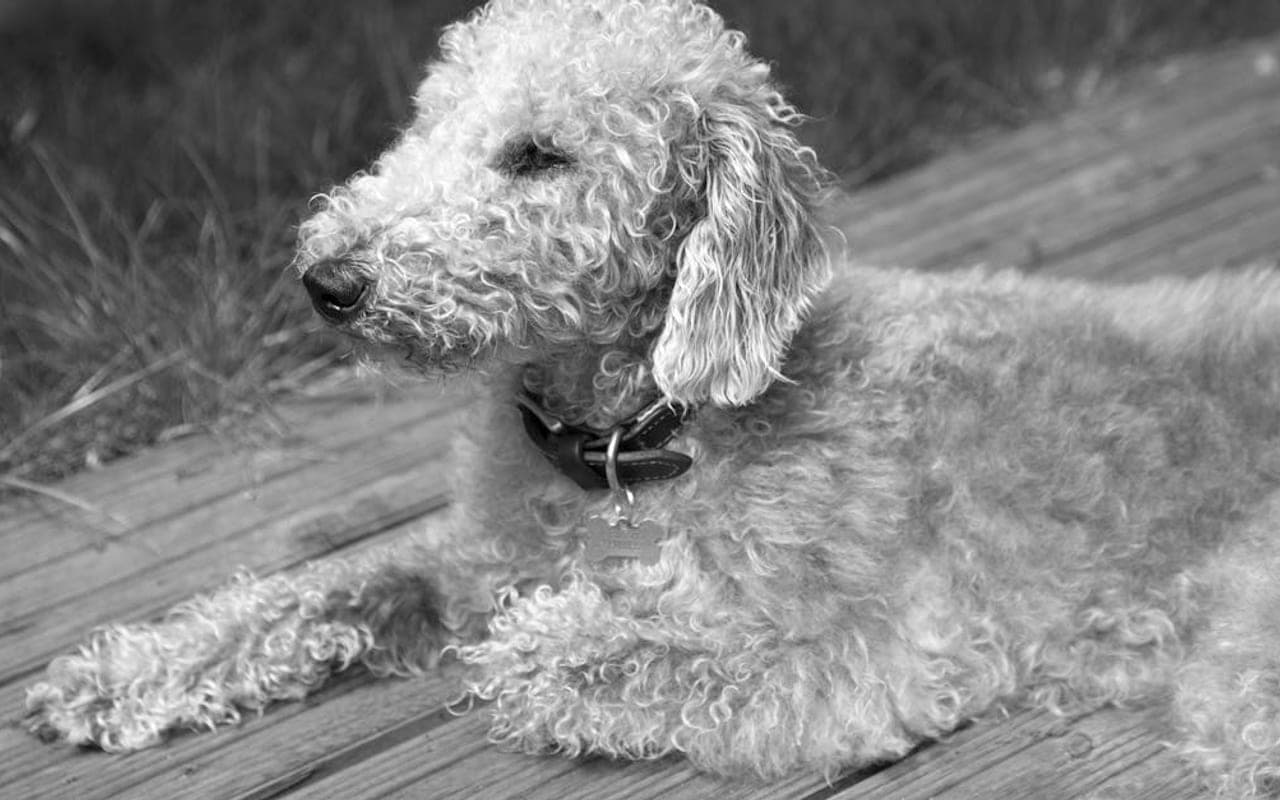
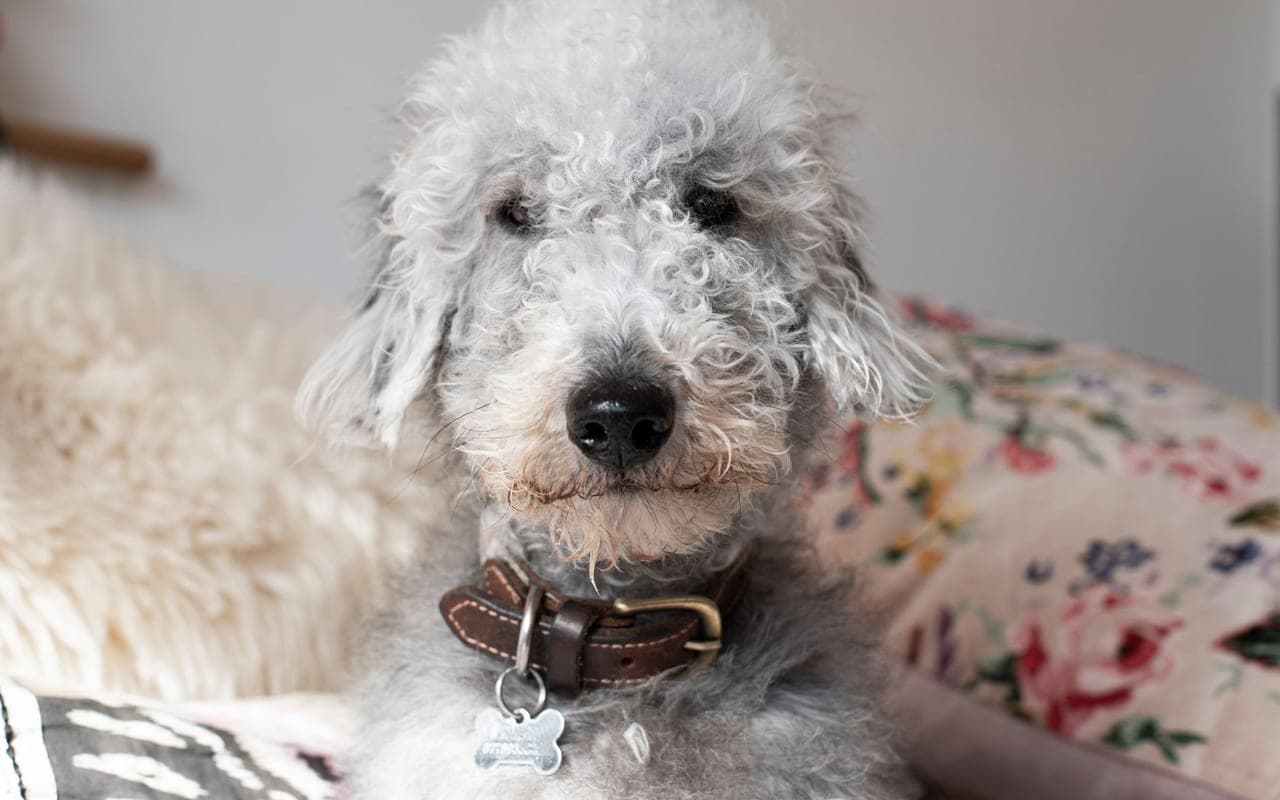
The Bedlington Terrier is a lithe, lamb-shaped terrier of roughly 8 to 10 kg standing about 39 to 42 cm at the shoulder, instantly recognizable by its arched loin, pear-shaped head, tasseled ears, and crisp curly coat that owners trim into the breed's distinctive sheep-like silhouette.

Size
17-23 lb
Lifespan
11-16 years
Exercise
30-60 minutes
Shedding
Moderate
Experience
Match to owner routine
Decision first
Is a Bedlington Terrier right for you?
Start with fit before history or trivia. These are ownership signals, not guarantees about any individual dog.
Best suited for
- Households with children.
- Homes with other compatible pets.
- Apartment homes with a consistent routine.
- Owners seeking a manageable daily exercise routine.
Think carefully if
- You need a dog with almost no daily routine.
- You cannot keep up with grooming and preventive care.
- The dog will spend most days alone without support.
Conditional fit
Apartment fit depends on exercise, enrichment, noise management, and outdoor access.
Daily reality
Bedlington Terrier commitment snapshot
Daily exercise
30-60 minutes
Match activity to age, health, weather, and training goals.
Coat care
Moderate
Grooming needs vary by coat, shedding, and lifestyle.
Time alone
Needs planning
Most dogs need gradual alone-time conditioning and support.
Structured facts
Bedlington Terrier at a glance
The measurements and traits that most affect day-to-day life with this breed.
Group
Terrier
Weight
17-23 lb
Height
15-17 in
Lifespan
11-16 years
Temperament
Loyal | Charming | Frollicking
View all characteristics and methodology
Lifestyle fit
- Apartment suitability
- Likely fit
- Child friendliness
- Often good, with socialisation and supervision
- Other-pet fit
- Often compatible with careful introductions
Owner commitment
- Exercise
- 30-60 minutes
- Grooming
- Moderate
- Shedding
- Moderate
- Training
- Moderate
Environment and health
- Health risk
- Needs planning
Ratings combine structured breed data, visible breed fields, and editorial context. They are planning aids, not predictions for an individual dog.
Daily life
Bedlington Terrier temperament and behavior
The Bedlington Terrier is a lithe, lamb-shaped terrier of roughly 8 to 10 kg standing about 39 to 42 cm at the shoulder, instantly recognizable by its arched loin, pear-shaped head, tasseled ears, and crisp curly coat that owners trim into the breed's distinctive sheep-like silhouette. Despite the soft appearance there is sighthound in the family tree — most likely the Whippet — which is why a roused Bedlington can run flat-out and turn on a coin. It was bred to kill vermin in and around English mining country, and the working terrier engine is fully intact under the pretty coat. The single most important fact about this breed, and the one any honest profile must lead with, is copper toxicosis: an inherited liver disease in which copper accumulates to toxic levels because the dog cannot excrete it normally. Historically up to roughly two-thirds of the breed carried the responsible mutation. It is the defining Bedlington health consideration and it directly drives how you should choose and buy a puppy. Temperament-wise the Bedlington is affectionate, attached to its family, playful, and a capable alert watchdog — usually quieter and less scrappy in the house than many terriers, but still terrier in prey drive and willingness to defend itself if pushed by another dog. It is intelligent and trainable with consistency. The coat does not shed appreciably, which appeals to owners wanting a low-shedding dog, but it requires regular clipping. The Bedlington is right for an active owner who wants a low-shedding, lively, devoted companion AND who will only take a puppy with documented copper-toxicosis genetic status (DNA test or proven clear lines). It is the wrong dog for a bargain buyer taking an untested puppy sight-unseen, because the breed's signature disease is genetic, expensive, and potentially fatal. Decide on the testing requirement first; everything else about this breed is the easy part.
Loyal | Charming | Frollicking
Loyal
A common Bedlington Terrier temperament descriptor that should be interpreted alongside training, exercise, and household fit.
Charming
A common Bedlington Terrier temperament descriptor that should be interpreted alongside training, exercise, and household fit.
Frollicking
A common Bedlington Terrier temperament descriptor that should be interpreted alongside training, exercise, and household fit.
Owner note
Temperament labels are starting points, not guarantees. Meet the individual dog and ask about behavior history whenever possible.
Care essentials
How to care for a Bedlington Terrier
What looking after one actually involves: exercise, grooming, food, training, and routine health.
ExerciseAs needed
- Moderately active breed needing 30-60 minutes of daily exercise through walks, play, and mental stimulation.
GroomingAs needed
- Regular grooming needed — brush 2-3 times per week and bathe monthly.
TrainingAs needed
- Moderately trainable — consistent, patient training with positive methods works best.
NutritionAs needed
- Feed a high-quality dog food appropriate for their age, size, and activity level. Monitor portions to prevent obesity.
Veterinary CareAs needed
- Annual wellness exams, core vaccinations, dental care, and parasite prevention. Breed-specific health screenings as recommended by your vet.
Health planning
Bedlington Terrier health risks and screening
Every breed has individual health variation. Use this profile for planning and discuss medical decisions with a veterinarian.
Responsible ownership
Finding a Bedlington Terrier responsibly
What to ask a breeder or rescue is the same conversation for every breed, so we keep it in one place and keep it current.
Health documentation, meeting the parents or foster, contracts and return support, and the warning signs worth walking away from.
Original purpose
Bedlington Terrier history
History is useful when it explains today's behavior, coat, exercise needs, and training style.
Read the breed history
The Bedlington Terrier takes its name from Bedlington, a mining town in Northumberland, England, where the modern type was fixed in the early 19th century. Earlier called the Rothbury Terrier after the nearby Rothbury Forest district, it was bred by miners and working men as a versatile vermin dog — killing rats, badgers, and other pests above and below ground — and was also used for poaching and informal racing, which is consistent with the breed's clear infusion of sighthound (most likely Whippet) blood that gives it its arched topline and turn of speed. The breed was developed for grit and speed in a hard working environment, not for the decorative look it is now known for. It was recognized by the Kennel Club in Britain and by the American Kennel Club in 1886. That working background still explains the modern Bedlington's combination of an affectionate house demeanor with an intact prey drive, terrier tenacity, and surprising athleticism beneath the lamb-like trim.
Gallery
Bedlington Terrier photos
Images are cropped consistently and loaded progressively to keep the page responsive.
Lower-page context
Bedlington Terriers in culture
Where the breed shows up in film, sport, work and folklore — the enjoyable part, once the practical questions are answered.
Fun facts
- The Bedlington Terrier belongs to the Terrier Group.
- With proper care, Bedlington Terrier dogs can live up to 16 years or more.
- Bedlington Terrier dogs are valued for their loyal, charming, frollicking nature.
Bedlington Terrier FAQs
How long do Bedlington Terrier dogs live?
A healthy Bedlington typically lives 11 to 16 years, a good span for a terrier. The single biggest variable is copper toxicosis: a dog from DNA-tested clear lines, kept lean and on appropriate diet, commonly reaches the upper end of that range, whereas an untested affected dog can have a markedly shorter, harder life from progressive liver disease. In this breed, lifespan is decided as much at the point of purchase as in daily care.
What is copper toxicosis and can I avoid it in a Bedlington?
Copper toxicosis is an inherited liver disease in which the dog cannot excrete copper normally, so it builds to toxic levels and damages the liver, potentially fatally. You substantially reduce the risk by acquiring a puppy with a documented DNA test result for the COMMD1 mutation (clear, carrier, or affected) or from proven clear lines, and by avoiding copper-rich supplements. It is the one question that should drive your Bedlington buying decision above all others.
Are Bedlington Terriers good with children?
Generally yes with respectful, school-age children — Bedlingtons are affectionate, playful, and bonded to their family, and are typically calmer in the house than many terriers. The realistic cautions are an intact terrier prey drive and the fact that a normally placid Bedlington can respond firmly to a serious challenge from another dog. Supervise young children, teach them not to disturb the dog while resting, and manage interactions with unfamiliar dogs.
Do Bedlington Terriers shed, and how much grooming do they need?
They shed very little, which is a genuine advantage for owners who want low loose hair in the home. The trade-off is clipping: the curly coat does not self-clear and needs brushing 1 to 2 times a week plus professional clipping into the breed trim roughly every 6 to 8 weeks. Budget for that recurring grooming cost from the start — it is the predictable price of the low-shedding coat.
How much exercise does a Bedlington Terrier need?
Plan on 45 to 60 minutes a day of walks plus active play. The Whippet in the family tree is functional, not cosmetic: Bedlingtons enjoy a hard run and a chase and have real speed and prey drive. A securely fenced area, a reliably trained recall, and on-lead walking near roads and wildlife are practical necessities, not optional extras, for keeping this athletic terrier safe.
Are Bedlington Terriers easy to train?
They are reasonably trainable — intelligent, willing to work with their owner, and capable in obedience and dog sports — but they retain terrier independence and can be sensitive, so harsh methods backfire. Short, varied, reward-based sessions, early socialization (especially around other dogs given the breed's terrier edge), and a strong recall from puppyhood produce the most reliable results.
Sources
These are the published sources this page draws on. Each opens in a new tab so you can check it yourself.
American Kennel Club
Bedlington Terrier — breed standard and profile(opens in a new tab)Supports: Breed standard and recognition details.
Similar breeds to consider

Miniature Schnauzer
Also in the Terrier group, with different care and temperament tradeoffs.
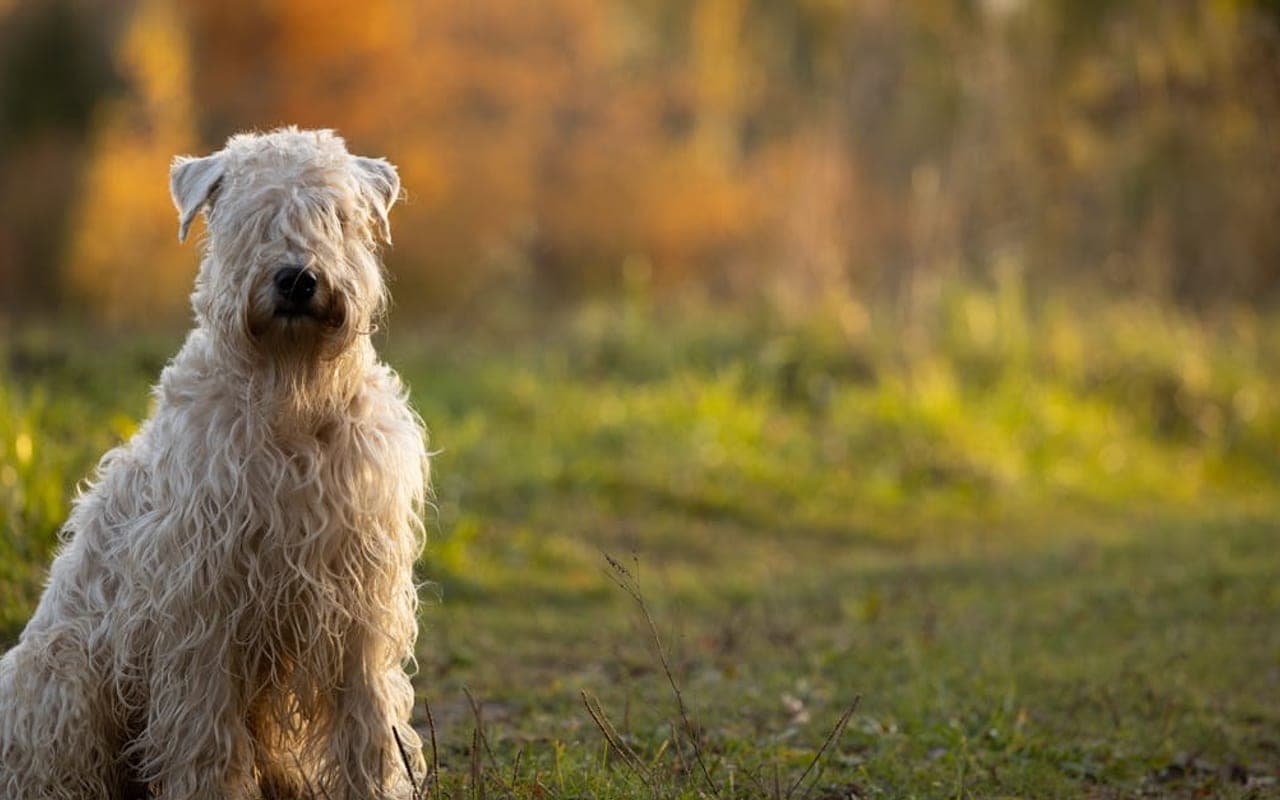
Soft Coated Wheaten Terrier
Also in the Terrier group, with different care and temperament tradeoffs.

Airedale Terrier
Also in the Terrier group, with different care and temperament tradeoffs.

Bull Terrier
Also in the Terrier group, with different care and temperament tradeoffs.
Explore More About Bedlington Terrier
Dive deeper into everything Bedlington Terrier — costs, care, and expert insights.
Considering a cat instead?
Browse Cats