
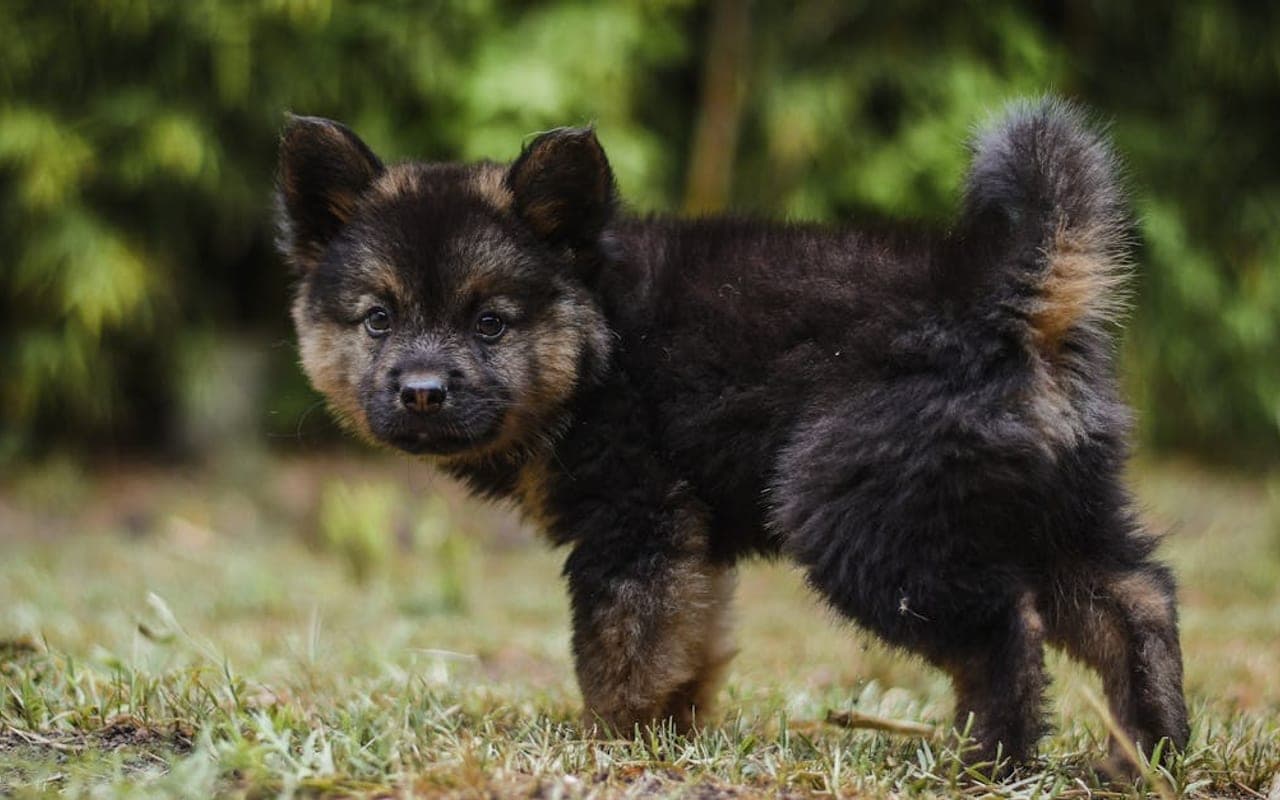
Bohemian Shepherd Care Guide
The Bohemian Shepherd — Chodsky pes in Czech, and historically the Chodenhund — is a Czech herding-and-guarding breed from the Chodsko region of southwest Bohemia, near the town of Domazlice. Breed hi
Reading Time
📖 8 min read
Guide Type
🐾 Breed-Specific
Last Updated
📅 Sep 10, 2026
Breed
🐶 Bohemian ShepherdIn This Guide
Overview
The Bohemian Shepherd — Chodsky pes in Czech, and historically the Chodenhund — is a Czech herding-and-guarding breed from the Chodsko region of southwest Bohemia, near the town of Domazlice. Breed historians trace its working dogs to the Chods, the frontier families who guarded the Bohemia-Bavaria border; a 1325 privilege granted by King John of Luxembourg let those families keep large dogs that ordinary peasants could not, and the dogs herded sheep, tracked, and patrolled the borderland for centuries.
At a glance it reads like a smaller, lighter German Shepherd wearing a longer coat, but that resemblance is only skin-deep. It is a medium-sized, rectangular dog — roughly 48-55 cm at the withers and about 15-25 kg — with high-set pointed erect ears and a black-and-tan double coat that is markedly longer, with a mane and feathering, than a German Shepherd's. It is also the older landrace and a separate lineage: breed references note no evidence that it descends from the German Shepherd, so treat the two as different dogs with different needs rather than assuming one is a hairier copy of the other.
The modern breed is a near-rescue story. It almost vanished after the Second World War and was rebuilt from the 1980s by Czech enthusiasts — the first modern litter arrived in 1985, a dedicated breed club followed in 1991, and the international kennel federation granted the breed provisional recognition in 2019. What came through is an agile, biddable, versatile worker: quick to learn, closely bonded to its people, and now seen in obedience, agility, scent work, search-and-rescue, and therapy roles as often as on a farm. That combination — old working stock in a friendly, trainable package — is what defines the Bohemian Shepherd, and it is the lens for everything in the care sections that follow.
Exercise
Exercise and mental work
The Bohemian Shepherd was bred to herd, patrol, and track all day, and that engine is still under the hood. This is a genuinely high-energy working dog, not a low-activity companion, and a bored one will invent its own jobs — barking, patrolling the fence line, herding the family — because the drive to work does not switch off just because the dog now lives in a house.
How much, and what kind
Plan on well over an hour of real activity a day, split across the day rather than crammed into one token walk, because a quick stroll around the block does not touch a herding dog's stamina. Mix steady aerobic work — brisk walks, jogging, hiking, off-lead running in a safe space — with tasks that make the dog think, since the breed's intelligence needs a job as much as its legs need miles.
This dog thrives on dog sports, and that is its single best outlet: the agility, biddability, and nose that made it a border worker make it a natural at obedience, agility, rally, tracking, canicross, and flyball, and the same qualities carry the breed into search-and-rescue and therapy work. Even without formal sport, rotate puzzle feeders, scent games, and short daily training sessions, because ten focused minutes of learning tires this breed more than an aimless hour in the yard. Build a young dog's mileage up gradually while the joints are still maturing, and let an adult warm up before hard running, because a willing herding dog will push through fatigue and soreness rather than quit on you.
Grooming
Coat and grooming
The Bohemian Shepherd carries a medium-long, dense double coat: a harsher outer coat over a thick, insulating undercoat, with a pronounced mane around the neck and feathering on the legs, tail, and behind the ears. That coat was bred to keep a border dog working through Bohemian winters, so it sheds steadily year-round and blows out heavily about twice a year, usually spring and autumn.
A weekly routine that works
Brush the whole coat at least once a week, and every day or two during a seasonal shed, because the undercoat mats fastest where it is densest — behind the ears, in the mane, in the trousers on the hind legs, and under the elbows. Use an undercoat rake or slicker to reach the underlayer, then run a longer-toothed comb through the feathering to catch tangles the brush skipped. Working in sections, down to the skin rather than over the surface, is what actually lifts out the loose fluff and prevents the pelt-like matting that traps moisture against the skin.
Bathe only every couple of months, or when the dog is genuinely dirty, because over-washing strips the coat's weather-resistant oils and leaves it dull. This is a natural, wash-and-wear breed: do not clip or shave the body coat, since that removes the insulation the double coat provides in both cold and heat. Round the routine out with the basics every active dog needs — nails kept short so they do not splay the toes or alter the gait, teeth brushed regularly, and ears checked and gently dried after swimming or rain, because the hair around the ear can hold damp and invite trouble.
Health
Health and common conditions
The reassuring headline first: the Bohemian Shepherd is widely described by breed clubs and breed references as a hardy, generally healthy working breed with comparatively few documented hereditary problems — unusual among shepherd-type dogs. That reputation rests on real history. The modern population was rebuilt from a small number of dogs starting in the 1980s under strict Czech breeding rules, and the people who revived it screened breeding stock and managed genetic diversity, because a breed rebuilt from few founders only stays sound if matings are chosen with care. Reported lifespan sits around 12 to 14 years. Still, "few documented problems" is not "no problems," and it is never a guarantee for an individual dog, so treat the points below as awareness rather than a prediction.
Joints: hips and elbows
Hip dysplasia — a poorly formed hip joint that can lead to pain, lameness, and arthritis — is the concern breed sources raise most often, though it is reported less commonly here than in the larger shepherd breeds. Elbow dysplasia is usually named alongside it. Both have a hereditary component, which is why responsible Bohemian Shepherd breeders X-ray and score the hips and elbows of their breeding dogs before mating them. When you buy a puppy, ask to see those results for both parents, because that paperwork is your single best defence against inheriting a joint problem. Keep any dog lean, because extra weight loads the joints of an already athletic breed, and raise puppies without forced or repetitive jumping while the skeleton is still growing.
General care for an active working dog
Beyond the joints, the watch-list is the ordinary one for a medium, active, working dog. Keep vaccinations and parasite prevention current, because a dog that works fields, woods, and water meets more ticks and pathogens than a housebound pet does. Check and dry the ears after swimming or rain, since damp trapped under the ear feathering invites infection. Brush the teeth, because dental disease is among the most common and most preventable problems in all dogs. As with any deep-chested or large active dog, it is worth knowing the warning signs of bloat and gastric torsion — a suddenly swollen or hard abdomen, unproductive retching, restlessness and distress — and treating them as an emergency, because it can kill quickly and needs a veterinarian at once; it is not flagged as a specific Bohemian Shepherd predisposition, but the signs are worth recognizing in any dog.
None of this replaces professional care. Lean on a veterinarian for screening advice, diagnosis, and any change you cannot explain — new lameness, a persistent cough, shifts in weight or appetite, unusual lethargy — because questions answered early are cheaper and kinder than the same ones answered late. And if you are still choosing a puppy, a breeder who health-tests and talks openly about their lines is the strongest single predictor of a sound dog.
Frequently Asked Questions
Is the Bohemian Shepherd a healthy breed?
It is generally described by breed clubs and breed references as a hardy, relatively healthy working breed with comparatively few documented hereditary conditions, helped by careful breeding since its 1980s revival, with a typical lifespan of about 12 to 14 years. That is a population-level pattern, not a promise for any one dog, so buy from a health-testing breeder and keep up routine vet care.
Does the Bohemian Shepherd get hip dysplasia like a German Shepherd?
Hip dysplasia is the concern breed sources raise most for this breed, but it is reported less often than in the larger shepherd breeds and should not be assumed to run at German Shepherd rates, since the two are separate lineages. Because it is partly hereditary, ask to see hip and elbow screening results for both parents before buying a puppy.
How is the Bohemian Shepherd different from a German Shepherd?
It is an older Czech landrace from the Chodsko border region, and breed references note no evidence that it descends from the German Shepherd. It is smaller and lighter — roughly 48 to 55 cm and 15 to 25 kg — with a longer black-and-tan double coat, a neck mane, and feathering, so it looks like a smaller, fluffier cousin while remaining a distinct breed.
How much exercise and grooming does one need?
Plan on well over an hour of varied daily exercise plus mental work such as training or dog sports, because this is a true high-energy herding dog that turns restless and noisy when under-stimulated. Grooming is moderate: brush the double coat weekly, and more during the twice-yearly heavy sheds, to prevent matting in the mane, ear feathering, and hind-leg trousers.
Sources
This guide draws on the following published references. Each opens in a new tab so you can check it against what you have read here.
Federation Cynologique Internationale (FCI)
FCI Breed Standard N. 364 - Chodsky Pes (Bohemian Shepherd Dog)(opens in a new tab)Wikipedia
Bohemian Shepherd(opens in a new tab)Wisdom Panel
Bohemian Shepherd Dog Facts(opens in a new tab)Basepaws
Bohemian Shepherd Breed Information & Insights(opens in a new tab)
Affiliate disclosure: We may earn a commission from qualifying purchases. This doesn't affect our recommendations.
Recommended Products
Bohemian Shepherd Care Guide Book
Breed-focused reading and owner references for Bohemian Shepherd care, training, grooming, and health planning.
Bohemian Shepherd Food and Supplies
Helpful supplies for bohemian shepherd dog supplies routines at home.
Bohemian Shepherd Grooming Tools
Helpful supplies for bohemian shepherd grooming tools routines at home.
Get personalized pet care tips
Join our newsletter for breed-specific advice, care guides, and expert tips delivered weekly.
No spam, ever. Unsubscribe anytime.