
Foundation Stock Service group
Bohemian Shepherd
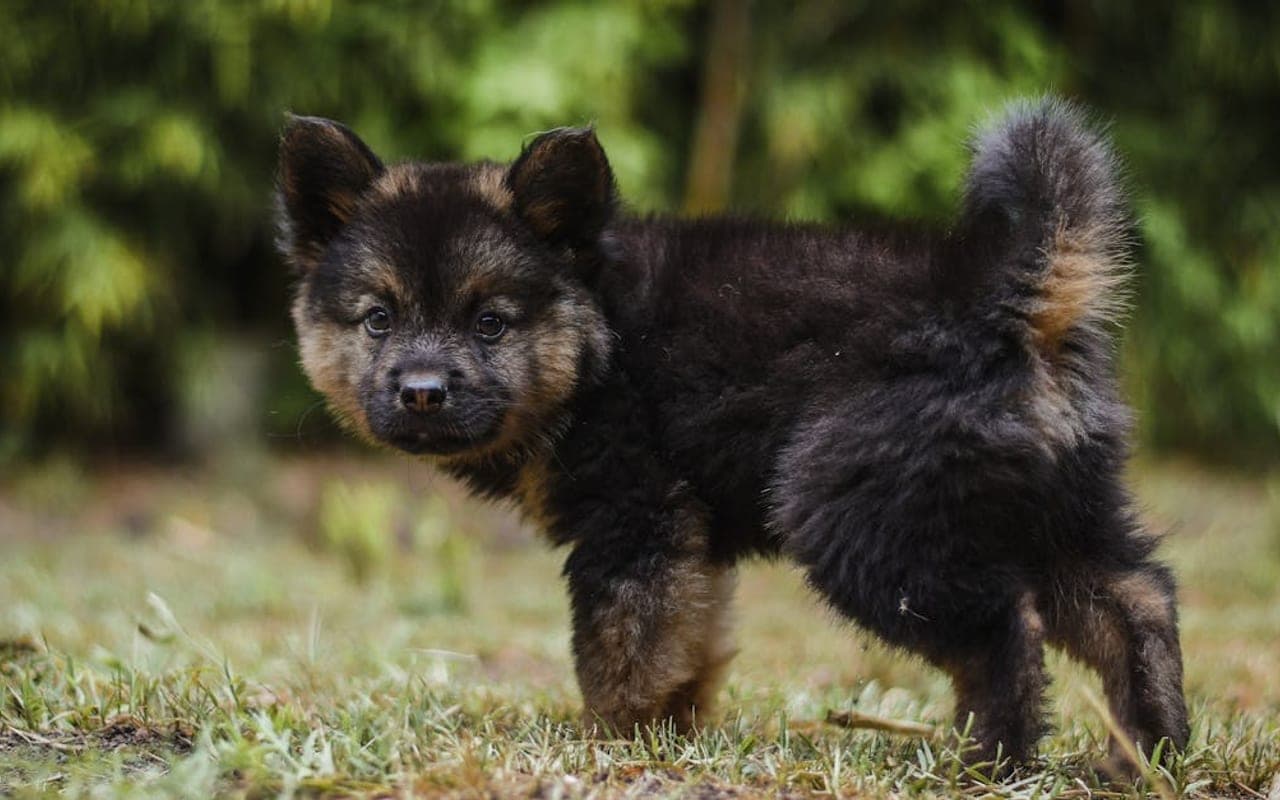
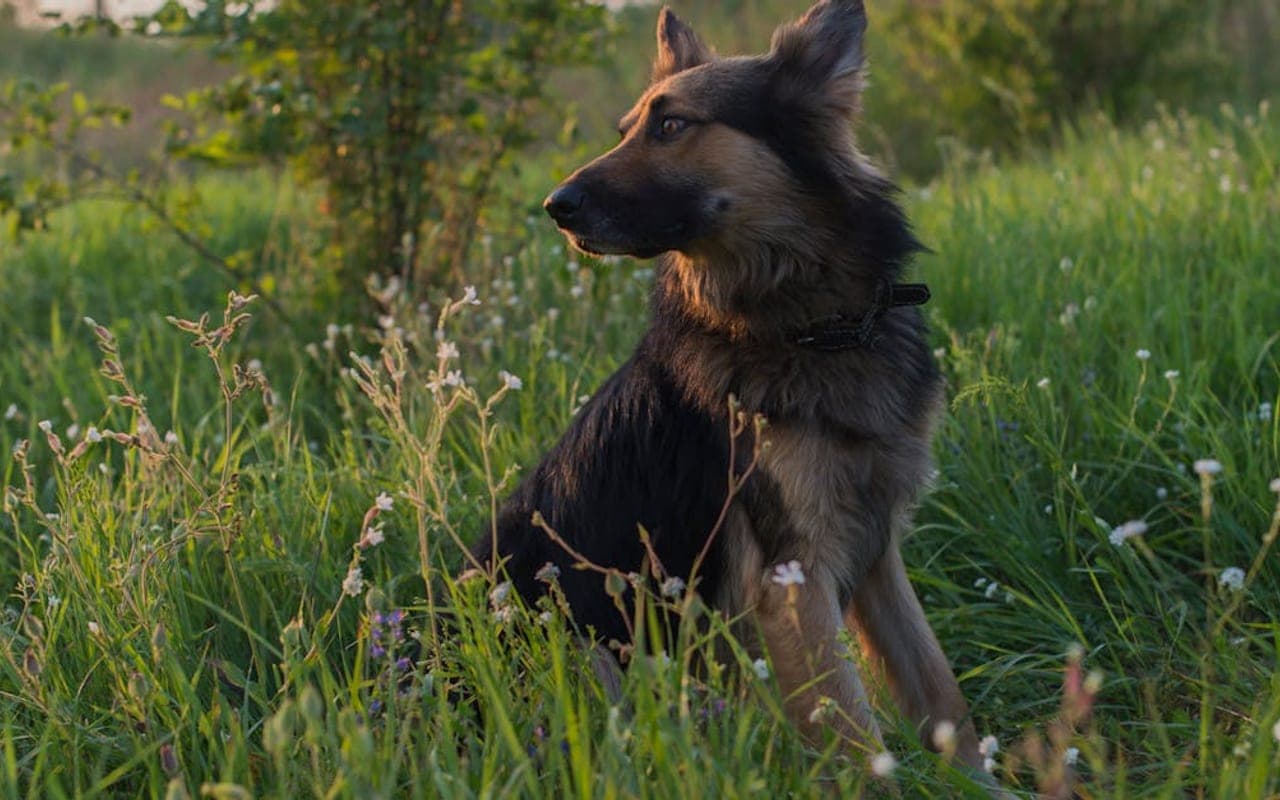
The Bohemian Shepherd — Chodský pes in its native Czech Republic — is best understood as a smaller, lighter, longer-coated, and notably softer-tempered relative of the German Shepherd, and that 'softer' is the breed's real selling point.
Size
37-60 lb
Lifespan
12-15 years
Exercise
30-60 minutes
Shedding
Moderate
Experience
Match to owner routine
Decision first
Is a Bohemian Shepherd right for you?
Start with fit before history or trivia. These are ownership signals, not guarantees about any individual dog.
Best suited for
- Households with children.
- Homes with other compatible pets.
- Apartment homes with a consistent routine.
- Owners seeking a manageable daily exercise routine.
Think carefully if
- You need a dog with almost no daily routine.
- You cannot keep up with grooming and preventive care.
- The dog will spend most days alone without support.
Conditional fit
Apartment fit depends on exercise, enrichment, noise management, and outdoor access.
Daily reality
Bohemian Shepherd commitment snapshot
Daily exercise
30-60 minutes
Match activity to age, health, weather, and training goals.
Coat care
Moderate
Grooming needs vary by coat, shedding, and lifestyle.
Time alone
Needs planning
Most dogs need gradual alone-time conditioning and support.
Structured facts
Bohemian Shepherd at a glance
The measurements and traits that most affect day-to-day life with this breed.
Group
Foundation Stock Service
Weight
37-60 lb
Height
19-22 in
Lifespan
12-15 years
Temperament
Friendly | Devoted | Alert and Intelligent
View all characteristics and methodology
Lifestyle fit
- Apartment suitability
- Likely fit
- Child friendliness
- Often good, with socialisation and supervision
- Other-pet fit
- Often compatible with careful introductions
Owner commitment
- Exercise
- 30-60 minutes
- Grooming
- Moderate
- Shedding
- Moderate
- Training
- Moderate
Environment and health
- Health risk
- Needs planning
Ratings combine structured breed data, visible breed fields, and editorial context. They are planning aids, not predictions for an individual dog.
Daily life
Bohemian Shepherd temperament and behavior
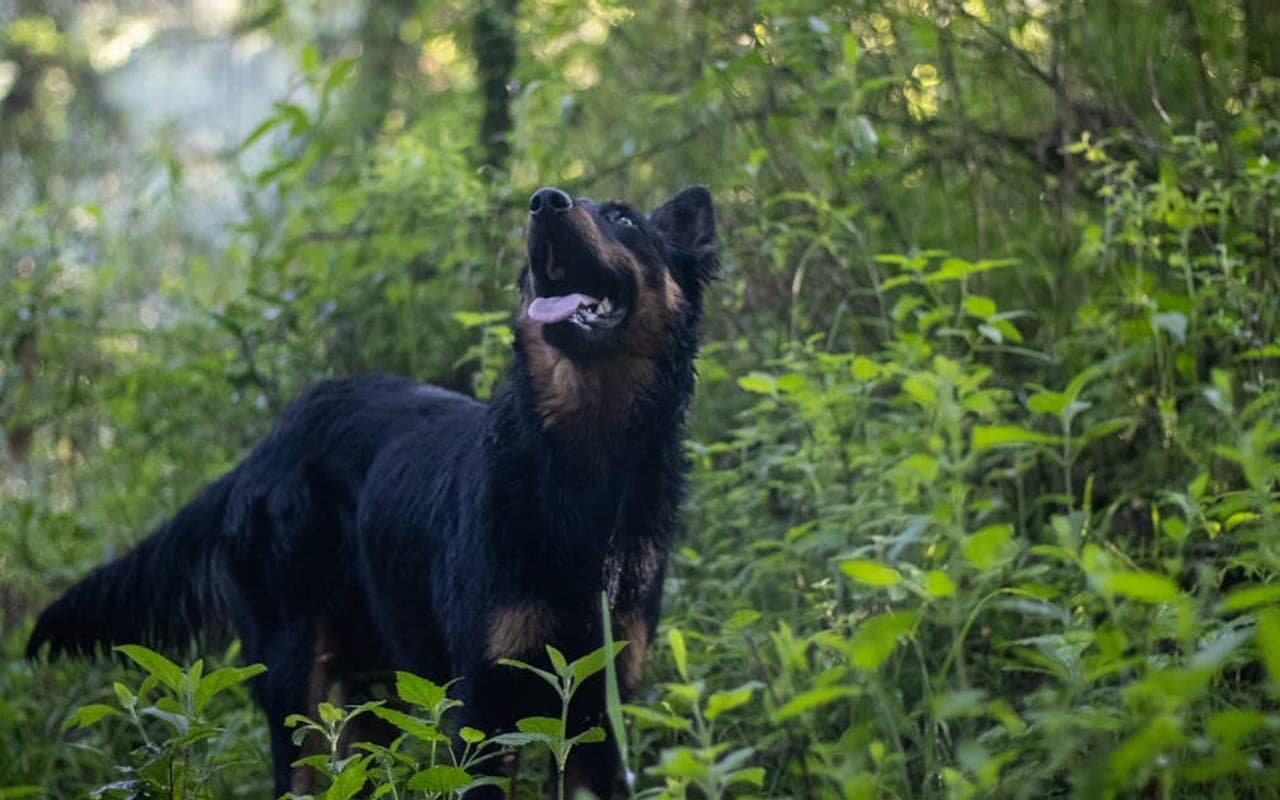
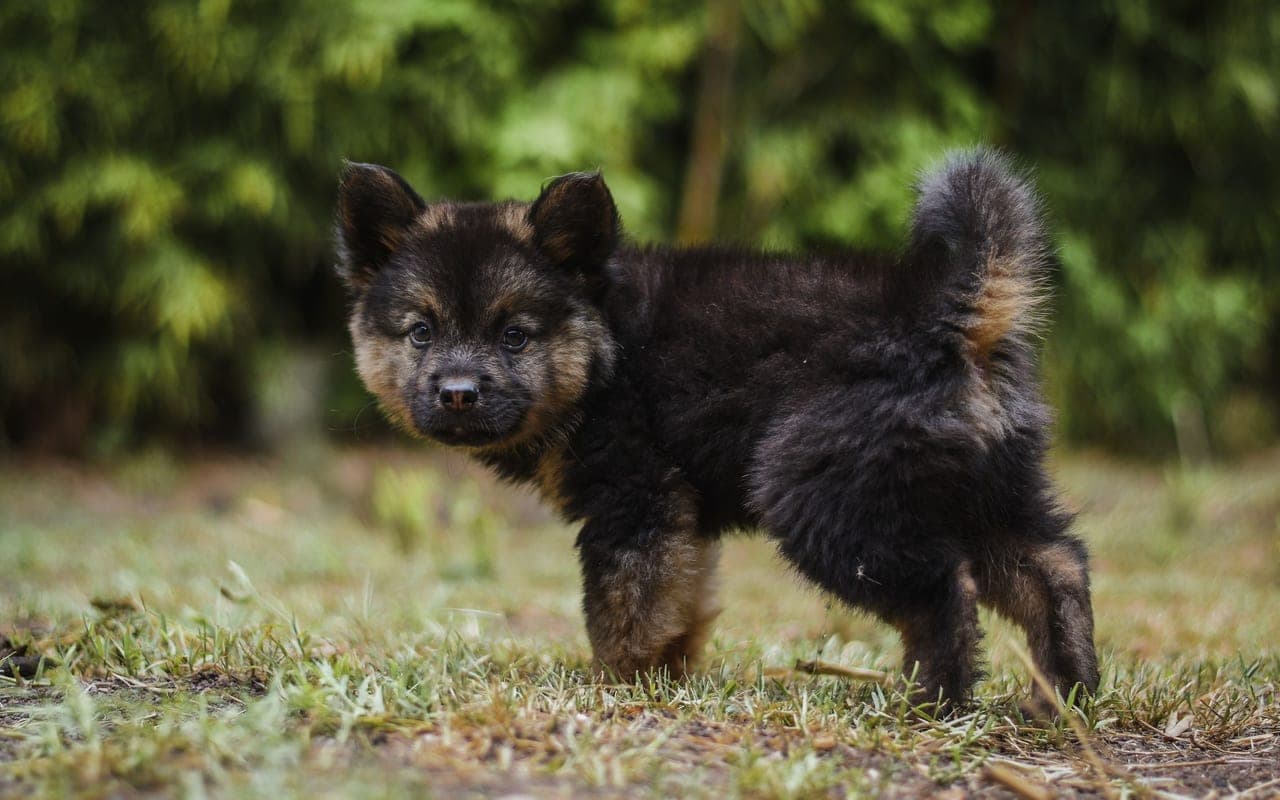
The Bohemian Shepherd — Chodský pes in its native Czech Republic — is best understood as a smaller, lighter, longer-coated, and notably softer-tempered relative of the German Shepherd, and that 'softer' is the breed's real selling point. It is one of the oldest Central European herding breeds, and unlike many working shepherds it was selected for a friendly, devoted, people-oriented temperament rather than sharp protective edge. For an owner, that means most of the German Shepherd's intelligence and trainability with less of the intensity and guarding liability. Physically this is a medium-sized dog, roughly 37-55 lb, square and athletic, with a thick, harsh, weather-resistant longer coat — typically black with rich tan markings — built for the cold Bohemian forest border it patrolled. Expect 12-15 years of life, which is unusually long for a shepherd-type dog of this size and one of the breed's genuine advantages. Temperament is the headline. The Bohemian Shepherd is friendly, deeply devoted to its family, alert, highly intelligent, and adaptable — it is described by owners and breeders as an excellent family dog that adores children, gets on with other animals raised alongside it, and is more outgoing with strangers than most herding breeds. It is still a working dog: it needs a job, daily exercise, and mental engagement, and an under-stimulated one becomes bored, vocal, and clingy. Who the Bohemian Shepherd is right for: an active family or owner who wants a smart, biddable, affectionate companion-and-light-working dog — agility, obedience, search-and-rescue, therapy, hiking — and can provide 45-75 minutes of daily exercise plus training. Who it is wrong for: sedentary owners, people away long hours (the breed is genuinely people-dependent and prone to separation distress), and anyone wanting a low-maintenance dog that entertains itself.
Friendly | Devoted | Alert and Intelligent
Friendly
A common Bohemian Shepherd temperament descriptor that should be interpreted alongside training, exercise, and household fit.
Devoted
A common Bohemian Shepherd temperament descriptor that should be interpreted alongside training, exercise, and household fit.
Alert and Intelligent
A common Bohemian Shepherd temperament descriptor that should be interpreted alongside training, exercise, and household fit.
Owner note
Temperament labels are starting points, not guarantees. Meet the individual dog and ask about behavior history whenever possible.
Care essentials
How to care for a Bohemian Shepherd
What looking after one actually involves: exercise, grooming, food, training, and routine health.
ExerciseAs needed
- Moderately active breed needing 30-60 minutes of daily exercise through walks, play, and mental stimulation.
GroomingAs needed
- Regular grooming needed — brush 2-3 times per week and bathe monthly.
TrainingAs needed
- Moderately trainable — consistent, patient training with positive methods works best.
NutritionAs needed
- Feed a high-quality dog food appropriate for their age, size, and activity level. Monitor portions to prevent obesity.
Veterinary CareAs needed
- Annual wellness exams, core vaccinations, dental care, and parasite prevention. Breed-specific health screenings as recommended by your vet.
Health planning
Bohemian Shepherd health risks and screening
Every breed has individual health variation. Use this profile for planning and discuss medical decisions with a veterinarian.
Responsible ownership
Finding a Bohemian Shepherd responsibly
What to ask a breeder or rescue is the same conversation for every breed, so we keep it in one place and keep it current.
Health documentation, meeting the parents or foster, contracts and return support, and the warning signs worth walking away from.
Original purpose
Bohemian Shepherd history
History is useful when it explains today's behavior, coat, exercise needs, and training style.
Read the breed history
The Bohemian Shepherd (Chodský pes) is one of the oldest documented Central European herding breeds, with records of similar dogs in the Chodsko border region of western Bohemia — now the Czech Republic — dating back centuries. The Chod people were freeborn frontier guards charged with patrolling and defending the Bohemian Forest borderlands for the Czech crown, and their dogs were working partners: herding and guarding flocks, guarding the homestead, and accompanying border patrols through harsh, cold, wooded terrain. The thick weatherproof coat and the hardy, devoted temperament are direct products of that role. The breed declined for much of the 20th century and was deliberately reconstructed from the surviving regional working dogs by Czech breed enthusiasts beginning in the 1980s. It is sometimes cited as part of the ancestry behind, or a relative of, the German Shepherd lineage, though it predates the modern German Shepherd as a regional type. It remains rare outside the Czech Republic and is recorded in the AKC Foundation Stock Service in the United States. For an owner, the history explains the temperament profile: a herding-and-guarding dog selected over generations to work closely and cooperatively with people rather than to operate as a sharp, independent protection dog. That cooperative, people-bonded selection is exactly why the modern Bohemian Shepherd is friendly and biddable — and exactly why it does not tolerate being left alone for long.
Gallery
Bohemian Shepherd photos
Images are cropped consistently and loaded progressively to keep the page responsive.
Lower-page context
Bohemian Shepherds in culture
Where the breed shows up in film, sport, work and folklore — the enjoyable part, once the practical questions are answered.
Fun facts
- The Bohemian Shepherd belongs to the Foundation Stock Service.
- With proper care, Bohemian Shepherd dogs can live up to 15 years or more.
- Bohemian Shepherd dogs are valued for their friendly, devoted, alert and intelligent nature.
Bohemian Shepherd FAQs
How long do Bohemian Shepherd dogs live?
A Bohemian Shepherd typically lives 12-15 years, with 13-14 commonly cited — unusually long for a shepherd-type dog of this size and one of the breed's real advantages. It is considered a genuinely healthy breed without a single dominant life-limiting hereditary disease. Lifespan here is driven by keeping the dog lean to protect the joints, screening parents for hip and eye disease, and meeting the breed's exercise and companionship needs so it stays physically and mentally well into old age.
Are Bohemian Shepherd dogs good with children?
Yes — this is one of the breed's strongest traits. The Bohemian Shepherd was selected for a friendly, devoted, people-oriented temperament and is widely described as adoring children and being an excellent family dog, including with other animals raised alongside it. Standard sense still applies: it is an active herding-type dog that can be boisterous with toddlers, so supervise young children, and socialize the puppy early so its natural friendliness is reinforced rather than left to chance.
How much exercise does a Bohemian Shepherd need?
Moderate-to-high — plan 45-75 minutes of real daily exercise plus daily mental work. This is a working herding breed: a brisk walk or run with active play covers the body, but the brain needs a job too — training, scent games, agility, or obedience. A backyard alone is not enough. It is more adaptable and less frantic than a Border Collie or Malinois, but an under-exercised, under-stimulated Bohemian Shepherd still becomes bored, vocal, and clingy. Match the breed to an active routine.
Are Bohemian Shepherd dogs easy to train?
Yes, relatively — this is one of the most trainable shepherd-type breeds. It is highly intelligent, biddable, eager to please, and bonded enough to its handler to genuinely want to cooperate, which is why it excels at agility, obedience, search-and-rescue, and therapy work. It responds best to early, consistent, reward-based training and poorly to harshness. The main caution is not stubbornness but boredom: a smart dog under-trained will invent its own jobs, so give it structured mental work from puppyhood.
Can a Bohemian Shepherd be left alone during the workday?
Not comfortably, and this is the breed's most important honest limitation. The Bohemian Shepherd was bred to work closely with people and bonds intensely; a dog left alone for long full days commonly develops separation-related distress — anxiety, destruction, and vocalization. It is a dog for a present household. If you must be out for long days, build crate and independence training from puppyhood, arrange a midday walker or daycare, and accept that this is ongoing work, not a one-time fix.
How much grooming does a Bohemian Shepherd need?
Moderate. The thick, harsh double coat needs brushing 2-3 times a week to prevent mats behind the ears and on the trousers, increasing to near-daily during the two heavy seasonal coat blows. Bathe only when actually dirty — frequent bathing strips the weatherproof coat. Add a weekly ear check, since the drop ears and dense coat trap moisture. There is no clipping or professional trimming, but the seasonal sheds are heavy and owners should expect a real vacuuming season twice a year.
Sources
These are the published sources this page draws on. Each opens in a new tab so you can check it yourself.
American Kennel Club
Bohemian Shepherd — breed standard and profile(opens in a new tab)Supports: Breed standard and recognition details.
Similar breeds to consider
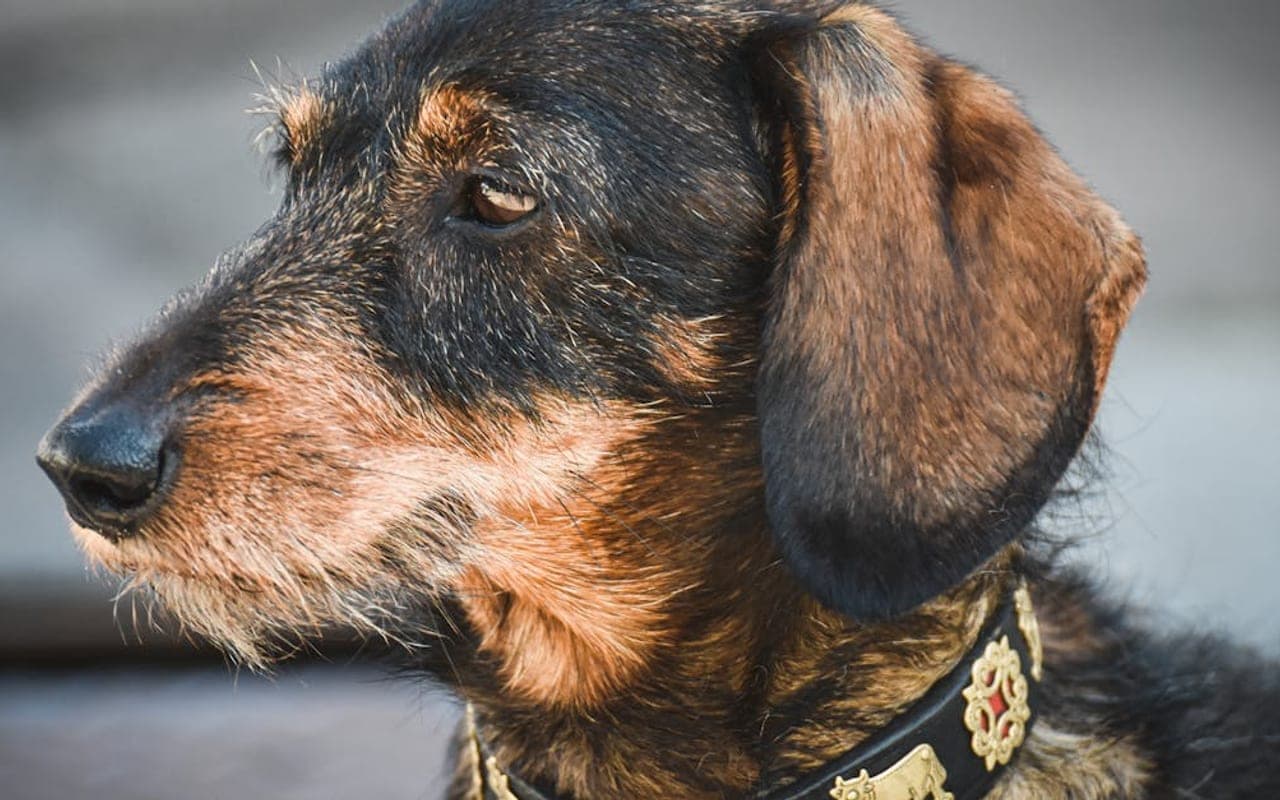
Jagdterrier
Also in the Foundation Stock Service group, with different care and temperament tradeoffs.
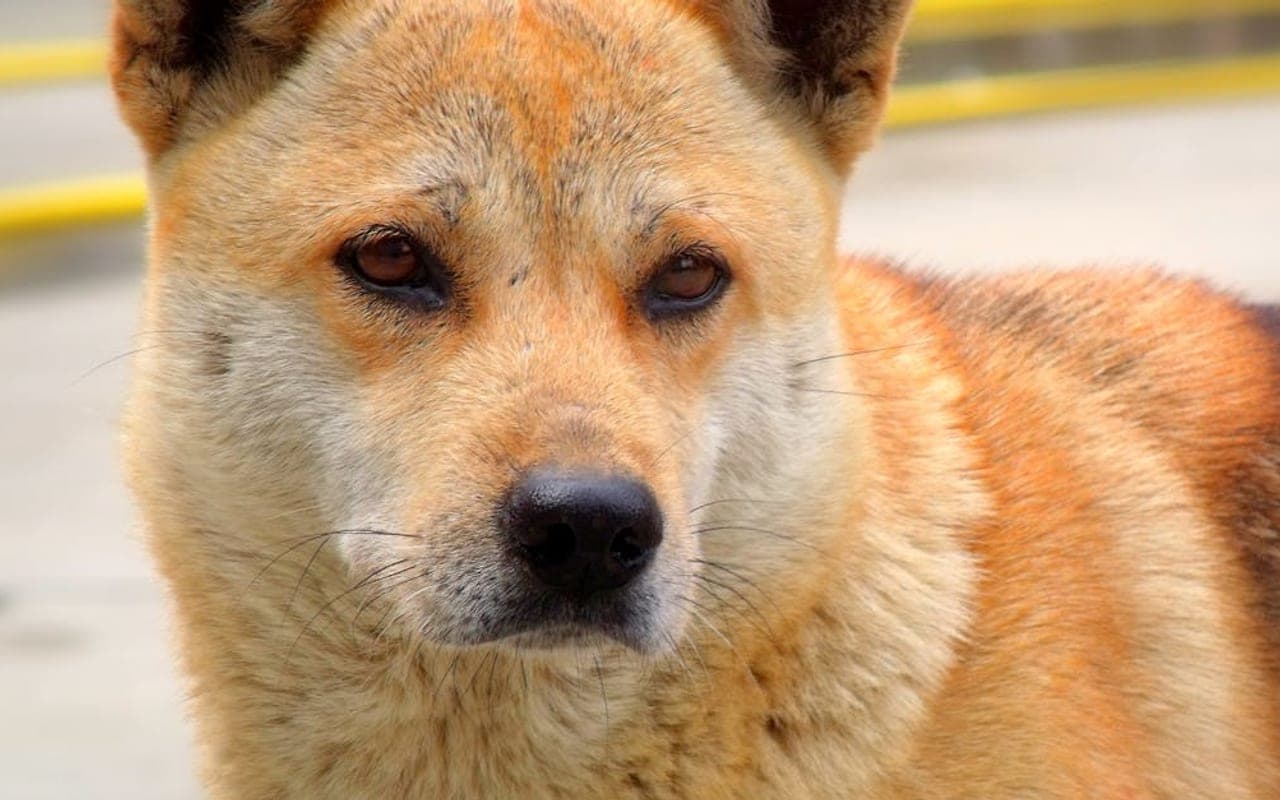
Jindo
Also in the Foundation Stock Service group, with different care and temperament tradeoffs.
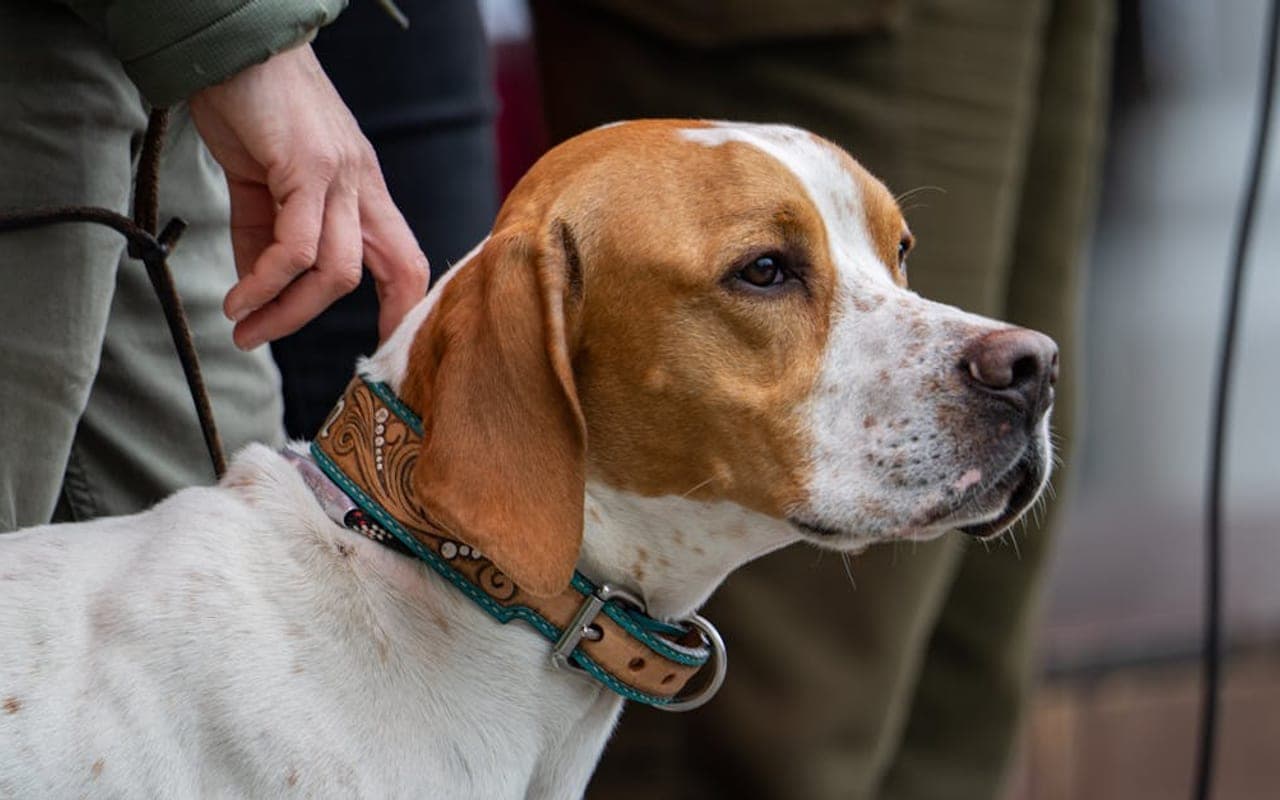
Portuguese Pointer
Also in the Foundation Stock Service group, with different care and temperament tradeoffs.
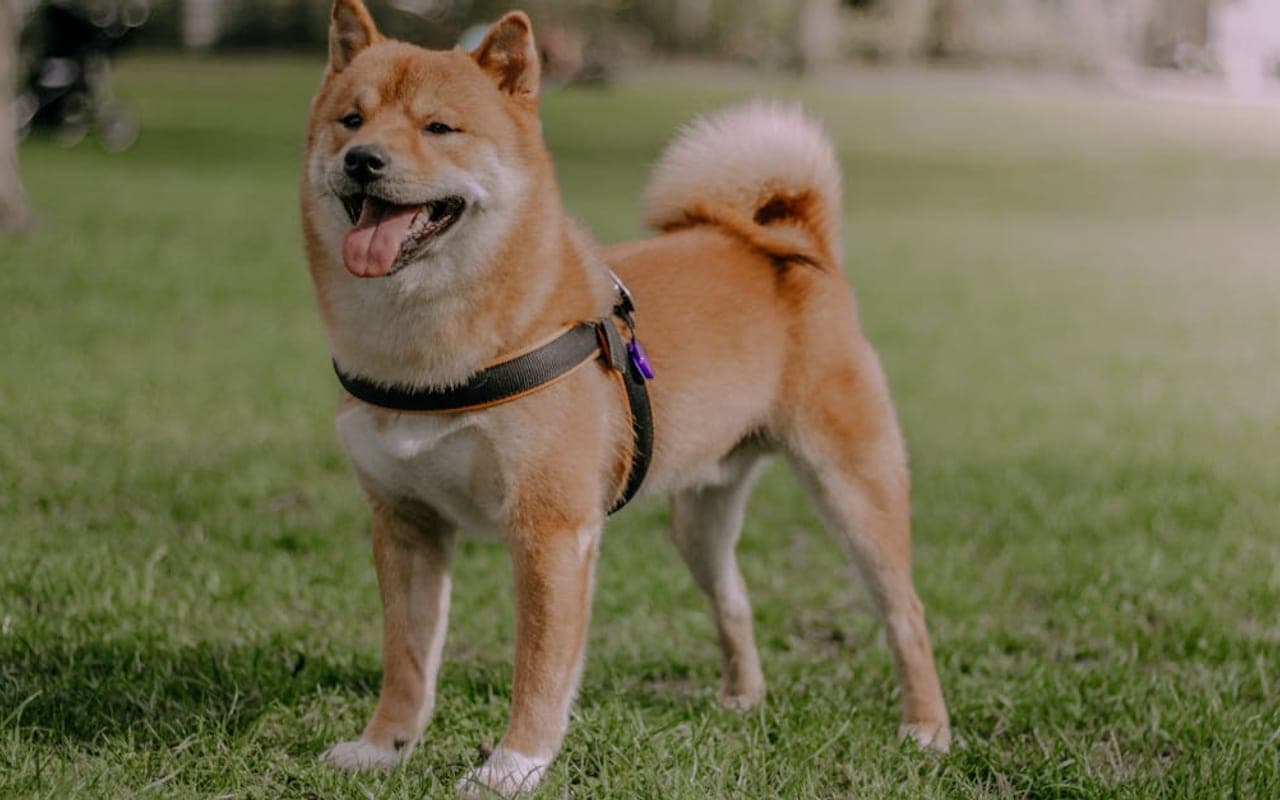
Kishu Ken
Also in the Foundation Stock Service group, with different care and temperament tradeoffs.
Explore More About Bohemian Shepherd
Dive deeper into everything Bohemian Shepherd — costs, care, and expert insights.
Considering a cat instead?
Browse Cats