
Bouvier des Flandres Care Guide
The Bouvier des Flandres at a Glance The Bouvier des Flandres was bred to earn its keep on the farms of Flanders, the border region between northern France and Belgium, where it droved cattle, turned
Reading Time
📖 9 min read
Guide Type
🐾 Breed-Specific
Last Updated
📅 Sep 10, 2026
In This Guide
Overview
The Bouvier des Flandres at a Glance
The Bouvier des Flandres was bred to earn its keep on the farms of Flanders, the border region between northern France and Belgium, where it droved cattle, turned butter churns and mills, hauled loaded carts, and guarded the holding. That working history explains almost everything about the dog you live with today: it is large and substantial (roughly 23.5 to 27.5 inches at the shoulder and 70 to 110 pounds, per the American Kennel Club), physically powerful, and built to solve problems rather than simply obey.
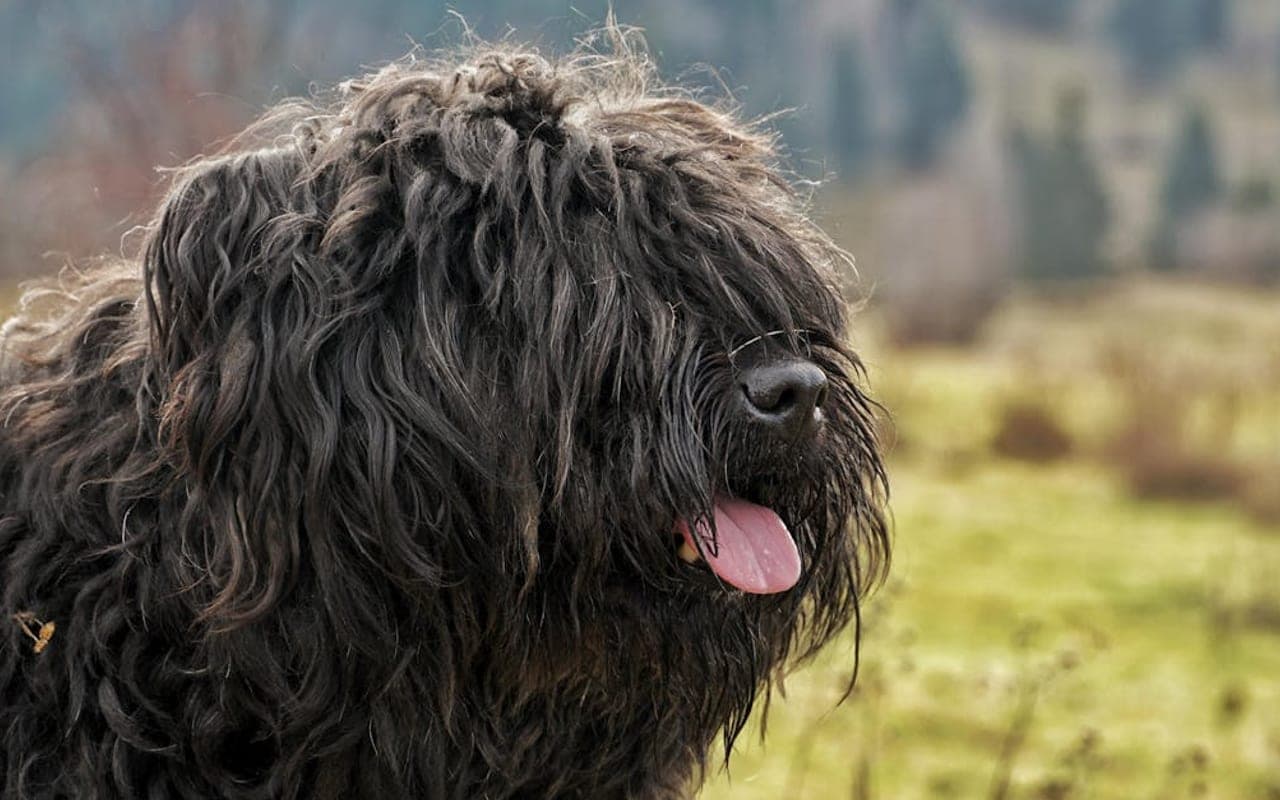
The first thing most people notice is the coat. The Bouvier carries a rugged, tousled double coat, a rough and harsh outer layer over a fine, dense undercoat, finished with the heavy mustache, beard, and erect eyebrows that give the breed its famously gruff, unhurried expression. It is a coat designed for weather and work, not for looks, which is why it demands real upkeep rather than an occasional tidy.
Temperament is where the working past matters most for a household. A well-bred Bouvier is steady, confident, and level-headed, loyal to its family and naturally protective, which is why the breed makes a capable watchdog. It is not a nervy or frantic dog; the classic Bouvier is calm indoors once its needs are met. But that same self-assured, thinking-dog nature means it wants a job, firm and consistent guidance, and early socialization so its guarding instinct stays measured. This is a big, strong, intelligent breed for an owner ready to give it structure, exercise, and grooming, not a low-maintenance companion.
Exercise
Exercise and Enrichment for the Bouvier des Flandres
The Bouvier des Flandres was bred to drove cattle, pull carts, and work a farm all day, so this is not a low-activity dog and treating it like one backfires. Plan on substantial daily exercise; breed guidance from sources such as PetMD points to on the order of two hours a day. Long brisk walks, hiking, jogging beside a bike, or securely fenced free running all suit the breed, because a big, powerful working dog that is under-exercised commonly turns its energy into destructiveness and restlessness indoors.
Give a working breed a job
Physical exercise alone is not enough for a dog this intelligent, because the Bouvier was selected to think and make decisions, not just to move. Channel that mind with a genuine job or sport. Its history in droving and carting makes it a strong fit for herding trials, carting and drafting, obedience and rally, tracking and scent work, agility, and protection sports such as IGP that give the guarding instinct a structured outlet. Even ten to fifteen minutes of training built into each day gives the dog a task to complete, which tires it more reliably than distance alone.
Everyday enrichment and sensible limits
On top of formal work, rotate food puzzles, chew items, and nose games between outings to keep an active brain occupied. Build exercise gradually in a growing puppy and avoid hard, repetitive, high-impact work on young joints until the dog matures, because this is a large, heavy breed whose joints carry real load. Take particular care in heat and humidity: the heavy double coat holds warmth, so exercise in the cooler parts of the day, carry water, and stop at the first sign of distress. Watch for noisy, labored breathing or a dog that tires or overheats far faster than expected, since in this breed those signs warrant a veterinary check rather than pushing on.
Grooming
Grooming the Bouvier des Flandres
The Bouvier's double coat is the most demanding part of ownership, and skipping upkeep does not just look untidy, it causes real problems. The rough outer coat over a dense undercoat readily traps loose hair, so brush thoroughly at least once or twice a week, working a slicker brush and metal comb all the way down to the skin rather than skimming the surface. Mats form where the undercoat tangles against the topcoat, so brushing the tips alone leaves the base to felt into painful clumps that pull the skin and trap moisture against it.
Clipping versus hand-stripping
Beyond brushing, the coat needs periodic professional shaping every six to eight weeks, and there are two routes. Companion Bouviers are usually clipped, which is simpler but softens the coat's natural harsh texture over time. Show dogs are traditionally hand-stripped, meaning dead outer hairs are plucked rather than cut, because stripping preserves the coarse texture and weather resistance that clipping gradually removes. Whichever you choose, book a groomer experienced with the breed, since the volume of coat makes a Bouvier a long appointment.
The beard, ears, and eyes
That signature beard is functional but messy: it soaks up water at the bowl and catches food, so wipe and dry it daily to prevent souring, staining, and skin irritation around the muzzle. Check the ears weekly and clean them only when needed with a vet-approved solution, because the heavy coat reduces airflow and trapped moisture invites infection. Keep the hair around the eyes tidy so it never rubs the surface, and trim between the paw pads and around the feet to stop debris and mats collecting there. Introduce all of this in puppyhood, because a calm, handled Bouvier makes every future session safer for a dog this large and strong.
Health
Bouvier des Flandres Health
The Bouvier des Flandres is generally a robust working breed with a typical lifespan of about 10 to 12 years, in line with a large dog of its build. Most Bouviers live full, active lives, but the breed carries a few documented health risks worth understanding so you can screen for them and catch warning signs early. The information below is educational, not a substitute for veterinary diagnosis; anything sudden or severe, especially breathing trouble or a swollen belly, is an emergency.
Laryngeal paralysis: the breed-specific risk to know
The Bouvier is one of the few breeds with a documented hereditary form of laryngeal paralysis, and it deserves attention because it can appear in young dogs. The larynx (voice box) normally opens to let air into the windpipe; in laryngeal paralysis the nerves and muscles that open it fail, so the airway stays partly blocked. Veterinary sources including the Merck Veterinary Manual and VCA Animal Hospitals describe a congenital, juvenile-onset form in the Bouvier that is inherited (an autosomal dominant pattern is described in the literature), with signs typically emerging before a year of age, sometimes alongside other neurological signs such as incoordination.
Early signs are a change in the sound of the bark, noisy or raspy breathing that worsens with activity, and gagging or coughing around eating and drinking, followed by reduced stamina and poor tolerance of heat and exercise as the airway narrows. A hot, excited, or over-exerted dog can tip into genuine respiratory distress, with bluish gums (cyanosis) and collapse, which is life-threatening and needs immediate veterinary care. If you notice a voice change or reliably noisy breathing in a Bouvier, have your veterinarian examine it rather than waiting, because the condition tends to progress.
Joint, hormone, and heart conditions to screen for
Like most large breeds, the Bouvier is prone to hip dysplasia, and elbow dysplasia is also recognized, both developmental joint problems that can cause lameness, stiffness, and later arthritis. Responsible breeders screen through the Orthopedic Foundation for Animals (OFA) or PennHIP, so ask to see hip and elbow results, and keep any dog lean because excess weight loads the joints further.
Hypothyroidism, an underactive thyroid, is reported in the breed and usually appears in middle-aged dogs as weight gain, low energy, or coat and skin changes; it is diagnosed with a blood test and typically well managed with daily hormone replacement. Subaortic stenosis (SAS), an inherited narrowing below the aortic valve that develops in the first year of life, is documented in the breed, which is why the American Kennel Club lists a cardiac exam among recommended screenings; a vet who hears a murmur in a young Bouvier may advise a veterinary cardiologist.
Eyes and the deep-chested bloat risk
Eye conditions reported in the Bouvier include glaucoma, a painful rise in pressure inside the eye that can threaten vision and is an emergency when it flares, along with cataracts and entropion (an inward-rolling eyelid). Because some are inherited, screening through a veterinary ophthalmologist is recommended, and any suddenly red, cloudy, or painful eye should be seen the same day.
As a large, deep-chested dog the Bouvier is also at risk of bloat, or gastric dilatation-volvulus (GDV), where the stomach fills with gas and can twist, cutting off blood supply. GDV is a sudden, life-threatening emergency: signs include a distended or hard belly, unproductive retching with nothing coming up, drooling, restlessness, and collapse. If you see these, go to an emergency veterinarian at once, and ask your vet whether a preventive gastropexy suits your dog. Because several of these conditions are inherited, choosing a breeder who screens their dogs, plus routine checkups, is the most protective step you can take.
Frequently Asked Questions
What is the most important breed-specific health issue in the Bouvier des Flandres?
A documented hereditary form of laryngeal paralysis stands out, because in the Bouvier it can appear in young dogs and affect breathing. Veterinary sources including the Merck Veterinary Manual and VCA Animal Hospitals describe a congenital, inherited form with signs often before one year of age. Watch for a changed bark, noisy breathing, and poor heat or exercise tolerance, and treat any breathing distress as an emergency.
How long do Bouviers des Flandres usually live?
Around 10 to 12 years is typical, which is normal for a large, substantial dog. Lifespan depends on genetics, weight, dental and joint care, and staying current with checkups, so keeping your Bouvier lean and screening for the breed's known conditions gives the best chance of a long, comfortable life.
Are Bouviers at risk of bloat, and what are the warning signs?
Yes. As a large, deep-chested breed the Bouvier is prone to bloat and gastric dilatation-volvulus (GDV), a sudden emergency where the stomach fills with gas and may twist. Warning signs include a swollen or hard abdomen, unproductive retching, drooling, restlessness, and collapse. This is life-threatening, so seek emergency veterinary care right away.
What health screenings should a responsible Bouvier breeder provide?
The American Kennel Club lists hip, elbow, cardiac, and eye (ophthalmologist) evaluations among recommended screenings, typically through the Orthopedic Foundation for Animals or PennHIP for joints. Thyroid testing is also reasonable given the breed's hypothyroidism risk. Ask to see documented results for the parents, since screening lowers the odds of inherited disease being passed on.
Sources
This guide draws on the following published references. Each opens in a new tab so you can check it against what you have read here.
American Kennel Club (AKC)
Bouvier des Flandres Dog Breed Information(opens in a new tab)American Bouvier des Flandres Club
American Bouvier des Flandres Club — Official AKC Breed Club(opens in a new tab)PetMD
Bouvier des Flandres Dog Breed Health and Care | PetMD(opens in a new tab)VCA Animal Hospitals
Laryngeal Paralysis in Dogs(opens in a new tab)Orthopedic Foundation for Animals (OFA)
Diseases in Dogs | OFA(opens in a new tab)
Affiliate disclosure: We may earn a commission from qualifying purchases. This doesn't affect our recommendations.
Recommended Products
Bouvier des Flandres Care Guide Book
Breed-focused reading and owner references for Bouvier des Flandres care, training, grooming, and health planning.
Bouvier des Flandres Food and Supplies
Helpful supplies for bouvier des flandres dog supplies routines at home.
Bouvier des Flandres Grooming Tools
Helpful supplies for bouvier des flandres grooming tools routines at home.
Get personalized pet care tips
Join our newsletter for breed-specific advice, care guides, and expert tips delivered weekly.
No spam, ever. Unsubscribe anytime.