
Herding group
Bouvier des Flandres
The Bouvier des Flandres is a big, powerful, tousle-coated Belgian farm dog — 23.
Size
60-110 lb
Lifespan
10-12 years
Exercise
30-60 minutes
Shedding
Moderate
Experience
Match to owner routine
Decision first
Is a Bouvier des Flandres right for you?
Start with fit before history or trivia. These are ownership signals, not guarantees about any individual dog.
Best suited for
- Households with children.
- Homes with other compatible pets.
- Apartment homes with a consistent routine.
- Owners seeking a manageable daily exercise routine.
Think carefully if
- You need a dog with almost no daily routine.
- You cannot keep up with grooming and preventive care.
- The dog will spend most days alone without support.
Conditional fit
Apartment fit depends on exercise, enrichment, noise management, and outdoor access.
Daily reality
Bouvier des Flandres commitment snapshot
Daily exercise
30-60 minutes
Match activity to age, health, weather, and training goals.
Coat care
Moderate
Grooming needs vary by coat, shedding, and lifestyle.
Time alone
Needs planning
Most dogs need gradual alone-time conditioning and support.
Structured facts
Bouvier des Flandres at a glance
The measurements and traits that most affect day-to-day life with this breed.
Group
Herding
Weight
60-110 lb
Height
23-28 in
Lifespan
10-12 years
Temperament
Affectionate | Courageous | Strong-Willed
View all characteristics and methodology
Lifestyle fit
- Apartment suitability
- Likely fit
- Child friendliness
- Often good, with socialisation and supervision
- Other-pet fit
- Often compatible with careful introductions
Owner commitment
- Exercise
- 30-60 minutes
- Grooming
- Moderate
- Shedding
- Moderate
- Training
- Moderate
Environment and health
- Health risk
- Needs planning
Ratings combine structured breed data, visible breed fields, and editorial context. They are planning aids, not predictions for an individual dog.
Daily life
Bouvier des Flandres temperament and behavior
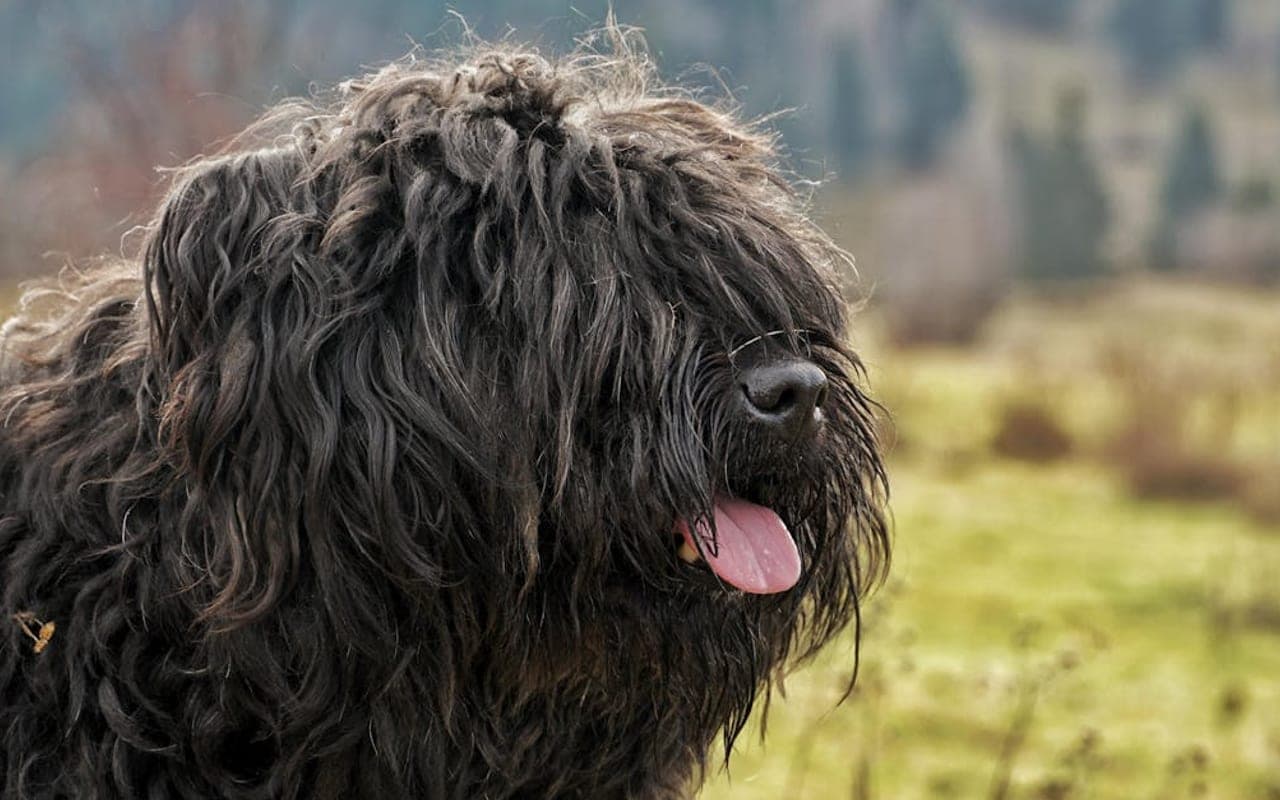
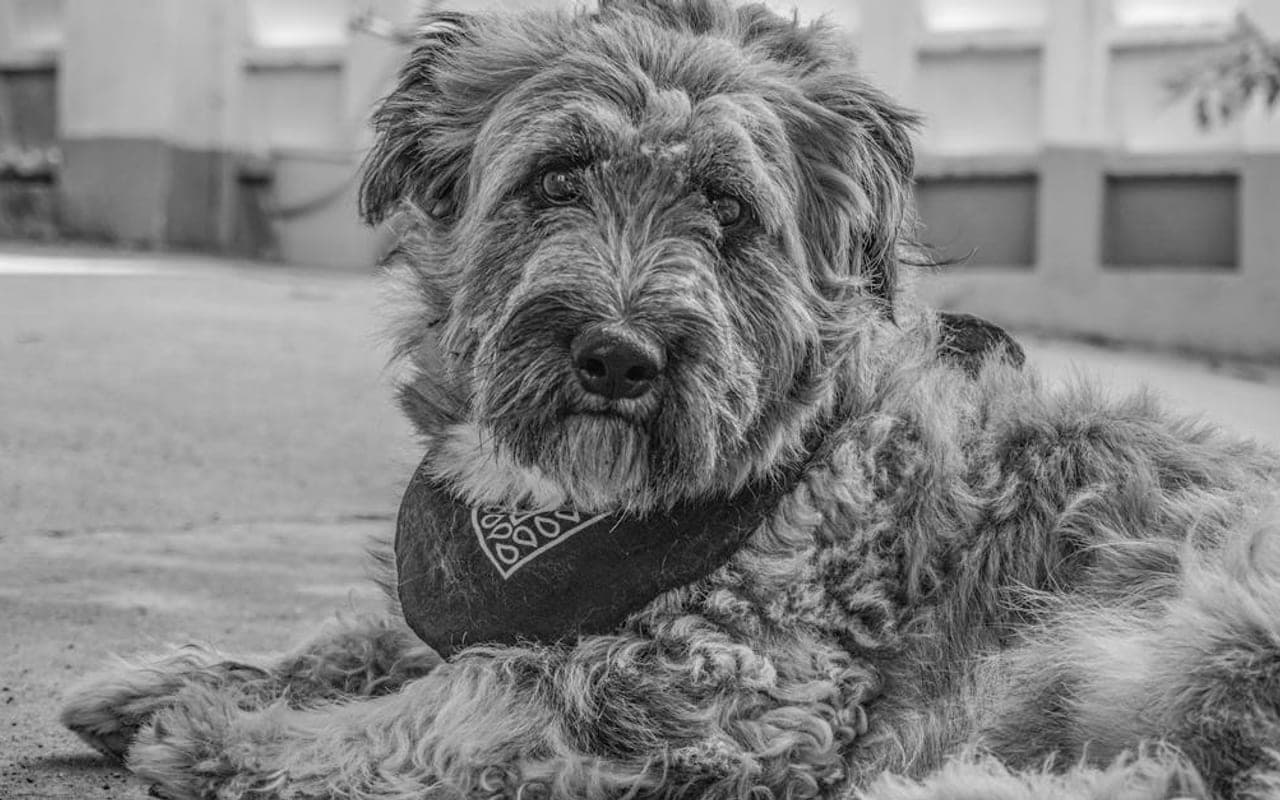
The Bouvier des Flandres is a big, powerful, tousle-coated Belgian farm dog — 23.5-27.5 inches tall and 70-110 pounds — bred to do everything on a working farm: drive cattle, pull carts, and guard. That triple job description is the buying decision. A Bouvier is not a shaggy gentle giant; it is a strong-willed, territorial working breed in a 100-pound frame, and the difference between a magnificent family guardian and an unmanageable liability is owner experience and early training, not luck. Physically the Bouvier is unmistakable: a rough, weatherproof double coat that mats if neglected, a heavy beard and mustache, a substantial bone structure, and a moderate, tireless working gait. The coat is high-maintenance — this is a clipping-and-stripping breed, not a wash-and-go one — and the cost and time of professional grooming should be priced in before purchase, not discovered after. Temperament is firm, confident, and discerning. Bouviers are calm and steady at home, deeply loyal to their family, naturally protective, and reserved — sometimes aloof — with strangers. They are intelligent and trainable but independent and stubborn; they question commands and need a consistent, fair, experienced handler. Properly socialized they are excellent, gentle family dogs with children they know; under-socialized or under-led, their guarding instinct and size become a real problem. Who the Bouvier is right for: an experienced owner with space, time for daily exercise and serious grooming, who wants a protective, devoted working companion and will commit to lifelong training and socialization. Who it is wrong for: a first-time owner, an apartment with no exercise outlet, anyone who wants a low-grooming dog, or anyone unprepared to lead a strong, opinionated 100-pound dog every single day.
Affectionate | Courageous | Strong-Willed
Affectionate
A common Bouvier des Flandres temperament descriptor that should be interpreted alongside training, exercise, and household fit.
Courageous
A common Bouvier des Flandres temperament descriptor that should be interpreted alongside training, exercise, and household fit.
Strong-Willed
A common Bouvier des Flandres temperament descriptor that should be interpreted alongside training, exercise, and household fit.
Owner note
Temperament labels are starting points, not guarantees. Meet the individual dog and ask about behavior history whenever possible.
Care essentials
How to care for a Bouvier des Flandres
What looking after one actually involves: exercise, grooming, food, training, and routine health.
ExerciseAs needed
- Moderately active breed needing 30-60 minutes of daily exercise through walks, play, and mental stimulation.
GroomingAs needed
- Regular grooming needed — brush 2-3 times per week and bathe monthly.
TrainingAs needed
- Moderately trainable — consistent, patient training with positive methods works best.
NutritionAs needed
- Feed a high-quality dog food appropriate for their age, size, and activity level. Monitor portions to prevent obesity.
Veterinary CareAs needed
- Annual wellness exams, core vaccinations, dental care, and parasite prevention. Breed-specific health screenings as recommended by your vet.
Health planning
Bouvier des Flandres health risks and screening
Every breed has individual health variation. Use this profile for planning and discuss medical decisions with a veterinarian.
Responsible ownership
Finding a Bouvier des Flandres responsibly
What to ask a breeder or rescue is the same conversation for every breed, so we keep it in one place and keep it current.
Health documentation, meeting the parents or foster, contracts and return support, and the warning signs worth walking away from.
Original purpose
Bouvier des Flandres history
History is useful when it explains today's behavior, coat, exercise needs, and training style.
Read the breed history
The Bouvier des Flandres originated in the Flanders region spanning Belgium and northern France, developed by farmers and cattle dealers as an all-purpose working dog — the name translates roughly as 'cowherd of Flanders.' It drove and herded cattle, pulled milk and farm carts, turned butter churns, and guarded the homestead, all from one rugged, low-maintenance-temperament dog. Monastery dogs at Ter Duinen are often cited in its development, crossed with local farm and herding stock. The breed was nearly wiped out twice — first in World War I, when Flanders was a primary battleground and many dogs were lost or pressed into service as messenger and ambulance dogs, and again in World War II. Dedicated breeders rebuilt it from a small surviving population, which is part of why responsible health screening matters in the modern breed. The AKC recognized the Bouvier des Flandres in 1929; it sits in the Herding Group and retains the steady, protective, hard-working temperament its farm origins demanded.
Gallery
Bouvier des Flandres photos
Images are cropped consistently and loaded progressively to keep the page responsive.
Lower-page context
Bouvier des Flandres dogs in culture
Where the breed shows up in film, sport, work and folklore — the enjoyable part, once the practical questions are answered.
Fun facts
- The Bouvier des Flandres belongs to the Herding Group.
- The average lifespan of a Bouvier des Flandres is 10 to 12 years.
- Bouvier des Flandres dogs are valued for their affectionate, courageous, strong-willed nature.
Bouvier des Flandres FAQs
How long do Bouvier des Flandres dogs live?
A Bouvier des Flandres typically lives 10-12 years, which is normal for a giant working breed. The realistic limiters are orthopedic disease (hip and elbow dysplasia) and the deep-chested bloat risk rather than simple old age. Keeping the dog lean its whole life, following a strict bloat-prevention feeding routine, and buying from cardiac- and hip-screened parents are the levers that most affect how much of that range you actually get.
Are Bouvier des Flandres good family dogs?
Yes, for the right family. A well-bred, well-socialized Bouvier is calm, devoted, and naturally protective of its household, and gentle with children it is raised with. The caveats are real: this is a strong-willed, territorial 70-110 pound dog that needs an experienced, consistent owner and lifelong socialization to keep its guarding instinct appropriate. It is an excellent family dog in capable hands and a serious liability in passive ones.
How much grooming does a Bouvier des Flandres need?
A lot — this is the breed's biggest hidden cost. The harsh double coat needs brushing to the skin 2-3 times a week to prevent painful matting, plus professional clipping or hand-stripping every 6-8 weeks at roughly $70-$120 per session. The beard traps food and water and needs regular cleaning. Anyone unwilling to budget the ongoing time or grooming money should choose a different breed; neglecting the coat causes skin infection.
Do Bouvier des Flandres need a lot of exercise?
Yes. Plan on 60-90 minutes of real daily activity — long walks plus training, herding, carting, or obedience work. The Bouvier is a working farm breed, and one that is under-exercised and under-stimulated becomes destructive and harder to manage given its size and protective drive. It is not an apartment dog unless that exercise and mental-work commitment is genuinely met every day, not just on weekends.
How much does a Bouvier des Flandres cost?
Expect roughly $1,500-$3,500 for a puppy from a breeder who screens hips, elbows, and heart (for subaortic stenosis). The recurring hidden costs matter more than the purchase price: professional grooming every 6-8 weeks ($70-$120 a visit) is $600-$1,000 a year on its own, plus giant-breed food, and the financial risk of bloat surgery, which runs $3,000-$7,000 as an emergency and far more if the stomach has already begun to die. A prophylactic gastropexy discussed up front, often done at the spay or neuter, is far cheaper than an emergency GDV and is the single highest-value preventive spend in this breed. Owners who price only the puppy and skip the grooming and bloat math are the ones blindsided by the true annual cost of keeping a Bouvier well.
Sources
These are the published sources this page draws on. Each opens in a new tab so you can check it yourself.
American Kennel Club
Bouvier des Flandres — breed standard and profile(opens in a new tab)Supports: Breed standard and recognition details.
Similar breeds to consider
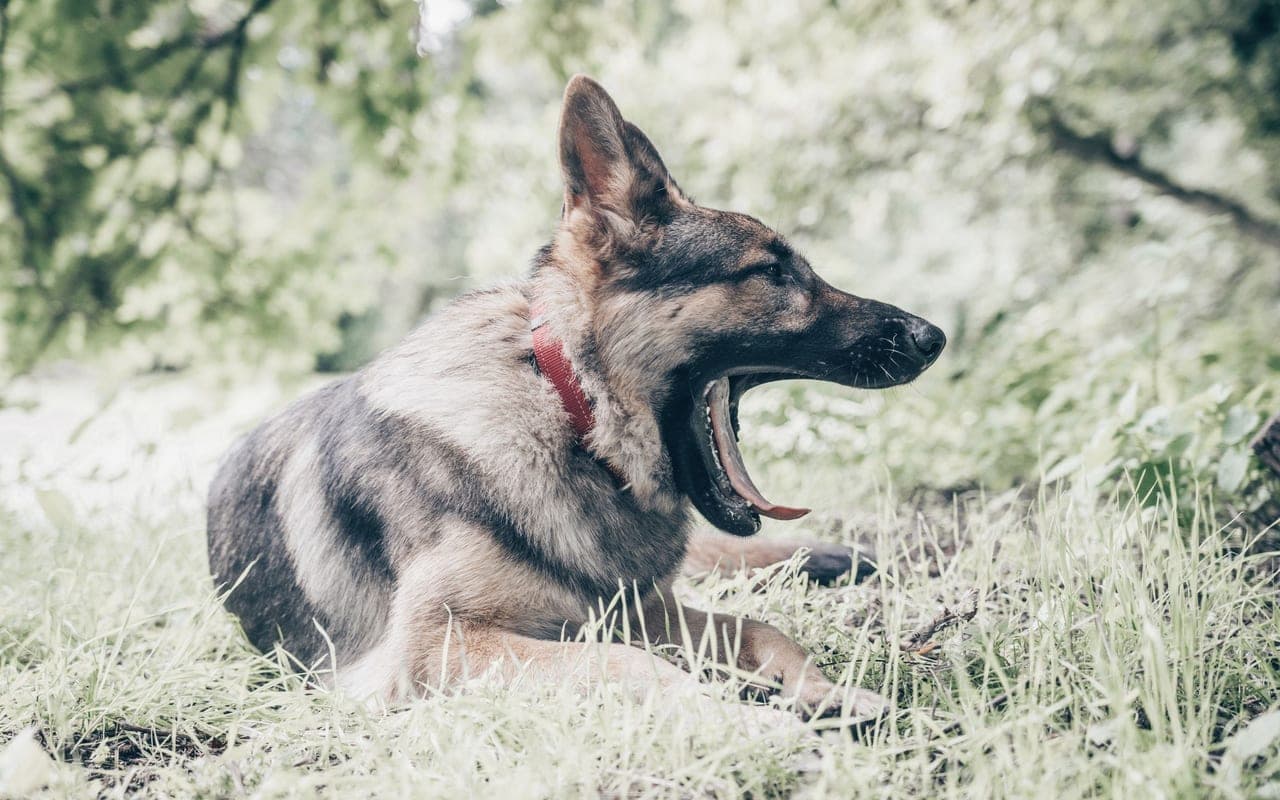
German Shepherd
Also in the Herding group, with different care and temperament tradeoffs.
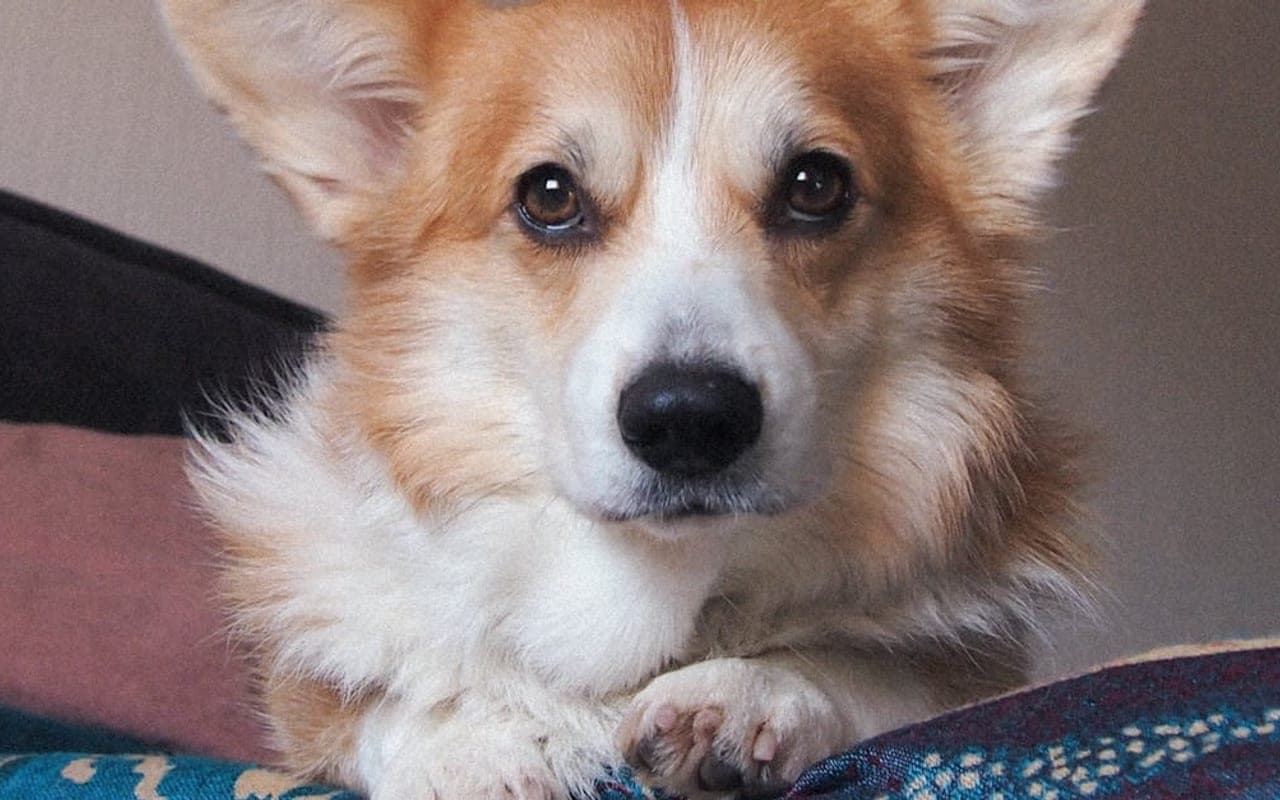
Pembroke Welsh Corgi
Also in the Herding group, with different care and temperament tradeoffs.
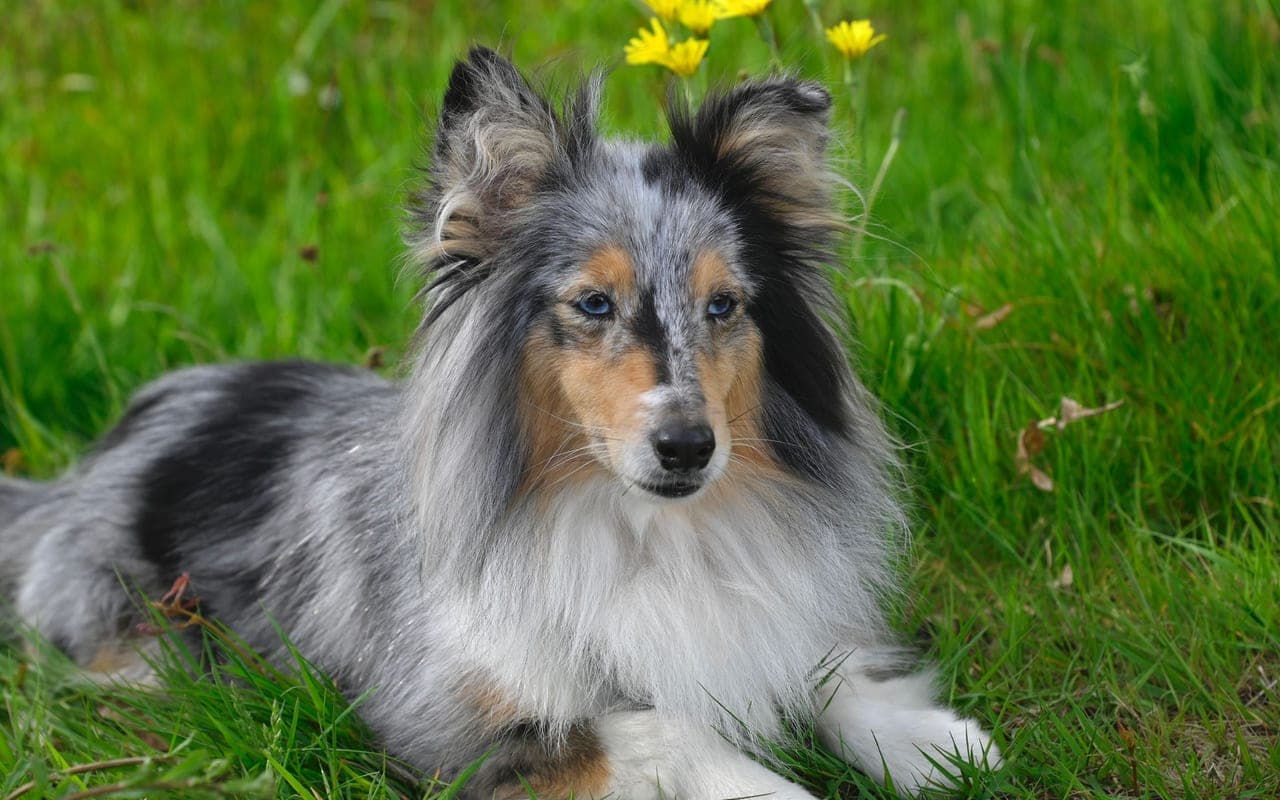
Shetland Sheepdog
Also in the Herding group, with different care and temperament tradeoffs.
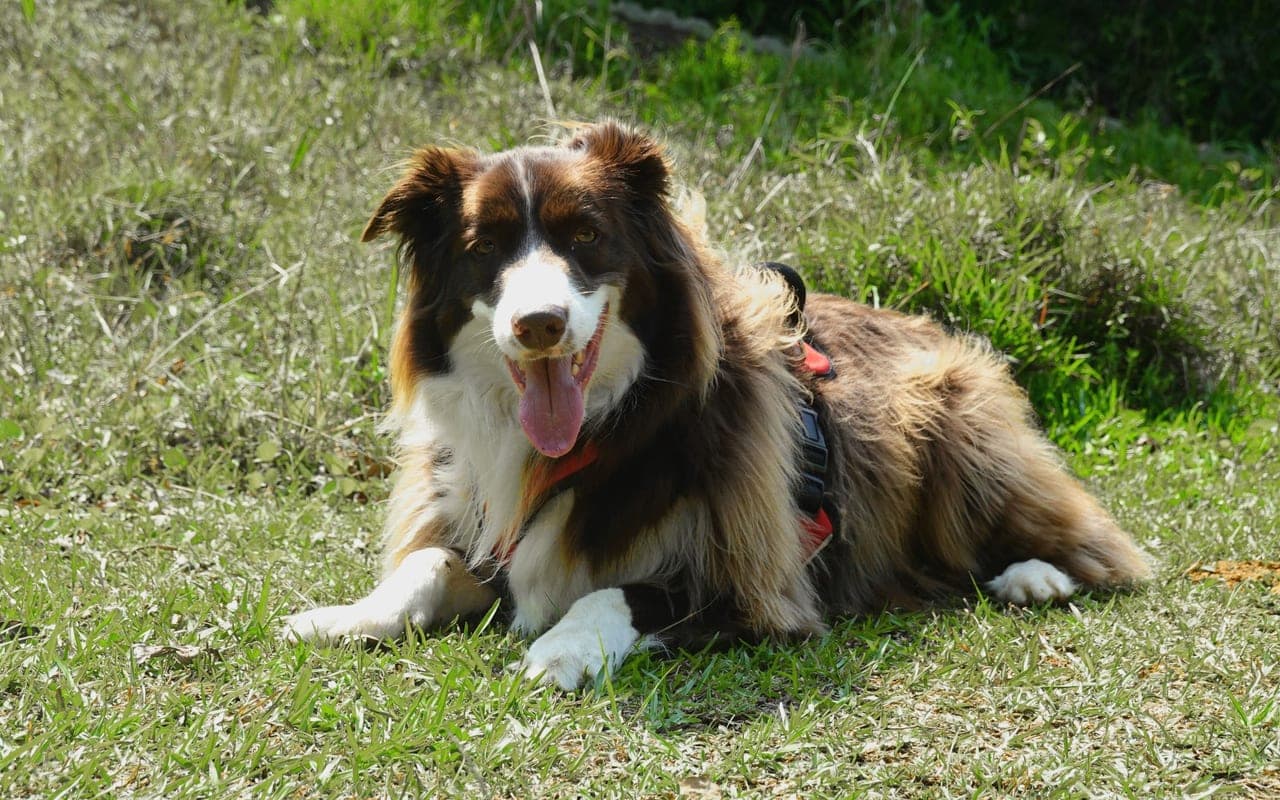
Border Collie
Also in the Herding group, with different care and temperament tradeoffs.
Explore More About Bouvier des Flandres
Dive deeper into everything Bouvier des Flandres — costs, care, and expert insights.
Considering a cat instead?
Browse Cats