
Bracco Italiano Care Guide
The Bracco Italiano at a glance The Bracco Italiano is an Italian pointing gundog with a history stretching back centuries, and the American Kennel Club describes it as one of the oldest of the pointi
In This Guide
Overview
The Bracco Italiano at a glance
The Bracco Italiano is an Italian pointing gundog with a history stretching back centuries, and the American Kennel Club describes it as one of the oldest of the pointing breeds. It was bred to quarter fields methodically, freeze on game birds, and work in close partnership with the hunter rather than range far ahead, which is why owners so often describe the same dog as a serious worker outdoors and a calm companion at home.
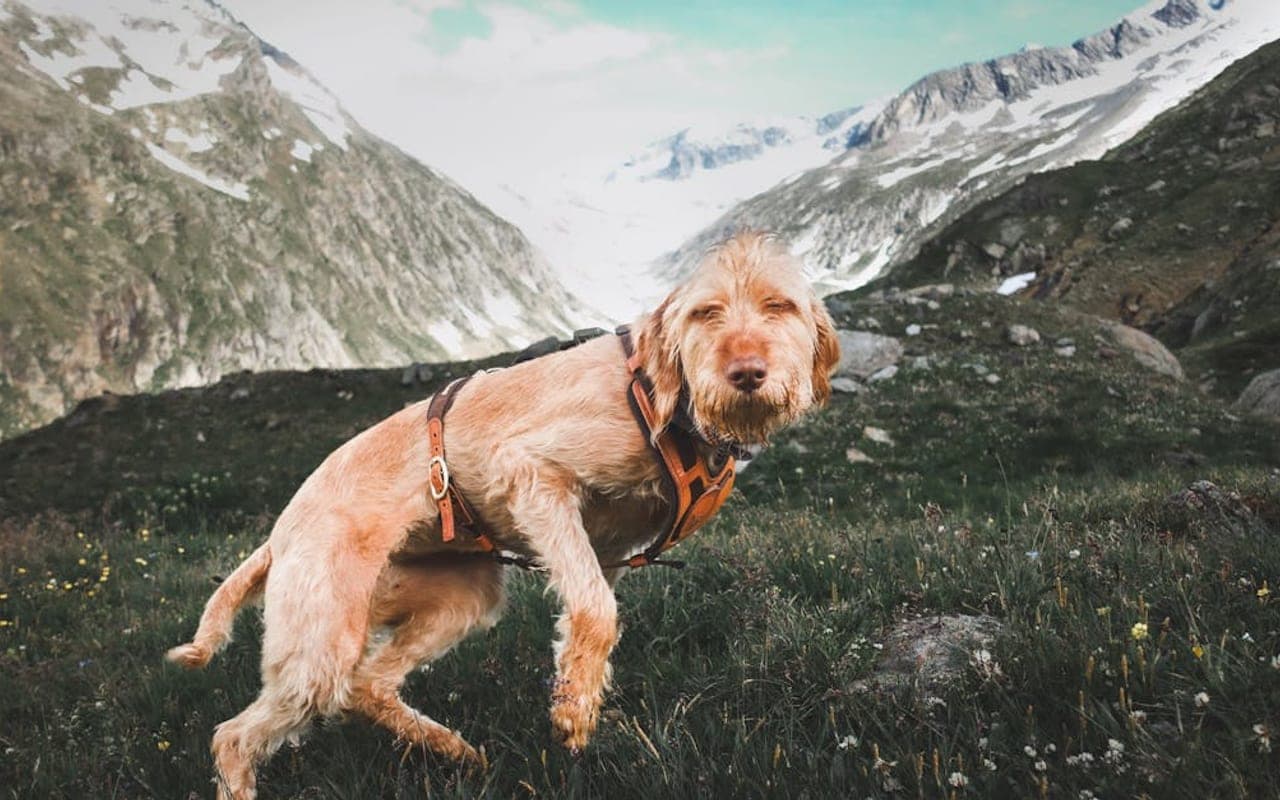
You will recognise a Bracco before you know the name. The head is long and houndy, carried with a gentle downfaced ("roman") profile, and it is framed by exceptionally long, low-set, pendulous ears and soft folds of loose skin and dewlap around the muzzle and throat. The coat is short and dense, and the breed is classically white with orange or chestnut markings, sometimes roaned. This is a substantial, powerfully built dog that moves at a distinctive far-reaching trot, the gait the breed was shaped to sustain across a long day's hunting.
Temperament is the reason the Bracco has followers well beyond the field. The AKC characterises the breed as gentle in the home and tireless in the field, and it typically bonds closely, tolerates children and other dogs well, and stays sociable. That sensitivity has a flip side worth planning for: this is a dog that wilts under harsh handling and does not enjoy being left alone for long stretches, so it suits a household that wants a genuinely involved dog rather than a kennel athlete. The sections that follow cover grooming, exercise and the health priorities specific to the breed.
Exercise
Exercise and training
The Bracco Italiano was built to hunt all day at a steady trot, and it still carries that engine, so this is not a breed that a short walk around the block will satisfy. The American Kennel Club describes it as tireless in the field, and an adult typically needs substantial daily exercise: long walks, off-lead running in a secure space, or roadwork alongside a bike, ideally split across the day rather than crammed into one burst. A Bracco that is under-exercised tends to become restless and vocal, because the drive to work has nowhere to go.
Physical mileage alone is not enough. This is a scent-driven bird dog, and it is happiest with a job that uses its nose, so scentwork, retrieving games, hunt training, or field trials give the mental engagement the breed craves. Rotating in this kind of problem-solving genuinely tires a Bracco in a way a flat jog does not.
Training should lean into the breed's sociable, sensitive nature. Braccos read their handler closely and shut down under harsh corrections, so reward-based methods with patient, consistent repetition get far better results than pressure. Early socialisation and recall work matter too, since a dog bred to follow its nose needs a reliable come and a securely fenced area, or it will happily self-employ on a scent trail.
Match the workload to the dog's stage of life. The Bracco is large and slow-maturing, so keep a growing puppy to controlled, low-impact activity and avoid forced running or repetitive jumping until the joints mature, because that restraint protects the hips and elbows the breed is predisposed to strain. Build an adult's stamina up gradually, and let a hard-working dog settle its stomach around meals rather than exercising hard on a full one.
Grooming
Grooming the Bracco Italiano
The Bracco's short, dense coat is one of the easier parts of owning the breed. A weekly going-over with a rubber curry or bristle brush lifts dead hair and spreads skin oils, and because the coat carries no heavy undercoat the breed does not blow coat dramatically, so most homes need only bathe occasionally when the dog is genuinely dirty rather than on a schedule.
The ears are where the real work is, and they deserve priority because of how the breed is built. Those long, low-set, pendulous ears trap warmth and moisture and limit airflow to the canal, and the breed's fondness for water only adds to the load, which is why ear infections are a recognised problem in the Bracco (PetMD). Check inside the ear flap regularly for redness, odour or brown discharge, and dry the ears thoroughly after swimming, bathing or a wet day in the field. Clean with a vet-recommended ear solution rather than pushing anything deep into the canal, and ask your vet to look at any ear that stays inflamed.
The loose facial skin and eyelids need their own quick daily glance, because that same slack skin around the eyes is what predisposes the breed to eyelid problems (covered in the health section). Wipe away debris from the corners of the eyes and any folds so grit and moisture do not sit against the surface. Braccos can also drool, so keeping the lip folds clean and dry helps.
Round out the routine with the basics every large working dog needs: trim the nails every few weeks so they never click or splay the toes, and brush the teeth several times a week with canine toothpaste, because dental disease is common and preventable. Handle the ears, feet and mouth from puppyhood so grooming stays calm for a sensitive dog.
Health
Health of the Bracco Italiano
The Bracco Italiano is a generally sound breed, and PetMD gives an average lifespan of about 10 to 14 years. But "generally healthy" is not the same as "no risks to plan for," and this breed's build and history point to a specific short list of conditions worth understanding. None of the notes below is a diagnosis; they are the concerns a responsible owner should watch for and raise with a veterinarian, who is the only person able to examine, test and treat your individual dog.
Kidney disease
Kidney disease deserves top billing because it is unusual among gundogs. PetMD describes hereditary kidney disease, in some cases caused by amyloidosis, as the number one problem being seen in the breed, and it can progress to kidney failure. This is why the Bracco Italiano Club of America asks breeders to add kidney screening to their programme, recommending a serum creatinine and a urine protein/creatinine ratio within six months of breeding to help screen for renal amyloidosis. For a pet owner the practical takeaway is simple: choose a breeder who tests, and treat routine bloodwork and urinalysis as worthwhile baseline care rather than something to skip, because early changes are easier to manage when caught before symptoms appear.
Hips and elbows
As a large, powerfully built dog, the Bracco is prone to hip and elbow dysplasia, developmental joint conditions that can lead to pain and arthritis over time (PetMD). Because these have an inherited component, the Bracco Italiano Club of America recommends OFA or PennHIP hip screening and OFA elbow evaluation on breeding stock, with elbows assessed at two years of age or older. Signs to mention to your vet include stiffness after rest, limping after exercise, or a growing reluctance to move; keeping your dog lean and fit takes load off the joints and is one of the few things fully in an owner's hands.
Ears and eyes
The same long, pendulous ears that define the breed's profile also make it prone to ear infections, since they hold in warmth and moisture (PetMD) — a risk the grooming routine is built to manage. The loose facial skin carries its own eye risks: the breed can develop entropion (eyelids rolling inward) and ectropion (eyelids rolling outward), and cataracts are also seen, which is why the Bracco Italiano Club of America includes an OFA eye examination among its recommended screenings. Any squinting, persistent tearing, redness or cloudiness warrants a veterinary eye check rather than a wait-and-see approach.
Bloat (GDV)
Like other deep-chested breeds, the Bracco can be affected by bloat, or gastric dilatation-volvulus (GDV), in which the stomach fills with gas and can twist — a genuine emergency that PetMD describes as serious and potentially life-threatening (PetMD). No owner can prevent it with certainty, but the widely used precautions are sensible: feed measured meals rather than one large one, and let your dog rest before and after eating instead of exercising hard on a full stomach. A dog with a swollen abdomen, unproductive retching or obvious distress needs emergency veterinary care immediately, without waiting to see whether it passes.
Read these as priorities to discuss with your own veterinarian, not as a verdict on any particular dog. A well-bred Bracco from health-tested parents, kept lean and seen regularly, has every chance of a long and active life.
Frequently Asked Questions
How long do Bracco Italianos live?
PetMD gives an average lifespan of about 10 to 14 years. A healthy diet, a lean body condition, regular veterinary check-ups and choosing a puppy from health-tested parents all support a long life.
What is the most serious health issue in the breed?
PetMD describes hereditary kidney disease, sometimes caused by amyloidosis, as the number one problem seen in the breed. It is a key reason to buy from a breeder who does kidney screening and to keep up routine bloodwork and urinalysis with your vet.
Why are the Bracco's ears prone to infection?
The long, low-set, pendulous ears trap warmth and moisture and reduce airflow, and the breed's love of water adds to that (PetMD). Checking and thoroughly drying the ears after swimming or bathing, and using a vet-recommended cleaner, helps prevent problems.
Are Bracco Italianos at risk of bloat?
Yes. As a deep-chested breed the Bracco can develop gastric dilatation-volvulus (GDV), which PetMD calls potentially life-threatening. Feed measured meals, avoid hard exercise right around eating, and seek emergency care for a swollen abdomen or unproductive retching.
Sources
This guide draws on the following published references. Each opens in a new tab so you can check it against what you have read here.
American Kennel Club
Bracco Italiano Dog Breed Information(opens in a new tab)Bracco Italiano Club of America
Bracco Italiano Club of America — Breed Info: Health Concerns(opens in a new tab)Bracco Italiano Club of America
Bracco Italiano Club of America Health Statement (approved 16 November 2025)(opens in a new tab)Bracco Italiano Kidney Page
Testing for Kidney Disease — Bracco Italiano Kidney Page(opens in a new tab)Bracco Italiano Kidney Page
About Amyloidosis — Bracco Italiano Kidney Page(opens in a new tab)PetMD
Bracco Italiano Dog Breed Health and Care(opens in a new tab)
Affiliate disclosure: We may earn a commission from qualifying purchases. This doesn't affect our recommendations.
Recommended Products
Bracco Italiano Care Guide Book
Breed-focused reading and owner references for Bracco Italiano care, training, grooming, and health planning.
Bracco Italiano Food and Supplies
Helpful supplies for bracco italiano dog supplies routines at home.
Bracco Italiano Grooming Tools
Helpful supplies for bracco italiano grooming tools routines at home.
Get personalized pet care tips
Join our newsletter for breed-specific advice, care guides, and expert tips delivered weekly.
No spam, ever. Unsubscribe anytime.