
Sporting group
Bracco Italiano
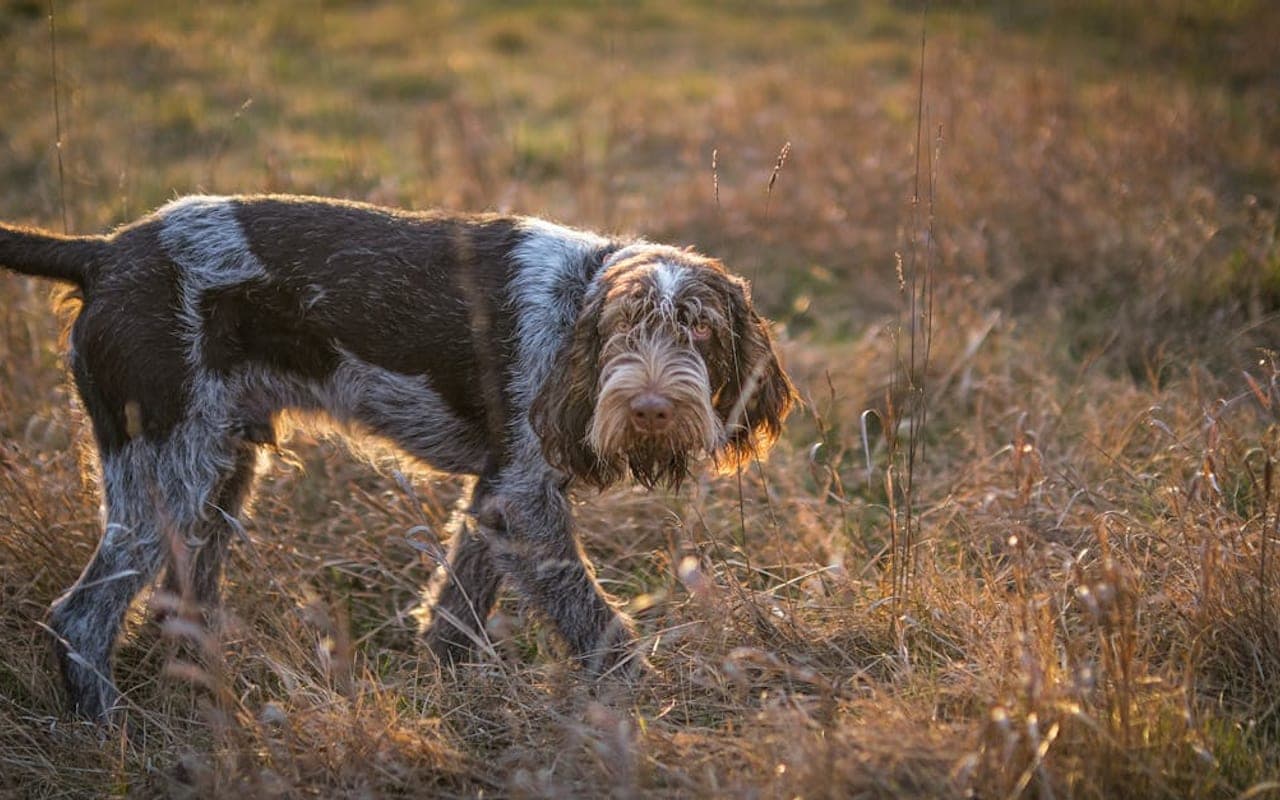
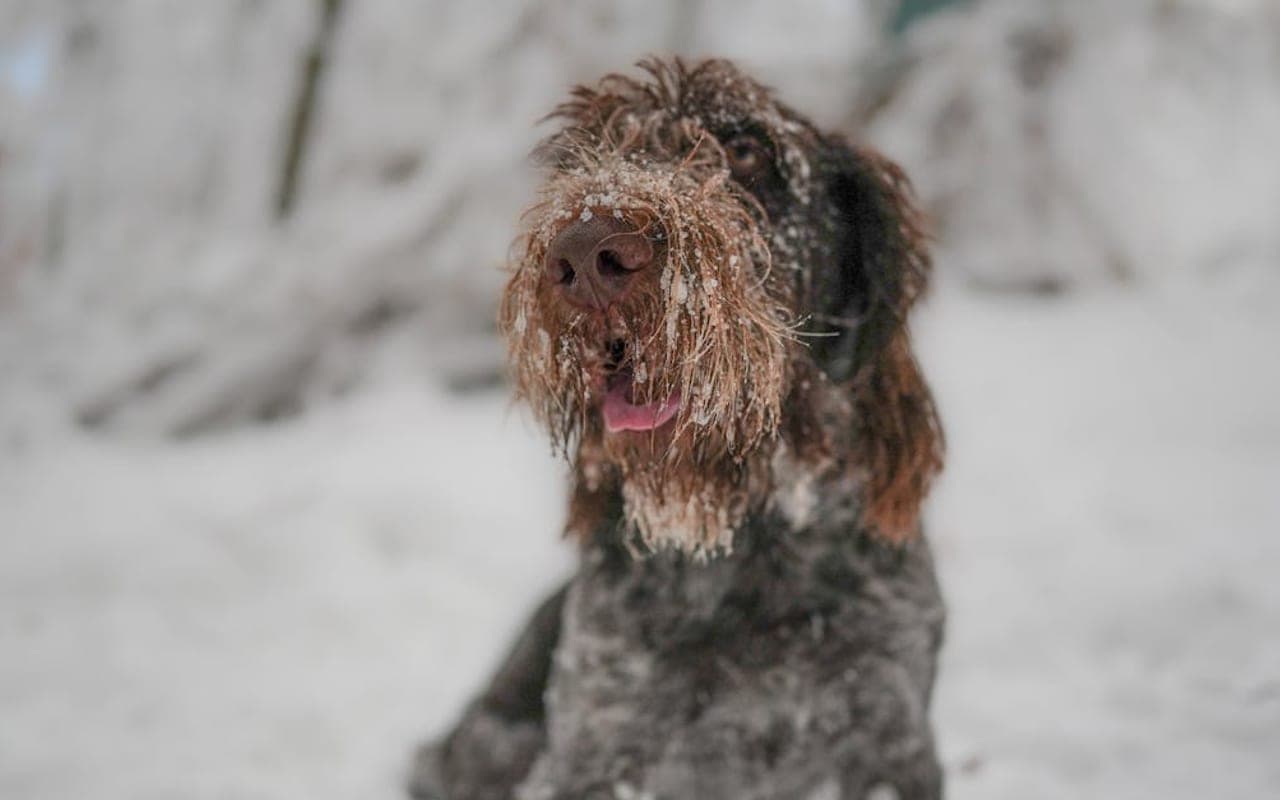
The Bracco Italiano is one of the oldest pointing breeds in the world — the Italian Pointer — and the honest way to frame it for a buyer is a contradiction the breed wears openly: tireless, athletic gun dog in the field; soft, sensitive, almost houndy companion in the home.

Size
55-88 lb
Lifespan
10-14 years
Exercise
30-60 minutes
Shedding
Moderate
Experience
Match to owner routine
Decision first
Is a Bracco Italiano right for you?
Start with fit before history or trivia. These are ownership signals, not guarantees about any individual dog.
Best suited for
- Households with children.
- Homes with other compatible pets.
- Apartment homes with a consistent routine.
- Owners seeking a manageable daily exercise routine.
Think carefully if
- You need a dog with almost no daily routine.
- You cannot keep up with grooming and preventive care.
- The dog will spend most days alone without support.
Conditional fit
Apartment fit depends on exercise, enrichment, noise management, and outdoor access.
Daily reality
Bracco Italiano commitment snapshot
Daily exercise
30-60 minutes
Match activity to age, health, weather, and training goals.
Coat care
Moderate
Grooming needs vary by coat, shedding, and lifestyle.
Time alone
Needs planning
Most dogs need gradual alone-time conditioning and support.
Structured facts
Bracco Italiano at a glance
The measurements and traits that most affect day-to-day life with this breed.
Group
Sporting
Weight
55-88 lb
Height
22-26 in
Lifespan
10-14 years
Temperament
Affectionate | Intelligent | Enthusiastic
View all characteristics and methodology
Lifestyle fit
- Apartment suitability
- Likely fit
- Child friendliness
- Often good, with socialisation and supervision
- Other-pet fit
- Often compatible with careful introductions
Owner commitment
- Exercise
- 30-60 minutes
- Grooming
- Moderate
- Shedding
- Moderate
- Training
- Moderate
Environment and health
- Health risk
- Needs planning
Ratings combine structured breed data, visible breed fields, and editorial context. They are planning aids, not predictions for an individual dog.
Daily life
Bracco Italiano temperament and behavior
The Bracco Italiano is one of the oldest pointing breeds in the world — the Italian Pointer — and the honest way to frame it for a buyer is a contradiction the breed wears openly: tireless, athletic gun dog in the field; soft, sensitive, almost houndy companion in the home. It is a large dog, typically 55-90 lb, with a sculpted head, long pendulous ears, loose skin, and a distinctive high-stepping 'trot' gait, in white with orange or chestnut markings (roan or patched). Get the size right: this is a substantial bird dog, and an owner should plan around a large, powerful, deep-chested breed. Temperament is where people are surprised. Despite the working build, the Bracco is gentle, affectionate, deeply people-bonded, and notably sensitive — it does not tolerate harsh training, it dislikes being alone, and it can be sulky or shut down if handled roughly. It is sociable, generally good with children and other dogs, and more biddable than many continental pointers, but it is still a high-stamina hunting dog that needs real exercise and a job to be the calm housedog people want. Lifespan is a realistic 10-14 years, on the shorter side for the breed's owners to plan for given its size and the deep-chested bloat risk. Who the Bracco Italiano is right for: an active owner or hunting home that wants an affectionate, gentle large companion and will commit to 60+ minutes of daily exercise, gentle reward-based training, and the company the breed needs. Who it is wrong for: apartment dwellers without serious exercise, owners who are out all day (this breed genuinely struggles alone), heavy-handed trainers, and anyone unprepared for the bloat, joint, and eye costs a large continental gun dog can bring.
Affectionate | Intelligent | Enthusiastic
Affectionate
A common Bracco Italiano temperament descriptor that should be interpreted alongside training, exercise, and household fit.
Intelligent
A common Bracco Italiano temperament descriptor that should be interpreted alongside training, exercise, and household fit.
Enthusiastic
A common Bracco Italiano temperament descriptor that should be interpreted alongside training, exercise, and household fit.
Owner note
Temperament labels are starting points, not guarantees. Meet the individual dog and ask about behavior history whenever possible.
Care essentials
How to care for a Bracco Italiano
What looking after one actually involves: exercise, grooming, food, training, and routine health.
ExerciseAs needed
- Moderately active breed needing 30-60 minutes of daily exercise through walks, play, and mental stimulation.
GroomingAs needed
- Regular grooming needed — brush 2-3 times per week and bathe monthly.
TrainingAs needed
- Moderately trainable — consistent, patient training with positive methods works best.
NutritionAs needed
- Feed a high-quality dog food appropriate for their age, size, and activity level. Monitor portions to prevent obesity.
Veterinary CareAs needed
- Annual wellness exams, core vaccinations, dental care, and parasite prevention. Breed-specific health screenings as recommended by your vet.
Health planning
Bracco Italiano health risks and screening
Every breed has individual health variation. Use this profile for planning and discuss medical decisions with a veterinarian.
Responsible ownership
Finding a Bracco Italiano responsibly
What to ask a breeder or rescue is the same conversation for every breed, so we keep it in one place and keep it current.
Health documentation, meeting the parents or foster, contracts and return support, and the warning signs worth walking away from.
Original purpose
Bracco Italiano history
History is useful when it explains today's behavior, coat, exercise needs, and training style.
Read the breed history
The Bracco Italiano is one of the oldest pointing breeds, with depictions of similar dogs in Italian art dating back to the 4th and 5th centuries BC and well-documented use as a hunting dog of the Italian aristocracy through the Renaissance. Two regional types historically existed — a heavier white-and-orange Piedmontese type and a more substantial chestnut-and-white Lombard type — which were later consolidated into the single modern breed. It was developed to find, point, and retrieve game birds across varied Italian terrain, working closely and methodically with the hunter rather than ranging wide and independent. The breed was nearly lost by the early 20th century and was rebuilt by dedicated Italian breeders and the Italian breed club (Società Amatori Bracco Italiano), which standardized type and the characteristic trotting gait. It was introduced into the United States in the 1990s and has remained close to its working heritage; the AKC moved it through the Foundation Stock Service and Miscellaneous Class to full Sporting Group recognition. For an owner, that history explains the modern dog precisely: a methodical, close-working, hunter-cooperative bird dog selected over centuries to partner intimately with people. That cooperative selection is exactly why the breed is so affectionate and sensitive — and exactly why it needs work and company rather than a backyard and solitude.
Gallery
Bracco Italiano photos
Images are cropped consistently and loaded progressively to keep the page responsive.
Lower-page context
Bracco Italianos in culture
Where the breed shows up in film, sport, work and folklore — the enjoyable part, once the practical questions are answered.
Fun facts
- The Bracco Italiano belongs to the Miscellaneous Class.
- The average lifespan of a Bracco Italiano is 10 to 14 years.
- Bracco Italiano dogs are valued for their affectionate, intelligent, enthusiastic nature.
Bracco Italiano FAQs
How long do Bracco Italiano dogs live?
A Bracco Italiano typically lives 10-14 years. As a large, deep-chested working breed it sits on the shorter side of canine lifespans, and the realistic determinants are weight management, joint health, and avoiding catastrophic bloat. A lean dog from hip- and eye-screened lines that is fed split meals and kept fit reaches the upper range; an overweight dog, or one lost to an untreated GDV episode, does not. Bloat awareness in particular materially affects how long this breed lives.
Are Bracco Italiano dogs good with children?
Yes — the Bracco is gentle, affectionate, patient, and sociable, and is generally an excellent family dog with children and other dogs. The honest caveats are practical: it is a large, powerful dog that can knock over toddlers in play, and it is genuinely sensitive, so it does best in a calm household and can be unsettled by chaotic rough handling. Supervise young children, teach gentle interaction, and the breed's good nature does the rest.
How much exercise does a Bracco Italiano need?
A lot — plan at least 60 minutes of vigorous daily exercise plus mental work. This is a stamina-bred pointing dog: running, hiking, gun-dog work, and scent or retrieve games satisfy it; a leisurely walk does not. The payoff is real — a properly exercised Bracco is the calm, affectionate housedog the breed is famous for, while an under-exercised one is restless and frustrating to live with. If you cannot commit to daily real exercise for 10+ years, this is the wrong breed.
Are Bracco Italiano dogs easy to train?
Moderately, with one firm rule: train gently. The Bracco is intelligent and more biddable than many continental pointers, but it is highly sensitive and will sulk, shut down, or lose confidence under harsh corrections. It responds very well to early, consistent, positive-reinforcement training and a clear job, and poorly to heavy-handed methods or boredom. It also matures slowly, so patience through a long, goofy adolescence is part of the deal. Reward-based handling is not optional with this breed.
Can a Bracco Italiano be left alone during the workday?
Not well, and this is the breed's most important limitation. The Bracco is intensely people-bonded and sensitive, and left alone for long full days it is prone to separation distress, anxiety, and destructive or vocal behavior. It is a dog for a present household or one that arranges a midday walker or daycare. Independence and crate training from puppyhood help, but they manage rather than eliminate a fundamental need for company — assess your schedule honestly before acquiring one.
How much grooming does a Bracco Italiano need?
Low for the coat, with one real exception. The short coat needs only a weekly brush and an occasional bath. The maintenance that actually matters is the ears: the long, heavy, pendulous ears trap moisture and debris and the breed is prone to ear infections, so weekly cleaning and drying — especially after any water work — is the task that prevents a free chore from becoming a recurring vet bill. Also check the loose facial skin and lower eyelids weekly for irritation.
Sources
These are the published sources this page draws on. Each opens in a new tab so you can check it yourself.
American Kennel Club
Bracco Italiano — breed standard and profile(opens in a new tab)Supports: Breed standard and recognition details.
Similar breeds to consider
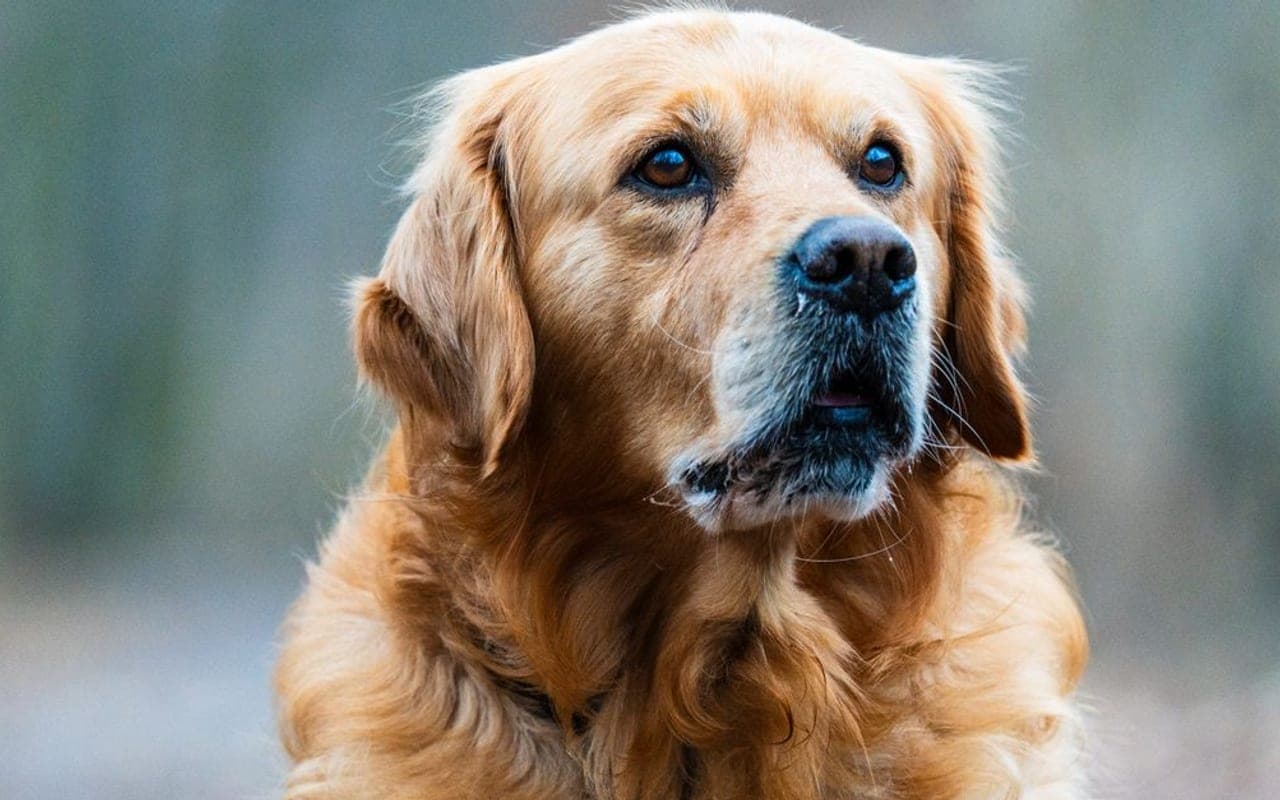
Golden Retriever
Also in the Sporting group, with different care and temperament tradeoffs.
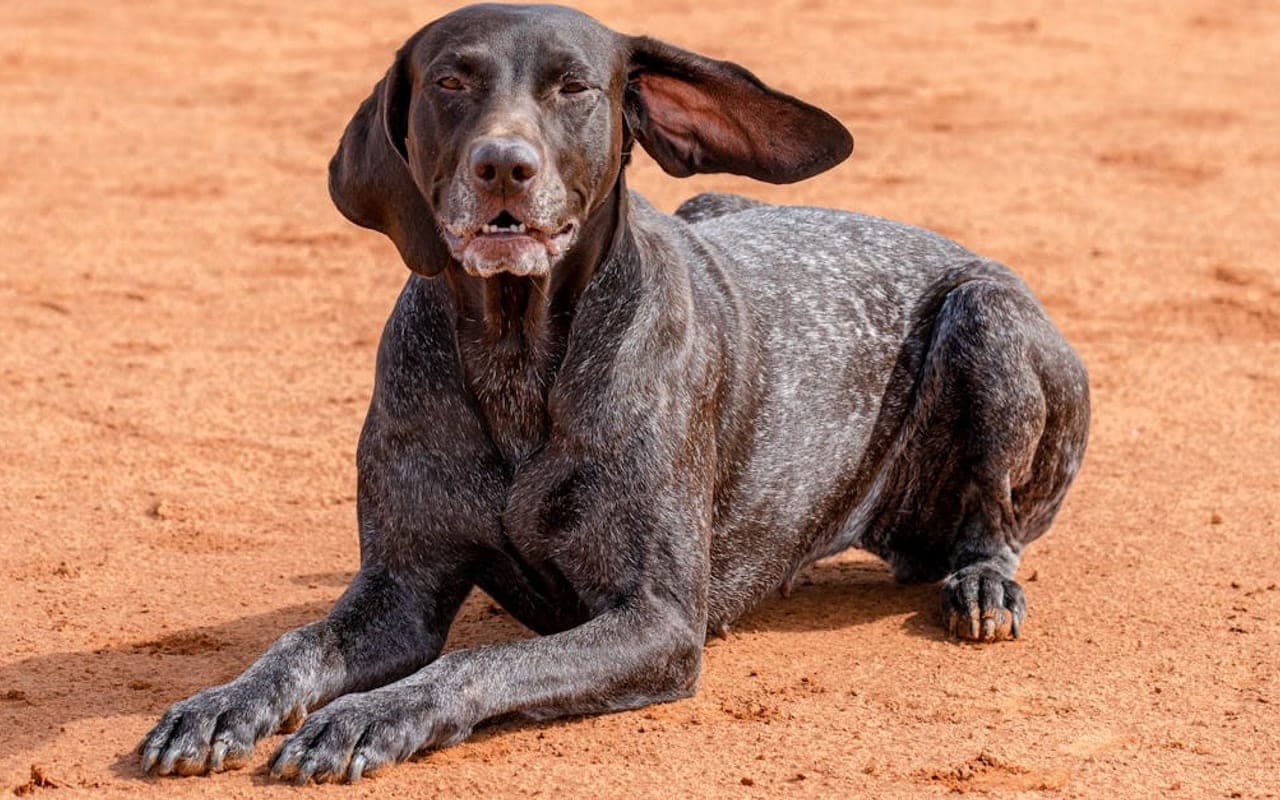
German Shorthaired Pointer
Also in the Sporting group, with different care and temperament tradeoffs.
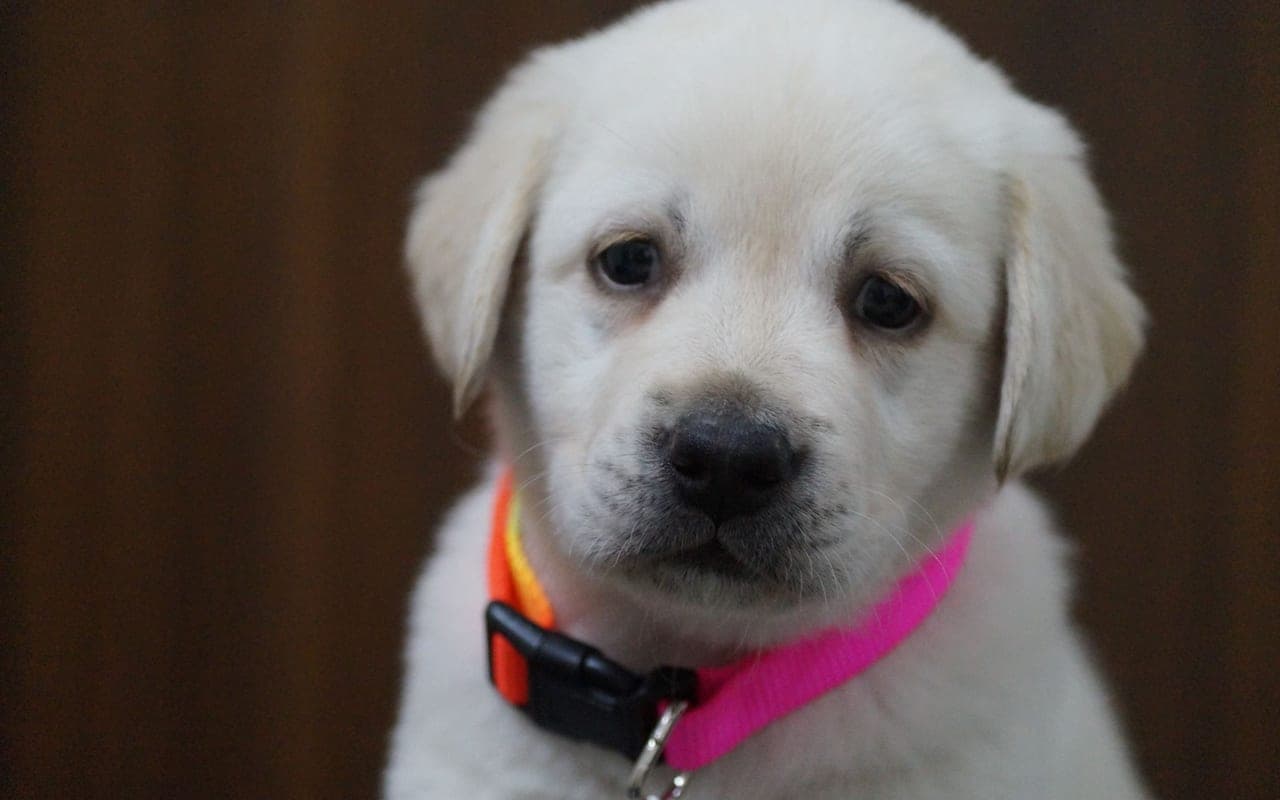
Labrador Retriever
Also in the Sporting group, with different care and temperament tradeoffs.
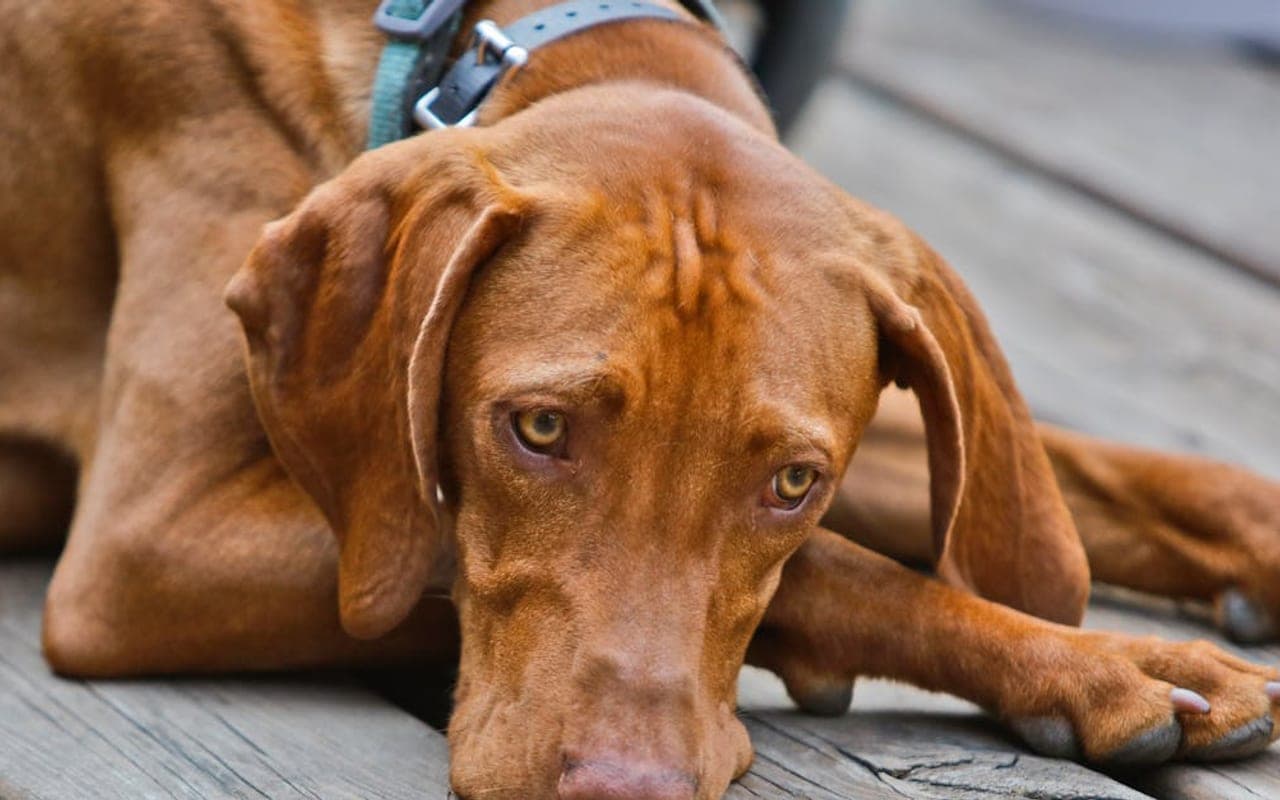
Vizsla
Also in the Sporting group, with different care and temperament tradeoffs.
Explore More About Bracco Italiano
Dive deeper into everything Bracco Italiano — costs, care, and expert insights.
Considering a cat instead?
Browse Cats