
Dogue de Bordeaux Care Guide
The Dogue de Bordeaux at a Glance The Dogue de Bordeaux is an ancient French mastiff, or molosser, that worked as a guardian of estates, flocks, and cattle in the Bordeaux region of France long before
Reading Time
📖 9 min read
Guide Type
🐾 Breed-Specific
Last Updated
📅 Sep 10, 2026
Breed
🐶 Dogue De BordeauxIn This Guide
Overview
The Dogue de Bordeaux at a Glance
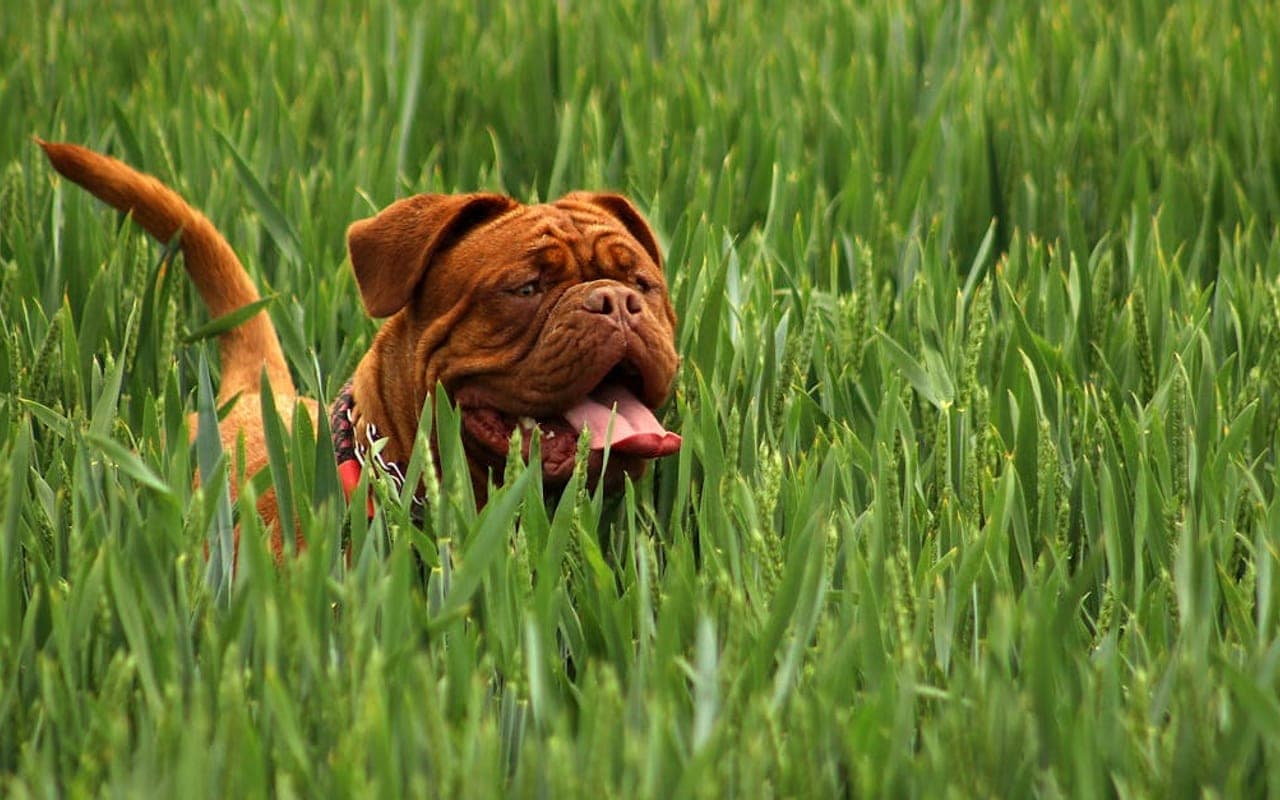
The Dogue de Bordeaux is an ancient French mastiff, or molosser, that worked as a guardian of estates, flocks, and cattle in the Bordeaux region of France long before it became a show breed. It is built low, wide, and heavy: males stand roughly 23.5 to 27 inches at the withers and routinely weigh 110 pounds or more, according to the American Kennel Club standard, with the body slightly longer than it is tall.
What people notice first is the head. The Dogue de Bordeaux carries what the American Kennel Club describes as proportionately the largest head in the canine world — a broad, deeply wrinkled skull framed by heavy folds and an undershot jaw. That head sits over a muscular, short-coated body in shades of fawn, from pale to a rich mahogany, usually finished with a black or brown mask around the muzzle and eyes.
Temperament is the reason the breed endures. A well-raised Dogue de Bordeaux is calm, deeply attached to its family, and quietly watchful rather than frantic — a devoted companion that would rather lean against you than patrol the fence line. That steadiness paired with an imposing look is exactly why a Dogue starred opposite Tom Hanks in the 1989 film "Turner & Hooch," a role the American Kennel Club still cites as the breed's introduction to many American owners.
Two facts shape everything about living with one. The Dogue de Bordeaux is brachycephalic — short-muzzled — which affects breathing, heat tolerance, and daily care. And it is a giant breed with a notably short life expectancy, so responsible ownership means planning around health from day one rather than reacting to it later.
Exercise
Exercising the Dogue de Bordeaux
A Dogue de Bordeaux is a moderate-exercise dog, not an athlete. Two calm walks a day plus some yard time suit an adult, because the breed's job was patient guarding, not distance running, and its heavy, short-muzzled build makes sustained hard work genuinely risky. A well-exercised Dogue is happy to be a couch companion between outings.
Heat is the first thing to manage. As a brachycephalic breed, the Dogue de Bordeaux cools itself inefficiently through panting, and that short muzzle combined with a large, dense body means it overheats far faster than a longer-nosed dog — a limitation veterinary brachycephalic-health research consistently flags. Walk in the cool hours of early morning and evening, carry water, seek shade, and cut activity short on warm or humid days, because heatstroke in this breed can escalate quickly and become an emergency. Never leave one in a warm car or exercise it hard after meals.
Puppies need a different, gentler plan. This is a giant breed whose bones and joints keep developing for well over a year, so forced running, jumping, stair work, and long hikes before maturity can damage growing joints and worsen the hip and elbow problems the breed is already prone to. Let a young Dogue set the pace with short, low-impact play and free movement on soft ground, and skip repetitive high-impact exercise until your vet confirms the growth plates have closed.
Protect the joints for life. Keep your dog lean, because every extra pound loads hips and elbows that are vulnerable in this breed, and favor soft surfaces over pavement. If you notice a Dogue tiring unusually fast, refusing exercise, or breathing hard at rest, treat it as a possible heart or airway sign and have a vet check it rather than pushing through.
Grooming
Grooming the Dogue de Bordeaux
The coat is the easy part. A Dogue de Bordeaux wears a short, fine, single coat that needs only a weekly once-over with a rubber curry or hound mitt to lift dead hair and spread skin oils, because there is no long fur or dense undercoat to mat. Bathe as needed rather than on a schedule, since over-washing dries the skin.
The real job is the wrinkles. The deep facial folds that define the breed trap moisture, saliva, food, and dead skin, and that warm, damp crease is exactly where skin-fold dermatitis and yeast or bacterial infection take hold — a problem veterinary dermatology research at the Royal Veterinary College ties directly to the folded, short-muzzled brachycephalic face. Wipe the folds around the muzzle, nose rope, and forehead with a soft damp cloth, then dry each crease thoroughly, ideally daily; damp folds cause more trouble than dirty ones, so drying matters as much as cleaning. Watch for redness, odor, or discharge, which signal an infection a vet should treat rather than something you scrub harder.
Expect drooling. The heavy jowls and loose lips mean a Dogue de Bordeaux slings saliva after eating and drinking, so keep a cloth handy and wipe the lip folds so trapped drool does not sour the skin underneath.
Check the ears weekly and clean them with a vet-approved solution when they look waxy, because the same conformation that folds the face also narrows the ear canals and favors infection. Trim nails every couple of weeks — a heavy dog on overgrown nails loads the toes and joints painfully — and brush the teeth several times a week. Because this breed carries genuine cardiac and skin risks, treat grooming as a hands-on health check: you are the first likely to feel a new lump, sore fold, or sensitive joint.
Health
Dogue de Bordeaux Health
The Dogue de Bordeaux is one of the harder giant breeds to keep well. The notes below describe risks common to the breed so you know what to watch for and screen against — they are not a diagnosis, and any concern about your dog belongs with your veterinarian.
A Short Life Expectancy — Know It Going In
The most important fact about the breed is its lifespan. The Dogue de Bordeaux has one of the shortest average life expectancies of any dog, commonly cited at around five to eight years, and both the American Kennel Club and breed-health resources such as Embrace Pet Insurance note that reaching ten or eleven is the exception. That is a reason to go in clear-eyed and budget for care, not to avoid the breed. Much of that short span traces to the heart, cancer, and the strain a giant, short-muzzled body carries.
Heart Disease
Cardiac disease is the defining concern of the breed. Breed-health information compiled by Embrace Pet Insurance lists dilated cardiomyopathy — the heart muscle enlarges and weakens until it cannot pump effectively — together with aortic stenosis among the leading causes of death. Dilated cardiomyopathy can progress to congestive heart failure and dangerous rhythm disturbances; aortic stenosis narrows the heart's outflow, raising the risk of exercise intolerance, fainting, and sudden death. Because these advance quietly, the Orthopedic Foundation for Animals and the American Kennel Club recommend a cardiac evaluation for breeding dogs, ideally an echocardiogram read by a veterinary cardiologist. Coughing, tiring quickly, labored breathing at rest, or fainting warrant a prompt vet visit — only a veterinarian can diagnose or treat heart disease.
Cancer and Bloat
Cancer is another major cause of death, with lymphoma reported by breed-health resources including Embrace Pet Insurance to occur more often in the breed than in dogs generally; a new lump, a swollen lymph node, sudden weight loss, or lasting lethargy all earn a veterinary exam. The breed is also at risk of bloat, or gastric dilatation-volvulus (GDV), listed among its common causes of death: the stomach fills with gas and can twist, cutting off blood supply — an emergency that kills within hours. A distended abdomen, unproductive retching, restlessness, or collapse means a veterinarian immediately — GDV is not survivable without urgent surgery.
Hips, Elbows, and Joints
As a heavy giant breed, the Dogue de Bordeaux carries elevated risk of hip and elbow dysplasia — inherited joint malformations that lead to pain, lameness, and arthritis. The Orthopedic Foundation for Animals certifies hip and elbow scores, and the American Kennel Club advises that a puppy's parents show OFA hip and elbow clearances. Keeping your dog lean, controlling puppy growth with a large-breed diet, and limiting high-impact exercise while young all protect vulnerable joints — but none replace tested parents.
Breathing, Heat, and Skin Folds
The short muzzle also narrows the airway, and veterinary brachycephalic-health research links that conformation to breathing difficulty and a reduced ability to cool by panting — meaning real heat intolerance in warm weather. Exercise only in cool hours, never leave one in a warm car, and treat heatstroke signs — distressed panting, weakness, collapse — as an emergency. The deep facial folds need active care too: Royal Veterinary College dermatology research associates the breed's folded face with skin-fold dermatitis, where trapped moisture invites infection, so clean and dry the creases daily and have a vet check any redness, odor, or discharge. Some breed-health programs also track a hereditary footpad hyperkeratosis (thickened, cracked pads), less common than the concerns above.
Frequently Asked Questions
How long do Dogue de Bordeaux dogs usually live?
The breed has one of the shortest average lifespans of any dog. The American Kennel Club and breed-health resources such as Embrace Pet Insurance commonly cite around five to eight years, with some reaching ten or eleven. Knowing this going in lets you budget for care and screen a breeder's testing.
What health problems is the Dogue de Bordeaux most prone to?
Heart disease is the leading concern — dilated cardiomyopathy and aortic stenosis rank among the top causes of death per breed-health data from Embrace Pet Insurance — alongside cancer such as lymphoma, bloat (GDV), and hip and elbow dysplasia. Its short muzzle also brings breathing and heat limits.
Why does the Dogue de Bordeaux overheat so easily?
It is a brachycephalic (short-muzzled) breed, and veterinary research links that conformation to a narrowed airway and reduced ability to cool by panting, made worse by its heavy build. Exercise in cool hours, never leave one in a warm car, and treat heatstroke as an emergency.
Do the facial wrinkles really need daily care?
Yes. Royal Veterinary College dermatology research associates the breed's deep facial folds with skin-fold dermatitis, because trapped moisture invites infection. Wipe and thoroughly dry the folds daily, and have a vet check any redness, odor, or discharge.
Sources
This guide draws on the following published references. Each opens in a new tab so you can check it against what you have read here.
American Kennel Club
Dogue de Bordeaux Dog Breed Information(opens in a new tab)Dogue de Bordeaux Society of America
Health Committee | DDBSA Dogue de Bordeaux Society of America(opens in a new tab)Embrace Pet Insurance
Dogues de Bordeaux | Embrace Dog Breed Library(opens in a new tab)PetMD
Dogue de Bordeaux Dog Breed Health and Care | PetMD(opens in a new tab)
Affiliate disclosure: We may earn a commission from qualifying purchases. This doesn't affect our recommendations.
Recommended Products
Dogue de Bordeaux Care Guide Book
Breed-focused reading and owner references for Dogue de Bordeaux care, training, grooming, and health planning.
Dogue de Bordeaux Food and Supplies
Helpful supplies for dogue de bordeaux dog supplies routines at home.
Dogue de Bordeaux Grooming Tools
Helpful supplies for dogue de bordeaux grooming tools routines at home.
Get personalized pet care tips
Join our newsletter for breed-specific advice, care guides, and expert tips delivered weekly.
No spam, ever. Unsubscribe anytime.