
Working group
Dogue de Bordeaux
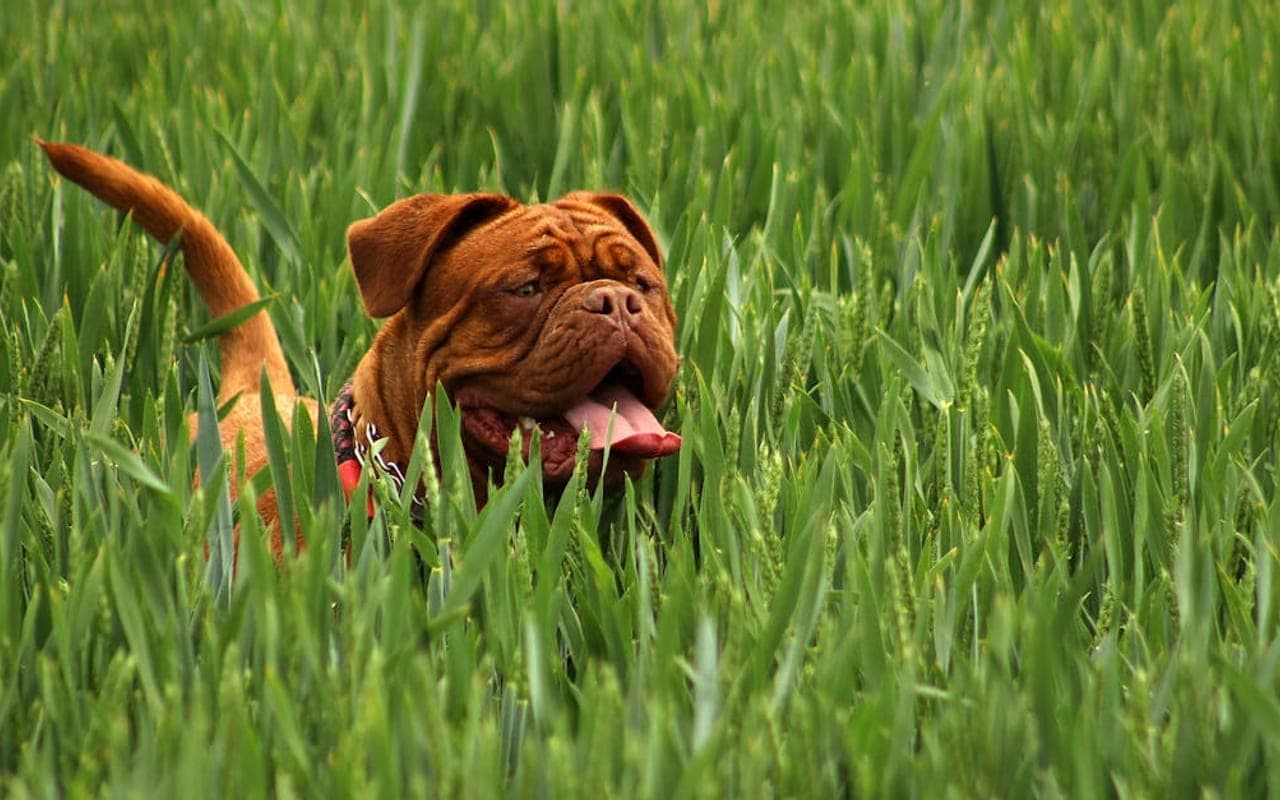
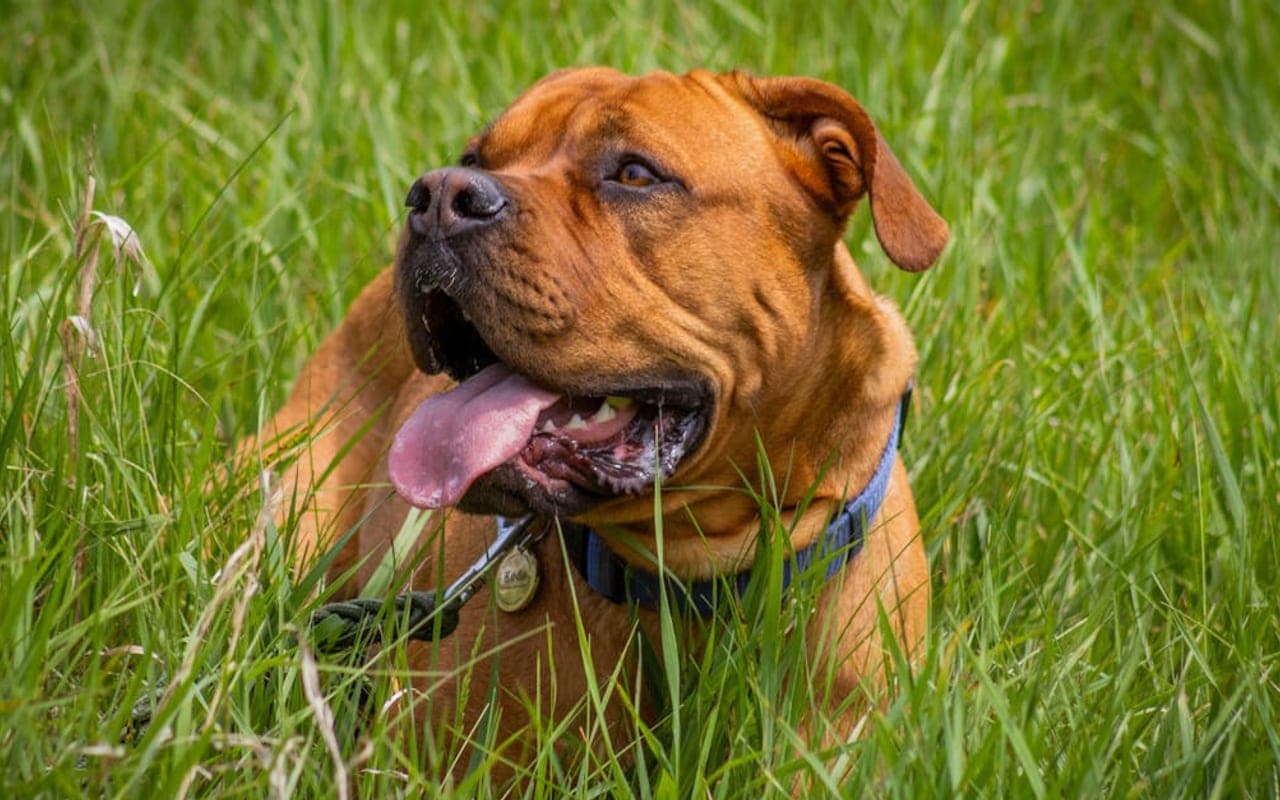
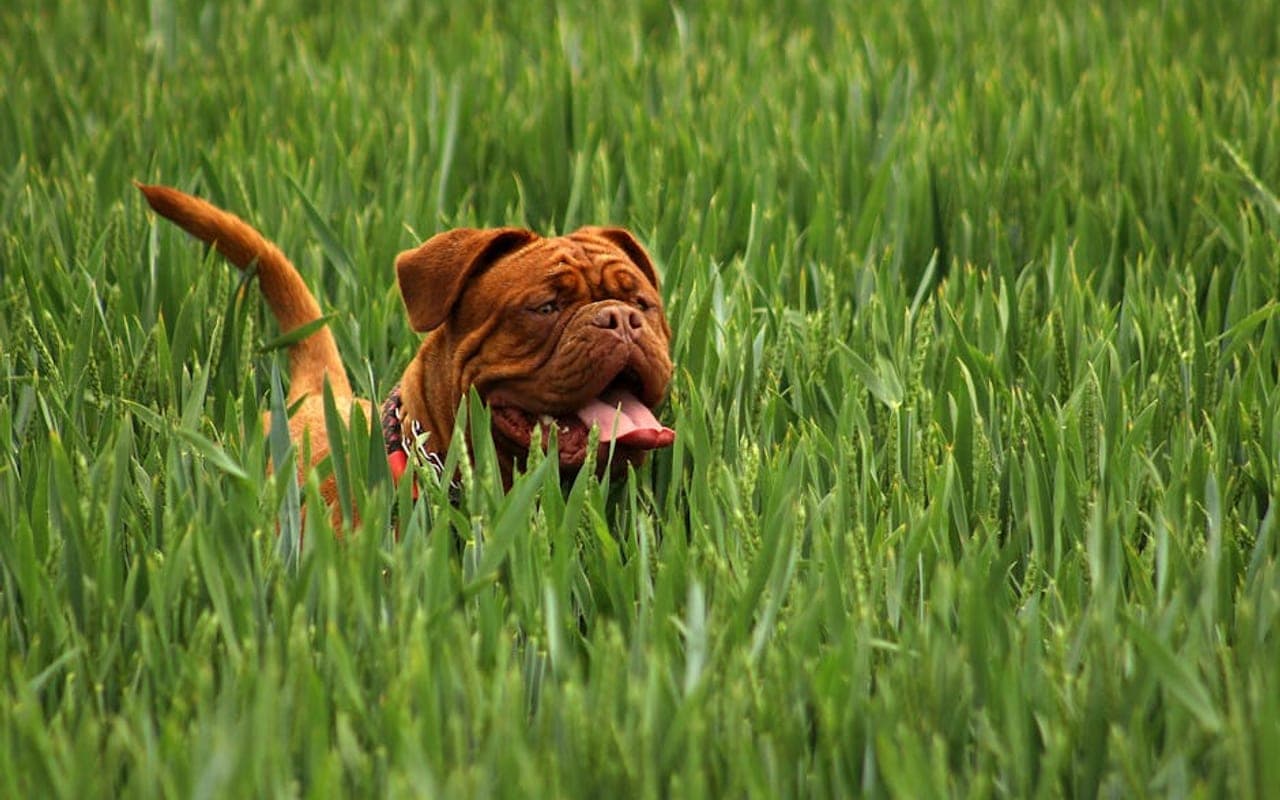
The Dogue de Bordeaux (French Mastiff) is a 99-140+ pound brachycephalic guardian with the largest head, proportionally, of any dog breed — and the most honest thing any profile can tell you about it is the lifespan.

Size
110-143 lb
Lifespan
5-8 years
Exercise
30-60 minutes
Shedding
Moderate
Experience
Match to owner routine
Decision first
Is a Dogue de Bordeaux right for you?
Start with fit before history or trivia. These are ownership signals, not guarantees about any individual dog.
Best suited for
- Households with children.
- Homes with other compatible pets.
- Apartment homes with a consistent routine.
- Owners seeking a manageable daily exercise routine.
Think carefully if
- You need a dog with almost no daily routine.
- You cannot keep up with grooming and preventive care.
- The dog will spend most days alone without support.
Conditional fit
Apartment fit depends on exercise, enrichment, noise management, and outdoor access.
Daily reality
Dogue de Bordeaux commitment snapshot
Daily exercise
30-60 minutes
Match activity to age, health, weather, and training goals.
Coat care
Moderate
Grooming needs vary by coat, shedding, and lifestyle.
Time alone
Needs planning
Most dogs need gradual alone-time conditioning and support.
Structured facts
Dogue de Bordeaux at a glance
The measurements and traits that most affect day-to-day life with this breed.
Group
Working
Weight
110-143 lb
Height
23-27 in
Lifespan
5-8 years
Temperament
Affectionate | Loyal | Courageous
View all characteristics and methodology
Lifestyle fit
- Apartment suitability
- Likely fit
- Child friendliness
- Often good, with socialisation and supervision
- Other-pet fit
- Often compatible with careful introductions
Owner commitment
- Exercise
- 30-60 minutes
- Grooming
- Moderate
- Shedding
- Moderate
- Training
- Moderate
Environment and health
- Health risk
- Needs planning
Ratings combine structured breed data, visible breed fields, and editorial context. They are planning aids, not predictions for an individual dog.
Daily life
Dogue de Bordeaux temperament and behavior
The Dogue de Bordeaux (French Mastiff) is a 99-140+ pound brachycephalic guardian with the largest head, proportionally, of any dog breed — and the most honest thing any profile can tell you about it is the lifespan. This is one of the shortest-lived breeds in existence: many studies and breed surveys put the average around 5-8 years, with cardiac disease a leading killer. You are not adopting a decade-plus companion; you are committing to an intense, devoted, physically and financially demanding dog for a comparatively brief, vet-heavy life. Anyone choosing this breed must accept that trade-off before the wrinkled red face wins them over. Within that life, the Dogue is a calm, deeply affectionate, family-bonded guardian — sensitive, often described as a 70-kilo lap dog, and naturally protective without being frantic. But it is also powerful, can be stubborn and dominant, and will steamroll an owner who fails to set fair, consistent rules in puppyhood. Heat, exercise, and breathing are tightly linked: the short muzzle makes this a poor hot-weather dog and a poor endurance athlete. Who the Dogue de Bordeaux is right for: an experienced, financially prepared owner who wants an intensely loyal guardian, has a cool climate or climate control, will train firmly and gently from 8 weeks, and is emotionally and budgetarily ready for major health costs and a short life. Who it is wrong for: first-time owners, hot climates without air conditioning, tight budgets, or anyone who cannot face losing a beloved dog young. Choose this breed with full honesty about the lifespan, or do not choose it.
Affectionate | Loyal | Courageous
Affectionate
A common Dogue de Bordeaux temperament descriptor that should be interpreted alongside training, exercise, and household fit.
Loyal
A common Dogue de Bordeaux temperament descriptor that should be interpreted alongside training, exercise, and household fit.
Courageous
A common Dogue de Bordeaux temperament descriptor that should be interpreted alongside training, exercise, and household fit.
Owner note
Temperament labels are starting points, not guarantees. Meet the individual dog and ask about behavior history whenever possible.
Care essentials
How to care for a Dogue de Bordeaux
What looking after one actually involves: exercise, grooming, food, training, and routine health.
ExerciseAs needed
- Moderately active breed needing 30-60 minutes of daily exercise through walks, play, and mental stimulation.
GroomingAs needed
- Regular grooming needed — brush 2-3 times per week and bathe monthly.
TrainingAs needed
- Moderately trainable — consistent, patient training with positive methods works best.
NutritionAs needed
- Feed a high-quality dog food appropriate for their age, size, and activity level. Monitor portions to prevent obesity.
Veterinary CareAs needed
- Annual wellness exams, core vaccinations, dental care, and parasite prevention. Breed-specific health screenings as recommended by your vet.
Health planning
Dogue de Bordeaux health risks and screening
Every breed has individual health variation. Use this profile for planning and discuss medical decisions with a veterinarian.
Responsible ownership
Finding a Dogue de Bordeaux responsibly
What to ask a breeder or rescue is the same conversation for every breed, so we keep it in one place and keep it current.
Health documentation, meeting the parents or foster, contracts and return support, and the warning signs worth walking away from.
Original purpose
Dogue de Bordeaux history
History is useful when it explains today's behavior, coat, exercise needs, and training style.
Read the breed history
The Dogue de Bordeaux is one of the oldest French breeds, a mastiff-type guardian whose ancestors were used in the Bordeaux region for centuries as estate and cattle guardians, boar and bear catch-dogs, and protectors of butchers' and merchants' property. The breed was nearly destroyed twice — drastically reduced after the French Revolution (it was associated with the aristocracy's estates) and again devastated during World War II. Mid-20th-century French breeders, notably working from a small surviving population, rebuilt the breed and a formal standard was established in the 1920s and refined later. It remained obscure in the English-speaking world until the 1989 film Turner & Hooch put the breed in front of a mass audience, after which demand surged. The American Kennel Club granted full recognition in 2008. The breed's long history as a heavy catch-and-guard dog explains its courage, protectiveness, and immense bone and head — and the intensive, narrow rebuilding of its gene pool is part of why it carries a heavy inherited-disease load and a notably short lifespan today.
Gallery
Dogue de Bordeaux photos
Images are cropped consistently and loaded progressively to keep the page responsive.
Lower-page context
Dogue de Bordeauxs in culture
Where the breed shows up in film, sport, work and folklore — the enjoyable part, once the practical questions are answered.
Fun facts
- The Dogue de Bordeaux belongs to the Working Group.
- The average lifespan of a Dogue de Bordeaux is 5 to 8 years.
- Dogue de Bordeaux dogs are valued for their affectionate, loyal, courageous nature.
Dogue de Bordeaux FAQs
How long do Dogue de Bordeaux live?
Honestly, not long. The Dogue de Bordeaux is one of the shortest-lived dog breeds; breed surveys and studies commonly cite an average around 5-8 years, with some individuals reaching 9-10 with excellent care. Heart disease is a leading cause of early death. This short lifespan is the breed's defining trade-off and the single most important fact to accept before acquiring one — careful breeder selection, leanness, and cardiac monitoring help, but cannot make this a long-lived breed.
Are Dogue de Bordeaux good family dogs?
Yes, in the right home. They are calm, deeply affectionate, and protective, and a well-raised Dogue is gentle and devoted with its family and children it is raised with. The realities: it is 100-140+ pounds, drools heavily, can be dominant without firm early training, is heat-intolerant, and has a short, often vet-intensive life. It suits experienced, financially prepared families in cooler climates and is a poor fit for novices, hot regions, or tight budgets.
How much exercise does a Dogue de Bordeaux need?
Moderate and carefully managed: two 20-30 minute walks plus light play for an adult. This is a guardian, not an endurance athlete, and its short muzzle makes hard or hot-weather exercise dangerous. Crucially, do not over-exercise puppies — high-impact activity on a heavy, fast-growing frame causes lasting joint damage. Keep puppy activity low-impact and controlled until growth plates close, typically around 18-24 months.
Why does my Dogue de Bordeaux struggle in heat and after activity?
Because it is brachycephalic — the short muzzle and elongated soft palate restrict airflow and impair the panting that dogs use to cool down. This causes snoring, exercise intolerance, and a serious heatstroke risk. Manage it by avoiding midday and hot-weather exercise, providing air conditioning and shade, never leaving the dog in a car, and having a vet evaluate for BOAS surgery if breathing is consistently labored. Heat is a genuine life-safety issue in this breed.
What does a Dogue de Bordeaux cost to own?
A health-tested puppy from a responsible breeder typically runs $1,500-$3,500. The defining costs are medical and ongoing: cardiac workups, joint care, BOAS or eyelid surgery ($1,500-$5,000+ per procedure), bloat surgery ($4,000-$8,000), plus weight-priced medication and anesthesia for a giant dog. Given the breed's disease load and short lifespan, pricing pet insurance before any condition is documented, and budgeting for major care, is essential rather than optional.
Is the Dogue de Bordeaux a good first dog?
Generally no. It combines great size and strength, a tendency toward stubbornness and dominance without firm early training, heavy maintenance (drool, folds, heat management), a high inherited-disease burden, and a short lifespan with significant emotional and financial demands. It rewards an experienced, prepared owner with extraordinary devotion, but a first-time owner is usually better served by a hardier, longer-lived, lower-risk breed before taking on a French Mastiff.
Sources
These are the published sources this page draws on. Each opens in a new tab so you can check it yourself.
American Kennel Club
Dogue de Bordeaux — breed standard and profile(opens in a new tab)Supports: Breed standard and recognition details.
Similar breeds to consider
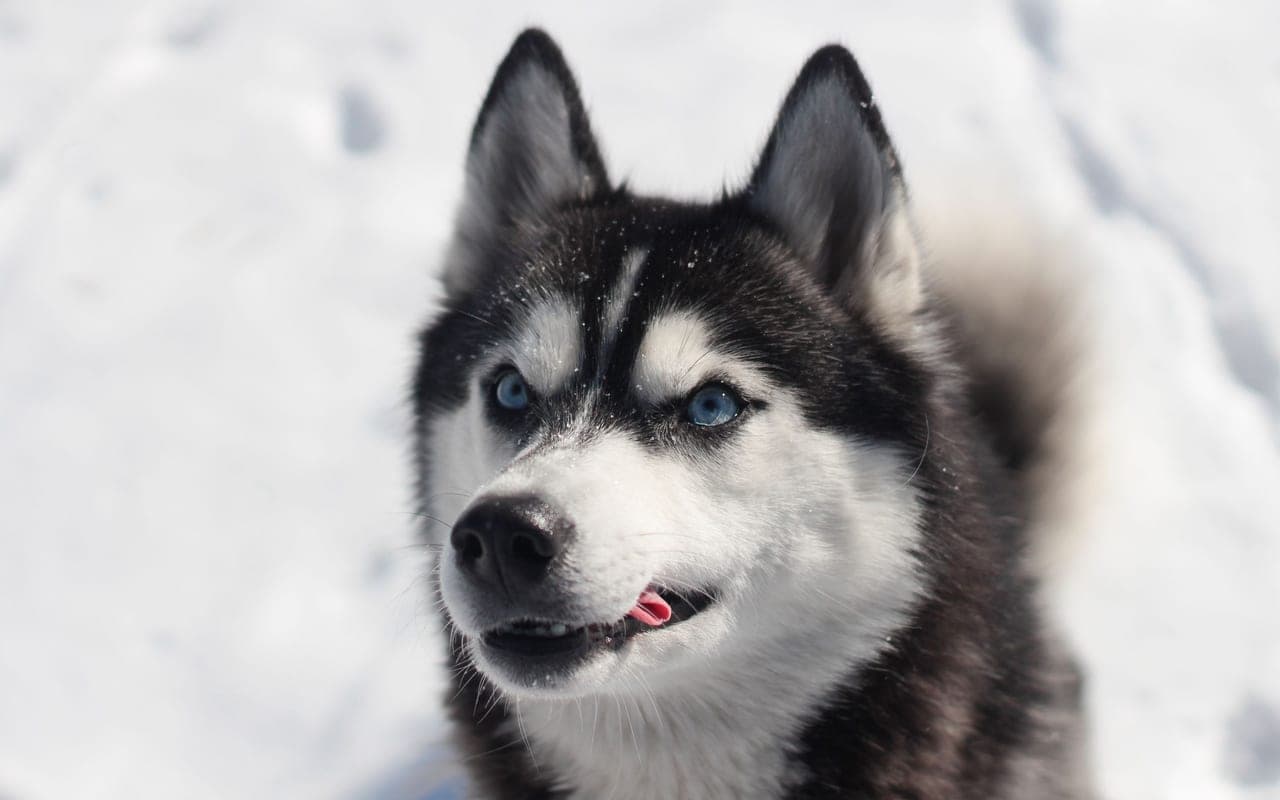
Siberian Husky
Also in the Working group, with different care and temperament tradeoffs.
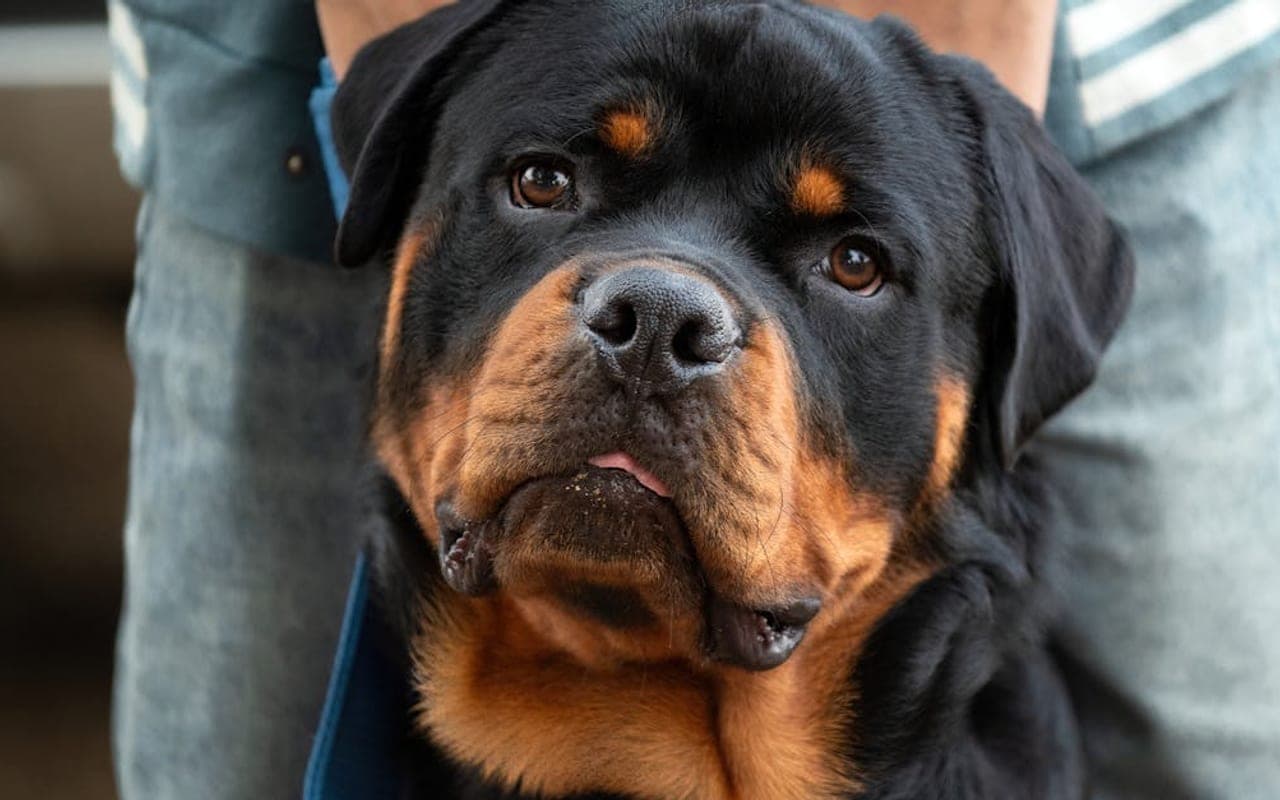
Rottweiler
Also in the Working group, with different care and temperament tradeoffs.
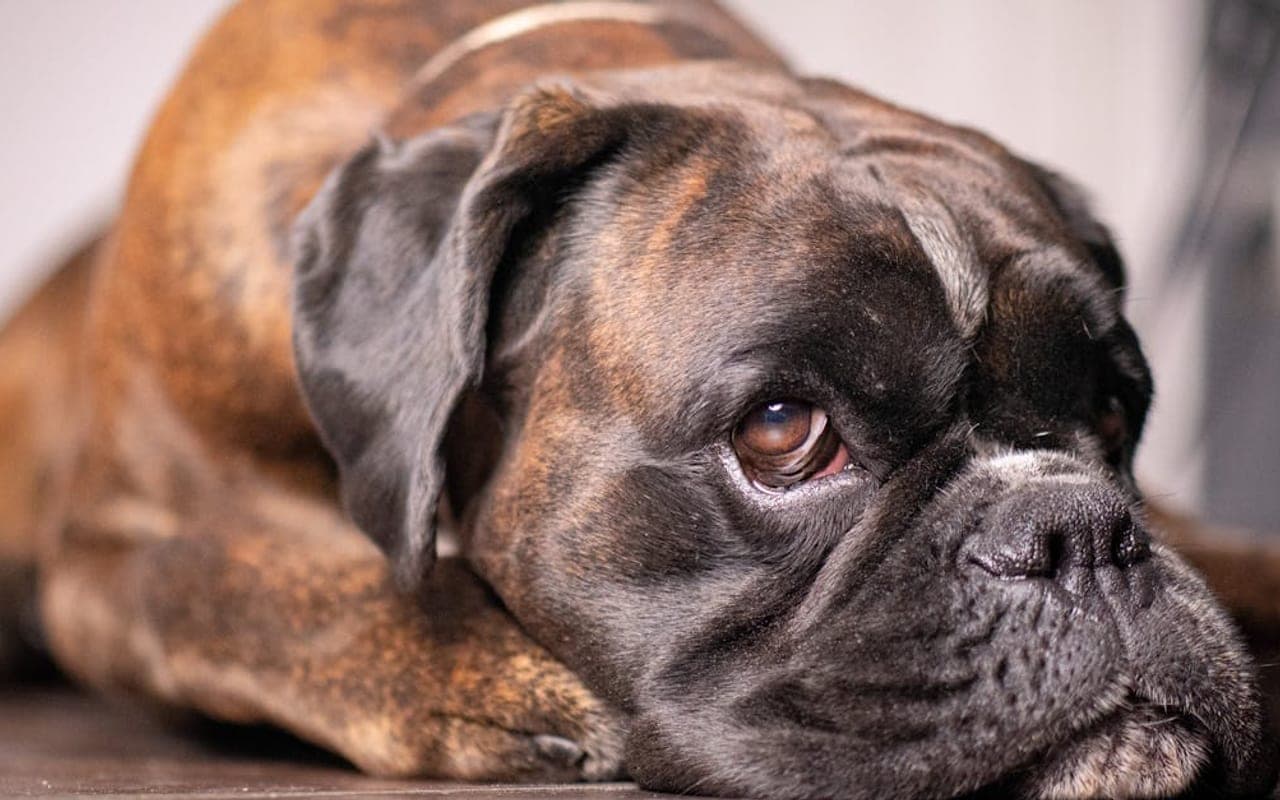
Boxer
Also in the Working group, with different care and temperament tradeoffs.

Akita
Also in the Working group, with different care and temperament tradeoffs.
Explore More About Dogue de Bordeaux
Dive deeper into everything Dogue de Bordeaux — costs, care, and expert insights.
Considering a cat instead?
Browse Cats