
Dutch Shepherd Care Guide
The Dutch Shepherd (Hollandse Herdershond) began as an all-purpose farm dog in the southern Netherlands, hired to keep flocks off the crops, drive cattle to milking, and haul the milk cart. When the s
In This Guide
Overview
The Dutch Shepherd (Hollandse Herdershond) began as an all-purpose farm dog in the southern Netherlands, hired to keep flocks off the crops, drive cattle to milking, and haul the milk cart. When the sheep-dotted heaths were farmed out around 1900, the breed did not fade so much as change jobs: it moved into police work, tracking, and guiding, and today it is a fixture in Dutch KNPV protection sport and in police and military units worldwide.
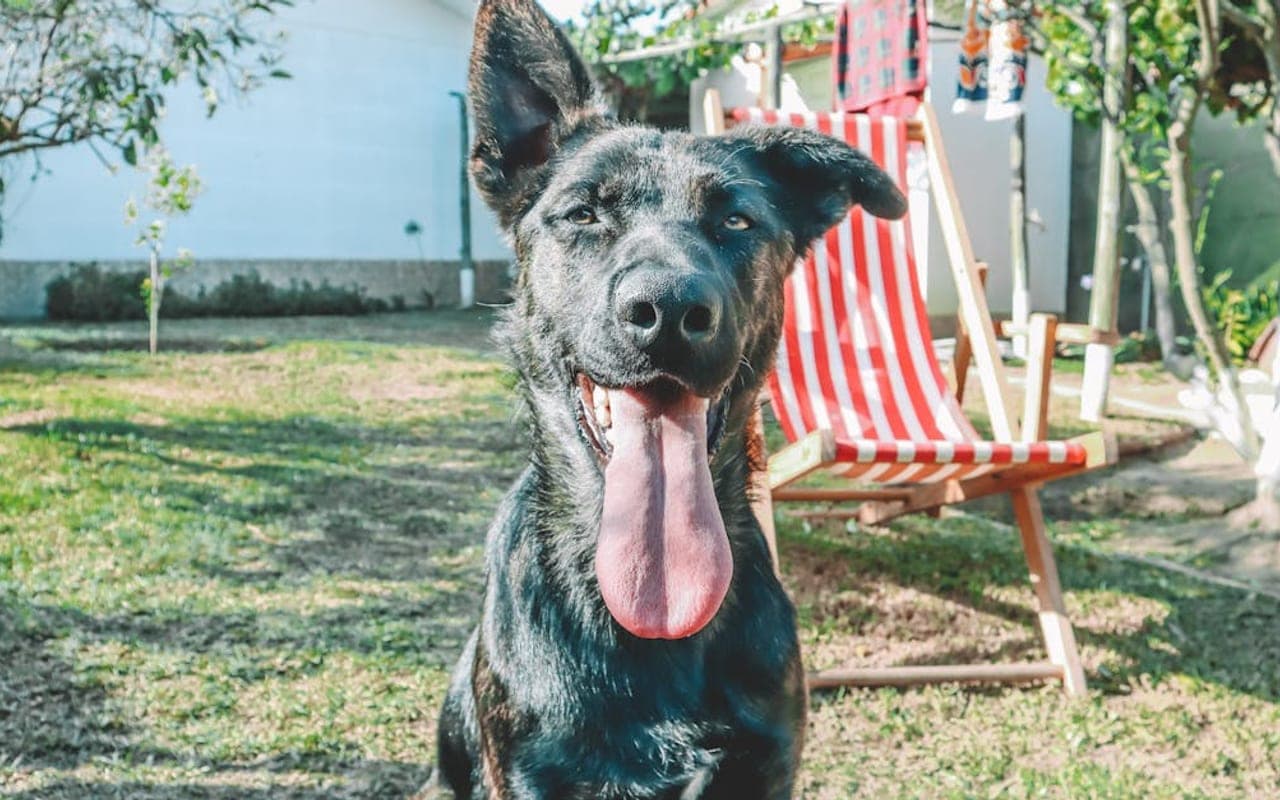
The hallmark that separates it from its cousins is the coat. A Dutch Shepherd is brindle, its base a golden or silver ground streaked with darker striping, usually finished with a black mask. That striped pattern is the quickest way to tell it apart from the solid sable German Shepherd and the fawn-and-black Belgian Malinois, both close relatives it is often mistaken for. The breed comes in three coat varieties, and they are genuinely different dogs to live with: short-haired, long-haired, and rough- or wire-haired.
Temperament is the other constant. This is an intelligent, biddable, intensely loyal dog bred to think alongside a handler while working stock at a distance, so it reads people quickly and learns fast. It is also high-energy and high-drive by design, happiest with a task in front of it. That combination makes it a rewarding partner for an experienced, active owner and a poor match for a quiet household with no outlet for its working brain. Recognized by the American Kennel Club in 2017, it remains an uncommon breed kept largely by people who want to work it.
Exercise
A Dutch Shepherd was bred to patrol field borders all day and then think through a herding or protection problem, and that is exactly the animal you take home. Energy, drive, and intelligence all sit at the high end, and none of them switches off because the dog now lives in a house.
Plan on well over an hour of hard physical work every day, and treat that as the floor rather than the goal. Long runs, biking alongside, fetch on a real field, and off-lead ranging in a secure space all help, because a dog built for endurance needs to actually reach its limit to settle afterwards. A short walk around the block is not exercise for this breed; it is a warm-up that leaves the dog wound tighter than before.
Physical work alone, though, will not produce a calm Dutch Shepherd, because the harder half of the job is the brain. This is a problem-solving working dog, so it needs a genuine job to do: herding if you have access to stock, KNPV or IPO protection sport, competitive obedience, agility, or scentwork and tracking all give the drive somewhere legitimate to go. Rotate the disciplines, raise the difficulty, and keep training sessions frequent, because a bored dog of this intelligence invents its own work, and that usually means chewing, fence-testing, barking, or nipping at moving feet from unspent herding instinct.
For the same reasons, this is a poor fit for a low-activity or first-time home. An owner who is out all day with no plan for the dog will end up with a frustrated, destructive animal, not a bad one. Fence the exercise space properly too: the drive to chase and the athleticism to clear an ordinary garden fence mean a determined Dutch Shepherd needs secure, tall containment to stay safely where you put it.
Grooming
Grooming a Dutch Shepherd depends almost entirely on which of the three coat varieties you have, so identify yours before you buy a single tool.
The short-haired dog is the low-maintenance option. Its close, harsh outer coat over a woolly undercoat needs little more than a weekly once-over with a bristle brush or rubber curry to lift dead hair and spread skin oils. The catch is the seasonal blow: twice a year that undercoat sheds heavily, and daily brushing with a de-shedding tool for those few weeks is what keeps the loose fluff off your floors and the coat healthy underneath.
The long-haired variety carries a long, straight, harsh jacket with no curl, and it mats where it moves, behind the ears, on the breeches, and under the legs. Brush and comb it two or three times a week, working down to the skin rather than skating over the top, because surface-only brushing leaves the tangles that later turn into pelts.
The rough- or wire-haired dog needs the most specialist attention. Its dense, tousled coat with eyebrows and beard is not meant to be clipped; it is hand-stripped once or twice a year to pull dead hair from the root, which preserves the wiry texture and the true brindle striping that shears would blur. Many owners hand this job to a groomer who strips terrier and wire coats.
Whichever variety you keep, brindle is a pattern in the hair rather than something you maintain, so coat care is really about texture, not colour. Round out the routine with weekly ear checks, since upright ears still trap moisture and debris, nail trims every few weeks so the toes stay tight over a working foot, and several tooth-brushings a week to hold off the dental disease that shortens many dogs' comfortable years.
Health
A hardy working breed, but not a screening-free one
The Dutch Shepherd is widely regarded as a robust, functionally sound dog with a comparatively short list of documented hereditary problems, one reason it has endured as a working breed. That reputation holds up only because responsible breeders keep testing. The American Kennel Club gives a life expectancy of roughly 12 to 14 years, which most Dutch Shepherds reach in good shape when kept lean, worked, and screened. Nothing below is a diagnosis; it is a map of what to watch for and what to ask a breeder or your veterinarian.
Joints: hip and elbow dysplasia
Like most medium-to-large working dogs, the Dutch Shepherd can inherit hip and elbow dysplasia, malformed joints that cause lameness, reduced range of motion, and arthritis over time. The breed's screened rates are reassuringly low: data from the Orthopedic Foundation for Animals puts hip dysplasia at roughly 9 percent and elbow dysplasia near 5.5 percent. That record only holds when parents are evaluated, so ask to see OFA hip and elbow results before committing to a puppy. Keeping a growing pup lean and avoiding forced high-impact exercise while the joints mature lowers the risk further.
Eyes: goniodysplasia in the rough-haired variety
Goniodysplasia, a malformation of the eye's fluid-drainage angle that can raise pressure and predispose a dog to glaucoma and vision loss, is documented in the breed and is specifically a concern in the rough- or wire-haired variety. The Dutch breed club requires gonioscopy screening of rough-coated dogs before breeding, so ask whether a rough-haired puppy's parents were gonioscoped. If a dog of any variety develops a suddenly cloudy, red, or painful eye, treat it as a same-day emergency, because glaucoma can destroy sight quickly.
Muscle: inflammatory myopathy and masticatory muscle myositis
The condition most specific to this breed is an inherited inflammatory myopathy, sometimes called Inflammatory Myopathy (Shepherd type), first genetically described in Dutch Shepherds in 2019. Wisdom Panel describes it as an autosomal recessive disease, so a pup must inherit a copy from each parent to be affected, and Paw Print Genetics notes affected dogs typically show signs between three and nine months of age with progressive weakness, a stiff or bunny-hopping gait, and muscle wasting. That severity is why the DNA test for carriers matters: two carriers should not be bred together, and checking the parents' results removes the risk for your puppy. Separately, masticatory muscle myositis, an immune-mediated inflammation of the chewing muscles that causes jaw pain and difficulty opening the mouth, is recognized in the breed at low rates; sudden reluctance to eat or open the jaw warrants prompt veterinary care.
Everyday care for an athlete
Most of what keeps a Dutch Shepherd healthy is within your control. Keep the dog at a lean working weight, because extra load turns a mild joint into a sore one, and stay current on the vaccines, parasite prevention, and dental care your veterinarian recommends. Learn your dog's normal gait, appetite, and energy so you catch small changes early, while problems are still treatable.
Frequently Asked Questions
Is the Dutch Shepherd a healthy breed?
Broadly yes. It is a hardy working breed with a relatively short list of hereditary problems, and the Orthopedic Foundation for Animals records low screened rates of hip and elbow dysplasia. That record depends on breeders continuing to test, so buy from health-tested parents.
What health tests should a Dutch Shepherd breeder have done?
Expect OFA hip and elbow evaluations and a CAER eye exam across all coat varieties, plus gonioscopy for goniodysplasia in rough-haired dogs and a DNA test for the breed's inherited inflammatory myopathy. Ask to see both parents' actual results.
How long do Dutch Shepherds live?
The American Kennel Club gives a life expectancy of about 12 to 14 years. A lean body weight, regular exercise, dental care, and screening for the breed's inherited conditions give a dog the best chance of reaching the upper end of that range.
What is inflammatory myopathy in the Dutch Shepherd?
It is an inherited muscle disease, described in the breed in 2019 and passed on in an autosomal recessive pattern, so an affected pup needs a copy from each parent. Affected dogs usually show progressive weakness and a stiff gait in the first months of life. A DNA test identifies carriers, so two should not be bred together, and any young dog with unexplained weakness should see a veterinarian.
Sources
This guide draws on the following published references. Each opens in a new tab so you can check it against what you have read here.
American Kennel Club
Dutch Shepherd Dog Breed Information(opens in a new tab)American Dutch Shepherd Association
Official Standard of the Dutch Shepherd(opens in a new tab)American Dutch Shepherd Association
Health — American Dutch Shepherd Association(opens in a new tab)LABOKLIN
Inflammatory myopathy (IM) — hereditary disease genetic testing(opens in a new tab)Wisdom Panel
Inflammatory Myopathy (Discovered in the Dutch Shepherd Dog)(opens in a new tab)PetMD
Dutch Shepherd Dog Breed Health and Care(opens in a new tab)
Affiliate disclosure: We may earn a commission from qualifying purchases. This doesn't affect our recommendations.
Recommended Products
Dutch Shepherd Care Guide Book
Breed-focused reading and owner references for Dutch Shepherd care, training, grooming, and health planning.
Dutch Shepherd Food and Supplies
Helpful supplies for dutch shepherd dog supplies routines at home.
Dutch Shepherd Grooming Tools
Helpful supplies for dutch shepherd grooming tools routines at home.
Get personalized pet care tips
Join our newsletter for breed-specific advice, care guides, and expert tips delivered weekly.
No spam, ever. Unsubscribe anytime.