
Miscellaneous Class group
Dutch Shepherd
The Dutch Shepherd is one of the soundest working shepherds in existence — and that is exactly the trap.
Size
51-71 lb
Lifespan
11-14 years
Exercise
20-40 minutes
Shedding
Moderate
Experience
Match to owner routine
Decision first
Is a Dutch Shepherd right for you?
Start with fit before history or trivia. These are ownership signals, not guarantees about any individual dog.
Best suited for
- Households with children.
- Homes with other compatible pets.
- Apartment homes with a consistent routine.
- Owners seeking a manageable daily exercise routine.
Think carefully if
- You need a dog with almost no daily routine.
- You cannot keep up with grooming and preventive care.
- The dog will spend most days alone without support.
Conditional fit
Apartment fit depends on exercise, enrichment, noise management, and outdoor access.
Daily reality
Dutch Shepherd commitment snapshot
Daily exercise
20-40 minutes
Match activity to age, health, weather, and training goals.
Coat care
Moderate
Grooming needs vary by coat, shedding, and lifestyle.
Time alone
Needs planning
Most dogs need gradual alone-time conditioning and support.
Structured facts
Dutch Shepherd at a glance
The measurements and traits that most affect day-to-day life with this breed.
Group
Miscellaneous Class
Weight
51-71 lb
Height
22-24 in
Lifespan
11-14 years
Temperament
Intelligent | Lively | Athletic
View all characteristics and methodology
Lifestyle fit
- Apartment suitability
- Likely fit
- Child friendliness
- Often good, with socialisation and supervision
- Other-pet fit
- Often compatible with careful introductions
Owner commitment
- Exercise
- 20-40 minutes
- Grooming
- Moderate
- Shedding
- Moderate
- Training
- Moderate
Environment and health
- Health risk
- Needs planning
Ratings combine structured breed data, visible breed fields, and editorial context. They are planning aids, not predictions for an individual dog.
Daily life
Dutch Shepherd temperament and behavior
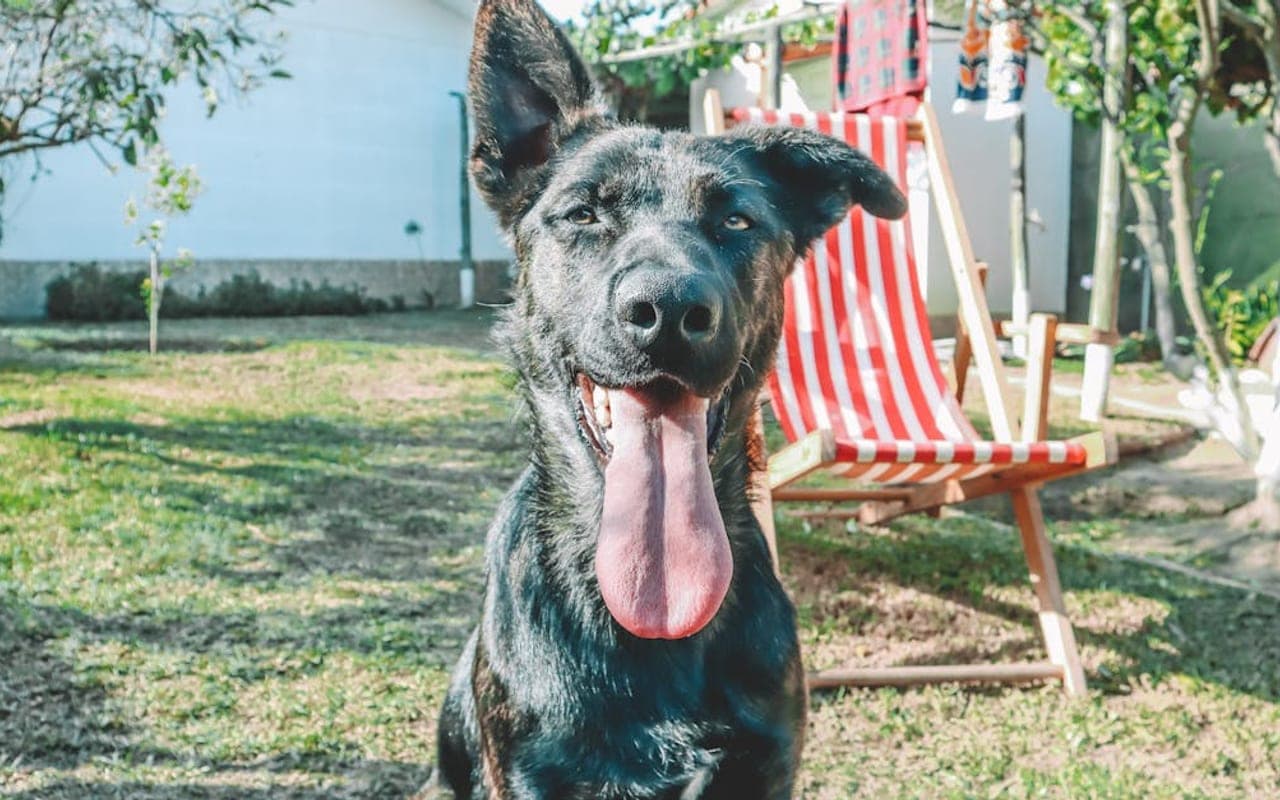
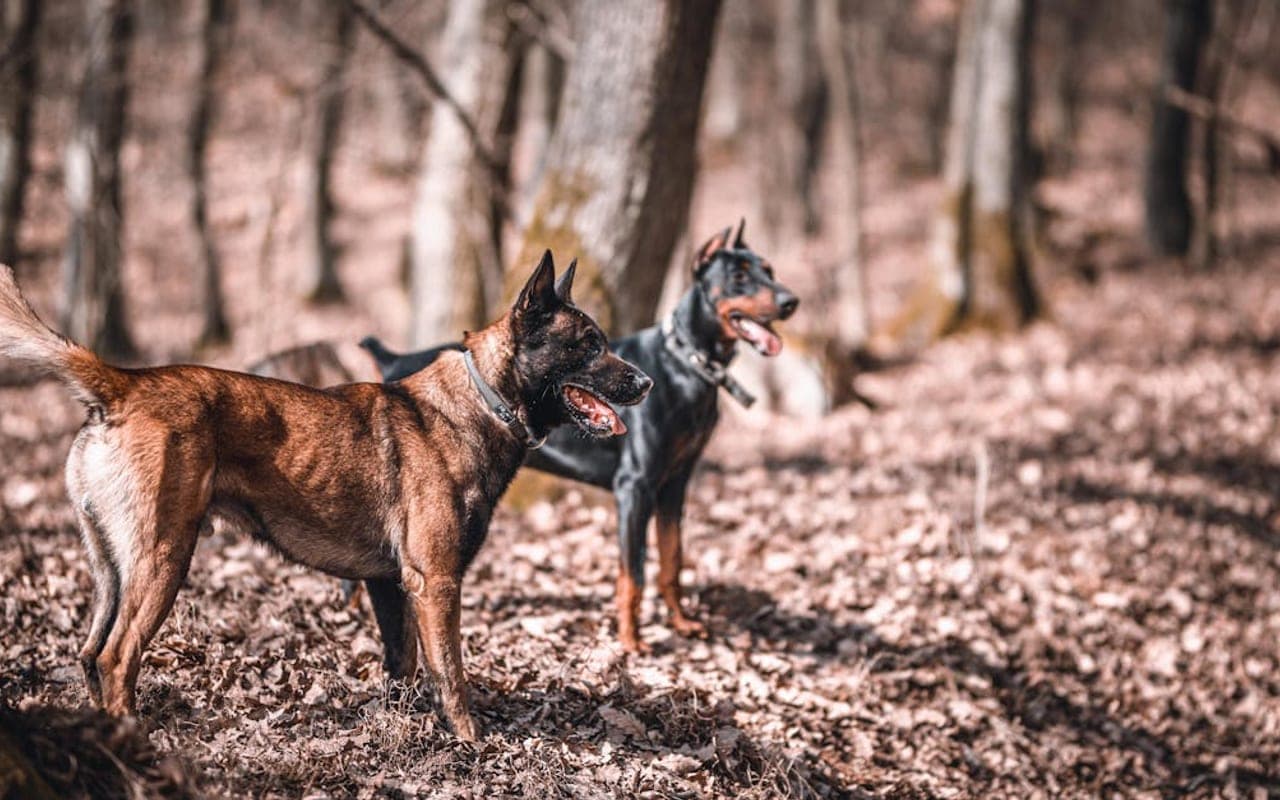
The Dutch Shepherd is one of the soundest working shepherds in existence — and that is exactly the trap. Buyers see a low overall genetic-disease rate and assume "easy dog." It is not. The Dutch Shepherd is a high-drive, all-purpose Dutch farm dog (drover, flock guard, cart dog) now used heavily in police, military, IPO/IGP, search-and-rescue and herding. The health is the easy part; the brain is the part that returns dogs to rescue. Physically this is a medium-large dog: roughly 50-63 cm at the shoulder and 20-32 kg (about 42-70 lb), not the 8-15 kg some thin breed listings claim — that figure is wrong and would describe a small terrier, not a working shepherd. Three coat varieties exist: short-haired (the most common, low-maintenance), rough/wire-haired (the variety most linked to the breed's eye issue), and the rare long-haired. The hallmark is the brindle pattern — gold or silver base streaked with black — which sets it apart from the solid German Shepherd it is often mistaken for. Temperament is biddable, intensely loyal, and busy. Dutch Shepherds bond hard to one family, are naturally watchful with strangers without being indiscriminately aggressive, and retain a strong herding/work instinct. They are faster to train than a Malinois and steadier than a working-line GSD, but they need a job: scent work, herding, advanced obedience, structured sport. Under-stimulated they become destructive, vocal, and prone to obsessive patterns (light-chasing, fence-running, nipping moving children). Who the Dutch Shepherd is right for: an active, experienced owner who will train daily and provide real work — and who buys from a breeder testing for inflammatory myopathy and screening hips, elbows and eyes. Who it is wrong for: a first-time owner wanting a calm family pet, an apartment with no daily outlet, or anyone choosing on looks alone. The health is genuinely good; the workload is the cost.
Intelligent | Lively | Athletic
Intelligent
A common Dutch Shepherd temperament descriptor that should be interpreted alongside training, exercise, and household fit.
Lively
A common Dutch Shepherd temperament descriptor that should be interpreted alongside training, exercise, and household fit.
Athletic
A common Dutch Shepherd temperament descriptor that should be interpreted alongside training, exercise, and household fit.
Owner note
Temperament labels are starting points, not guarantees. Meet the individual dog and ask about behavior history whenever possible.
Care essentials
How to care for a Dutch Shepherd
What looking after one actually involves: exercise, grooming, food, training, and routine health.
ExerciseAs needed
- Lower-energy breed that is content with daily walks and moderate play. Avoid over-exercising.
GroomingAs needed
- Regular grooming needed — brush 2-3 times per week and bathe monthly.
TrainingAs needed
- Moderately trainable — consistent, patient training with positive methods works best.
NutritionAs needed
- Feed a high-quality dog food appropriate for their age, size, and activity level. Monitor portions to prevent obesity.
Veterinary CareAs needed
- Annual wellness exams, core vaccinations, dental care, and parasite prevention. Breed-specific health screenings as recommended by your vet.
Health planning
Dutch Shepherd health risks and screening
Every breed has individual health variation. Use this profile for planning and discuss medical decisions with a veterinarian.
Responsible ownership
Finding a Dutch Shepherd responsibly
What to ask a breeder or rescue is the same conversation for every breed, so we keep it in one place and keep it current.
Health documentation, meeting the parents or foster, contracts and return support, and the warning signs worth walking away from.
Original purpose
Dutch Shepherd history
History is useful when it explains today's behavior, coat, exercise needs, and training style.
Read the breed history
The Dutch Shepherd (Hollandse Herder) is a natural farm dog from the rural southern Netherlands, where it worked as an all-purpose herder, drover, flock guard, and even cart-puller — whatever the smallholding needed. It was formally described in the late 1800s, with the first breed standard in 1898, originally allowing many coat colors before brindle was fixed as the defining pattern to clearly distinguish it from the Belgian and German shepherds developing in the same era. The arrival of mechanized, intensive agriculture removed the dog's original job and the breed nearly disappeared, with numbers cut severely around the Second World War when breeding all but stopped. It survived through a small, dedicated group of fanciers and a deliberately tight gene pool — which is also why responsible breeders today track inflammatory myopathy and inbreeding closely. Prized for trainability and resilience rather than show looks, the modern Dutch Shepherd found a second career in policing, military service, and dog sport, where it remains a working dog first and a pet second.
Gallery
Dutch Shepherd photos
Images are cropped consistently and loaded progressively to keep the page responsive.
Lower-page context
Dutch Shepherds in culture
Where the breed shows up in film, sport, work and folklore — the enjoyable part, once the practical questions are answered.
Fun facts
- The Dutch Shepherd belongs to the Miscellaneous Class.
- The average lifespan of a Dutch Shepherd is 11 to 14 years.
- Dutch Shepherd dogs are valued for their intelligent, lively, athletic nature.
Dutch Shepherd FAQs
How long do Dutch Shepherds live, and is the breed actually healthy?
Dutch Shepherds typically live 11-14 years, and overall the breed has one of the lower hereditary-disease burdens among working shepherds — most documented conditions occur at low rates. The serious exception is inflammatory myopathy, a breed-specific muscle disease that is fatal young. So 'healthy' is true at a population level but meaningless at the individual level if you skip the parent DNA test. Buy from a breeder who tests for myopathy and screens hips, elbows and eyes; that single step removes the breed's worst risks.
Is a Dutch Shepherd a good first dog or family pet?
Usually not as a first dog. This is a working breed with police and sport-line drive that needs 1.5-2 hours of combined physical and mental work daily for 12-14 years. They are excellent with their own family and good with children they are raised with, but under-exercised they nip, herd and chase. They suit experienced, active owners who will train and work the dog. If you want a calm companion that tolerates a sedentary week, this is the wrong breed — and that mismatch, not a health problem, is why most end up in rescue.
Dutch Shepherd vs German Shepherd — which should I choose?
Both are trainable working shepherds, but the trade-off is real. The Dutch Shepherd generally has a lighter hereditary-disease load (notably less hip dysplasia than many GSD lines) and a brindle coat, and is often quicker and more handler-focused. The German Shepherd is more widely available, has more pet-bred lines, and is easier to source from health-tested breeders. Choose the Dutch Shepherd if you want a high-drive sport or working partner; choose a well-bred GSD if you want a slightly more forgiving family dog. Neither is a low-effort pet.
How much exercise and training does a Dutch Shepherd really need?
Plan on roughly 90-120 minutes a day, deliberately split into aerobic exercise (running, biking, fetch) and structured mental work (nose work, herding, obedience, a dog sport). A walk around the block is not enough and will backfire. Start formal training and socialization before 16 weeks — they learn fast, including unwanted behaviors. The hidden cost owners miss is time, not money: this breed needs a daily job, and providing one is non-negotiable, not optional enrichment.
How much grooming does a Dutch Shepherd need, and which coat is easiest?
It depends on the variety, and the difference is significant. The short-haired coat is lowest effort — a 10-minute weekly brush, heavier during two annual sheds. The rough/wire-haired coat needs hand-stripping or thorough combing every few weeks and must never be shaved, which permanently damages the protective texture. The long-haired needs brushing 2-3 times weekly. The rough-coated variety also carries a higher reported rate of the breed's eye drainage disorder, so it is the higher-maintenance choice on two fronts, not one.
What is Dutch Shepherd inflammatory myopathy and can I avoid it?
It is a breed-specific, immune-mediated muscle disease inherited as an autosomal recessive trait — two carrier parents are needed to produce an affected pup. Affected puppies show tremors, stiffness and rapid muscle wasting between roughly 3 and 9 months and almost always die or are euthanized before two years. You can avoid it almost entirely: a validated DNA test exists through the University of Minnesota with results listed on OFA. Buy only from a litter where at least one parent is tested clear — that pairing cannot produce an affected puppy.
Sources
These are the published sources this page draws on. Each opens in a new tab so you can check it yourself.
American Kennel Club
Dutch Shepherd — breed standard and profile(opens in a new tab)Supports: Breed standard and recognition details.
Similar breeds to consider
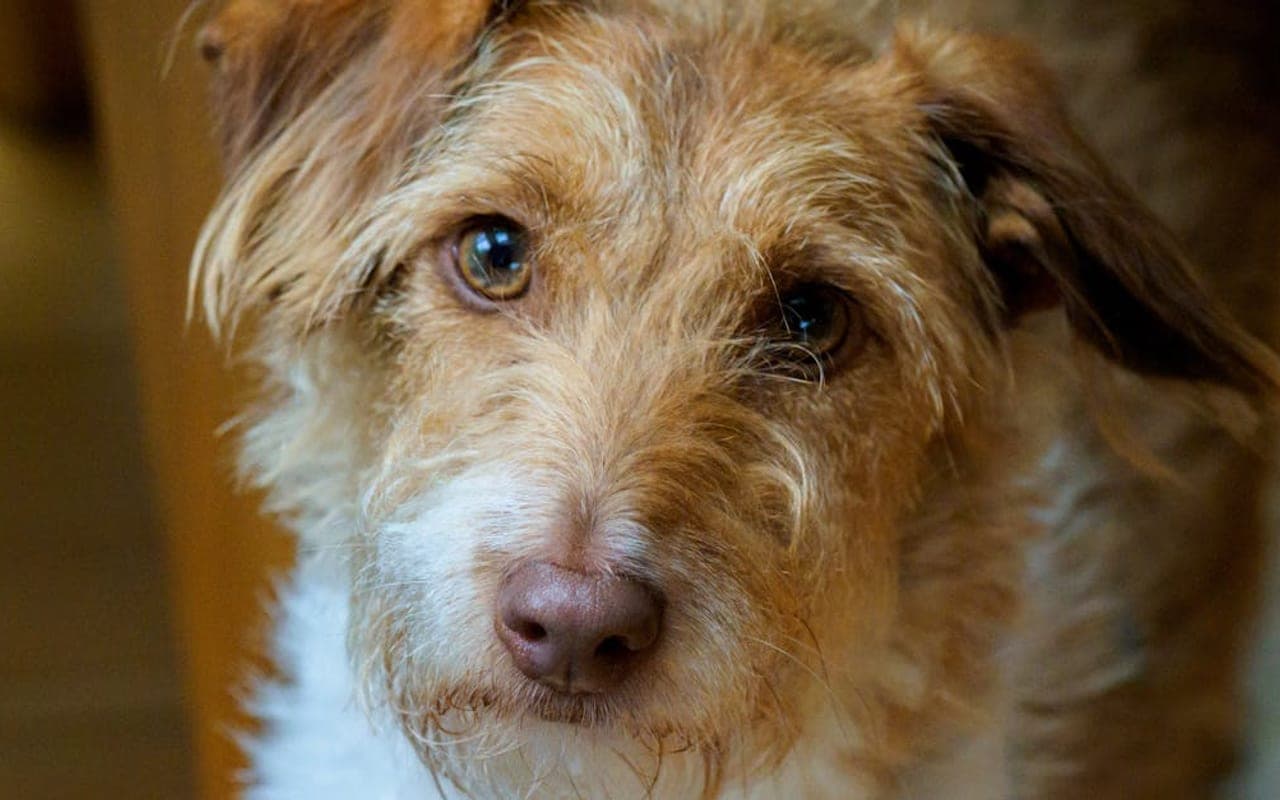
Portuguese Podengo
Also in the Miscellaneous Class group, with different care and temperament tradeoffs.
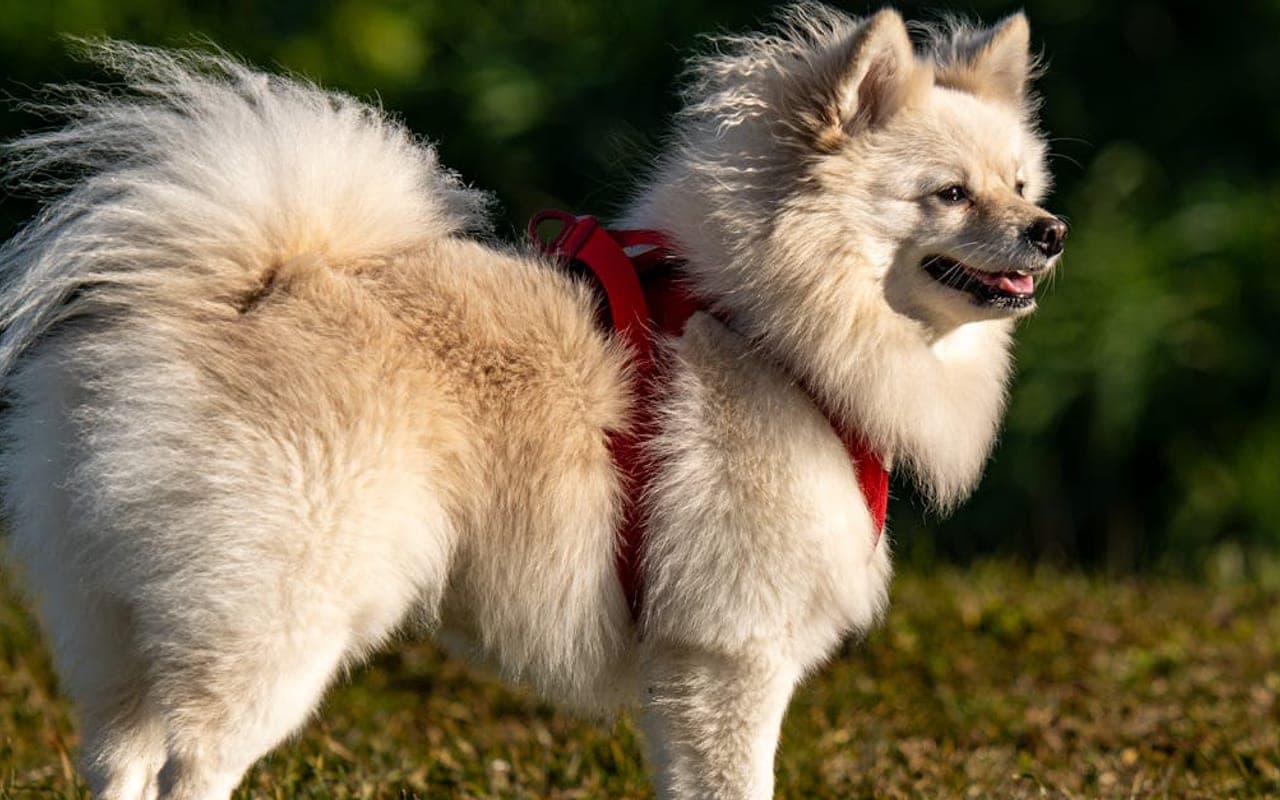
German Spitz
Also in the Miscellaneous Class group, with different care and temperament tradeoffs.
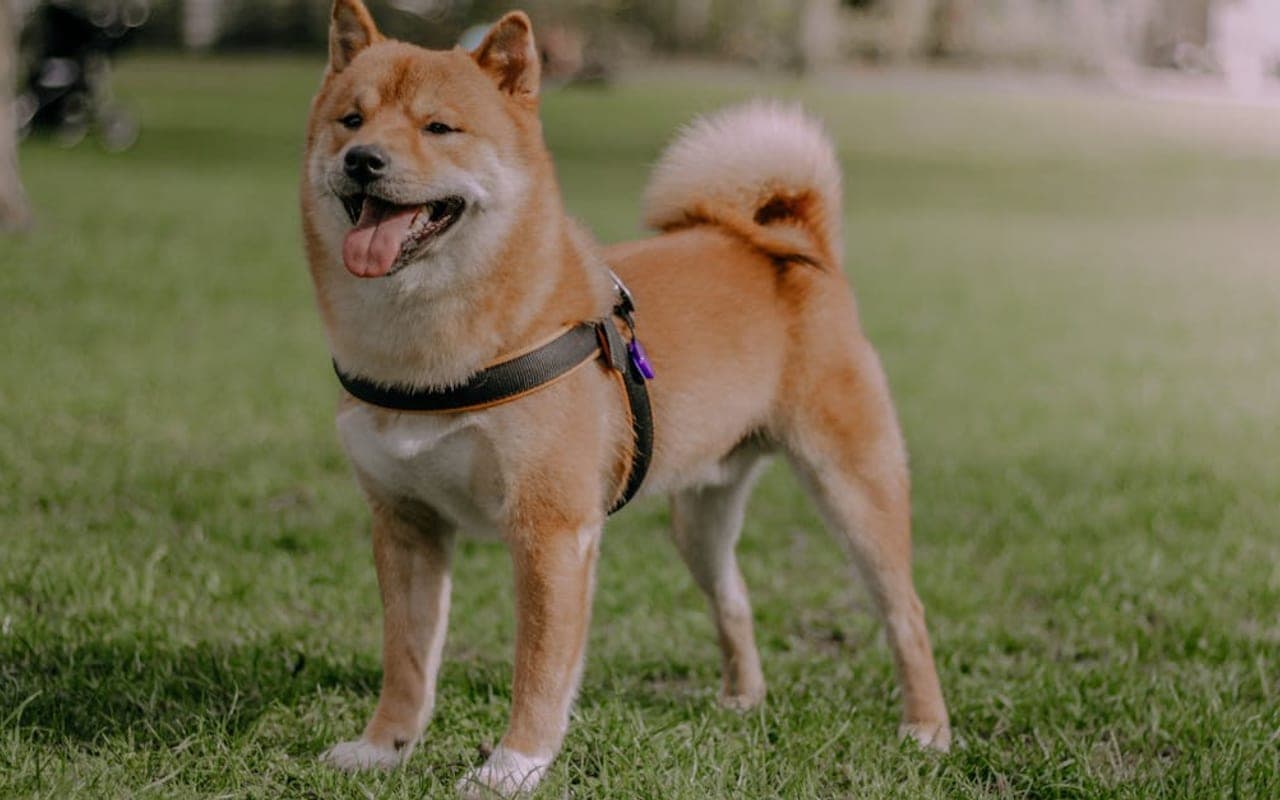
Kai Ken
Also in the Miscellaneous Class group, with different care and temperament tradeoffs.
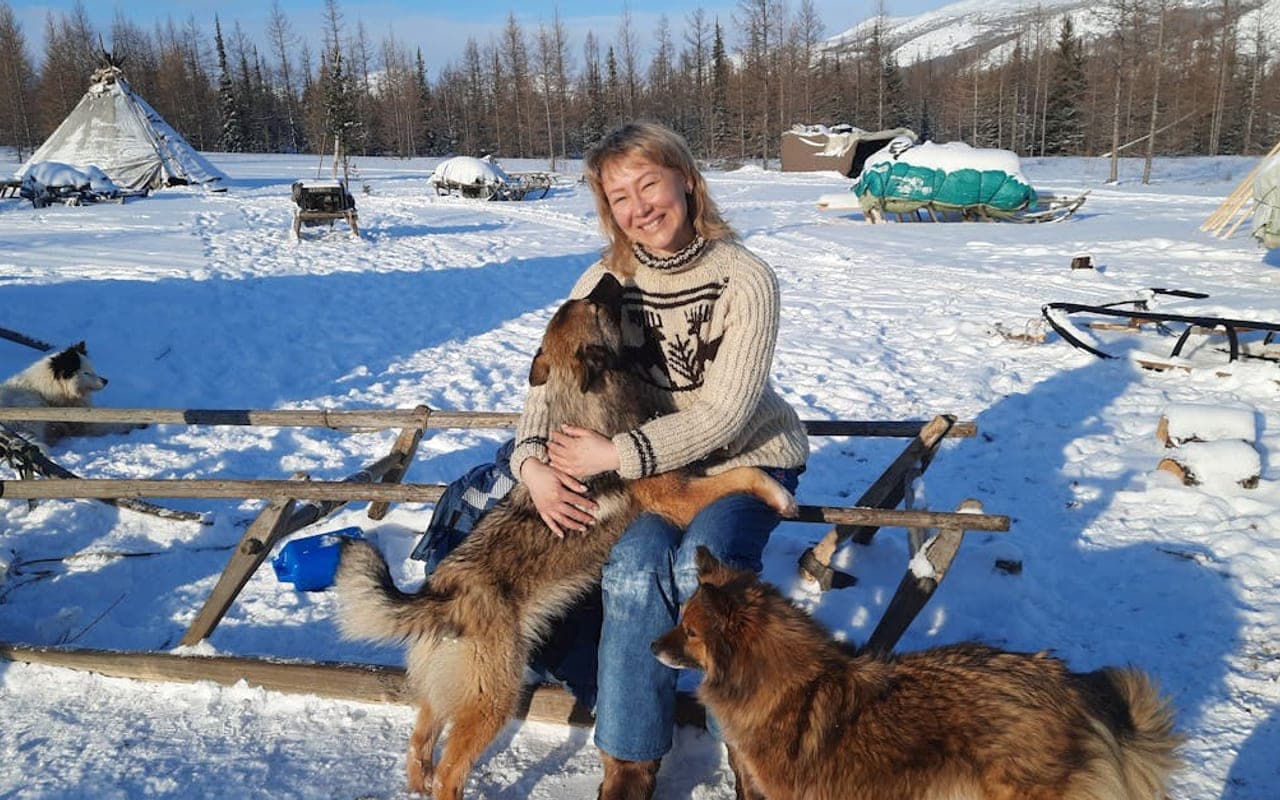
Yakutian Laika
Also in the Miscellaneous Class group, with different care and temperament tradeoffs.
Explore More About Dutch Shepherd
Dive deeper into everything Dutch Shepherd — costs, care, and expert insights.
Considering a cat instead?
Browse Cats