
English Lop Care Guide
English Lop Care Overview This guide gives you a practical plan for living with an English Lop, the breed that started the rabbit fancy and is defined by one extraordinary feature: the longest ears of
In This Guide
Overview
English Lop Care Overview
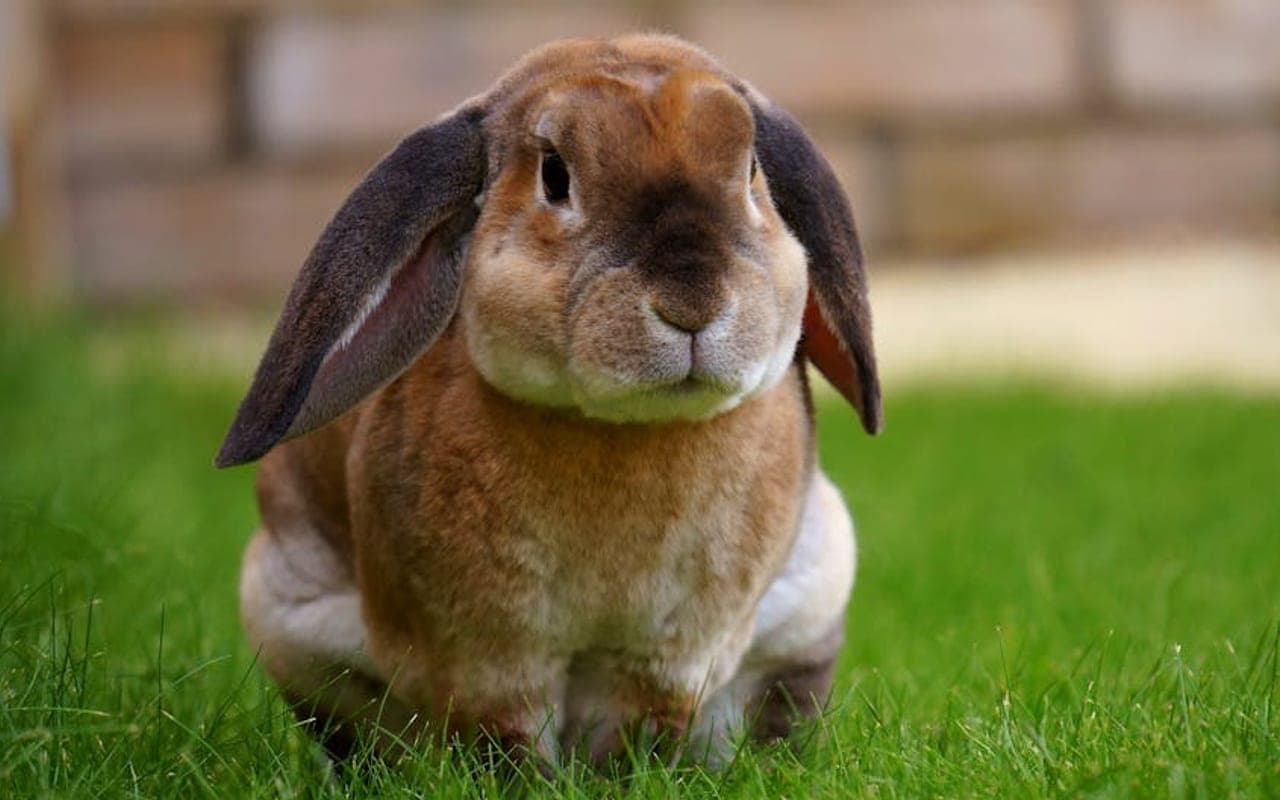
This guide gives you a practical plan for living with an English Lop, the breed that started the rabbit fancy and is defined by one extraordinary feature: the longest ears of any rabbit, routinely 21 inches or more from tip to tip and occasionally far longer. Before you fall for those ears, understand that they are not a curiosity but the entire care story. An English Lop is essentially a 6-to-8-pound rabbit with a high-maintenance accessory permanently attached, and the ears change everything about housing, handling, and health. They drag, so they must be kept off rough or dirty flooring and out from underfoot — the rabbit can step on them, tear them, snag them on cage fittings, or develop infections in the long folds that trap moisture and wax. The ears also handle temperature badly: large, thin, and richly supplied with blood vessels, they lose heat fast in the cold (risking frostbitten tips) and struggle to shed it in summer. The breed's saving grace is temperament — English Lops are calm, docile, and famously laid-back, often called the couch potatoes of the rabbit world, which makes them affectionate and easy to handle once their ears are respected. None of that makes them a casual pet: they are prey animals that hide illness, need a hay-first diet for their continuously growing teeth, live 8 to 11 years, and require an exotics vet plus weekly ear inspection. The honest case for the English Lop is for an owner who genuinely wants to manage those famous ears every week — not just admire them. This guide walks through the daily routine, diet, exercise, grooming, ear-focused health, and real costs.
Daily Care
Daily Routine
An English Lop's daily routine is ordinary rabbit husbandry plus a non-negotiable ear check. Each morning, top up unlimited grass hay — the single most important thing you do all day — refresh water in a heavy ceramic bowl rather than a sipper bottle, which rabbits drink from more readily, and put down a packed cup of washed leafy greens. Scoop the litter box and keep the living surface clean and dry, because a soiled floor is exactly what those dragging ears will pick up. Then watch and check: the two things you monitor every single day are appetite and droppings, since an English Lop that stops eating or passing droppings for 12 hours is a same-day emergency. Add the ear routine to the daily glance and the weekly clean — look the ears over for fresh tears, redness, trapped debris, or anything snagged, and make sure the rabbit has not stepped through its own ears or caught them on a fitting. In the evening, open the enclosure for free-roam time over surfaces that will not abrade the ears, refresh hay again, and do a hands-on check of the rear end, the teeth, and the long inner ear folds. The ears are the difference between this breed and any other, so they earn a daily look.
Nutrition
Feeding an English Lop
Get the diet right and you prevent most of the non-ear health problems in this guide. The proportions matter: roughly 80 percent of what an English Lop eats should be unlimited grass hay — timothy, orchard, or meadow — because the long, abrasive chewing it forces is what wears the continuously growing molars down and keeps the gut moving. On top of that, feed a packed cup of varied leafy greens daily (romaine, cilantro, parsley, dandelion greens; rotate them to avoid boredom and an excess of any one mineral), and only a measured small amount of plain timothy-based pellets for a rabbit this size. Skip muesli-style mixes entirely: rabbits selectively eat the sugary bits and leave the fibrous pellet, which drives both dental disease and obesity — and obesity in a lop makes ear and hock care harder. Treats are fruit-sized and occasional: a thin slice of banana or apple, never daily, because sugar disrupts the gut flora that keeps a rabbit alive. Fresh water must always be available. Alfalfa hay is for kits under about six months and nursing does only; switch adults to grass hay, because alfalfa's calcium and calories cause bladder sludge and weight gain in a grown English Lop.
Exercise
Exercise & Enrichment
English Lops are laid-back, but confinement is still a genuine welfare and health problem: rabbits kept permanently caged develop obesity, weak bones, sore hocks, and boredom. Plan for a minimum of 3 to 4 hours of supervised free-roam time every day — but with this breed the surface matters as much as the time. Give them a large, low, rabbit-proofed space with soft, clean, solid flooring, because the dragging ears will be abraded or soiled by rough carpet, wire, or a dirty floor. 'Rabbit-proofed' is literal: cover or block electrical cords, since a chewed cord can electrocute or burn, and remove toxic houseplants and anything you mind being gnawed, because chewing is a need, not a vice. Keep the play space free of sharp fittings, narrow gaps, and ledges where a long ear could snag or the rabbit could step on it. Offer low-effort enrichment that suits a calm rabbit — tunnels wide enough for the ears, a digging box, and toss-and-chew toys. A content English Lop will still binky, the happy mid-air leap and twist, but most of its enrichment is gentle exploration at floor level rather than athletic bursts.
Grooming
Grooming
Grooming an English Lop is light on the coat and serious on the ears. The short fur needs only a weekly brush to remove loose hair, stepping up to every few days during the heavy seasonal molts, when swallowed fur can contribute to a gut slowdown. Never bathe a rabbit: full immersion terrifies them and can cause fatal shock, and the coat is slow to dry. The ears are the real job. Inspect them weekly and gently clean the long inner folds, checking for trapped moisture, wax, debris, redness, or early infection, and look the tips over for tears, injury, frostbite in cold weather, or heat distress in summer. Never lift the rabbit by its ears, and never force anything deep into the ear canal — gentle surface cleaning only, and a vet for anything beyond it. Trim the nails every 4 to 6 weeks; this matters more in this breed than most, because overgrown nails are exactly what a lop uses to accidentally scratch and tear its own dragging ears. A weekly grooming-and-ear session doubles as the health check that catches an ear problem while it is still minor.
Health
Health
The English Lop's defining health risks all trace to its ears. Ear injuries come first: the longest ears of any breed drag on the ground and are easily stepped on, torn, snagged on fittings, or scratched by the rabbit's own nails — prevent it with soft solid flooring, snag-free housing, routine nail trims, and never lifting by the ears. Ear infections and wax buildup are the second risk, because the long, heavy folds trap moisture and debris and cut airflow, creating ideal conditions for bacterial infection and ear-canker mites; inspect and gently clean weekly, and treat head-tilt, odor, persistent scratching, or discharge as a prompt vet visit. Frostbite and heat distress of the ears are the third: large, thin, and highly vascular, the ears lose heat fast in the cold and struggle in summer, so keep the rabbit out of freezing drafts and below about 26°C/80°F. Beyond the ears, the universal rabbit risks apply — dental malocclusion (prevented by unlimited hay and a yearly back-teeth check) and GI stasis, where any 12-hour loss of appetite or droppings is a true same-day emergency. Line up an exotics or rabbit-savvy vet before you bring one home, because most general-practice vets do not treat rabbits, let alone lop ears.
Costs
The Real Cost of an English Lop
The purchase price is the smallest number in rabbit ownership, and treating it as the budget is the classic first-time mistake. An English Lop from a reputable ARBA-registered breeder or a rescue typically runs 50 to 100 dollars, but the setup costs more — and the ears add to it. A large, low enclosure with soft solid flooring, a heavy water bowl, a litter box and rabbit-safe litter, hay racks, and ear-safe toys come to roughly 200 to 350 dollars, plus the pens and cord covers to rabbit-proof a clean, snag-free room. Then there is the ongoing bill: unlimited hay, fresh greens, a small amount of pellets, and litter run roughly 40 to 70 dollars a month, more for premium hay delivered. The cost that surprises people is veterinary, and it is higher for this breed. Rabbits need an exotics vet, which means a higher first-visit fee, a one-time spay or neuter usually in the 150 to 400 dollar range, and an emergency fund — but with an English Lop you should also budget for the recurring chance of an ear infection or injury that needs treatment, on top of GI stasis or dental work that can run into the hundreds. Budget realistically across an 8-to-11-year lifespan with ear care factored in, and the English Lop is a manageable companion; budget only for the rabbit itself and the first ear infection becomes an unwelcome surprise.
Sources
This guide draws on the following published references. Each opens in a new tab so you can check it against what you have read here.
ARBA
English Lop — recognised breed entry(opens in a new tab)House Rabbit Society
Rabbit Care(opens in a new tab)Merck Veterinary Manual
Skin Disorders of Rabbits(opens in a new tab)Merck Veterinary Manual
Routine Health Care of Rabbits(opens in a new tab)
Get personalized pet care tips
Join our newsletter for breed-specific advice, care guides, and expert tips delivered weekly.
No spam, ever. Unsubscribe anytime.