
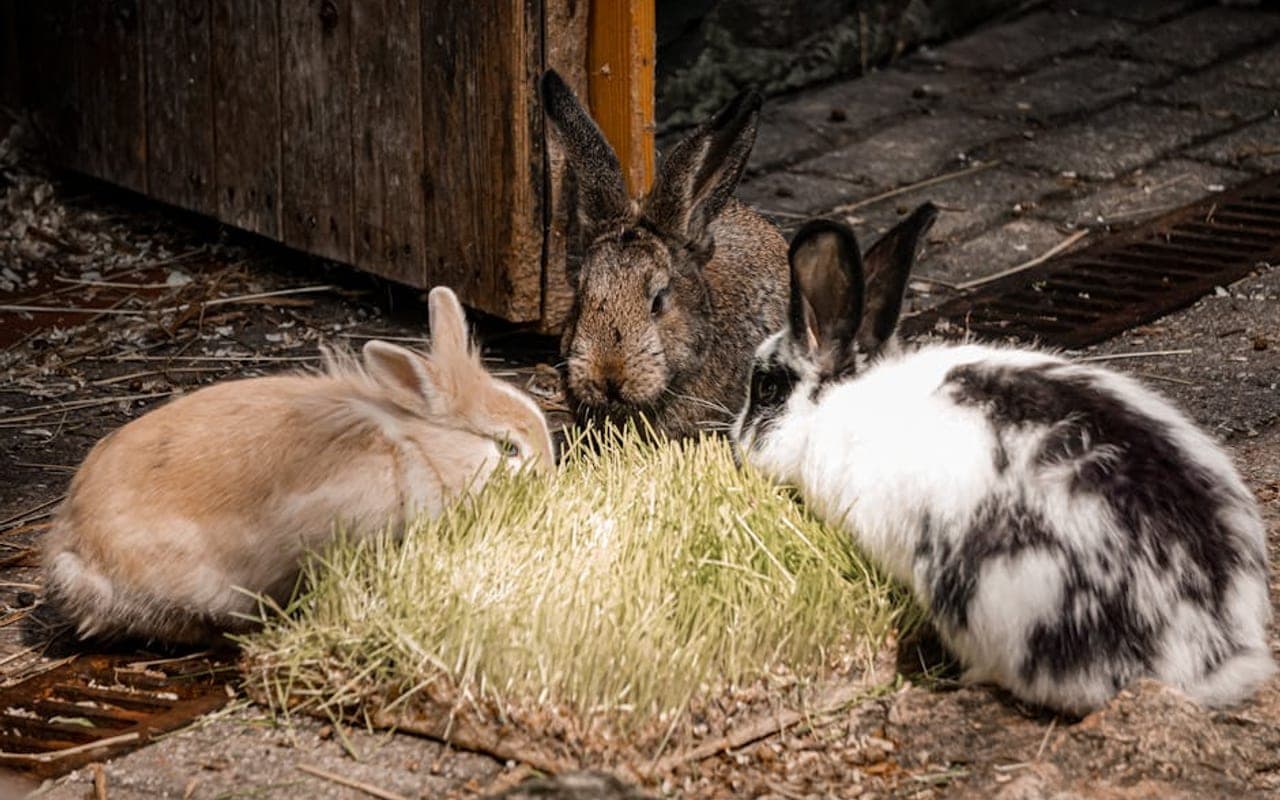
Harlequin Rabbit Care Guide
Harlequin Care Overview This guide gives you a practical plan for living with a Harlequin, the medium-small French color breed nicknamed 'the clown of the rabbit world' — not for its behavior but for
In This Guide
Overview
Harlequin Care Overview
This guide gives you a practical plan for living with a Harlequin, the medium-small French color breed nicknamed 'the clown of the rabbit world' — not for its behavior but for its striking two-color coat, broken into bands and patches like a jester's costume. The most useful thing to understand up front is that the Harlequin is a standard short-haired rabbit underneath an extraordinary coat. There is no wool to manage, no flat brachycephalic face, and no extreme size — at roughly 6 to 9 pounds (about 2.7 to 4.1 kg), with ARBA setting a maximum of 9.5 pounds the husbandry is the reassuringly ordinary rabbit kind, which is genuinely good news for an owner. What does shape day-to-day life is temperament. Harlequins are calm, curious, and friendly, an active, inquisitive breed that enjoys foraging, exploring, and interacting, so enrichment is not a nice-to-have here — a bored Harlequin is an unhappy one, and this is a breed that rewards space and stimulation. The coat may be the headline, but the responsibility underneath is the same decade-long one as any rabbit: a hay-first diet to keep continuously growing teeth in check, hours of daily exercise, a bonded companion where possible, a cool home, and a rabbit-savvy exotics vet. Like every rabbit, the Harlequin is a prey animal that hides illness, dislikes being picked up, and lives 8 to 11 years — a longer commitment than most first-time owners expect. This guide walks through the daily routine, diet, exercise, grooming, health, and real costs, with the breed's curiosity and activity level kept front of mind, because matching that energy is what turns a Harlequin from a pretty cage ornament into an engaged companion.
Daily Care
Daily Routine
A Harlequin's day runs on routine, and the routine is simple once it is set. Each morning, top up unlimited grass hay — the single most important thing you do all day — refresh water in a heavy ceramic bowl rather than a sipper bottle, which rabbits drink from more readily, and put down a packed cup of washed leafy greens. Scoop the litter box, because a clean box is what keeps a rabbit reliably litter-trained. Then spend a few minutes watching: a healthy Harlequin is alert, busy, eating, and producing plenty of round droppings — and with this curious, active breed, a rabbit that is suddenly quiet and still is itself a warning sign worth noticing. The two things you check for every single day are appetite and droppings, because a rabbit that stops eating or stops passing droppings for 12 hours is a same-day emergency, not a wait-and-see. In the evening, open the enclosure for the main free-roam session — this inquisitive breed especially needs that out-of-cage time — refresh hay again, and do a quick hands-on check of the rear end for soiling, the ears for wax or odor, the eyes for watering or discharge, and the front teeth for overgrowth. None of this takes long, but skipping it is how small problems in a prey animal become large ones.
Nutrition
Feeding a Harlequin
Get the diet right and you prevent most of the health problems in this guide. The proportions matter: roughly 70 percent of what a Harlequin eats should be unlimited grass hay — timothy, orchard, or meadow — because the long, abrasive chewing it forces wears the continuously growing molars down and keeps the gut moving. The hay is not bedding; it is the working part of the diet. On top of that, feed a packed cup of varied leafy greens daily (romaine, cilantro, parsley, dandelion greens; rotate them to avoid excess of any one mineral), and only a measured tablespoon or two of plain timothy-based pellets for a rabbit this size — pellets are a supplement, and overfeeding them is a fast route to obesity. Skip muesli-style mixes entirely, because rabbits selectively eat the sugary bits and leave the fibrous pellet, which drives both dental disease and weight gain. Treats are fruit-sized and occasional — a thin slice of banana or apple, never daily, because sugar disrupts the gut flora — and for a foraging-minded breed like this one, scattering greens or hiding a sprig of herbs makes feeding part of the enrichment. Fresh water must always be available. Alfalfa hay is for kits under about six months only; switch adults to grass hay, as alfalfa's calcium and calories cause bladder sludge and weight gain in a grown Harlequin.
Exercise
Exercise & Enrichment
Exercise and enrichment are where the Harlequin's personality makes the biggest demand, because this is an active, curious breed that enjoys foraging, exploring, and problem-solving — and confinement hits it especially hard. A Harlequin kept in a small cage without stimulation becomes bored, frustrated, obese, and prone to destructive behavior, so plan for a generous enclosure as a home base plus a minimum of 3 to 4 hours of supervised free-roam time every day in a rabbit-proofed room or large pen. 'Rabbit-proofed' is literal — cover or block electrical cords, since a chewed cord can electrocute or burn, and remove toxic houseplants and anything you mind being gnawed, because chewing is a need, not a vice. Then lean into the breed's curiosity: give it real reasons to think and move with foraging toys, tunnels, cardboard castles, a digging box of shredded paper or hay, puzzle feeders, and chew items, rotating the layout weekly so an inquisitive rabbit stays interested. A content, well-exercised Harlequin 'binkies' readily — the happy mid-air leap and twist that tells you the enrichment is right. Exercise also doubles as health monitoring: a normally busy, exploratory rabbit that suddenly stops moving, hunches, or grinds its teeth is telling you, loudly for this breed, that something is wrong.
Grooming
Grooming
Grooming a Harlequin is light, which is part of the appeal of a standard short-haired breed with no wool to manage. The short coat needs only a weekly brush to remove loose hair, stepping up to every few days during the heavy seasonal molts, when swallowed fur can contribute to gut slowdown — brushing during a molt is preventive, not cosmetic. Never bathe a rabbit; full immersion terrifies them and can cause fatal shock, and even a short coat is hard to dry properly. Spot-clean a soiled rear with a damp cloth instead. Two routine checks matter more than the coat for this breed. First, nails: trim every four to six weeks, because overgrown nails are a common minor problem in Harlequins — they curl, snag, and tear, which is painful and can become infected. Second, ears and eyes: check the ears weekly for wax buildup or odor and the eyes for watering or discharge, since Harlequins can develop ear irritation and weepy eyes from blocked tear ducts or hay dust, and persistent redness, discharge, or squinting warrants a vet. And as always, glance at the front teeth while you groom — caught early, a misalignment is a hay-and-vet problem rather than a surgical one.
Health
Health
The Harlequin has no extreme features — no wool, no flat face, no extreme size — so it tends to be a hardy, long-lived breed when its basic welfare needs are met, and its health risks are mostly the universal rabbit ones rather than anything breed-specific. GI stasis comes first: the gut slows or stops when fiber is low or the rabbit is dehydrated, in pain, or stressed, and any Harlequin that stops eating or passing droppings for 12 hours is a same-day emergency. Dental malocclusion is next: like all rabbits the Harlequin's teeth grow continuously, and misaligned or overgrown molars cause drooling, weight loss, and a dropped appetite — an unlimited grass-hay diet wears them down and a yearly back-teeth check catches trouble early. Overgrown nails are a common minor issue, curling and tearing without regular trimming. Ear and eye problems also turn up — wax buildup, irritation, and weepy eyes from blocked tear ducts or hay dust — so check both weekly. And uterine cancer in unspayed does is common past about three years, which is why spaying is preventive medicine, not optional. Crucially, line up an exotics or rabbit-savvy veterinarian before you bring a Harlequin home — most general-practice vets do not treat rabbits, and in an emergency you do not want to be searching. Rabbits mask illness, so any change in appetite, posture, or droppings is worth a call.
Costs
The Real Cost of a Harlequin
The purchase price is the smallest number in rabbit ownership, and treating it as the budget is the classic first-time mistake. A pet-quality Harlequin from a reputable breeder or a rescue typically runs 30 to 75 dollars, though a correctly marked show-quality one — clean, evenly split, well-banded color — commands a premium and a longer search, because the entire breed is judged on the precision of a genetically difficult pattern. For a pet owner that distinction rarely matters: a pet-quality Harlequin is a perfectly sound, friendly rabbit. The setup costs more than the rabbit. A roomy enclosure or exercise pen, a heavy water bowl, a litter box and rabbit-safe litter, hay racks, and — important for this inquisitive breed — a real spread of foraging toys, tunnels, and chew items add up to roughly 150 to 300 dollars before you account for the pens and cord covers to rabbit-proof a room. Then there is the ongoing bill. Unlimited hay, fresh greens, a small amount of pellets, and litter come to roughly 40 to 70 dollars a month, more for premium hay delivered, plus the steady replacement of chew and forage toys an active Harlequin works through. The cost that surprises people is veterinary: rabbits need an exotics vet, which means a higher first-visit fee, a one-time spay or neuter usually in the 150 to 400 dollar range (which prevents cancer and behavior problems), and an emergency fund, because GI stasis or dental work can run into the hundreds quickly. Budget realistically and a Harlequin is an affordable, engaging companion; budget only for the rabbit itself and the first vet emergency becomes a crisis.
Frequently Asked Questions
What is the difference between a Japanese and a Magpie Harlequin, and how do I tell which one I have?
The ARBA breed information splits the Harlequin into two groups. Japanese pairs orange or fawn with black, blue, chocolate or lilac; Magpie pairs white with those same four colours. So the only question is whether the colour sitting beside the dark one is orange-fawn or white. Settle that before you register a rabbit or enter it anywhere, because the two groups are described and judged separately.
What should I actually check on a Harlequin before buying one as a show prospect?
Start with the face, then the feet. The American Harlequin Rabbit Club lists a failure to show a clearly discernible face split, and a dutch-type body marking, as disqualifications in both groups, and adds white toenails and white spots as disqualifications in the Japanese group. Those are visible on the animal in front of you, so lift the feet and look before money changes hands. A mismarked rabbit is a sound pet that will not place.
I have read that head shape causes dental problems in some breeds — does that apply to the Harlequin?
This is species-level, not breed-level. Every rabbit's teeth grow continuously, and the PDSA states that dental problems in pet rabbits are usually caused by a diet that is too low in fibre. Neither the ARBA breed information nor the breed club standard describes the Harlequin as short-faced or flat-headed; the club's only structural line is that body type is commercial and fur should be fly-back. So treat "it is just the breed" as a reason to ask a rabbit-savvy vet, not an explanation.
How much space does a Harlequin need, and can I keep just one?
Species-level again, and the figures are not breed-adjusted. The Rabbit Welfare Association & Fund recommends a single enclosed area of at least 3m x 2m by 1m high, available at all times rather than for limited periods, and says rabbits suffer if kept alone and should always be kept in at least friendly pairs. With ARBA putting the Harlequin's maximum weight at 9.5 pounds, a grown one sits at the larger end of that recommendation. Build for a pair before the rabbit arrives.
Why did my Harlequin litter come out badly marked?
Because the pattern is genuinely hard to hit, not because you got the husbandry wrong. ARBA calls the breed a worthy challenge to breeders to achieve a perfect 3-part harmony, and the club's ideal asks for a split face, ears alternating with it, back feet alternating with the front, and five to seven alternations of colour down each side. Most kits miss some of that, so line up pet homes early.
Sources
This guide draws on the following published references. Each opens in a new tab so you can check it against what you have read here.
American Rabbit Breeders Association
Harlequin(opens in a new tab)American Harlequin Rabbit Club
Standard(opens in a new tab)ARBA
Harlequin — recognised breed entry(opens in a new tab)Rabbit Welfare Association & Fund
Space Recommendations(opens in a new tab)House Rabbit Society
Rabbit Diet & Nutrition(opens in a new tab)People's Dispensary for Sick Animals (PDSA)
Dental problems in rabbits(opens in a new tab)Merck Veterinary Manual
Diet for Rabbits(opens in a new tab)Merck Veterinary Manual
Skin Disorders of Rabbits(opens in a new tab)Merck Veterinary Manual
Routine Health Care of Rabbits(opens in a new tab)
Get personalized pet care tips
Join our newsletter for breed-specific advice, care guides, and expert tips delivered weekly.
No spam, ever. Unsubscribe anytime.