
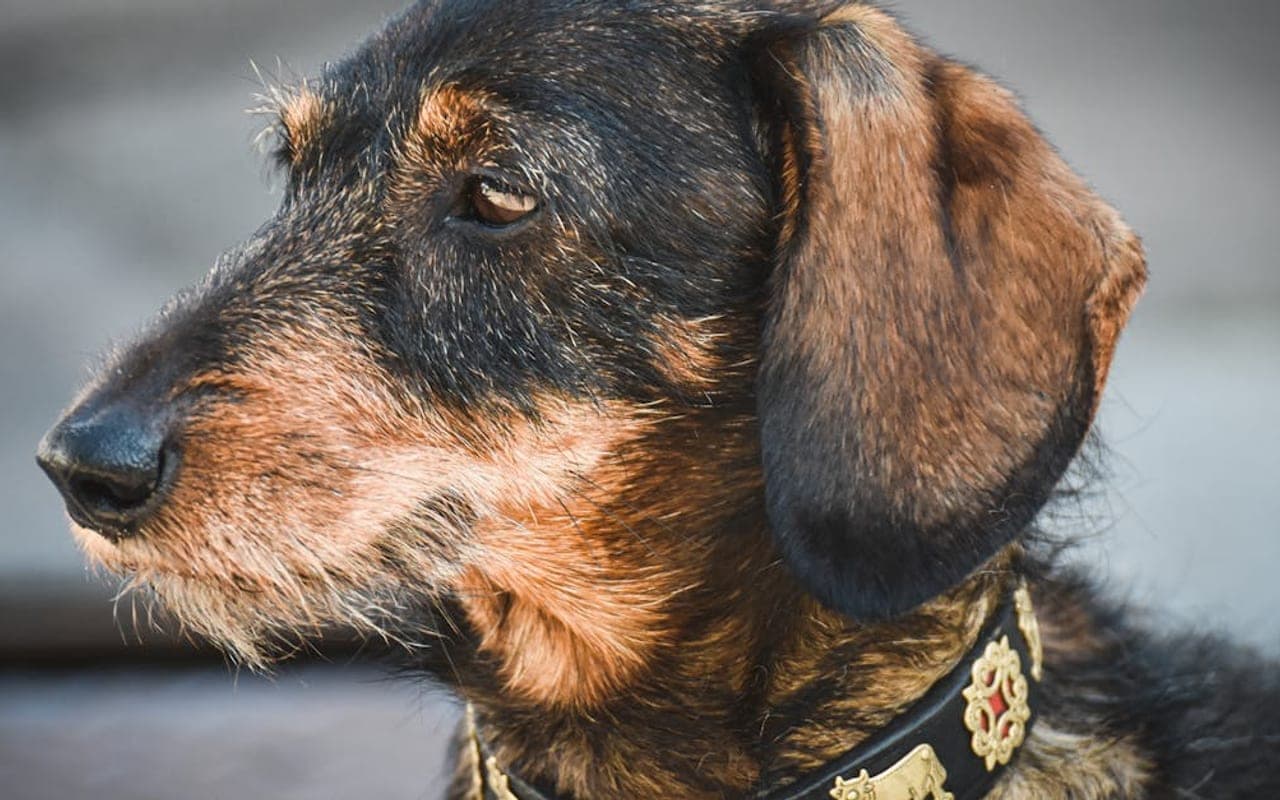
Jagdterrier Care Guide
A Jagdterrier is a working animal that happens to fit in a crate the size of a beagle's. Bred in Germany to go to ground after fox and badger, it stands 13–16 inches and weighs 17–22 pounds (PetMD) —
In This Guide
Overview
A Jagdterrier is a working animal that happens to fit in a crate the size of a beagle's. Bred in Germany to go to ground after fox and badger, it stands 13–16 inches and weighs 17–22 pounds (PetMD) — and it will out-want and out-scheme most owners who read "small terrier" as "small commitment." PetMD describes it as "confident, courageous, and determined" with "a high prey drive," "often reserved and wary of strangers" while "loyal and affectionate with their family."
The honest verdict: the Jagdterrier rewards an experienced, active household and frustrates a sedentary one. PetMD says the breed suits "experienced pet parents" and, in its own terms, depends on early socialization, steady mental stimulation, and regular exercise to stay balanced. Meet those and you get a tireless partner that lives an average of 10–12 years (PetMD). Skip them and the same drive turns into digging, barking, escaping, and chasing anything that moves.
Everything below is the practical side of ownership. For the breed's history and temperament background, see the Jagdterrier breed page; the care guide library has write-ups for other breeds.
Daily Care
The daily work with a Jagdterrier is running the mind as hard as the body. PetMD places the breed with "experienced pet parents" and pairs its exercise need with "early socialization" and "mental stimulation" — because a clever, driven terrier with nothing to occupy it invents its own projects, and you will not enjoy them. Weave training into ordinary life: obedience before meals, a food puzzle while you work, a sniff-led walk. PetMD is clear the breed "do[es] best with training based on positive reinforcement"; heavy-handed correction sours a terrier fast.
Socialization is not a box you tick once. A dog "often reserved and wary of strangers" (PetMD) stays easy to live with only if you keep exposing it to new people and settings into adulthood. Fold the health checks into the same rhythm: a daily glance at the eyes for the redness or cloudiness that flags PLL, a look inside the ears and a feel through the feet after time outdoors, and tooth brushing with a dog-formulated paste, which VCA calls "the best way to prevent tartar build-up." Two minutes a day of hands-on attention catches most problems while they are still small.
Nutrition
Feed this dog as the working athlete it is, then watch the scale as it ages. PetMD recommends "two meals a day" for adults while puppies "may need three to four smaller meals," and that the breed does well on "high-quality protein sources, balanced nutrients, and calorie-dense options." The trap arrives later: exercise needs taper with age, and hypothyroidism — one of the breed's named risks — drives "weight gain without an increase in appetite" (VCA). Portion by the dog's working condition rather than the bag's chart: a fit Jagdterrier holds a taut, tucked-up outline and a light, springy carriage, and the earliest warning is that outline going soft. When it does, cut the ration and have your vet rule out hypothyroidism before writing the change off as age. Keeping a terrier lean spares the joints hip dysplasia already threatens and eases an older heart's workload. Split the food into PetMD's two daily meals rather than free-feeding, and count treats inside the day's calories.
Exercise
This section decides whether a Jagdterrier is a joy or a menace. PetMD is blunt: the breed "require[s] at least an hour of vigorous exercise every day" and thrives "with activities like hunting, long walks, running, and hiking." An hour of ambling around the block will not cut it — this dog wants to work its body and its nose hard, and a bored Jagdterrier reroutes that energy into escaping the yard, barking, and destruction.
The prey drive changes how that hour is delivered. Because the breed will chase, PetMD's guidance on prey drive applies straight to it: "prevent your dog from dashing after animals by making sure that they're only let outside in securely fenced areas," and when walking, use "a fixed-length leash" and "a collar or harness that the dog can't slip out of." A Jagdterrier loose near wildlife or a road is a wager you will eventually lose. Channel the drive rather than fight it — PetMD notes that "mimicking the predatory sequence in controlled scenarios" (flirt poles, scent games, barn-hunt or earthdog sports) lets the dog scratch the instinct safely — and drill a reliable "leave it" and an emergency recall before you need them.
Grooming
The coat is the easy part. PetMD describes the breed's "dense, coarse coat" and advises you to "brush your Jagdterrier's coat about once a week to prevent matting and remove loose hair," with shedding that is moderate and "increases slightly during seasonal changes." A weekly pass with a slicker brush or hound glove, stepped up during the spring and fall sheds, covers the maintenance grooming outright — a wash-and-wear working coat, not a project.
The grooming that genuinely matters happens after work, not on a calendar. A terrier built to push through cover collects what lives in it. PetMD's guidance on foxtails — the barbed grass awns that "can attach to their paws, skin, eyes, and ears and even be inhaled into their nose or lungs" — is written for precisely this animal. Each awn "has a sharp bur on one end that allows them to move forward in one direction," and the seeds "carry bacteria with them wherever they are moved," so one lodged between the toes or in an ear can burrow inward and abscess. Make the post-outing sweep a reflex: "check your dog over thoroughly after walking through tall grass," and "look for any hard, barbed grass awns caught in their fur, around their face or ears, and between their toes" (PetMD).
Ears earn their own attention on a field dog. VCA calls otitis externa "one of the most common types of infections seen in dogs" and lists a foreign body among its causes — exactly the hazard above. Check the ears whenever you check the feet: redness, odor, a dark discharge, or a dog shaking its head and scratching are the early signs. Dry the canals after a wet day's work, and take anything abnormal to your vet rather than digging with a cotton swab.
Health
Start with what the evidence can and cannot tell you. The Jagdterrier is uncommon and bred for function rather than the show ring, so there is no breed-wide prevalence study for it — no dataset that says what share of Jagdterriers develop a given disorder. Any article handing you a percentage for this breed is guessing. What exists is PetMD's veterinary breed profile, which names the conditions vets see in the breed, plus the broader literature on the disorders themselves. Here is what each source actually supports.
PetMD lists the breed's documented concerns as primary lens luxation, heart problems (arrhythmias and murmurs), hip dysplasia, allergies, and hypothyroidism. None comes attached to a published rate.
Of that list, primary lens luxation (PLL) is the one to learn cold — an inherited eye disease well documented across terriers that becomes an emergency when it strikes. Per the Orthopedic Foundation for Animals, PLL is "a heritable disease in many breeds" caused by "an inherent weakness in the zonular ligaments which suspends the lens"; the lens slips out of position, and affected dogs usually show signs "between 4–8 years of age." The tell is "painful, teary, red eyes that may look hazy or cloudy," and left alone it drives uveitis and glaucoma, which OFA calls "painful and potentially blinding diseases if not identified and treated early." OFA names numerous terrier breeds among those affected, and a cheek-swab DNA test can flag carriers before breeding. In plain terms: a Jagdterrier with a suddenly red, squinting, or cloudy eye is a same-day veterinary visit.
Hypothyroidism is the other named concern worth knowing. VCA describes it as "a condition of inadequate thyroid hormone levels that leads to a reduction in a dog's metabolic state," usually surfacing in "middle-aged dogs (average of 6–7 years of age)." Watch for "weight gain without an increase in appetite," "dry, dull hair with excessive shedding," and "increased susceptibility and occurrence of skin and ear infections." It is, per VCA, "treatable but not curable" with a daily oral hormone — so a middle-aged Jagdterrier that abruptly slows or can't keep weight off earns a thyroid panel, not a diet lecture.
Dental disease is not on PetMD's breed list, but put it on yours because of the dog's size. VCA reports that "over 80% of dogs over the age of three have active dental disease," and that "small breeds … are more prone to periodontal disease due to the small size of their jaw and crowding of the teeth." A 17–22-pound terrier sits squarely in that risk group.
The remaining PetMD concerns — hip dysplasia and cardiac arrhythmias and murmurs — are caught by the basics: annual exams with a heart check, and a veterinary look at any dog that tires easily or moves oddly. This is general information, not a diagnosis; your veterinarian makes the medical calls.
Costs
Budget for a Jagdterrier in two buckets: the predictable and the unpredictable. The predictable is routine, and it pays to fund it on time — annual exams with a heart check, vaccines and parasite prevention, a quality diet, and the professional dental cleanings a small-jawed terrier will likely need under anesthesia more than once, given that over 80% of dogs past age three carry active dental disease (VCA). None of that is optional if you want the breed's full lifespan.
The unpredictable is where this breed's profile bites. A genetic test or a breeder's eye screening for primary lens luxation costs little set against the surgery an untreated luxation can demand — money spent well before a problem starts. Field work adds its own line: an embedded grass awn or a stubborn ear infection can mean sedation and minor surgery. Decide how you will cover a sudden emergency — pet insurance taken out while the dog is young and healthy, or a dedicated savings cushion — before the crisis, not during it. Preventive spending on screening, dental care, and lean feeding is the cheapest money you will put into this dog.
Frequently Asked Questions
Is the Jagdterrier a good breed for first-time owners?
No. PetMD places the Jagdterrier with experienced pet parents, and this guide's verdict is that the breed rewards an active household and frustrates a sedentary one. It is confident, courageous, and determined with a high prey drive, often reserved and wary of strangers while loyal and affectionate with family. Without early socialization, mental stimulation, and exercise, that drive turns into digging, barking, escaping, and chasing.
How much exercise does a Jagdterrier need?
A lot. PetMD is blunt that the breed requires at least an hour of vigorous exercise every day, and thrives with activities like hunting, long walks, running, and hiking. An hour of ambling around the block will not cut it, and a bored Jagdterrier reroutes that energy into escaping the yard, barking, and destruction. Because of the prey drive, only exercise it in securely fenced areas or on a fixed-length leash with a collar or harness it cannot slip out of.
How much does a Jagdterrier shed and how much grooming does the coat need?
The coat is the easy part. The Jagdterrier has a dense, coarse coat that needs brushing about once a week to prevent matting and remove loose hair, with moderate shedding that increases slightly during seasonal changes. Step the weekly brushing up during the spring and fall sheds. The grooming that matters more is checking the dog after fieldwork for barbed grass awns (foxtails) in the fur, around the face and ears, and between the toes.
What health problems is the Jagdterrier prone to?
PetMD lists the breed's documented concerns as primary lens luxation, heart problems (arrhythmias and murmurs), hip dysplasia, allergies, and hypothyroidism. Because the breed is uncommon and bred for function, there is no breed-wide prevalence study, so no honest figure exists for how often each occurs. Primary lens luxation is the one to learn cold: a suddenly red, squinting, or cloudy eye is a same-day veterinary visit.
How often should I feed a Jagdterrier?
PetMD recommends two meals a day for adults, while puppies may need three to four smaller meals, and the breed does well on high-quality protein, balanced nutrients, and calorie-dense options. Feed it like the working athlete it is, but watch the scale as it ages, since exercise needs taper and hypothyroidism can cause weight gain without more appetite. Portion by body condition rather than the bag's chart, and count treats inside the day's calories.
Sources
This guide draws on the following published references. Each opens in a new tab so you can check it against what you have read here.
PetMD (veterinary
PetMD (veterinary-reviewed) — *Jagdterrier Dog Breed Health and Care* (size 13–16 in / 17–22 lb; lifespan 10–12 yr; "high prey drive"; "reserved and wary of strangers"; coat "dense, coarse," brush weekly, shedding "increases slightly during seasonal changes"; "at least an hour of vigorous exercise e(opens in a new tab)Orthopedic Foundation for Animals (OFA)
Orthopedic Foundation for Animals (OFA) — *Primary Lens Luxation* (PLL "a heritable disease in many breeds," "inherent weakness in the zonular ligaments which suspends the lens," onset "most commonly 3–6 years," signs "between 4–8 years," "painful, teary, red eyes that may look hazy or cloudy," uvei(opens in a new tab)VCA Animal Hospitals
VCA Animal Hospitals — *Hypothyroidism in Dogs* ("inadequate thyroid hormone levels that leads to a reduction in a dog's metabolic state"; "average of 6–7 years of age"; "weight gain without an increase in appetite"; "increased susceptibility and occurrence of skin and ear infections"; "treatable bu(opens in a new tab)VCA Animal Hospitals
VCA Animal Hospitals — *Dental Disease in Dogs* ("over 80% of dogs over the age of three have active dental disease"; "small breeds … are more prone to periodontal disease due to the small size of their jaw and crowding of the teeth"; daily brushing "the best way to prevent tartar build-up")(opens in a new tab)VCA Animal Hospitals
VCA Animal Hospitals — *Ear Infections in Dogs (Otitis Externa)* ("one of the most common types of infections seen in dogs"; foreign body among causes; signs — head-shaking, scratching, redness, odor, dark discharge)(opens in a new tab)PetMD (veterinary
PetMD (veterinary-reviewed) — *Foxtails: What They Are and Why They're Harmful to Dogs* (awns "attach to their paws, skin, eyes, and ears and even be inhaled into their nose or lungs"; "sharp bur … allows them to move forward in one direction"; seeds "carry bacteria with them wherever they are moved(opens in a new tab)PetMD (veterinary
PetMD (veterinary-reviewed) — *Prey Drive in Dogs* (chase-capture-kill sequence; "let outside in securely fenced areas"; walk on "a fixed-length leash" with gear "the dog can't slip out of"; "mimicking the predatory sequence in controlled scenarios"; "leave it" and emergency recall)(opens in a new tab)
Affiliate disclosure: We may earn a commission from qualifying purchases. This doesn't affect our recommendations.
Recommended Products
Jagdterrier Care Guide Book
Breed-focused reading and owner references for Jagdterrier care, training, grooming, and health planning.
Jagdterrier Food and Supplies
Helpful supplies for jagdterrier dog supplies routines at home.
Jagdterrier Grooming Tools
Helpful supplies for jagdterrier grooming tools routines at home.
Get personalized pet care tips
Join our newsletter for breed-specific advice, care guides, and expert tips delivered weekly.
No spam, ever. Unsubscribe anytime.