
Foundation Stock Service group
Jagdterrier
The Jagdterrier — German for 'hunt terrier', formally the Deutscher Jagdterrier — is a small, compact, working hunting terrier of roughly 7.
Size
17-22 lb
Lifespan
10-12 years
Exercise
30-60 minutes
Shedding
Moderate
Experience
Match to owner routine
Decision first
Is a Jagdterrier right for you?
Start with fit before history or trivia. These are ownership signals, not guarantees about any individual dog.
Best suited for
- Households with children.
- Homes with other compatible pets.
- Apartment homes with a consistent routine.
- Owners seeking a manageable daily exercise routine.
Think carefully if
- You need a dog with almost no daily routine.
- You cannot keep up with grooming and preventive care.
- The dog will spend most days alone without support.
Conditional fit
Apartment fit depends on exercise, enrichment, noise management, and outdoor access.
Daily reality
Jagdterrier commitment snapshot
Daily exercise
30-60 minutes
Match activity to age, health, weather, and training goals.
Coat care
Moderate
Grooming needs vary by coat, shedding, and lifestyle.
Time alone
Needs planning
Most dogs need gradual alone-time conditioning and support.
Structured facts
Jagdterrier at a glance
The measurements and traits that most affect day-to-day life with this breed.
Group
Foundation Stock Service
Weight
17-22 lb
Height
13-16 in
Lifespan
10-12 years
Temperament
Courageous | Intelligent | Hardworking
View all characteristics and methodology
Lifestyle fit
- Apartment suitability
- Likely fit
- Child friendliness
- Often good, with socialisation and supervision
- Other-pet fit
- Often compatible with careful introductions
Owner commitment
- Exercise
- 30-60 minutes
- Grooming
- Moderate
- Shedding
- Moderate
- Training
- Moderate
Environment and health
- Health risk
- Needs planning
Ratings combine structured breed data, visible breed fields, and editorial context. They are planning aids, not predictions for an individual dog.
Daily life
Jagdterrier temperament and behavior
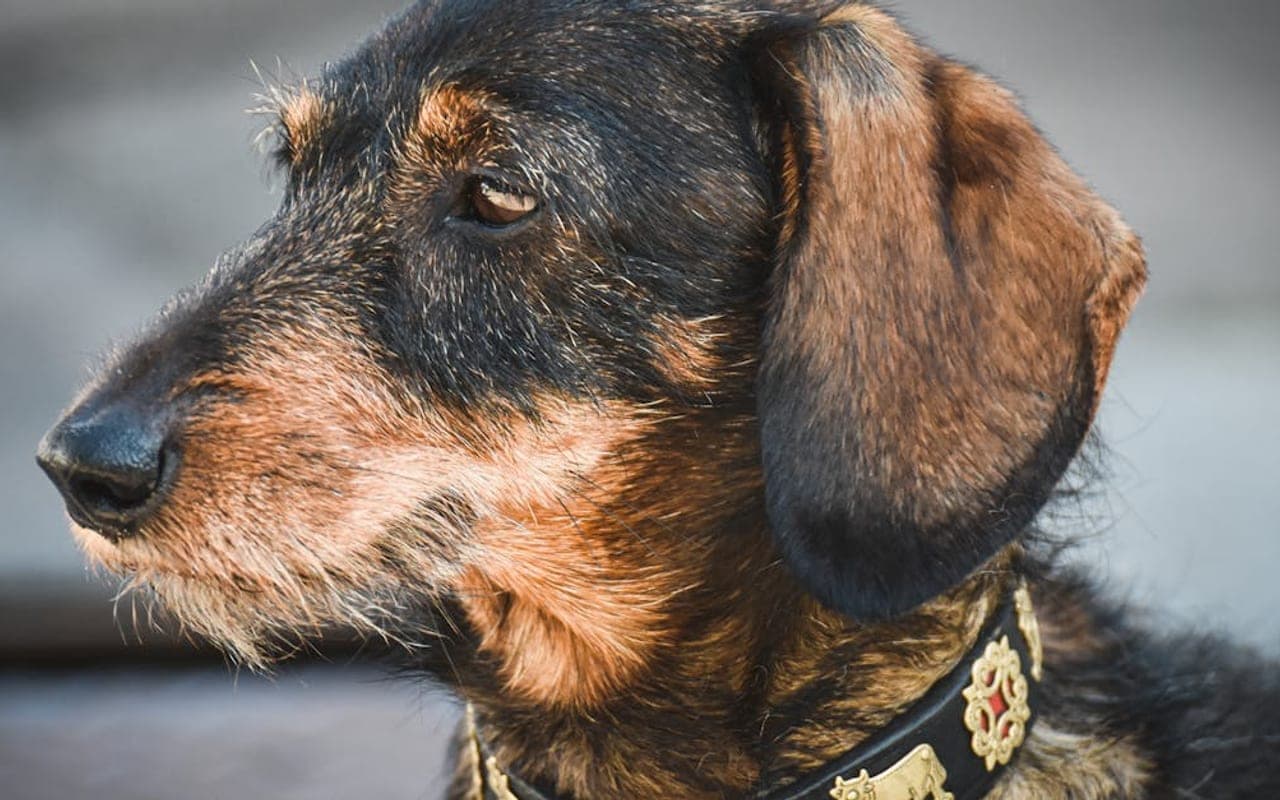
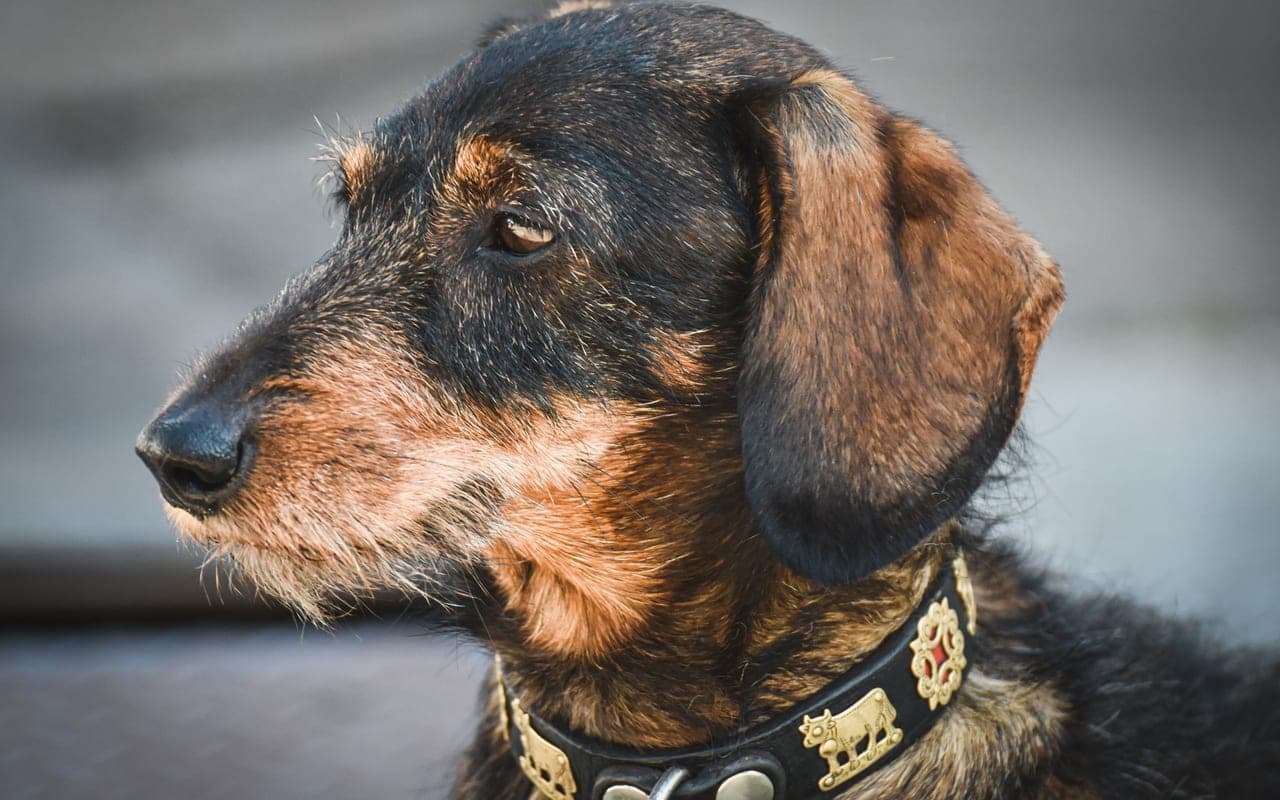
The Jagdterrier — German for 'hunt terrier', formally the Deutscher Jagdterrier — is a small, compact, working hunting terrier of roughly 7.5-10 kg and 33-40 cm, bred in 20th-century Germany to go to ground after fox and badger, flush game, blood-track, and retrieve from water. The defining fact for any prospective owner is that this is one of the most uncompromising working breeds in existence: it was selected for hunting drive, courage, and toughness with deliberate indifference to looks or biddable companionship, and that selection succeeded completely. It is not a pet breed that can also hunt; it is a hunting breed that some experienced people keep as a companion. Physically it is a black-and-tan (or dark-brown / grizzle) terrier in a hard rough or smooth coat, with tan points on the brows, muzzle, chest, and legs. It is dense, muscular, and built to work in tight, hostile spaces underground. Temperament: courageous to the point of recklessness, intensely high-prey-drive, energetic, intelligent, and trainable for work — but determined, sometimes scrappy with other dogs, and emphatically not a low-drive household companion. With its handler it is bonded and biddable in a working context; off-task and under-exercised it becomes destructive and difficult. Who the Jagdterrier is right for: an active hunter or a very experienced terrier owner who will give it real work and ironclad containment. Who it is wrong for: first-time owners, multi-small-pet households, and anyone wanting a calm family dog — the breed's whole value is its extreme working drive, which is also its whole challenge.
Courageous | Intelligent | Hardworking
Courageous
A common Jagdterrier temperament descriptor that should be interpreted alongside training, exercise, and household fit.
Intelligent
A common Jagdterrier temperament descriptor that should be interpreted alongside training, exercise, and household fit.
Hardworking
A common Jagdterrier temperament descriptor that should be interpreted alongside training, exercise, and household fit.
Owner note
Temperament labels are starting points, not guarantees. Meet the individual dog and ask about behavior history whenever possible.
Care essentials
How to care for a Jagdterrier
What looking after one actually involves: exercise, grooming, food, training, and routine health.
ExerciseAs needed
- Moderately active breed needing 30-60 minutes of daily exercise through walks, play, and mental stimulation.
GroomingAs needed
- Regular grooming needed — brush 2-3 times per week and bathe monthly.
TrainingAs needed
- Moderately trainable — consistent, patient training with positive methods works best.
NutritionAs needed
- Feed a high-quality dog food appropriate for their age, size, and activity level. Monitor portions to prevent obesity.
Veterinary CareAs needed
- Annual wellness exams, core vaccinations, dental care, and parasite prevention. Breed-specific health screenings as recommended by your vet.
Health planning
Jagdterrier health risks and screening
Every breed has individual health variation. Use this profile for planning and discuss medical decisions with a veterinarian.
Responsible ownership
Finding a Jagdterrier responsibly
What to ask a breeder or rescue is the same conversation for every breed, so we keep it in one place and keep it current.
Health documentation, meeting the parents or foster, contracts and return support, and the warning signs worth walking away from.
Original purpose
Jagdterrier history
History is useful when it explains today's behavior, coat, exercise needs, and training style.
Read the breed history
The Jagdterrier is a deliberately engineered breed, not a landrace. It was created in Germany in the 1920s by a group of hunters — several of them former Fox Terrier breeders — who wanted a working earth-and-forest terrier selected purely for hunting performance rather than the show ring. They built it from working Fox Terrier stock crossed with old English terrier types and Welsh Terrier blood, and the breeding programme was unusually strict: dogs were chosen on hunting instinct, courage, tracking ability, hardness, and trainability for work, with appearance an afterthought. That function-first, narrowly purposive breeding history is the direct reason the modern Jagdterrier is, despite being a young breed, remarkably free of the inherited disease load common in show-bred purebreds — and equally the reason its working drive is so extreme. The history explains both the breed's robust health and why it remains, by design, a specialist hunter's dog rather than a casual companion.
Gallery
Jagdterrier photos
Images are cropped consistently and loaded progressively to keep the page responsive.
Lower-page context
Jagdterriers in culture
Where the breed shows up in film, sport, work and folklore — the enjoyable part, once the practical questions are answered.
Fun facts
- The Jagdterrier belongs to the Foundation Stock Service.
- The average lifespan of a Jagdterrier is 10 to 12 years.
- Jagdterrier dogs are valued for their courageous, intelligent, hardworking nature.
Jagdterrier FAQs
Is the Jagdterrier a good family or first-time dog?
No, and this is the most important answer on the page. The Jagdterrier was bred exclusively for hard hunting work, selected for extreme prey drive, courage, and toughness with no regard for easy companionship. Without daily real work it becomes destructive, vocal, and an escape artist, and it can be scrappy with other dogs and lethal toward small pets. For an experienced hunter or seasoned terrier handler it is an exceptional working partner; for a first-time owner or typical family it is a mismatch that fails the dog, not a 'spirited' pet to grow into.
How healthy is the Jagdterrier really?
Genuinely robust — and this one is honest, not padding. Because it was bred strictly for working performance rather than appearance, the Jagdterrier escaped much of the inherited disease load that show breeding concentrated in many purebreds. It typically lives 10-12 years with few breed-specific problems. The conditions that do matter are Primary Lens Luxation (DNA-testable), occasional inherited myopathies relevant to a hard-working dog, hyperuricosuria, and footpad hyperkeratosis. A working-line dog from tested parents is about as sound as dogs come.
How much exercise does a Jagdterrier need?
A great deal — plan on 90+ minutes of vigorous activity daily plus a genuine job: hunting, earthdog, tracking, or advanced sport. This is not a breed where a long walk suffices; the drive that makes it a superb hunter has to be discharged or it turns inward into digging, barking, and escaping. Owners consistently underestimate this. If you cannot commit to working the dog nearly every day, the honest conclusion is that this is the wrong breed, not that more obedience training will fix it.
Can a Jagdterrier live with cats or small pets?
Realistically, no. This breed was specifically selected to pursue and dispatch fox and badger underground; the prey drive toward small fast-moving animals is among the most intense of any breed and is not reliably trainable out. Cats, rabbits, rodents, and birds are at genuine risk even with careful introduction. A multi-small-pet household is a fundamental incompatibility, not a management challenge. Plan the home around this fact rather than hoping socialisation overrides 100 years of purpose-breeding.
What is Primary Lens Luxation and why does it matter in this breed?
PLL is an inherited weakening of the tiny fibres that hold the eye's lens in place; the lens can suddenly dislocate, causing severe pain, pressure, and rapid, often permanent vision loss if untreated. It is the principal inherited eye disease in the Jagdterrier and is DNA-testable, so a responsible breeder can avoid producing affected pups by testing parents. Practically: ask for PLL test results, and treat any sudden red, cloudy, squinting, or painful eye as an emergency that needs a vet the same day, because the window to save the eye is hours.
Why is the Jagdterrier so rare as a pet despite being a great working dog?
Because its breeders deliberately kept it that way. The founding hunters bred strictly for performance and actively resisted turning it into a show or pet breed, and many working-dog organisations still gatekeep it toward hunting homes. The result is a dog that is outstanding at its job and poorly suited to casual ownership, kept intentionally uncommon to preserve working quality. The rarity is not scarcity-marketing; it reflects a breed community that prioritises function over popularity — which is also why the breed stayed healthy.
Sources
These are the published sources this page draws on. Each opens in a new tab so you can check it yourself.
American Kennel Club
Jagdterrier — breed standard and profile(opens in a new tab)Supports: Breed standard and recognition details.
Similar breeds to consider
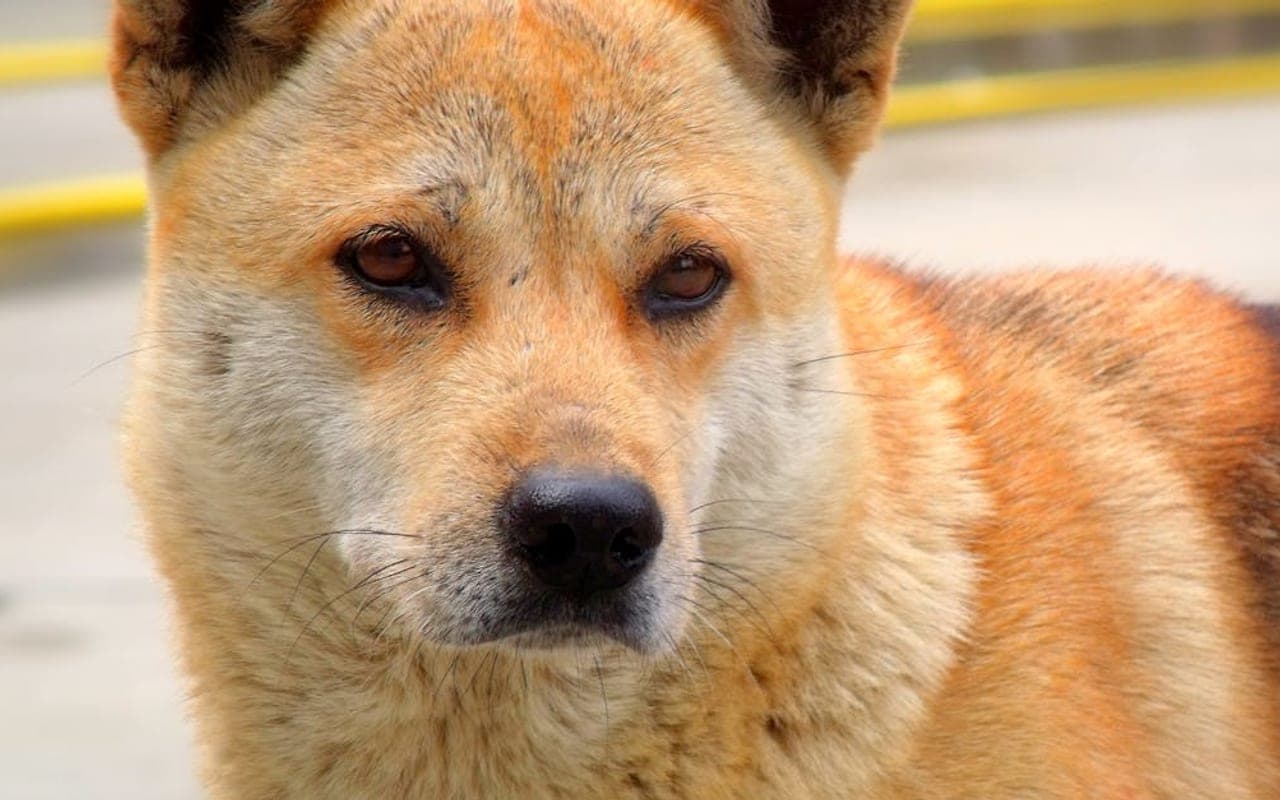
Jindo
Also in the Foundation Stock Service group, with different care and temperament tradeoffs.
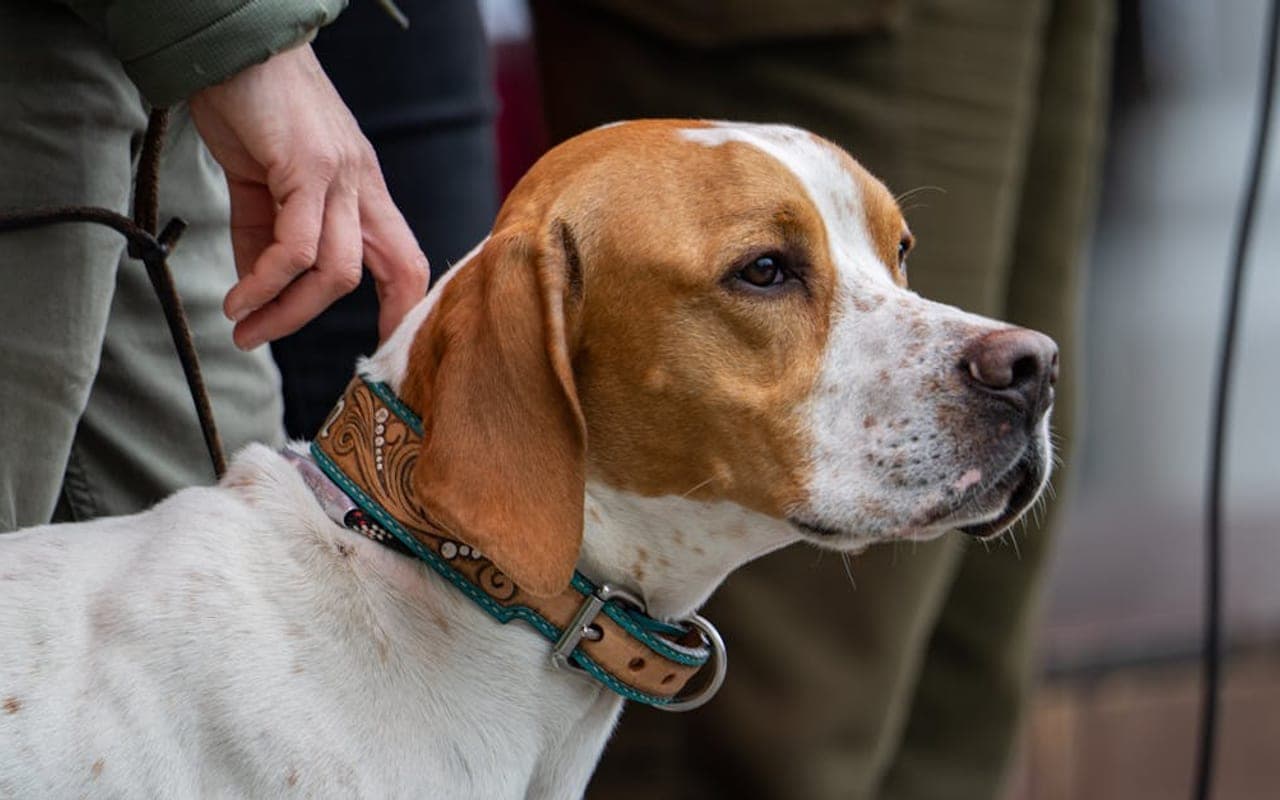
Portuguese Pointer
Also in the Foundation Stock Service group, with different care and temperament tradeoffs.
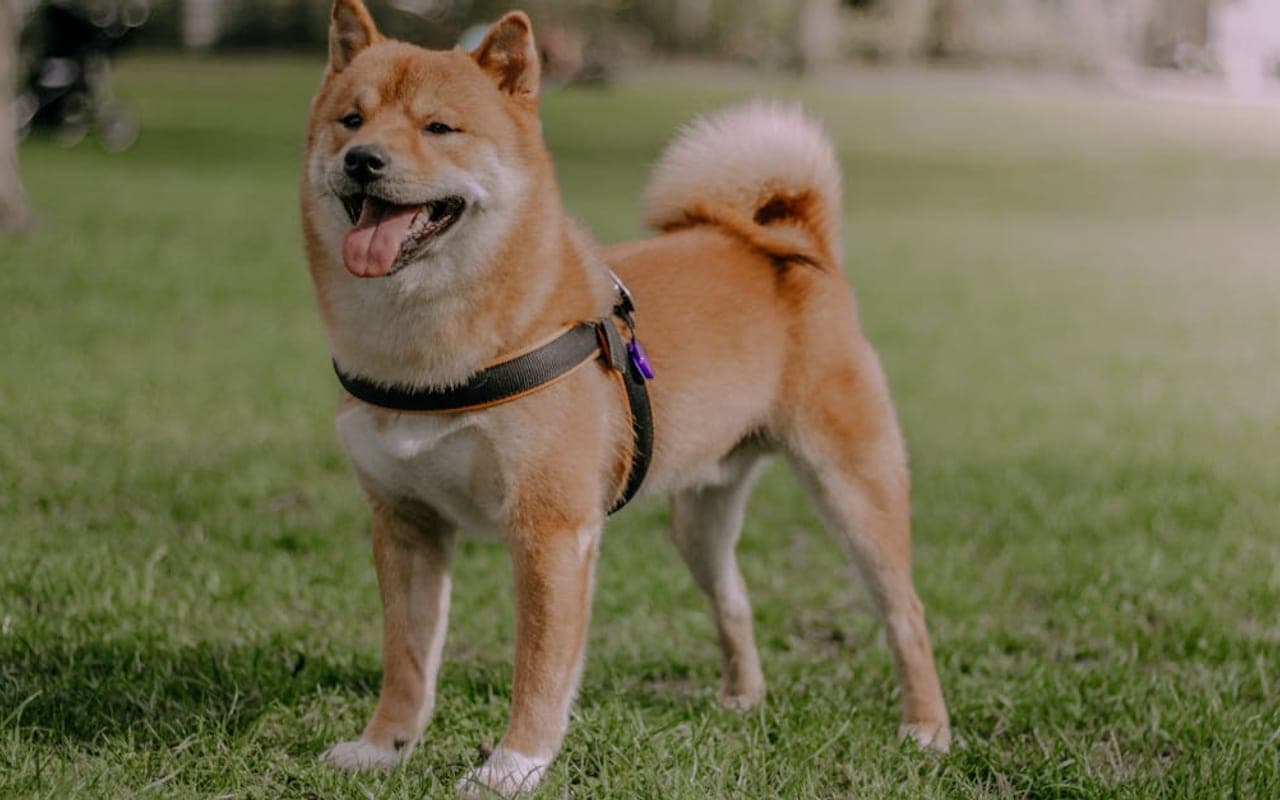
Kishu Ken
Also in the Foundation Stock Service group, with different care and temperament tradeoffs.
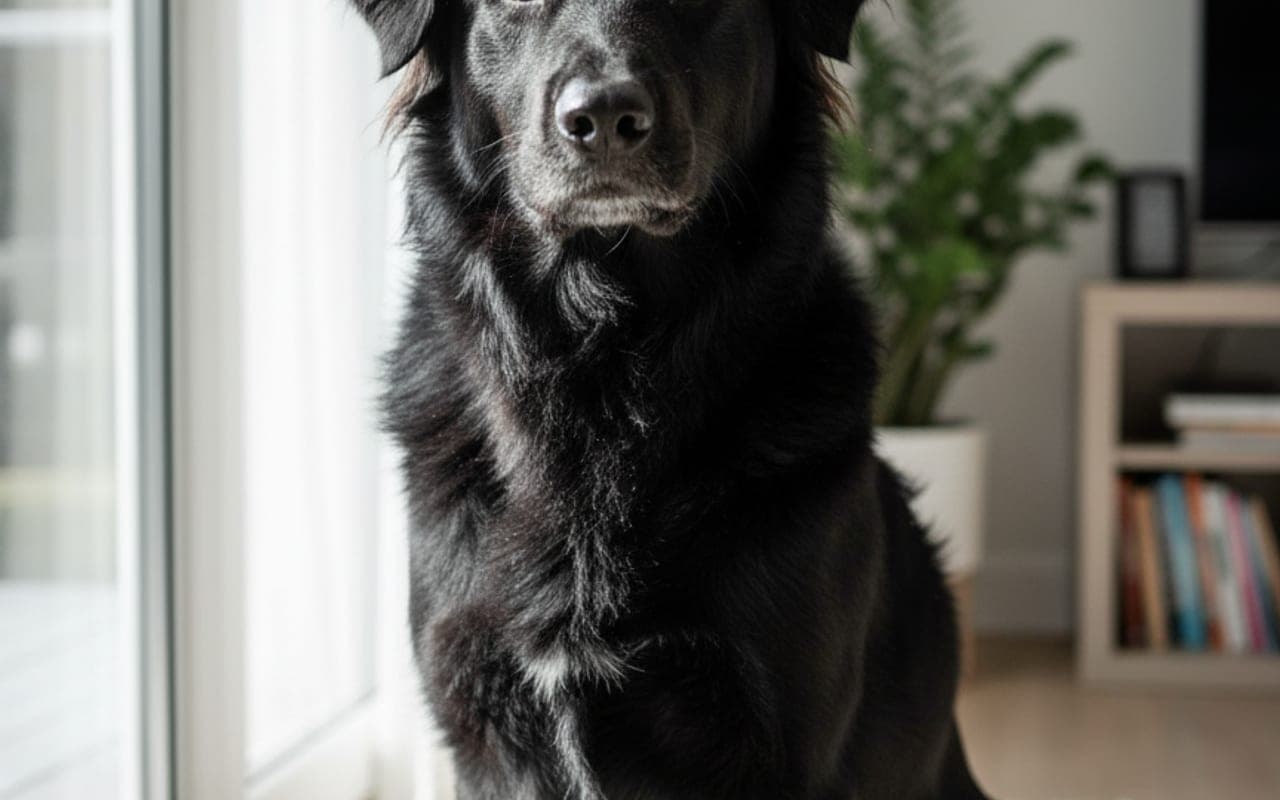
Romanian Carpathian Shepherd
Also in the Foundation Stock Service group, with different care and temperament tradeoffs.
Explore More About Jagdterrier
Dive deeper into everything Jagdterrier — costs, care, and expert insights.
Considering a cat instead?
Browse Cats