
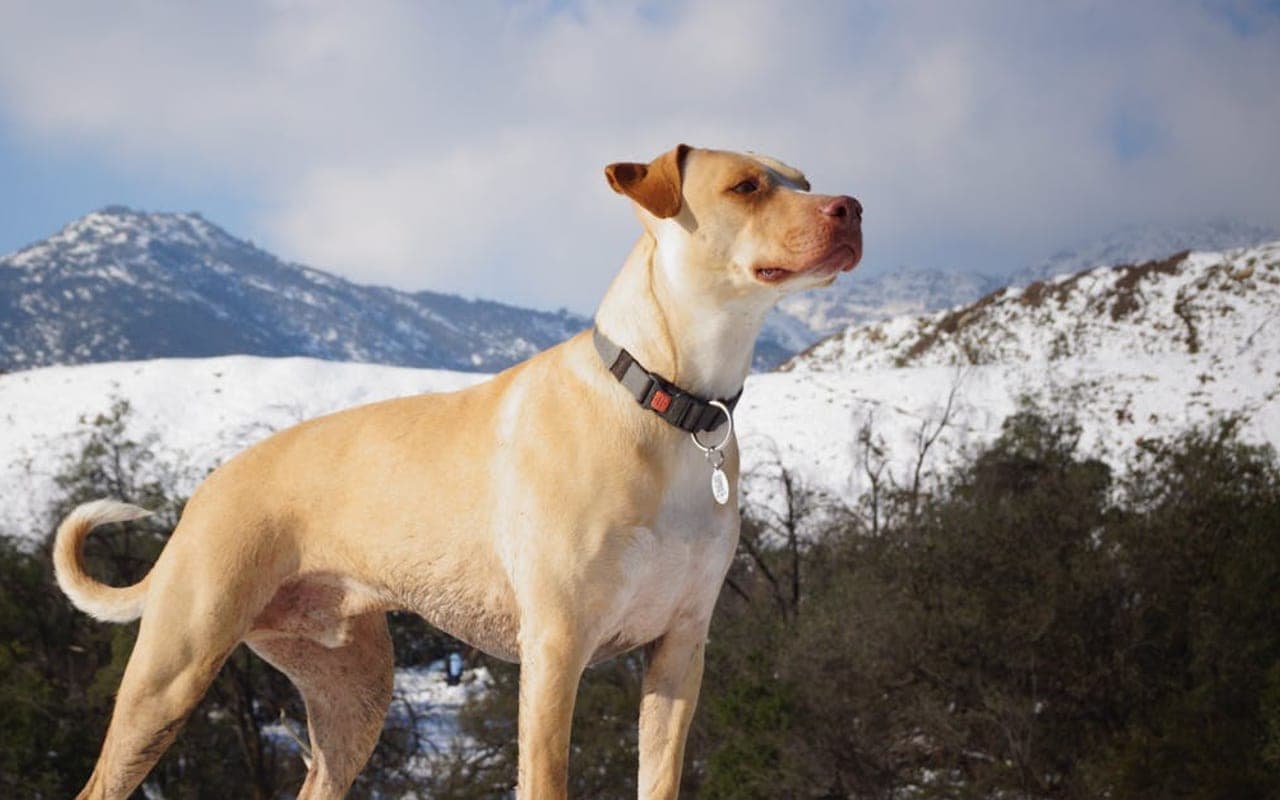
Mountain Cur Care Guide
The Mountain Cur is one of the hardiest dogs you can own, and that is exactly the fact that trips new owners up. This is a medium-sized American working landrace — usually 30 to 60 pounds and 16 to 26
In This Guide
Overview
The Mountain Cur is one of the hardiest dogs you can own, and that is exactly the fact that trips new owners up. This is a medium-sized American working landrace — usually 30 to 60 pounds and 16 to 26 inches at the shoulder (PetMD) — bred over generations in the southern hill country to tree squirrel and raccoon, bay bigger game, and work as an all-purpose farm dog. The body came before the pet. What you are taking on is a low-maintenance coat wrapped around a high-maintenance drive.
That drive is the honest catch. A Mountain Cur does not need much grooming and carries few documented breed-specific illnesses, so the day-to-day cost of this dog is not brushing or vet bills — it is exercise, a job, and secure containment for a scent-driven hunter that will follow a trail over a fence line if it is bored. Get those right and you have a healthy, biddable dog that regularly lives 10 to 13 years (PetMD). Get them wrong and a hardy body only gives you more energy to misdirect.
This guide covers care that is specific to living with the breed. It does not repeat the breed's origins or how to choose a puppy — those live on the Mountain Cur breed page; for care guides on other breeds, see the care guide library.
Daily Care
Daily life with a Mountain Cur is built around one question: has the dog worked today? Structure the day so the answer is yes — a morning outing with real exertion, mental work in the afternoon, and a calm settle in the evening. A tired working dog is an easy housemate; a fresh one is a project.
Two habits are non-negotiable for this breed specifically. First, train and proof a reliable recall, and until it is bombproof, keep the dog contained or leashed near wildlife — a scent hound that opens on a trail is following instinct, not disobeying you, and the fencing has to match a dog that will test it. Second, fold enrichment into the routine, not the weekend: rotate puzzle feeders and toys so old ones feel new (AKC), and use scent games that play to the breed's tracking wiring. Layer in a 60-second daily once-over — ears for odor or discharge, a quick look at teeth and gums, feet and nails, and a hand down the coat for ticks after time in cover. On a dog that spends its life in brush, that quiet daily check is how small problems get caught before they become vet visits.
Nutrition
Feed a Mountain Cur to its body condition and its workload, not to the number printed on the bag. The rib test is the one to learn: VCA's method is that a well-conditioned dog's ribs feel like the back of your hand — easy to feel under a thin cover — while ribs that feel like the fleshy base of your palm mean it is time to cut back. You should also see a waist from above.
Two breed-relevant adjustments follow. First, a genuinely working dog burns real calories on a hunting or hiking day and needs more fuel then than on a rest day, so ration to the week's activity rather than free-feeding a fixed scoop. Second, puppies deserve restraint, not generosity: Cornell warns that overfeeding and rapid growth worsen hip dysplasia in predisposed dogs, so measured meals beat a bottomless bowl. Keep treats — including training rewards for a food-motivated breed — to no more than 10% of daily calories (VCA), and count them, because a pocketful of jerky on a training day adds up faster than most owners believe.
Exercise
This is where the breed earns its keep or wrecks your house. The Mountain Cur was built to hunt hard over rough country, and PetMD is blunt that it needs regular exercise and mental stimulation and "do best in a home with an active, outdoorsy family." A short walk around the block does not touch it.
Plan for real daily output: a long, brisk walk or run, plus off-leash work in a genuinely secure area where a scent-driven dog can use its nose. Because the breed's original job was treeing and trailing squirrel and raccoon, scent games, nose work, and structured training satisfy it in a way that aimless yard time never will — the AKC ranks mental stimulation as important as physical exercise and specifically flags that high-drive breeds need far more of both than a low-energy dog.
The failure mode is concrete and predictable. An under-exercised working dog "will make their own fun," which the AKC translates to chewing, digging, tipping trash, and barking. With a Mountain Cur, add a serious prey drive to that boredom and you get a dog that self-deploys on wildlife and treats fencing as a suggestion. Give it a job — hunting, hiking, canine sports, or daily scent work — and the same drive becomes an asset instead of a liability.
Grooming
Grooming a Mountain Cur is close to the easiest part of ownership. The coat is short and dense, and PetMD's guidance is a single weekly brush to lift loose hair, with a bath only about once a month unless the dog rolls in something on the hunt. A rubber curry or short-bristle brush is all the kit you need.
Spend the time you save on the parts that actually fail on this breed. Dry the ears thoroughly after every bath, swim, or wet-weather outing, because trapped moisture is what turns a working dog's ears into an infection (Merck advises keeping the canals dry and avoiding water in the ears during bathing). Brush the teeth — daily is the standard VCA sets, and even a few times a week beats nothing. Keep the nails short so a dog that covers rough ground loads its feet correctly. On a Mountain Cur, ears, teeth, and nails are the whole job; the coat mostly looks after itself.
Health
Start with the truth that no competitor page will tell you: there is no breed-wide prevalence study for the Mountain Cur. It is a working landrace, not a heavily line-bred show breed, and the veterinary literature carries no population survey putting a percentage on any disorder in this specific dog. That absence of a published rate is genuinely reassuring — but it is not the same as "nothing to watch for," so this section covers the real risks a medium, active, drop-eared dog faces, ranked by how much your daily decisions move the outcome. Where a figure exists it belongs to the whole dog population, and it is labelled as such.
- Ear infections come first, because the ears are built for trouble. The Mountain Cur's drop ears trap moisture and debris, which PetMD names directly as a predisposition in the breed. At the class level, VCA lists dogs with "large, floppy, or hairy ears" as more prone to otitis externa, and the Merck Veterinary Manual notes the shape of the pinna or ear canal raises risk and that ears should be kept "dry and well ventilated." A working dog that swims, pushes through brush, or hunts in wet cover stacks that risk higher. Watch for head shaking, a bad odor, redness, or dark discharge (VCA), and check the ears weekly rather than waiting for the smell.
- Dental disease is the risk owners most reliably ignore. Over 80% of dogs over the age of three have active dental disease (VCA), and gingivitis is the only stage that is still reversible. Nothing about the Mountain Cur exempts it from that population figure. A tooth-brushing habit started young is the cheapest health insurance in this guide.
- Joint care matters more with age and workload. Hip dysplasia is listed as a concern for the breed by PetMD, though again with no breed-specific rate to attach to it. What is well established at the class level: Cornell's Riney Canine Health Center describes canine hip dysplasia as an inherited condition "modified by environmental influences, such as nutrition and growth rate," where overfeeding and rapid puppy growth worsen expression and controlled growth reduces it. For a hard-working adult, the practical levers are keeping weight off the joints and favoring low-impact conditioning over repetitive high-impact pounding.
- Obesity is the multiplier that makes all of the above worse. It is the most common preventable disease in dogs — 59% of dogs are overweight (VCA, citing the 2022 pet-obesity survey) — and moderate excess weight can shorten life expectancy by nearly two years and accelerate joint degeneration (VCA). On a dog bred to work, unspent energy plus a full bowl is the fast route there.
This is general information, not a diagnosis. Always consult your veterinarian for medical decisions about your dog.
Costs
Budget for a Mountain Cur as a medium, low-frills, high-mileage dog. Food and weight-dosed medications sit in the moderate middle for a 30-to-60-pound frame, and the sparse coat means no professional grooming bills — a genuine saving over the double-coated and clipped breeds.
Where the money should actually go is prevention, because this breed's risks are the manageable, boring kind. Plan for routine dental care and a home tooth-brushing kit, since dental disease is near-universal in adult dogs and expensive once it is advanced (VCA). Keep ear-cleaning and drying supplies on hand for a drop-eared dog that works in wet cover. Weigh food and count treats to hold a lean body condition, which is the cheapest defense against the joint disease and shortened lifespan that excess weight drives (VCA, Cornell). And decide on pet insurance or a dedicated savings buffer early — even a hardy breed meets barbed wire, foxtails, and the occasional wildlife encounter that comes with the job it was bred for. Spend on prevention now and you spend far less on treatment later.
Frequently Asked Questions
How much exercise does a Mountain Cur need?
The Mountain Cur was built to hunt hard over rough country, so a walk around the block will not touch it. Plan for real daily output: a long, brisk walk or run plus off-leash work in a genuinely secure area where a scent-driven dog can use its nose. Because its original job was treeing and trailing squirrel and raccoon, scent games, nose work, and structured training satisfy it far more than aimless yard time, and PetMD says it does best in a home with an active, outdoorsy family.
Are Mountain Curs easy to groom, and do they need much coat care?
Grooming is close to the easiest part of owning a Mountain Cur. The coat is short and dense, so PetMD's guidance is a single weekly brush with a rubber curry or short-bristle brush, plus a bath only about once a month unless the dog rolls in something on a hunt. The real work is the ears, teeth, and nails rather than the coat, which mostly looks after itself.
What health problems should Mountain Cur owners watch for?
There is no breed-wide prevalence study for the Mountain Cur, so risks are described at the population level for a medium, active, drop-eared dog. Ear infections come first because the drop ears trap moisture and debris, which PetMD names as a breed predisposition; watch for head shaking, bad odor, redness, or dark discharge. Dental disease and hip dysplasia are also concerns, and obesity acts as a multiplier that makes joint problems worse.
Why does a Mountain Cur need secure fencing and a reliable recall?
A Mountain Cur is a scent-driven hunter that will follow a trail over a fence line if it is bored, and it treats fencing as a suggestion once a serious prey drive meets boredom. Train and proof a reliable recall, and until it is bombproof keep the dog contained or leashed near wildlife, since a scent hound that opens on a trail is following instinct rather than disobeying. The fencing has to match a dog that will test it.
How should I feed a Mountain Cur to keep it at a healthy weight?
Feed a Mountain Cur to its body condition and workload, not the number on the bag. Use VCA's rib test, where a well-conditioned dog's ribs feel like the back of your hand and you can see a waist from above; a genuinely working dog needs more fuel on a hunting or hiking day than on a rest day. Keep treats to no more than 10% of daily calories, and give puppies measured meals since Cornell warns that overfeeding and rapid growth worsen hip dysplasia in predisposed dogs.
Sources
This guide draws on the following published references. Each opens in a new tab so you can check it against what you have read here.
American Kennel Club
American Kennel Club — *Bored Dogs: How to Recognize Doggy Boredom and Help* (a bored dog "will make their own fun" — chewing, digging, barking; high-energy breeds need far more stimulation; mental stimulation is as important as physical exercise; rotate puzzle toys, use training and scent games)(opens in a new tab)VCA Animal Hospitals
VCA Animal Hospitals — *Ear Infections in Dogs (Otitis Externa)* (large/floppy/hairy ears more prone; signs — head shaking, odor, redness, dark discharge)(opens in a new tab)Merck Veterinary Manual
Merck Veterinary Manual — *Ear Infections and Otitis Externa in Dogs* (pinna/ear-canal shape raises risk; keep ear canals dry and well ventilated; avoid water in the ears during bathing; drying agents for dogs that swim)(opens in a new tab)PetMD (veterinary
PetMD (veterinary-reviewed) — *Mountain Cur Dog Breed Health and Care* (height 16–26 in, weight 30–60 lb, life expectancy 10–13 years, short coat brushed weekly with roughly monthly baths, need for exercise and mental stimulation, hip dysplasia and floppy-ear infection predispositions)(opens in a new tab)Cornell University College of Veterinary Medicine, Riney Canine Health Center
Cornell University College of Veterinary Medicine, Riney Canine Health Center — *Canine Hip Dysplasia (CHD)* (inherited condition modified by nutrition and growth rate; overfeeding and rapid puppy growth worsen it while controlled growth reduces expression; maintain a healthy body weight; low-impact(opens in a new tab)VCA Animal Hospitals
VCA Animal Hospitals — *Obesity in Dogs* (59% of dogs overweight per the 2022 survey; moderate excess weight can shorten life expectancy by nearly two years and accelerate joint degeneration; rib/hand body-condition test; treats ≤10% of daily calories)(opens in a new tab)VCA Animal Hospitals
VCA Animal Hospitals — *Dental Disease in Dogs* (over 80% of dogs over age three have active dental disease; gingivitis is the only reversible stage; daily brushing is the primary prevention)(opens in a new tab)
Affiliate disclosure: We may earn a commission from qualifying purchases. This doesn't affect our recommendations.
Recommended Products
Mountain Cur Care Guide Book
Breed-focused reading and owner references for Mountain Cur care, training, grooming, and health planning.
Mountain Cur Food and Supplies
Helpful supplies for mountain cur dog supplies routines at home.
Mountain Cur Grooming Tools
Helpful supplies for mountain cur grooming tools routines at home.
Get personalized pet care tips
Join our newsletter for breed-specific advice, care guides, and expert tips delivered weekly.
No spam, ever. Unsubscribe anytime.