
Foundation Stock Service group
Mountain Cur
The Mountain Cur is a working landrace, not a manufactured breed, and that single fact explains almost everything an owner needs to decide.
Size
31-60 lb
Lifespan
10-13 years
Exercise
20-40 minutes
Shedding
Moderate
Experience
Match to owner routine
Decision first
Is a Mountain Cur right for you?
Start with fit before history or trivia. These are ownership signals, not guarantees about any individual dog.
Best suited for
- Households with children.
- Homes with other compatible pets.
- Apartment homes with a consistent routine.
- Owners seeking a manageable daily exercise routine.
Think carefully if
- You need a dog with almost no daily routine.
- You cannot keep up with grooming and preventive care.
- The dog will spend most days alone without support.
Conditional fit
Apartment fit depends on exercise, enrichment, noise management, and outdoor access.
Daily reality
Mountain Cur commitment snapshot
Daily exercise
20-40 minutes
Match activity to age, health, weather, and training goals.
Coat care
Moderate
Grooming needs vary by coat, shedding, and lifestyle.
Time alone
Needs planning
Most dogs need gradual alone-time conditioning and support.
Structured facts
Mountain Cur at a glance
The measurements and traits that most affect day-to-day life with this breed.
Group
Foundation Stock Service
Weight
31-60 lb
Height
16-26 in
Lifespan
10-13 years
Temperament
Intelligent | Strong-Willed | Reserved with Strangers
View all characteristics and methodology
Lifestyle fit
- Apartment suitability
- Likely fit
- Child friendliness
- Often good, with socialisation and supervision
- Other-pet fit
- Often compatible with careful introductions
Owner commitment
- Exercise
- 20-40 minutes
- Grooming
- Moderate
- Shedding
- Moderate
- Training
- Moderate
Environment and health
- Health risk
- Needs planning
Ratings combine structured breed data, visible breed fields, and editorial context. They are planning aids, not predictions for an individual dog.
Daily life
Mountain Cur temperament and behavior
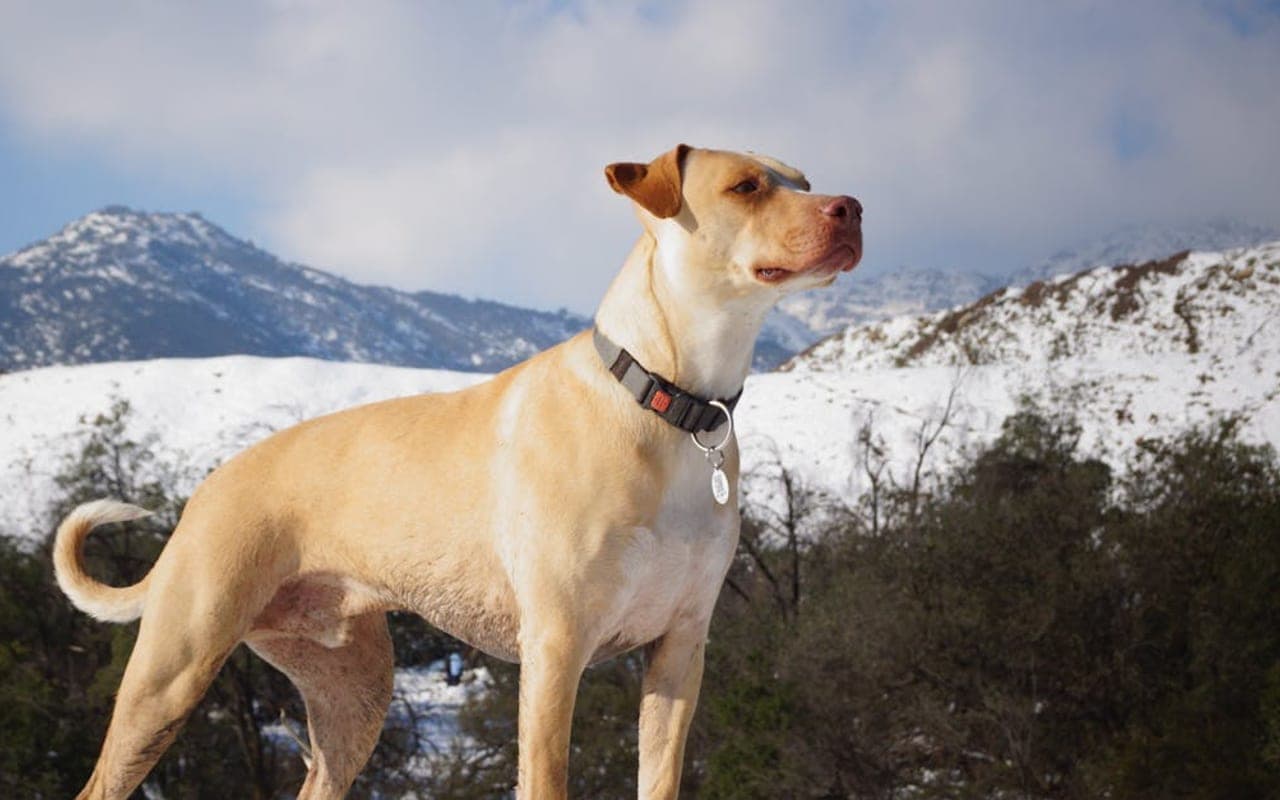
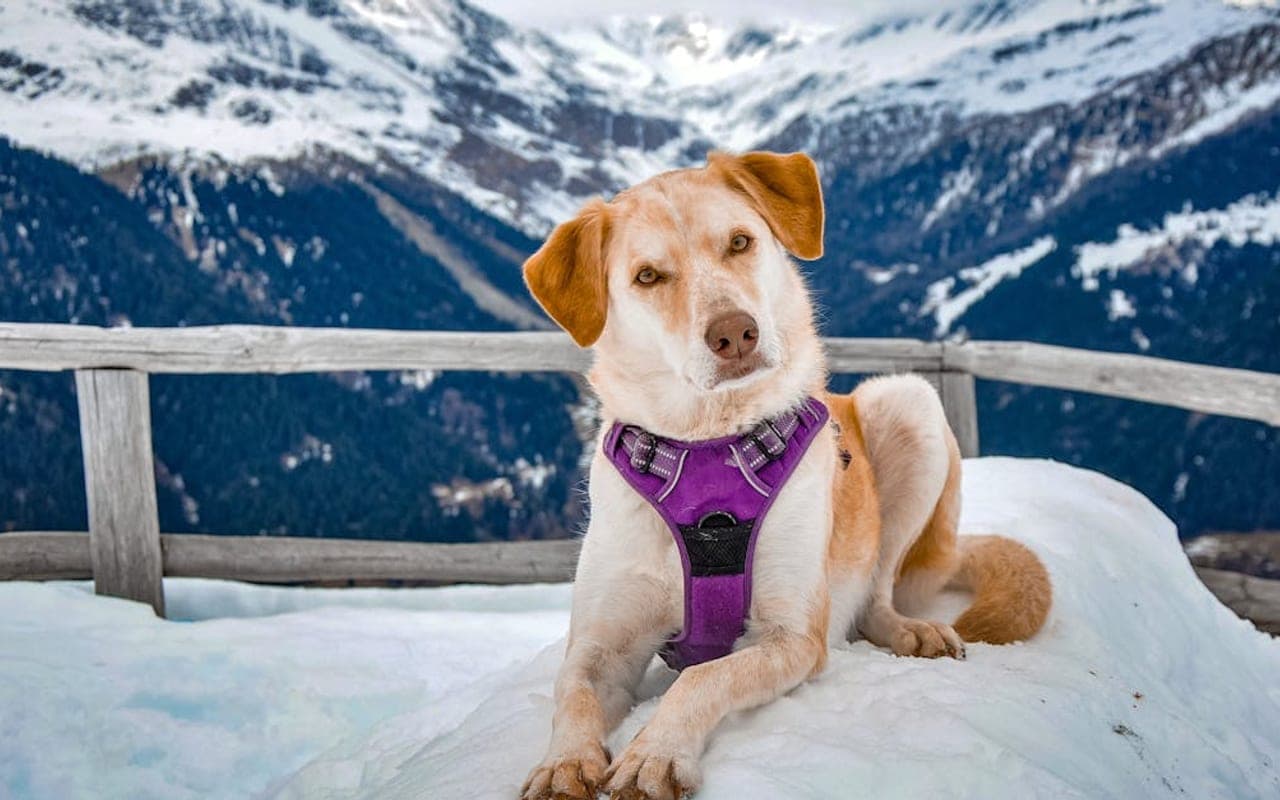
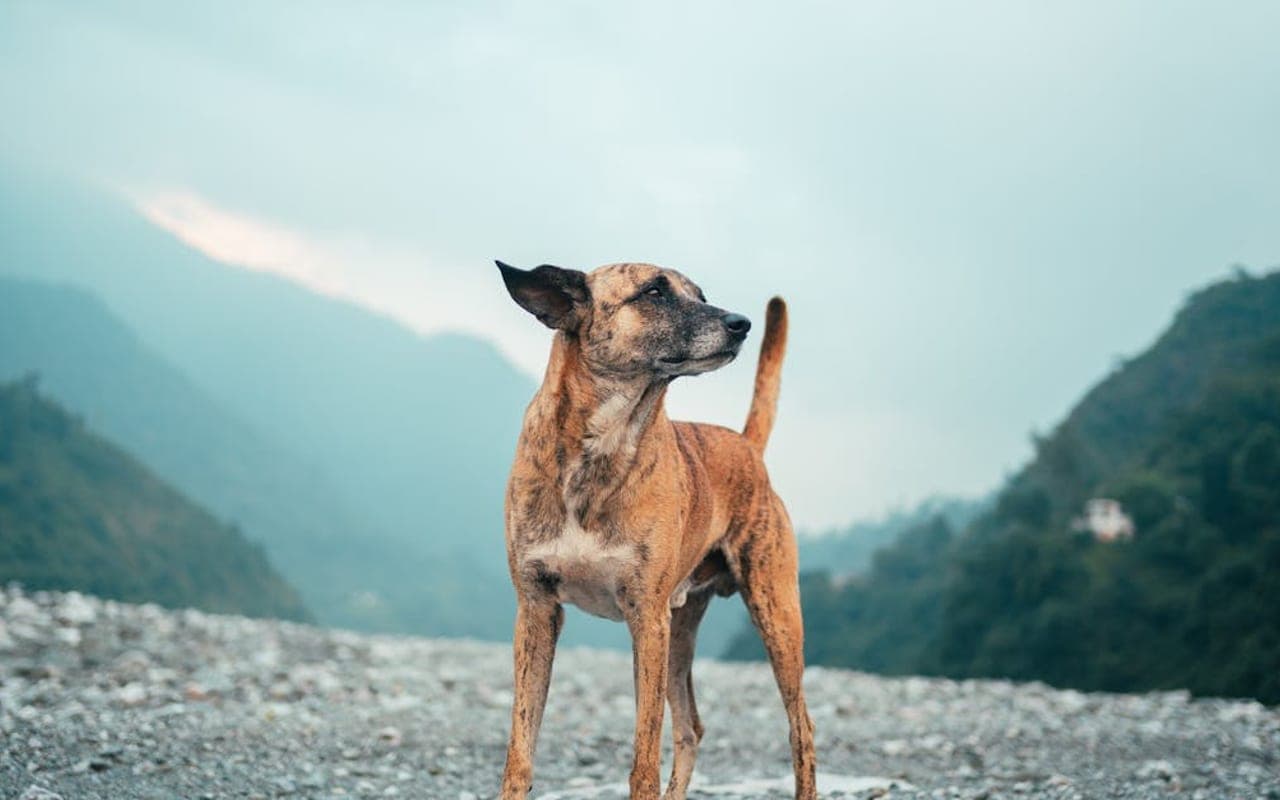
The Mountain Cur is a working landrace, not a manufactured breed, and that single fact explains almost everything an owner needs to decide. It was bred by Appalachian and Ohio Valley pioneers for one purpose: a tough, all-around farm and hunting dog that could tree squirrel and raccoon, bay big game, guard the homestead, and survive frontier conditions on little. Function selected this dog, not a show ring — which is why it is unusually sound, but also why it carries a high-octane working drive that does not belong in every home. This is a medium-sized, athletic dog, typically 30-60 lb, with a short hard coat (brindle, brindle-and-white, yellow, black, or blue), often with a natural bobtail or a docked tail. The Mountain Cur is one of the higher-drive dogs you can own, built to run hard country with its head up all day. A 10-13 year lifespan is realistic, with well-kept individuals reaching the mid-teens. Temperament is honest and uncomplicated. The Mountain Cur is intelligent, intensely loyal to its people, courageous to the point of fearlessness, and naturally reserved-to-suspicious with strangers — a real watchdog, not an alarmist. It bonds tightly to one family, is trainable for those it respects, and has strong treeing and prey drive that will absolutely pursue cats, poultry, and wildlife unless managed. Who the Mountain Cur is right for: an active rural or hunting home, or an experienced owner who will deliver 60-90 minutes of real daily work, a securely fenced area, and a job. Who it is wrong for: apartment dwellers, first-time owners wanting a placid pet, homes with free-roaming cats or small pets, and anyone unwilling to manage a high prey drive. This is a frontier working dog with a frontier work ethic — match the home to the dog, not the other way around.
Intelligent | Strong-Willed | Reserved with Strangers
Intelligent
A common Mountain Cur temperament descriptor that should be interpreted alongside training, exercise, and household fit.
Strong-Willed
A common Mountain Cur temperament descriptor that should be interpreted alongside training, exercise, and household fit.
Reserved with Strangers
A common Mountain Cur temperament descriptor that should be interpreted alongside training, exercise, and household fit.
Owner note
Temperament labels are starting points, not guarantees. Meet the individual dog and ask about behavior history whenever possible.
Care essentials
How to care for a Mountain Cur
What looking after one actually involves: exercise, grooming, food, training, and routine health.
ExerciseAs needed
- Lower-energy breed content with daily walks.
GroomingAs needed
- Brush 2-3 times per week.
TrainingAs needed
- Consistent, patient training works best.
NutritionAs needed
- Feed high-quality dog food appropriate for age, size, and activity level.
Veterinary CareAs needed
- Annual wellness exams, vaccinations, dental care, and parasite prevention.
Health planning
Mountain Cur health risks and screening
Every breed has individual health variation. Use this profile for planning and discuss medical decisions with a veterinarian.
Responsible ownership
Finding a Mountain Cur responsibly
What to ask a breeder or rescue is the same conversation for every breed, so we keep it in one place and keep it current.
Health documentation, meeting the parents or foster, contracts and return support, and the warning signs worth walking away from.
Original purpose
Mountain Cur history
History is useful when it explains today's behavior, coat, exercise needs, and training style.
Read the breed history
The Mountain Cur descends from the dogs European settlers brought into the southern Appalachian Mountains, the Ohio and Tennessee valleys, and the Cumberland region, where pioneers, homesteaders, and herders bred them strictly for utility. There was no breed standard for most of the dog's existence — only ruthless selection for the dogs that could tree game for the stewpot, hunt fur for trade, drive and guard livestock, and protect an isolated family. As Wikipedia and breed historians record, these dogs were a crucial part of frontier survival; settlers who moved into wilderness could not have lived as they did without a versatile cur at the cabin. The breed nearly disappeared after World War II when rural depopulation and mechanized farming collapsed the working-dog economy. It was preserved by a small group of dedicated breeders — most notably the founders of the Original Mountain Cur Breeders Association in 1957 — who deliberately maintained the breed as a working hunting and farm dog rather than a companion type. The United Kennel Club recognized the Mountain Cur in 1998, and the AKC records it in the Foundation Stock Service. For an owner, that history is the operating manual: this is a still-functional working dog that was never softened into a pet line. The drive, the independence, the prey instinct, and the hardiness are not bugs — they are the breed, and they come in the door with the dog.
Gallery
Mountain Cur photos
Images are cropped consistently and loaded progressively to keep the page responsive.
Lower-page context
Mountain Curs in culture
Where the breed shows up in film, sport, work and folklore — the enjoyable part, once the practical questions are answered.
Fun facts
- The Mountain Cur belongs to the Foundation Stock Service.
- The average lifespan of a Mountain Cur is 10 to 13 years.
- Mountain Cur dogs are valued for their intelligent, strong-willed, reserved with strangers nature.
Mountain Cur FAQs
How long do Mountain Cur dogs live?
A Mountain Cur typically lives 10-13 years, and well-kept working individuals not uncommonly reach 14-16. Because the breed was preserved as a function-selected landrace rather than bred for looks, it is genetically sounder than many pedigree breeds and is not tied to a single life-limiting hereditary disease. Lifespan here is driven by injury prevention, lean weight, and managing the ear and skin issues the breed is prone to — a fit, well-maintained Mountain Cur is a long-lived dog for its size.
Are Mountain Cur dogs good with children?
Yes, with their own family — Mountain Curs are loyal, protective, and tolerant of children they are raised with, and many are devoted family dogs. The honest caveats: this is a high-energy, strong dog that can knock over small children in play, and its natural wariness of strangers means visiting kids should be introduced carefully. Its strong prey drive is also a reason never to leave it unsupervised with very small children and small pets together. Socialize early and supervise.
How much exercise does a Mountain Cur need?
A lot — plan 60-90 minutes of real physical and mental work every day. This is a stamina-bred hunting dog built to run hard terrain all day, and the prep file's low energy rating is simply wrong. Hiking, running, hunting, tracking, and scent work satisfy it; a short walk and a yard do not. An under-exercised Mountain Cur escapes, destroys, and barks. If your routine cannot reliably deliver an hour-plus of hard exercise, this breed will be unhappy and so will you.
Are Mountain Cur dogs easy to train?
They are intelligent and genuinely trainable for a handler they respect, but they are also independent and strong-willed — bred to make hunting decisions alone, not to wait for cues. They respond well to early, consistent, reward-based training and a clear job, and poorly to repetition without purpose or to harsh handling. Recall is the hard part: prey drive overrides training around wildlife, so reliable off-leash control should not be assumed. Best for experienced or committed owners, not first-timers wanting an easy dog.
How much grooming does a Mountain Cur need?
Minimal — the short, hard coat needs only a weekly brush and an occasional bath, with light seasonal shedding. The grooming that actually matters is not the coat but the ears: the breed has a documented predisposition to ear problems and ear-related hearing loss because the drop ears trap moisture and debris, especially after water work. A weekly ear check, clean, and dry is the maintenance that prevents a free chore from becoming a recurring vet expense.
Is a Mountain Cur good with cats and small pets?
Cautiously, and only with management. The Mountain Cur was bred to tree and pursue game, so its prey drive toward cats, poultry, rabbits, and other small animals is strong and genetic — not a training failure. A Cur raised with a specific cat from puppyhood can coexist with that cat, but it should not be trusted off-supervision with small pets generally, and free-roaming poultry or rabbits are usually incompatible. Treat prey drive as a permanent management task, not something obedience erases.
Sources
These are the published sources this page draws on. Each opens in a new tab so you can check it yourself.
American Kennel Club
Mountain Cur — breed standard and profile(opens in a new tab)Supports: Breed standard and recognition details.
Similar breeds to consider
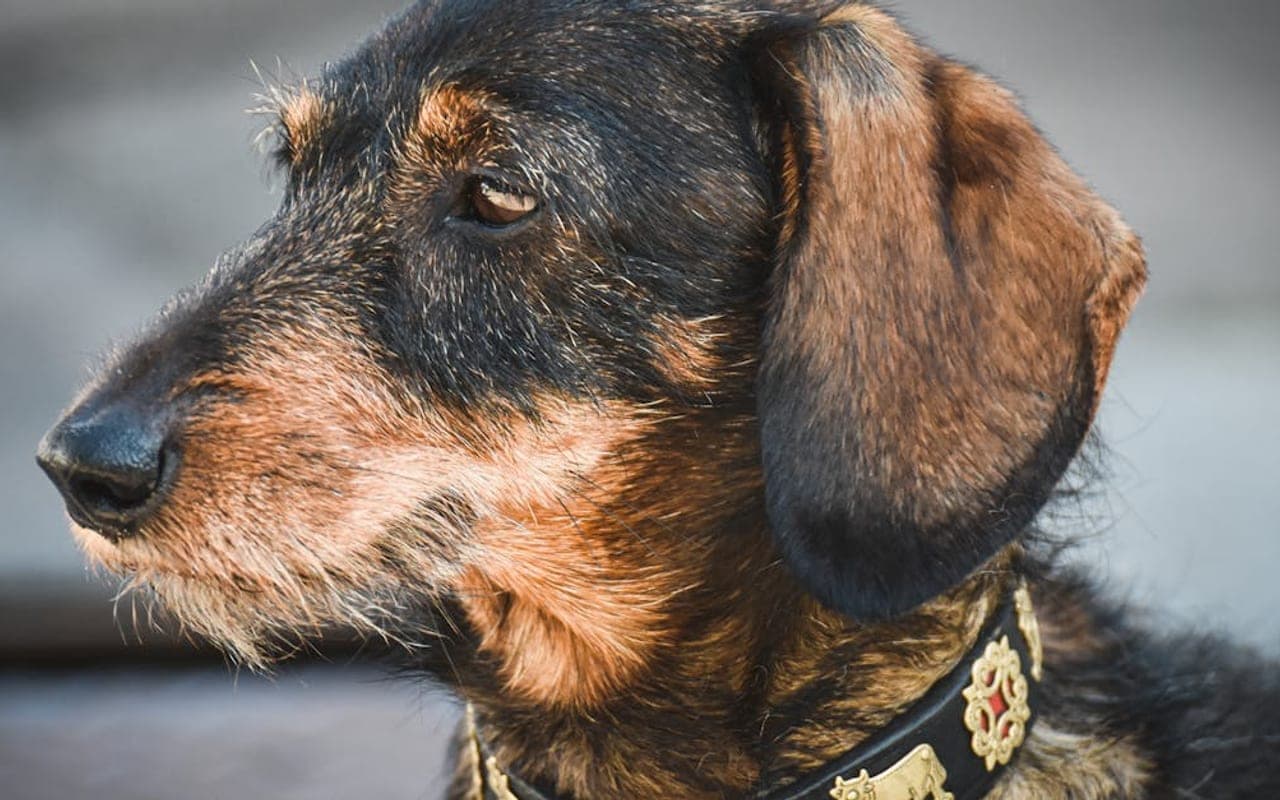
Jagdterrier
Also in the Foundation Stock Service group, with different care and temperament tradeoffs.
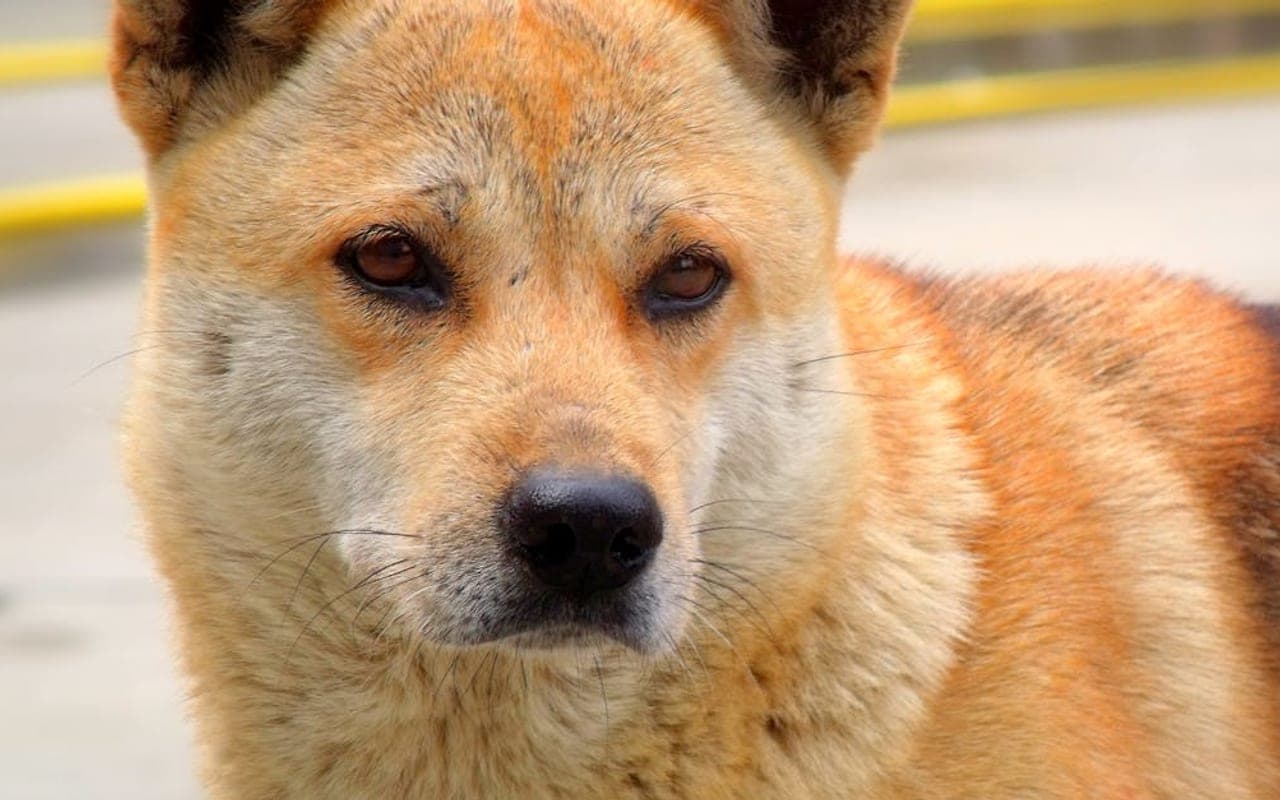
Jindo
Also in the Foundation Stock Service group, with different care and temperament tradeoffs.
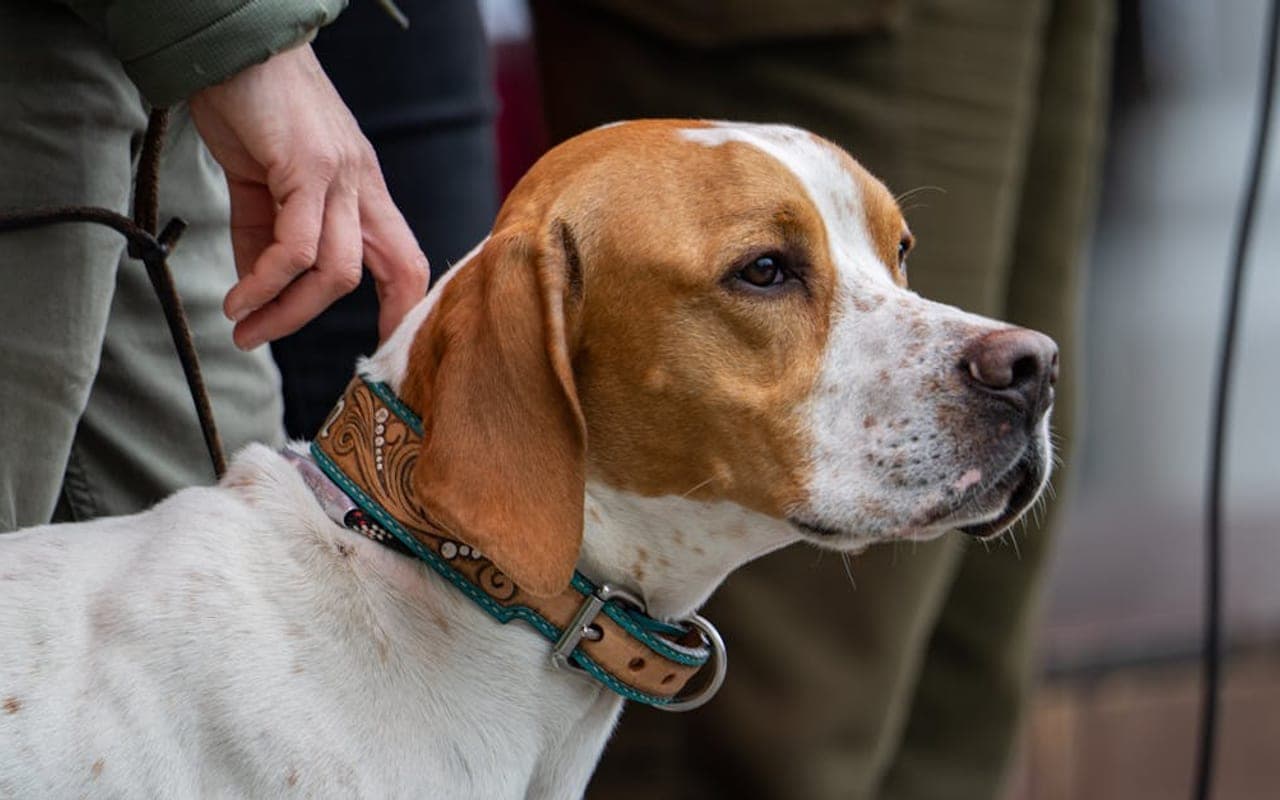
Portuguese Pointer
Also in the Foundation Stock Service group, with different care and temperament tradeoffs.
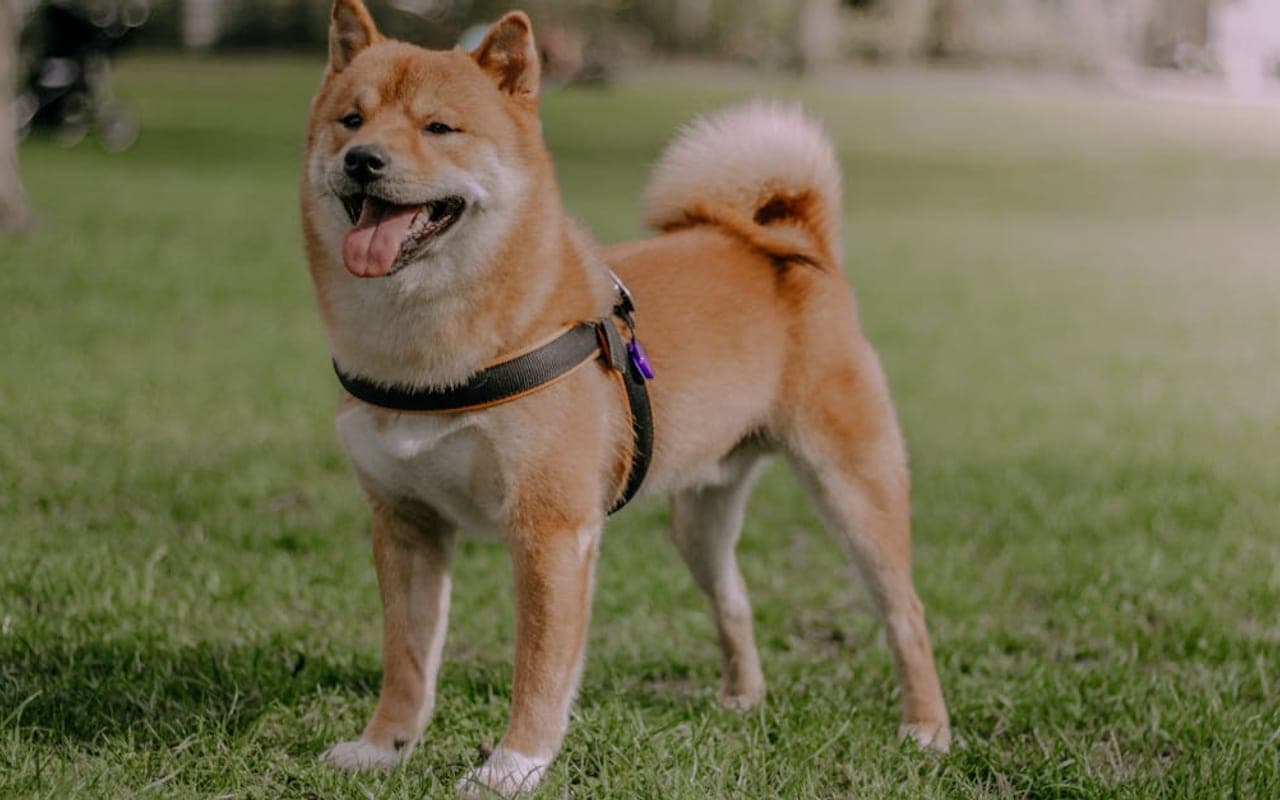
Kishu Ken
Also in the Foundation Stock Service group, with different care and temperament tradeoffs.
Explore More About Mountain Cur
Dive deeper into everything Mountain Cur — costs, care, and expert insights.
Considering a cat instead?
Browse Cats