
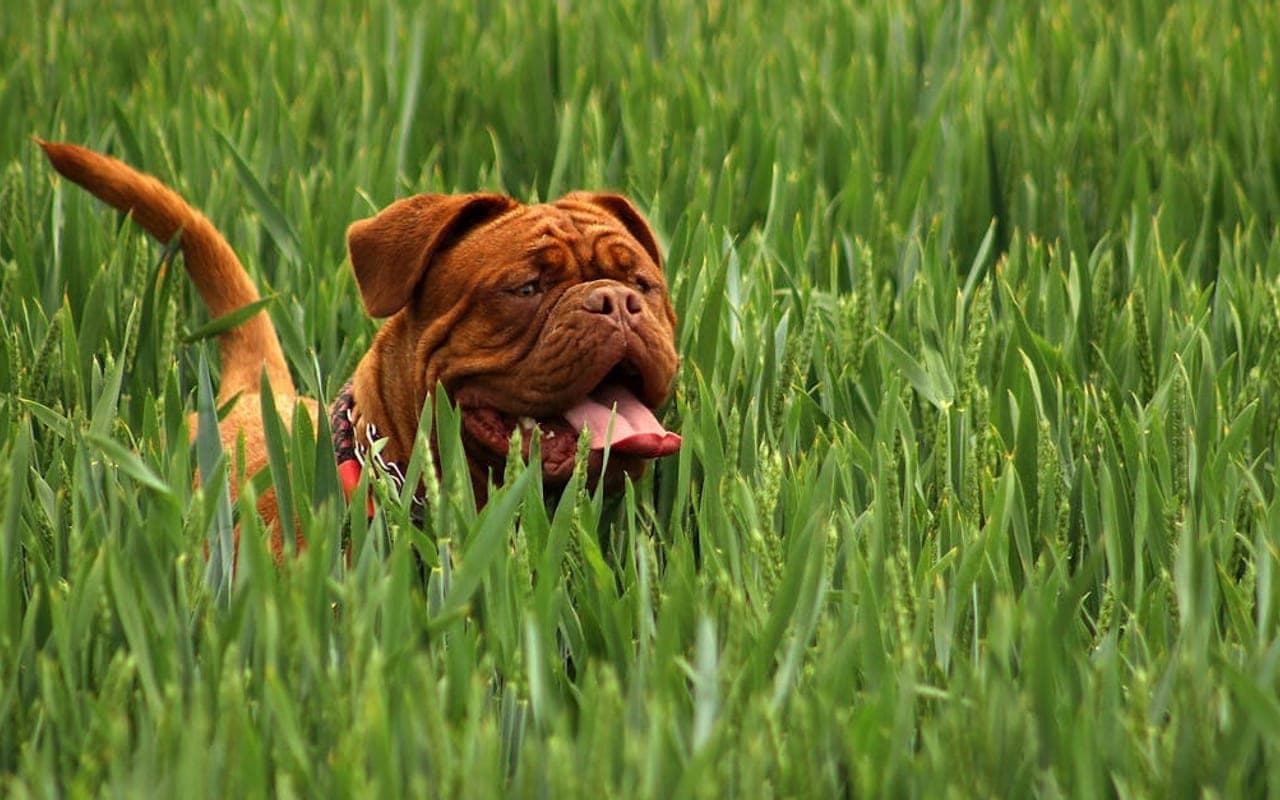
Neapolitan Mastiff Care Guide
A Roman-era guardian in a wrinkled coat The Neapolitan Mastiff — the Mastino Napoletano of southern Italy — is a heavy-boned working guardian, not a scaled-up companion breed. The official breed stand
Reading Time
📖 9 min read
Guide Type
🐾 Breed-Specific
Last Updated
📅 Sep 10, 2026
Breed
🐶 Neapolitan MastiffIn This Guide
Overview
A Roman-era guardian in a wrinkled coat
The Neapolitan Mastiff — the Mastino Napoletano of southern Italy — is a heavy-boned working guardian, not a scaled-up companion breed. The official breed standard describes an ancient breed rediscovered in Italy in the 1940s and bred as a guard and defender of owner and property (American Kennel Club).
Size you have to plan around
The standard sets height at 26 to 31 inches for dogs and 24 to 29 inches for bitches, with average mature weight near 150 pounds for dogs and 110 pounds for bitches — and states that greater weight is usual and preferable so long as correct proportion and function are kept (American Kennel Club). Treat that as a floor rather than a ceiling, because medication doses, vet bills, car access and floor grip all scale with it.
The head, the folds and the dewlap
The Mastino is defined by skin. The standard calls for loose skin over the entire body, abundant hanging wrinkles and folds on the head, and a voluminous dewlap; the required folds run from the outer margin of the eyelids down to that dewlap, and an absent dewlap is a disqualification (American Kennel Club). The coat is short, dense and no longer than an inch, in solid gray (blue), black, mahogany or tawny with lighter and darker shades, and some brindling allowed (American Kennel Club). Those folds are the breed's signature — and the source of most of its daily care load and several of its documented health risks.
Steady, watchful, undemonstrative
The AKC characterises the profusely wrinkled Mastino as wary with strangers but sweet, placid and steady among loved ones (American Kennel Club). This is a dog that watches rather than performs. The standard calls its movement rolling and lumbering, not elegant or showy — an honest signal that stamina was never the point. Expect quiet loyalty and a guardian's default suspicion of unfamiliar people, managed through early structured socialisation rather than trained away.
Exercise
A modest exerciser, deliberately
The breed standard calls the Mastino's movement rolling and lumbering, not elegant or showy (American Kennel Club). PetMD describes Neapolitan Mastiffs as homebodies that prefer lounging indoors and need the occasional walk rather than a demanding routine. Two unhurried walks a day plus a food puzzle or short training session usually covers an adult, because the breed tires physically long before it tires mentally.
Protect the joints while they grow
Hip dysplasia is listed among the breed's major concerns and elbow dysplasia is seen more often than in most breeds (VCA Animal Hospitals). Keep a puppy's exercise controlled — free play at its own pace, and no forced distance running, repetitive stairs or jumping down from height while a fast-growing skeleton carries that frame. The Orthopedic Foundation for Animals treats hip screening between four and twenty-three months as preliminary only — a young giant-breed dog's joints are still an open question. Keep an adult lean, because extra weight on a dog already expected to exceed 150 pounds is load these joints do not need.
Heat, and knowing when to stop
Walk in the cool hours. VCA Animal Hospitals notes the Neo cannot tolerate hot weather well, so treat hot or humid weather as a reason to shorten the walk, not push through it. Panting that does not settle at rest, reluctance to move on, unsteadiness or bright-red gums mean the session ended minutes ago: get the dog into shade, offer water and call your vet, because heat problems escalate fast in a large dog. Tiring unusually fast, coughing or weakness on ordinary walks warrants a veterinary check — PetMD lists coughing, weakness and appetite loss among the signs of dilated cardiomyopathy in this breed.
Grooming
The coat is the easy half
A Mastino's coat is short, dense and under an inch long (American Kennel Club), so brushing is undemanding — a rubber curry a few times a week is enough. PetMD, relaying the United States Neapolitan Mastiff Club, suggests a bath once or twice a month and a gentle technique, because the skin underneath is sensitive and brushing too harshly can damage it. That is the whole coat job, and it is not the whole grooming job.
Wrinkles: clean, then dry
Moisture and trapped debris inside a deep fold create the conditions for infection, so the face, eye folds and dewlap need wiping on a routine. PetMD says owners must regularly wipe the dog's face and between the skin folds with a cloth, and PDSA recommends daily cleaning of skin folds in this breed.
The fold routine - Wipe each fold with a soft damp cloth, working from the eye margin down toward the dewlap so debris moves out rather than deeper in. - Follow immediately with a dry cloth. Drying is the step people skip, and the one that matters, because a fold left damp stays warm and closed all day. - Redness, a greasy film, a sour smell or face-rubbing are reasons to call your vet, not to scrub harder. - Use plain water or a product your vet has named, since scented human wipes can inflame compromised skin.
Drool, ears and nails
Heavy lips and a voluminous dewlap mean drool travels, so wipe the lip corners and dewlap when you do the folds — saliva trapped in skin does what water does. Check ears weekly: PetMD lists ear infections alongside skin-fold irritation among this breed's allergy-related problems, so a smelly ear needs a vet's opinion, not a cotton bud. Keep nails short on a fixed schedule, because an overlong nail changes how a very heavy dog loads its toes. Any fold, ear or nail-bed problem still present after a couple of days is a veterinary matter.
Health
A short life, stated honestly
Owners deserve this figure first. PetMD gives the Neapolitan Mastiff seven to nine years, much shorter than the average dog's. VCA Animal Hospitals puts it at eight to nine years, and PDSA says under ten. Three independent references converge: even among giant breeds, the Mastino is short-lived. Care cannot change that; it changes how much of that time is comfortable.
What follows is a list of risks documented for the breed, not a diagnosis for your dog: every sign below is a reason to call your vet.
Eyes: the breed's clearest signature
The standard requires folds running from the outer margin of the eyelids to the dewlap (American Kennel Club), so that skin sits on the eyelids. PDSA explains that excessive skin over the face and eyes makes the lids droop, producing entropion, where the lid rolls inward and lashes or haired skin rub the eye's surface, and ectropion, where the lid sags outward and leaves the eye exposed. Both can damage the cornea over time, and both are managed by a veterinary surgeon.
Cherry eye is the third. VCA Animal Hospitals reports Neapolitan Mastiffs get it at a higher rate than most other breeds; PDSA describes eversion of the nictitating membrane, or third eyelid, usually in younger dogs and correctable by surgery, and PetMD notes it can obstruct vision. It needs a vet promptly, because that gland produces part of the tear film and is exposed while prolapsed. Squinting, a held-shut eye, changed discharge or face-pawing justify a same-day call.
Skin folds: dermatitis and demodicosis
Skin-fold dermatitis is what happens when the daily routine slips. PDSA lists it as a breed problem and recommends cleaning the folds daily; PetMD lists allergies with skin-fold irritation and ear infections among the breed's conditions too. A warm, closed, damp fold suits bacteria and yeast, which is why drying matters as much as cleaning.
VCA Animal Hospitals separately names demodicosis, or demodectic mange, a major concern. Demodex mites live on normal dog skin; disease follows when the immune system stops holding them in check, so generalised demodicosis in an adult is a reason to look for an underlying cause. Diagnosis needs skin sampling by a vet — patchy hair loss, scaly skin, or a smell returning within a day of cleaning are the signs to act on.
Joints: hip and elbow dysplasia
VCA Animal Hospitals lists hip dysplasia among the breed's major concerns and notes elbow dysplasia is seen more often here too; PetMD lists both. The Orthopedic Foundation for Animals grades hips Excellent, Good or Fair within normal limits, then Borderline, Mild, Moderate or Severe, and treats evaluations between four and twenty-three months as preliminary only — so a breeder's word that a young dog's hips look clear is not a certification. Stiffness after rest, a bunny-hopping gait or reluctance on stairs deserve early assessment, because weight control and pain management do more before secondary arthritis sets in than after.
Bloat and the heart
Gastric dilatation and volvulus is the emergency to rehearse. PDSA describes the stomach filling with gas and twisting on itself and says it needs urgent veterinary attention; PetMD calls GDV life-threatening. Described signs include unproductive retching, a swollen or tight abdomen, restlessness, heavy drooling and collapse. There is no home remedy and no waiting period: call your emergency vet and go.
Dilated cardiomyopathy is the slower one. VCA Animal Hospitals lists cardiomyopathy as a serious heart problem in the breed, and PetMD describes irregular heartbeat, coughing, weakness, appetite loss and sudden death among its presentations. PDSA lists it too, alongside wobbler syndrome, hypothyroidism, epilepsy and bone cancers, so a Mastino losing stamina needs a full workup, not one assumption.
Screening is how careful breeders act on this: ask for hips, elbows, a cardiac exam and an eye exam in writing (United States Neapolitan Mastiff Club), and have your own vet read them with you.
Frequently Asked Questions
How long do Neapolitan Mastiffs live?
PetMD gives seven to nine years, VCA Animal Hospitals eight to nine, and PDSA under ten. Plan for earlier senior monitoring than a mid-sized breed needs.
Why do Neapolitan Mastiffs get so many eye problems?
The standard requires heavy folds running from the eyelid margins to the dewlap (American Kennel Club), and PDSA explains that this excess skin makes the lids droop, producing entropion and ectropion. VCA Animal Hospitals reports cherry eye at a higher rate than most breeds.
How often do the wrinkles need cleaning?
PDSA recommends cleaning the skin folds daily and PetMD says owners must regularly wipe the face and between the folds. Clean with a soft damp cloth, then dry each fold, because a fold left damp stays warm and closed — and that is what lets skin-fold dermatitis take hold.
What health tests should a Neapolitan Mastiff breeder have done?
The United States Neapolitan Mastiff Club recommends hips by OFA or PennHIP, elbows by OFA, a cardiac exam by a board-certified cardiologist including an echocardiogram, and an eye exam by a boarded ACVO ophthalmologist with results registered with OFA.
Sources
This guide draws on the following published references. Each opens in a new tab so you can check it against what you have read here.
American Kennel Club
Official Standard of the Neapolitan Mastiff(opens in a new tab)American Kennel Club
Neapolitan Mastiff Dog Breed Information(opens in a new tab)United States Neapolitan Mastiff Club
Testing and Reporting Guidelines Approved by the United States Neapolitan Mastiff Club Board of Directors(opens in a new tab)VCA Animal Hospitals
Neapolitan Mastiff(opens in a new tab)PetMD
Neapolitan Mastiff(opens in a new tab)PDSA
Neapolitan Mastiff(opens in a new tab)Orthopedic Foundation for Animals
OFA Hip Grades — seven-grade scale and normal limits(opens in a new tab)Orthopedic Foundation for Animals
OFA Preliminary Evaluations for Animals Under 24 Months(opens in a new tab)
Affiliate disclosure: We may earn a commission from qualifying purchases. This doesn't affect our recommendations.
Recommended Products
Neapolitan Mastiff Care Guide Book
Breed-focused reading and owner references for Neapolitan Mastiff care, training, grooming, and health planning.
Neapolitan Mastiff Food and Supplies
Helpful supplies for neapolitan mastiff dog supplies routines at home.
Neapolitan Mastiff Grooming Tools
Helpful supplies for neapolitan mastiff grooming tools routines at home.
Get personalized pet care tips
Join our newsletter for breed-specific advice, care guides, and expert tips delivered weekly.
No spam, ever. Unsubscribe anytime.