
Working group
Neapolitan Mastiff
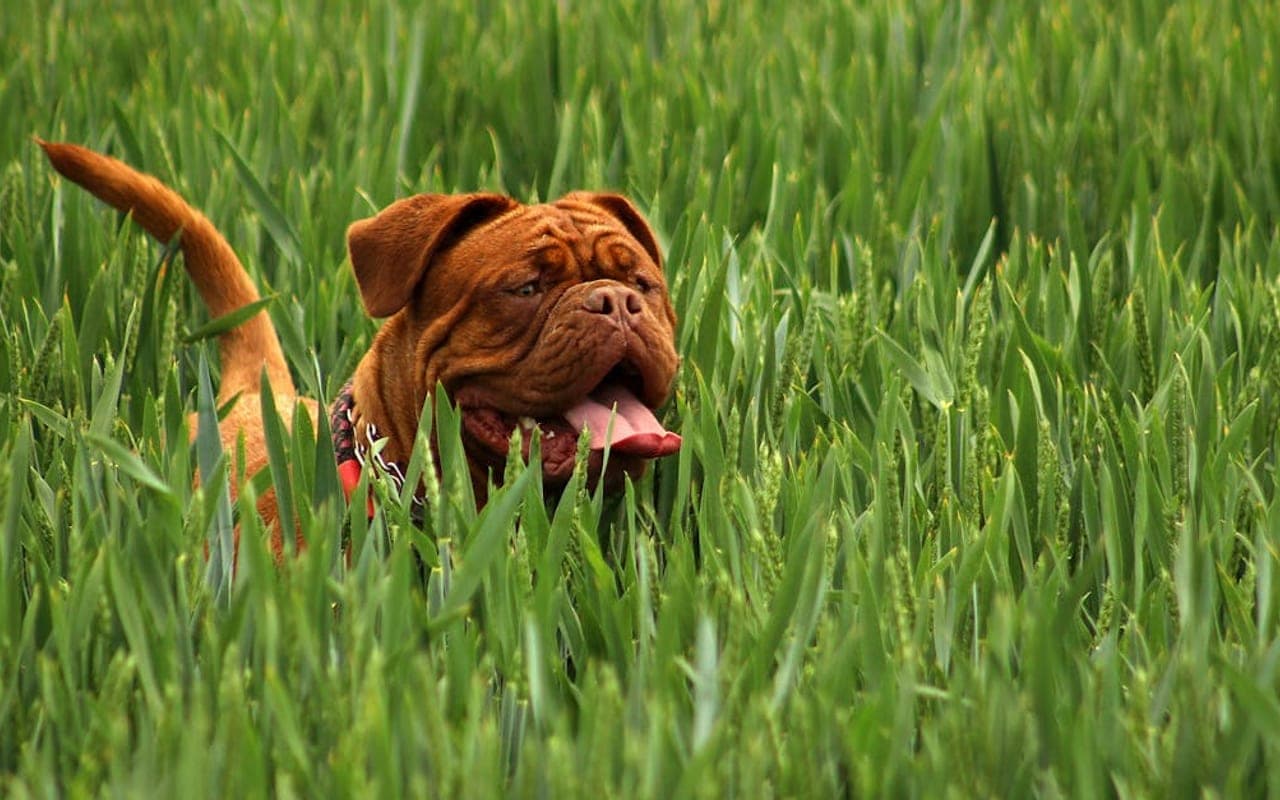
The Neapolitan Mastiff is a 110-to-155-pound ancient Italian guardian breed, instantly recognizable by its massive head, profuse hanging wrinkles, and pendulous lips.



Size
110-198 lb
Lifespan
7-9 years
Exercise
30-60 minutes
Shedding
Moderate
Experience
Match to owner routine
Decision first
Is a Neapolitan Mastiff right for you?
Start with fit before history or trivia. These are ownership signals, not guarantees about any individual dog.
Best suited for
- Households with children.
- Homes with other compatible pets.
- Apartment homes with a consistent routine.
- Owners seeking a manageable daily exercise routine.
Think carefully if
- You need a dog with almost no daily routine.
- You cannot keep up with grooming and preventive care.
- The dog will spend most days alone without support.
Conditional fit
Apartment fit depends on exercise, enrichment, noise management, and outdoor access.
Daily reality
Neapolitan Mastiff commitment snapshot
Daily exercise
30-60 minutes
Match activity to age, health, weather, and training goals.
Coat care
Moderate
Grooming needs vary by coat, shedding, and lifestyle.
Time alone
Needs planning
Most dogs need gradual alone-time conditioning and support.
Structured facts
Neapolitan Mastiff at a glance
The measurements and traits that most affect day-to-day life with this breed.
Group
Working
Weight
110-198 lb
Height
23-30 in
Lifespan
7-9 years
Temperament
Loyal | Dignified | Watchful
View all characteristics and methodology
Lifestyle fit
- Apartment suitability
- Likely fit
- Child friendliness
- Often good, with socialisation and supervision
- Other-pet fit
- Often compatible with careful introductions
Owner commitment
- Exercise
- 30-60 minutes
- Grooming
- Moderate
- Shedding
- Moderate
- Training
- Moderate
Environment and health
- Health risk
- Needs planning
Ratings combine structured breed data, visible breed fields, and editorial context. They are planning aids, not predictions for an individual dog.
Daily life
Neapolitan Mastiff temperament and behavior
The Neapolitan Mastiff is a 110-to-155-pound ancient Italian guardian breed, instantly recognizable by its massive head, profuse hanging wrinkles, and pendulous lips. Prospective owners are drawn to the dramatic appearance, but the honest decision frame for this breed is built on two hard facts: it is one of the shortest-lived dogs in existence (a 7-to-9-year average lifespan), and it is one of the most veterinary-intensive. Choosing a Mastino is choosing a short, expensive, deeply rewarding relationship with a dog that will likely need significant medical care. Anyone not financially and emotionally prepared for that should choose a different giant breed. The Neo is a serious guardian, not an ornament. It is calm, steady, and devoted inside its family circle and intensely wary of strangers — this is a naturally protective dog with the size to be genuinely dangerous if poorly raised. Early, thorough socialization and confident, reward-based handling are not optional; an unsocialized 140-pound guardian is a liability, not a pet. Boykin-style biddability does not apply here: Neos are intelligent but independent and slow to mature, and they do not perform tricks to please. The loose skin and folds that define the look also define the maintenance: folds must be cleaned, ears and eyes monitored, and the breed drools heavily — this is not a tidy housemate. The breed is generally tolerant of family children but its sheer mass makes unsupervised contact with small children risky simply through accidental knock-downs. Who the Neapolitan Mastiff is right for: an experienced large-breed owner with the home space, physical capability, financial cushion, and commitment to socialization that a short-lived giant guardian demands. Who it is wrong for: first-time owners, tight budgets, small living spaces, or anyone unprepared to lose a beloved dog young.
Loyal | Dignified | Watchful
Loyal
A common Neapolitan Mastiff temperament descriptor that should be interpreted alongside training, exercise, and household fit.
Dignified
A common Neapolitan Mastiff temperament descriptor that should be interpreted alongside training, exercise, and household fit.
Watchful
A common Neapolitan Mastiff temperament descriptor that should be interpreted alongside training, exercise, and household fit.
Owner note
Temperament labels are starting points, not guarantees. Meet the individual dog and ask about behavior history whenever possible.
Care essentials
How to care for a Neapolitan Mastiff
What looking after one actually involves: exercise, grooming, food, training, and routine health.
ExerciseAs needed
- Moderately active breed needing 30-60 minutes of daily exercise.
GroomingAs needed
- Brush 2-3 times per week.
TrainingAs needed
- Consistent, patient training works best.
NutritionAs needed
- Feed high-quality dog food appropriate for age, size, and activity level.
Veterinary CareAs needed
- Annual wellness exams, vaccinations, dental care, and parasite prevention.
Health planning
Neapolitan Mastiff health risks and screening
Every breed has individual health variation. Use this profile for planning and discuss medical decisions with a veterinarian.
Responsible ownership
Finding a Neapolitan Mastiff responsibly
What to ask a breeder or rescue is the same conversation for every breed, so we keep it in one place and keep it current.
Health documentation, meeting the parents or foster, contracts and return support, and the warning signs worth walking away from.
Original purpose
Neapolitan Mastiff history
History is useful when it explains today's behavior, coat, exercise needs, and training style.
Read the breed history
The Neapolitan Mastiff descends from the giant war and guard mastiffs of the ancient world — molosser-type dogs used by the Romans as guardians and in the arena. After the fall of Rome the type survived for centuries as a working estate and farm guardian in the Campania region around Naples, kept for property and personal protection rather than show. The modern breed was effectively rescued from obscurity by Italian breeder Piero Scanziani, who standardized it in the mid-20th century; Italy's national kennel club recognized it in 1949 and the FCI standard followed. The breed was bred to look as intimidating as possible — the exaggerated wrinkles, loose skin, and massive head were guarding assets, meant to deter and absorb. The AKC granted full recognition in 2004. Today's Neo carries that guardian heritage intact: protective instinct, independence, and wariness of strangers are inherited working traits, not training failures.
Gallery
Neapolitan Mastiff photos
Images are cropped consistently and loaded progressively to keep the page responsive.
Lower-page context
Neapolitan Mastiffs in culture
Where the breed shows up in film, sport, work and folklore — the enjoyable part, once the practical questions are answered.
Fun facts
- The Neapolitan Mastiff belongs to the Working Group.
- The average lifespan of a Neapolitan Mastiff is 7 to 9 years.
- Neapolitan Mastiff dogs are valued for their loyal, dignified, watchful nature.
Neapolitan Mastiff FAQs
How long do Neapolitan Mastiffs live?
A Neapolitan Mastiff typically lives only 7 to 9 years, which is among the shortest lifespans of any dog breed and a defining, non-negotiable fact for anyone considering one. Giant body size itself shortens canine lifespan, and the breed's high burden of joint disease, heart disease, and bloat compounds it. A dog from a breeder who OFA-screens hips, elbows, and heart, kept lean and joint-protected, gives you the best shot at the upper end — but a prospective owner should plan emotionally and financially around a short relationship, not hope for an exception.
Are Neapolitan Mastiffs good family dogs and safe with children?
Within their own family, well-bred and well-socialized Neos are calm, steady, and deeply devoted, and they are generally tolerant of family children. The honest caveats are size and instinct. At 110 to 155 pounds, a Neo can accidentally knock down or injure a small child simply by moving, so unsupervised contact with toddlers is not advisable. The breed is also a true guardian, naturally wary and protective of strangers, which means early thorough socialization and an experienced handler are essential — an unsocialized dog of this size and instinct is a serious liability.
Why is the Neapolitan Mastiff so expensive to own?
Because almost every cost scales with size and the breed's medical burden is high. A screened puppy runs $2,500 to $5,000, but the larger figure is lifetime care: a giant breed needs large doses of medication and anesthesia, prophylactic gastropexy and possible bloat surgery, frequent joint and eye procedures, and chronic skin-fold management. Realistic lifetime veterinary and care costs commonly reach $10,000 to $25,000 or more. The decision frame here is blunt — if a four- or five-figure surprise vet bill would be a crisis, this is not the right breed.
What is bloat and how do I prevent it in a Neapolitan Mastiff?
Bloat, or gastric dilatation-volvulus, is when the stomach fills with gas and twists, cutting off circulation; it is a leading killer of deep-chested giant breeds and is fatal within hours without emergency surgery. You reduce the risk by feeding two to three measured meals a day instead of one large one, resting the dog before and after eating, and discussing prophylactic gastropexy (surgically tacking the stomach) with your vet — often done at spay or neuter. Learn the signs: a hard swollen belly, unproductive retching, drooling, and restlessness mean go to an emergency hospital immediately, do not wait.
How much grooming and skin care does a Neapolitan Mastiff need?
The coat is short and easy, but the skin is not. The breed's defining folds and loose skin trap moisture and bacteria, so the facial, neck, and body folds must be cleaned and dried two to three times a week to prevent chronic, smelly fold infections that are a real lifelong management task. Ears need weekly cleaning, eyes need monitoring for cherry eye and inward-rolling lids, and the breed drools heavily, so a household with a Neo lives with saliva on walls and clothing. "Low grooming" applies only to the coat, not to owning this dog.
Are Neapolitan Mastiffs good for first-time dog owners?
No, and this is one of the clearest no-answers in dog breeds. The combination of 110-to-155-pound size, a strong independent guardian instinct that demands skilled early socialization, a heavy load of surgical and dermatologic health problems, very high lifetime cost, and a heartbreakingly short lifespan makes the Neapolitan Mastiff an experienced-owner breed. A first-time owner is far better served by a more forgiving, longer-lived dog; choosing a Neo without giant-breed experience and a financial cushion sets up both owner and dog to fail.
Sources
These are the published sources this page draws on. Each opens in a new tab so you can check it yourself.
American Kennel Club
Neapolitan Mastiff — breed standard and profile(opens in a new tab)Supports: Breed standard and recognition details.
Similar breeds to consider

Siberian Husky
Also in the Working group, with different care and temperament tradeoffs.

Rottweiler
Also in the Working group, with different care and temperament tradeoffs.

Boxer
Also in the Working group, with different care and temperament tradeoffs.

Akita
Also in the Working group, with different care and temperament tradeoffs.
Explore More About Neapolitan Mastiff
Dive deeper into everything Neapolitan Mastiff — costs, care, and expert insights.
Considering a cat instead?
Browse Cats