
Norwegian Buhund Care Guide
The farm dog behind the name The Norwegian Buhund is named for a place of work. "Bu" is the Norwegian word for the farm, homestead or mountain hut where a shepherd lived while looking after his herd t
In This Guide
Overview
The farm dog behind the name
The Norwegian Buhund is named for a place of work. "Bu" is the Norwegian word for the farm, homestead or mountain hut where a shepherd lived while looking after his herd through the summer, and the Norwegian Buhund Club of America describes the breed that grew up around it as an all-purpose farm and herding dog as well as a watchdog, developed on the western coastlands of Norway. Dogs of similar type were found in a Norwegian grave dated to roughly 900 AD, which is where the breed's Viking associations come from. Hold onto that when comparing northern spitz breeds: the Buhund was bred to move livestock and mind a yard, not to haul a sled across country.
What one actually looks like
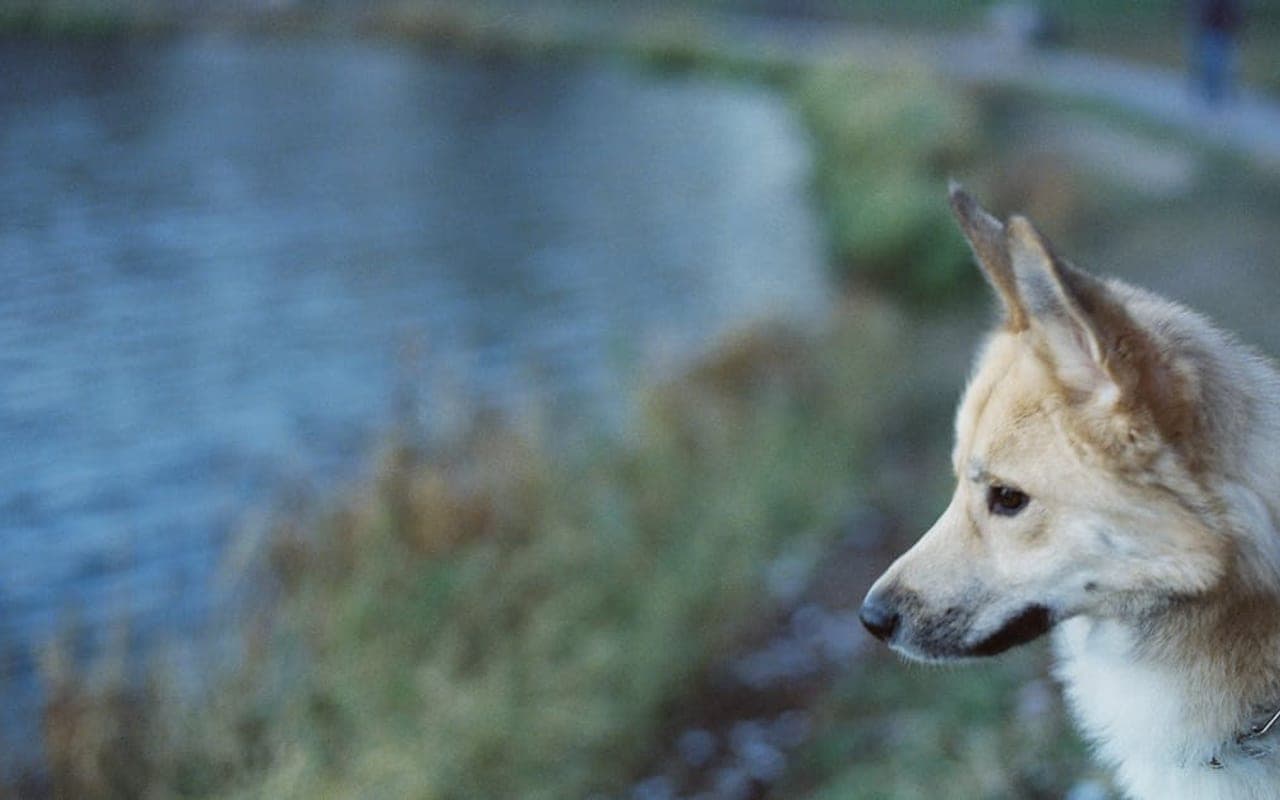
The American Kennel Club standard describes a squarely built northern dog a little under medium size, with a wedge-shaped head, pricked ears carried strongly erect, and a tightly curled tail carried over the center line of the back. Males stand 17 to 18.5 inches at the shoulder and weigh 31 to 40 pounds; females stand 16 to 17.5 inches and weigh 26 to 35 pounds. Two colors are recognized: wheaten, in any shade from pale cream to bright orange and sometimes with a black mask, and black, with as little white as possible. The standard asks for a natural, untrimmed dog and accepts honorable scars from herding duty, which says a lot about the dog it has in mind.
Living with the temperament
The standard calls the Buhund self-confident, alert, lively and very affectionate with people, credits it with a lot of energy, strength and stamina, and notes that consistent training is needed from early puppyhood because the dog is extremely intelligent by nature. It also describes a self-appointed watchdog, and Purina notes the breed is inclined to bark at anything it finds suspicious. Expect a busy, opinionated, talkative companion rather than a decorative one.
Exercise
How much a Buhund actually needs
Purina puts the breed at up to two hours of exercise a day, plus training, games or puzzle solving. The American Kennel Club standard credits the breed with a lot of energy, strength and stamina, and it spent centuries as an all-purpose farm and herding dog on Norwegian coastal farms (Norwegian Buhund Club of America). Split the load across the day rather than banking it into one weekend hike, because steady daily work is what settles a Buhund indoors.
Give it a job, not just a lap of the block
The standard describes a dog extremely intelligent by nature that needs consistent training from early puppyhood, so mental work is not optional enrichment; it is half the exercise. The Norwegian Buhund Club of America notes that modern Buhunds compete in obedience and agility and work as hearing assistance dogs. Rally, herding tests, scent work and trick training all fit a dog that wants a task and a handler to check in with. Keep sessions short and varied, because a bright, sensitive dog switches off when drilled.
The barking is a training project, not a defect
The standard calls the Buhund a self-appointed watchdog, and Purina notes the breed is inclined to bark at anything it finds suspicious. Plan for that before it becomes a neighbor problem. Teach a reliable interrupt, reward quiet on cue, reduce triggers your dog cannot resolve (window film, a fence set back from the sidewalk, no long unsupervised stints outside), and meet the day's exercise before expecting calm, because a bored watchdog patrols and barking rewards itself.
Fences before freedom
Herding instinct plus speed means moving things get chased, so exercise in securely fenced space or on a long line until recall holds up around bikes, joggers and cars.
Grooming
A working double coat, left intact
The Buhund wears a thick, hard outer coat over a soft, dense undercoat, short on the head and front of the legs and longer over the neck, chest and back of the thighs (American Kennel Club). The breed standard treats that structure as untouchable: nothing is trimmed except the feet, and shaving the outer coat is penalized enough to eliminate a dog from competition. The reasoning holds at home. A double coat insulates in both directions, so clipping does not cool a dog down; it strips the layer that buffers heat and shields skin from sun, and it can grow back uneven. Handle hot weather with shade, water and early outings.
Weekly brushing, and the weeks you will remember
Purina describes the coat as molting profusely once or twice a year, with daily grooming recommended through those periods and brushing about twice a week the rest of the time. Between molts, a slicker brush plus an undercoat rake through the neck, ruff and trousers keeps dead hair lifting out. During a heavy shed, work in short daily sessions and reach the skin rather than skimming the surface, because loose undercoat packed against skin traps damp and mats, and mats hide irritation until it is sore. Bathe for real dirt, not on a schedule, since frequent shampooing strips the coat's oils.
Ears, nails and teeth
Erect ears are well ventilated, so trouble is easier to spot: look inside weekly and call your vet about redness, odor, discharge or head-shaking rather than pouring anything in yourself. Trim nails every few weeks so they never click on the floor, because overlong nails change how a dog loads its feet. Brush teeth most days with a canine paste.
Health
A hardy breed with a short, specific screening list
The Norwegian Buhund is generally a sound working spitz, and the length of its recommended testing reflects that. The American Kennel Club lists exactly two evaluations from the breed's national parent club: a hip evaluation and an ophthalmologist evaluation. That short list is where a buyer's questions belong. Purina describes the breed as generally healthy while noting hip dysplasia, hereditary cataracts and hereditary cerebellar ataxia, a condition affecting coordination and balance.
Nothing below is a diagnosis. Take any change in your dog's gait, vision, appetite or behavior to your vet.
Eyes: the breed's best-documented issue
Hereditary cataract is what the Buhund is genuinely known for, and it is measured, not merely asserted. A 2017 study in Veterinary Ophthalmology screened 250 Norwegian Buhunds across Norway, Sweden and Denmark and found 52.4 percent affected by pulverulent nuclear cataract, an opacity in the center of the lens, from minimal to pronounced. Cataracts of other, presumably inherited types were found in 53 of the dogs (21.2 percent), and the share affected rose with age up to around eight years.
Read the next finding alongside those numbers, because it changes what they mean: the same study reported that cataracts rarely caused vision loss in this breed. High prevalence makes eye screening important for breeding decisions; it does not mean half of all Buhunds go blind.
Two things follow. Because the change is not always visible in young dogs and progresses at different rates, one clear exam on a two-year-old proves less than it appears to, so repeat examination by a veterinary ophthalmologist beats a single certificate. And a breeding screen is not treatment for a sick eye: squinting, a red eye, sudden cloudiness or new hesitation on stairs in dim light each warrant a prompt appointment.
Hips: inherited risk, manageable load
VCA Animal Hospitals describes hip dysplasia as a developmental deformity in which the ball and socket of the hip do not grow at equal rates, producing joint looseness and then arthritis. The tendency is inherited, but VCA Animal Hospitals also names diet, environment, exercise, growth rate, muscle mass and hormones among the factors involved, citing research in which two thirds of free-fed puppies developed hip dysplasia, against one third of puppies fed measured meals.
Signs owners notice include hind-leg weakness or pain, a wobbly gait, reluctance to stand, limping and stair avoidance, most often at one to two years old, per VCA. Diagnosis relies on radiographs under anesthetic, so the answer comes from your vet. Management VCA lists includes weight control, physical therapy, prescribed anti-inflammatories, joint supplements and, if those fail, surgery. Never give a dog human pain relievers; several are toxic.
What you control is the growth curve and the load: feed measured meals to a lean condition, and keep a growing puppy off repetitive high-impact work, because a lean, well-muscled dog carries an imperfect joint better.
Questions worth asking a breeder
Ask to see the hip and eye results themselves, for both parents, rather than a verbal assurance, and when the eye exam was last repeated, since age matters here.
Frequently Asked Questions
Are Norwegian Buhunds a healthy breed?
Broadly yes. Purina describes the breed as generally healthy, and the American Kennel Club lists only two tests recommended by the parent club: a hip evaluation and an ophthalmologist evaluation. Known concerns are hip dysplasia, hereditary cataracts and hereditary cerebellar ataxia.
Will a Buhund with hereditary cataracts go blind?
Usually not. A 2017 study in Veterinary Ophthalmology found 52.4 percent of 250 Buhunds affected by pulverulent nuclear cataract but reported that cataracts rarely caused vision loss in the breed. An individual dog's outlook varies, so cloudiness, squinting or new clumsiness in dim light needs a vet's assessment.
What health testing should a Norwegian Buhund breeder show me?
The American Kennel Club lists a hip evaluation and an ophthalmologist evaluation as the parent club's recommended tests. Ask to see certificates for both parents, and how recently the eye exam was done, since cataract changes here are not always visible in young dogs.
How long do Norwegian Buhunds live?
Purina gives a life expectancy of 13 to 15 years. Treat that as a breed average, not a promise for any individual dog, since lifespan depends on genetics, body condition, dental and parasite prevention, and routine veterinary care.
Sources
This guide draws on the following published references. Each opens in a new tab so you can check it against what you have read here.
American Kennel Club
Official Standard for the Norwegian Buhund(opens in a new tab)American Kennel Club
Herding Group Health Testing Requirements(opens in a new tab)Norwegian Buhund Club of America
History of the Norwegian Buhund(opens in a new tab)Purina
Norwegian Buhund - Dog Breed Information Guide(opens in a new tab)Veterinary Ophthalmology (via PubMed, U.S. National Library of Medicine)
Cataracts in the Norwegian Buhund - current prevalence and characteristics(opens in a new tab)VCA Animal Hospitals
Hip Dysplasia in Dogs(opens in a new tab)
Affiliate disclosure: We may earn a commission from qualifying purchases. This doesn't affect our recommendations.
Recommended Products
Norwegian Buhund Care Guide Book
Breed-focused reading and owner references for Norwegian Buhund care, training, grooming, and health planning.
Norwegian Buhund Food and Supplies
Helpful supplies for norwegian buhund dog supplies routines at home.
Norwegian Buhund Grooming Tools
Helpful supplies for norwegian buhund grooming tools routines at home.
Get personalized pet care tips
Join our newsletter for breed-specific advice, care guides, and expert tips delivered weekly.
No spam, ever. Unsubscribe anytime.