
Herding group
Norwegian Buhund
The Norwegian Buhund is a medium-sized Nordic herding spitz, and the single thing most owners underestimate is how much dog lives inside that tidy, fox-faced, 26-40 pound frame.
Size
26-40 lb
Lifespan
12-15 years
Exercise
30-60 minutes
Shedding
Moderate
Experience
Match to owner routine
Decision first
Is a Norwegian Buhund right for you?
Start with fit before history or trivia. These are ownership signals, not guarantees about any individual dog.
Best suited for
- Households with children.
- Homes with other compatible pets.
- Apartment homes with a consistent routine.
- Owners seeking a manageable daily exercise routine.
Think carefully if
- You need a dog with almost no daily routine.
- You cannot keep up with grooming and preventive care.
- The dog will spend most days alone without support.
Conditional fit
Apartment fit depends on exercise, enrichment, noise management, and outdoor access.
Daily reality
Norwegian Buhund commitment snapshot
Daily exercise
30-60 minutes
Match activity to age, health, weather, and training goals.
Coat care
Moderate
Grooming needs vary by coat, shedding, and lifestyle.
Time alone
Needs planning
Most dogs need gradual alone-time conditioning and support.
Structured facts
Norwegian Buhund at a glance
The measurements and traits that most affect day-to-day life with this breed.
Group
Herding
Weight
26-40 lb
Height
16-19 in
Lifespan
12-15 years
Temperament
Confident | Smart | Perceptive
View all characteristics and methodology
Lifestyle fit
- Apartment suitability
- Likely fit
- Child friendliness
- Often good, with socialisation and supervision
- Other-pet fit
- Often compatible with careful introductions
Owner commitment
- Exercise
- 30-60 minutes
- Grooming
- Moderate
- Shedding
- Moderate
- Training
- Moderate
Environment and health
- Health risk
- Needs planning
Ratings combine structured breed data, visible breed fields, and editorial context. They are planning aids, not predictions for an individual dog.
Daily life
Norwegian Buhund temperament and behavior
The Norwegian Buhund is a medium-sized Nordic herding spitz, and the single thing most owners underestimate is how much dog lives inside that tidy, fox-faced, 26-40 pound frame. The name comes from the Norwegian 'bu' (homestead/livestock), and the breed was built to herd sheep and cattle, guard the farm, and work all day in a cold climate. That produces a smart, energetic, intensely people-oriented dog that needs a job — not a decorative spitz that is happy to lounge. Buhunds are confident, alert, affectionate and notably trainable for a spitz, which is unusual and a real selling point: they take well to obedience, agility, herding and as service or therapy dogs. The flip side is that the herding-and-guarding wiring comes with serious vocal tendencies and a need for mental work. A bored, under-exercised Buhund barks — a lot — and finds its own entertainment in your yard and furniture. They bond hard to their family, can be reserved with strangers, and stay attentive and busy well into adulthood. Who the Norwegian Buhund is right for: an active owner or family that wants a trainable, devoted, cold-hardy partner for daily exercise and dog sports, can channel the energy and manage the barking, and treats the dog as a working member of the household. Who it is wrong for: sedentary homes, owners needing a quiet dog or one tolerant of long solo days, hot climates without climate control, and people expecting spitz aloofness rather than an in-your-face companion. This is also a numerically rare breed with documented inherited eye and joint conditions, several of them screenable in the parents, so an unscreened bargain puppy is a false economy — the only sound purchase is from a breeder who tests both parents for the conditions described below and can show you the results.
Confident | Smart | Perceptive
Confident
A common Norwegian Buhund temperament descriptor that should be interpreted alongside training, exercise, and household fit.
Smart
A common Norwegian Buhund temperament descriptor that should be interpreted alongside training, exercise, and household fit.
Perceptive
A common Norwegian Buhund temperament descriptor that should be interpreted alongside training, exercise, and household fit.
Owner note
Temperament labels are starting points, not guarantees. Meet the individual dog and ask about behavior history whenever possible.
Care essentials
How to care for a Norwegian Buhund
What looking after one actually involves: exercise, grooming, food, training, and routine health.
ExerciseAs needed
- Moderately active breed needing 30-60 minutes of daily exercise.
GroomingAs needed
- Brush 2-3 times per week.
TrainingAs needed
- Consistent, patient training works best.
NutritionAs needed
- Feed high-quality dog food appropriate for age, size, and activity level.
Veterinary CareAs needed
- Annual wellness exams, vaccinations, dental care, and parasite prevention.
Health planning
Norwegian Buhund health risks and screening
Every breed has individual health variation. Use this profile for planning and discuss medical decisions with a veterinarian.
Responsible ownership
Finding a Norwegian Buhund responsibly
What to ask a breeder or rescue is the same conversation for every breed, so we keep it in one place and keep it current.
Health documentation, meeting the parents or foster, contracts and return support, and the warning signs worth walking away from.
Original purpose
Norwegian Buhund history
History is useful when it explains today's behavior, coat, exercise needs, and training style.
Read the breed history
The Norwegian Buhund is an old Nordic spitz with roots traced back to the Viking era — dog remains of similar type have been found in Viking burial sites, where dogs were buried to accompany their owners. For centuries it served Norwegian farms as an all-purpose worker: herding sheep and cattle, guarding the homestead, and serving as a versatile farm dog in a harsh northern climate, which selected for intelligence, biddability, stamina and an alert, vocal temperament. The breed was developed and standardized as a recognized type in the early 20th century, with organized breeding promoted in Norway and a breed club established to safeguard it; it later spread to the UK, Australia and North America, though it remains numerically rare everywhere. Its working farm history directly explains the modern dog's exercise and mental-stimulation needs, its strong attachment to family, its herding-style behavior, and the barking that is the trait new owners most often fail to anticipate.
Gallery
Norwegian Buhund photos
Images are cropped consistently and loaded progressively to keep the page responsive.
Lower-page context
Norwegian Buhunds in culture
Where the breed shows up in film, sport, work and folklore — the enjoyable part, once the practical questions are answered.
Fun facts
- The Norwegian Buhund belongs to the Herding Group.
- The average lifespan of a Norwegian Buhund is 12 to 15 years.
- Norwegian Buhund dogs are valued for their confident, smart, perceptive nature.
Norwegian Buhund FAQs
How long do Norwegian Buhund dogs live?
A Norwegian Buhund typically lives 12-15 years, which is long and one of the breed's genuine strengths. Lifespan is most influenced by keeping the dog lean to protect the hips, buying from a breeder who screens eyes and hips and DNA-tests for hereditary ataxia, and maintaining the activity level this working breed needs. A fit Buhund from health-tested lines very often reaches the upper end of that range.
Are Norwegian Buhund dogs good with children?
Yes — Buhunds are typically affectionate, playful, sturdy and devoted to their family, which suits active households with children. The breed-specific cautions are the herding instinct, which can show as nipping at running children's heels, and the high energy and vocal nature. Early training to redirect herding behavior, supervision with young children, and teaching kids to respect the dog's space make this a genuinely good family match.
How much exercise does a Norwegian Buhund need?
Substantial — about 60 minutes of vigorous daily activity such as running, hiking or herding-style games, plus 15-30 minutes of mental work like training or scent games. This is a working herding spitz, not a low-energy companion; a single short walk does not meet its needs and an under-exercised Buhund becomes destructive and extremely vocal. Mental stimulation is as important as physical exercise and calms the dog just as effectively.
Do Norwegian Buhunds bark a lot?
Yes — this is the trait prospective owners most often underestimate. The breed's herding-and-guarding heritage makes it naturally alert and vocal, and it will sound off at activity, arrivals and boredom. Consistent training of a 'quiet' cue and rewarding calm from puppyhood meaningfully reduces it, but it does not eliminate it. If you live in attached housing or need a quiet dog, the barking is the strongest single reason to reconsider the breed.
How much grooming does a Norwegian Buhund need?
Moderate, with two heavy periods a year. Brush the thick double coat 1-2 times weekly normally, increasing to daily during the 2-3 week seasonal 'coat blow' in spring and autumn, when shedding is dramatic. The coat is fairly self-cleaning, so bathing is infrequent. Never shave it — the double coat insulates against both cold and heat, and shaving damages regrowth and the dog's temperature regulation. Expect steady shedding year-round between the big sheds.
What is the most common health problem in the Norwegian Buhund?
Hereditary cataract — specifically pulverulent nuclear cataract — is the breed's most prevalent inherited condition, found in roughly half of dogs in a large breed study, though most cases are mild and do not blind the dog. Because it is hereditary, responsible breeders perform annual ophthalmologist eye exams, and buyers should ask to see current eye-scheme results for both parents. Hip dysplasia and the recessive, DNA-testable hereditary cerebellar ataxia are the other conditions worth screening for.
Sources
These are the published sources this page draws on. Each opens in a new tab so you can check it yourself.
American Kennel Club
Norwegian Buhund — breed standard and profile(opens in a new tab)Supports: Breed standard and recognition details.
Similar breeds to consider
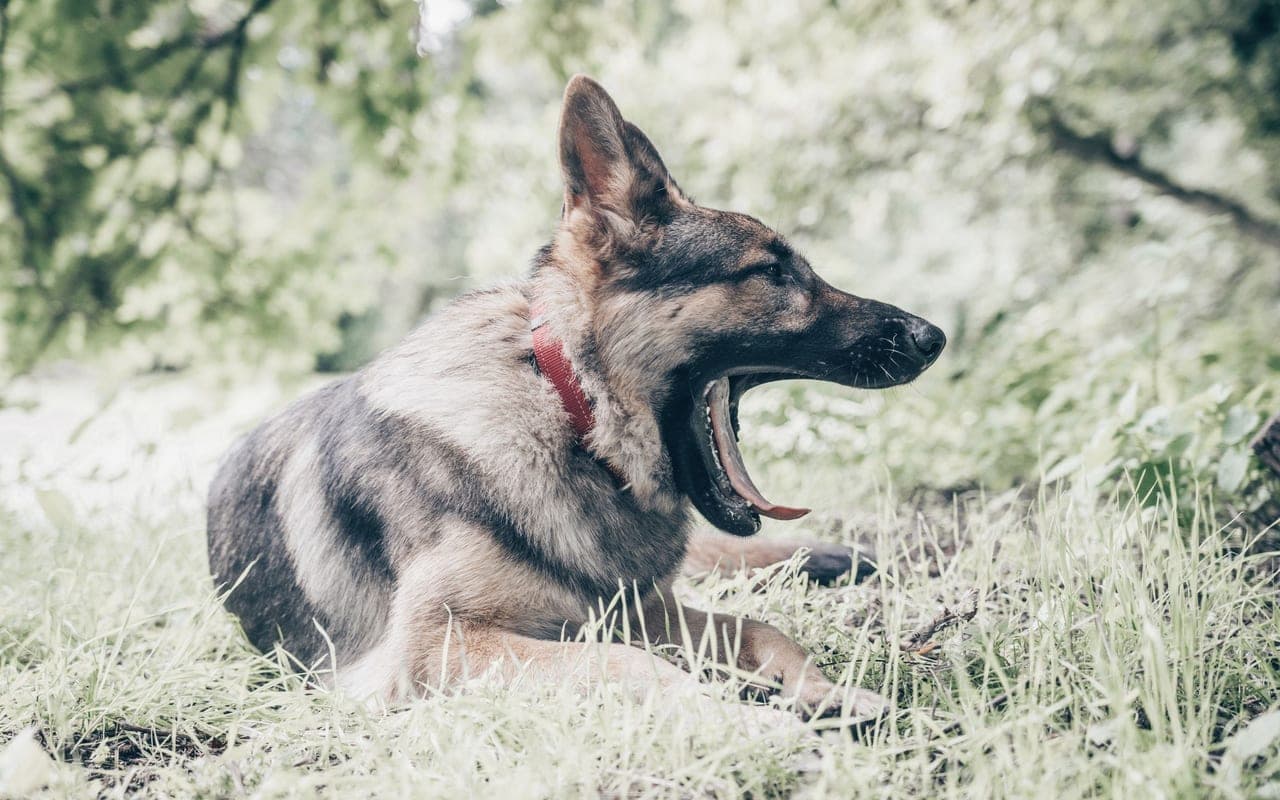
German Shepherd
Also in the Herding group, with different care and temperament tradeoffs.
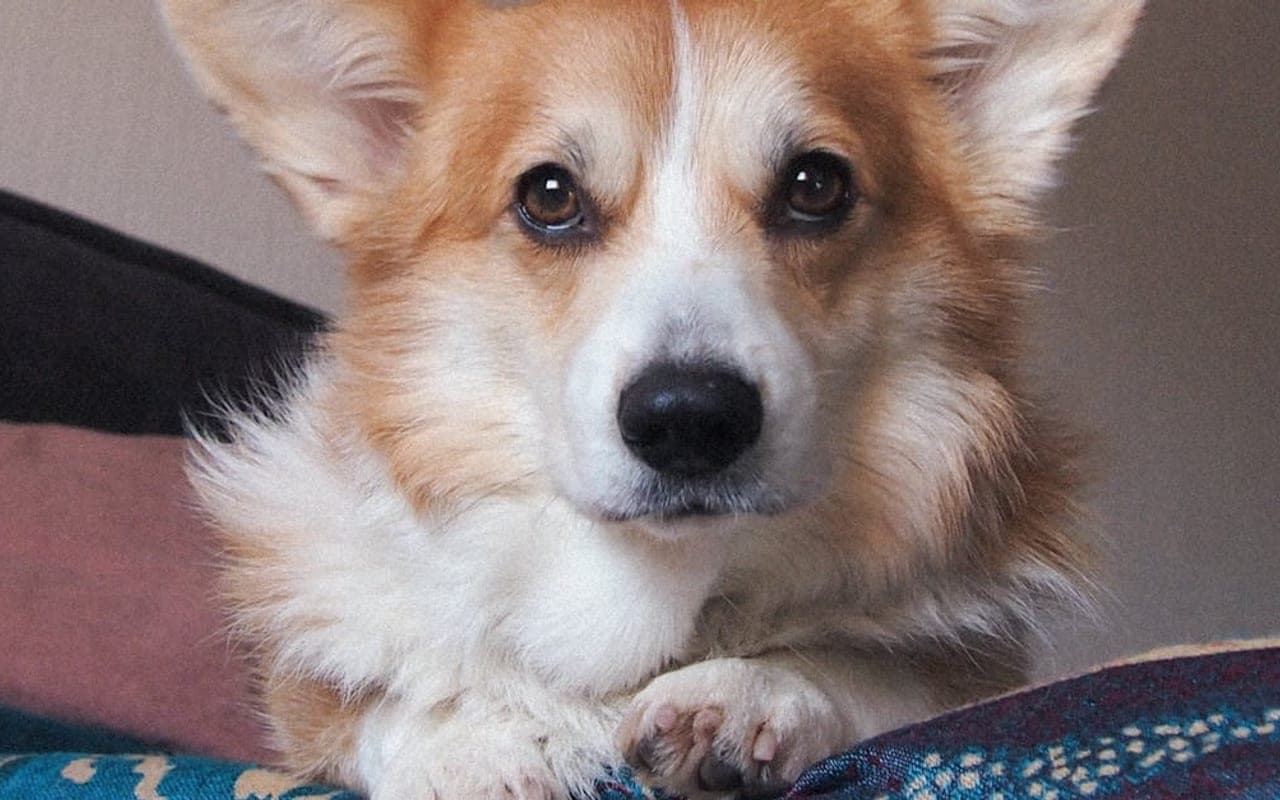
Pembroke Welsh Corgi
Also in the Herding group, with different care and temperament tradeoffs.
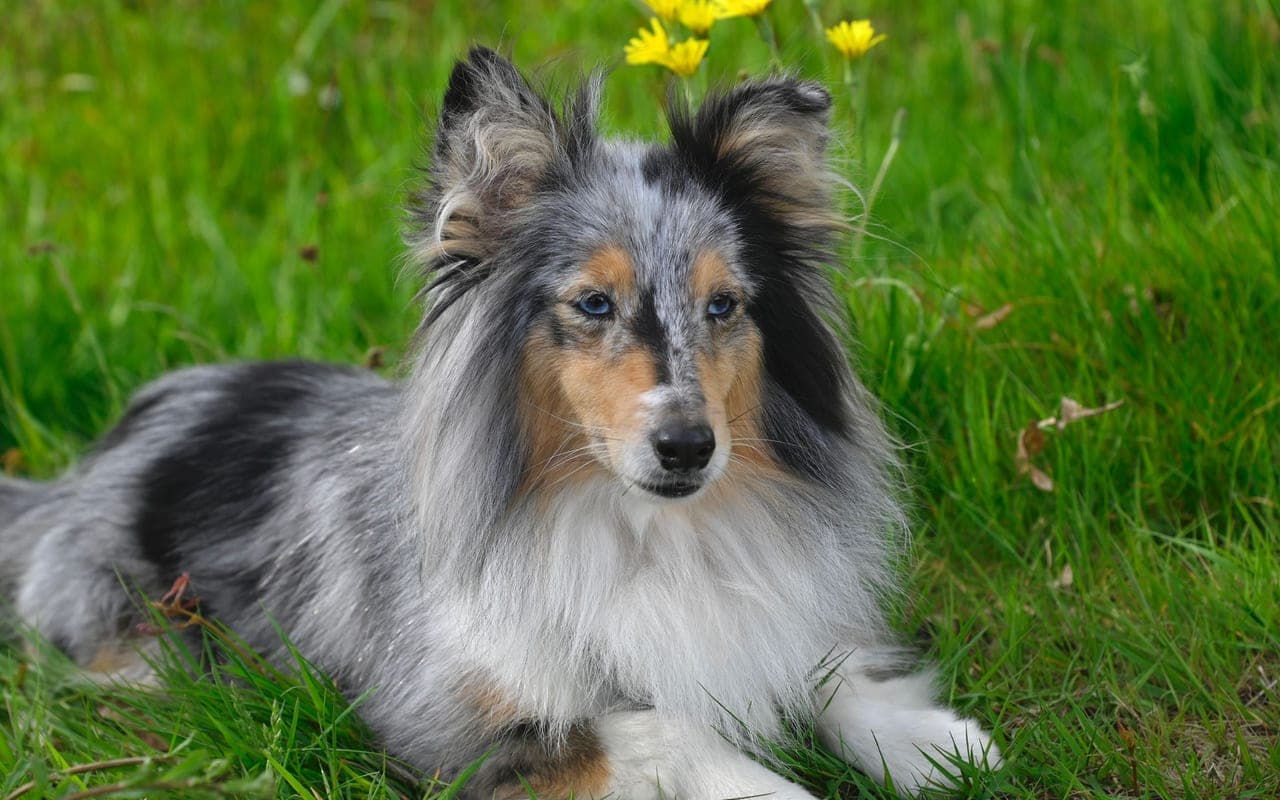
Shetland Sheepdog
Also in the Herding group, with different care and temperament tradeoffs.
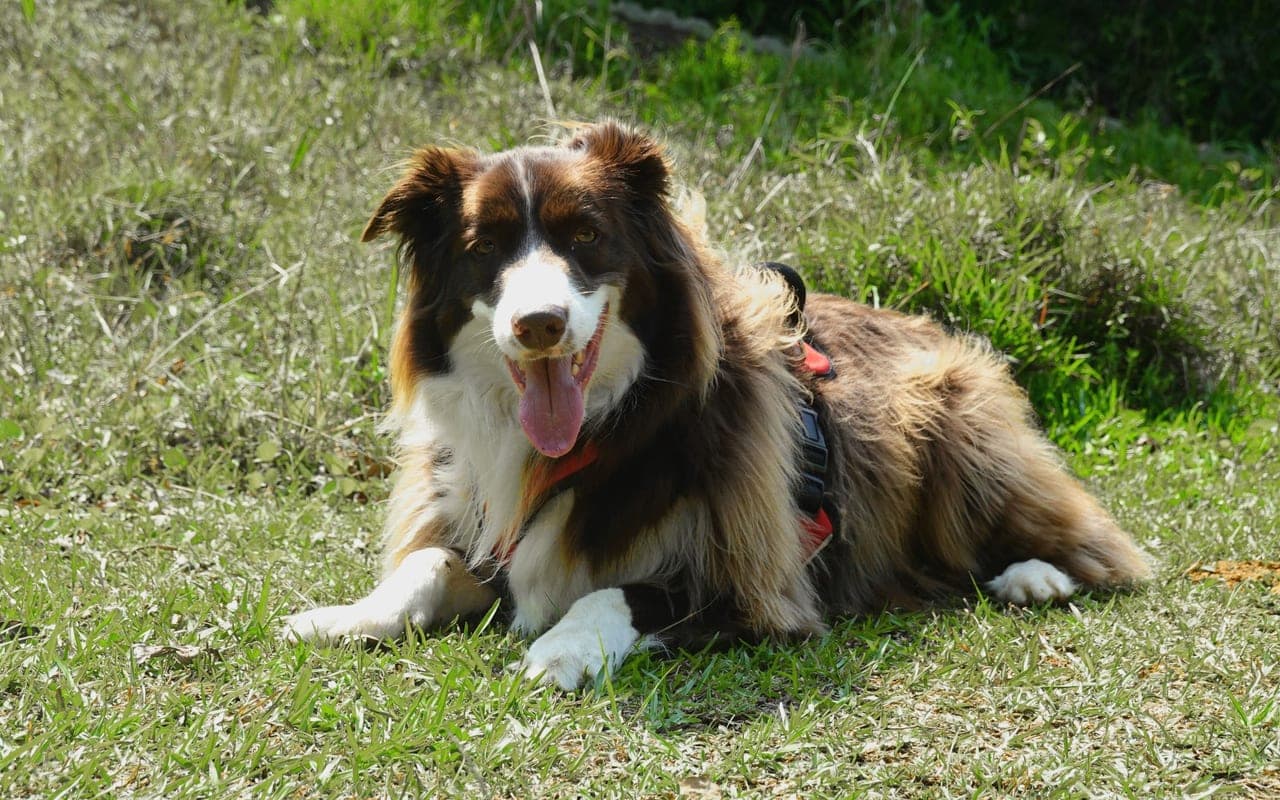
Border Collie
Also in the Herding group, with different care and temperament tradeoffs.
Explore More About Norwegian Buhund
Dive deeper into everything Norwegian Buhund — costs, care, and expert insights.
Considering a cat instead?
Browse Cats