
Romanian Mioritic Shepherd Dog Care Guide
The Romanian Mioritic Shepherd Dog at a glance The Romanian Mioritic Shepherd Dog (Ciobanesc Romanesc Mioritic) is a large Carpathian livestock-guardian breed, shaped over generations by shepherds in
Reading Time
📖 8 min read
Guide Type
🐾 Breed-Specific
Last Updated
📅 Sep 10, 2026
In This Guide
Overview
The Romanian Mioritic Shepherd Dog at a glance
The Romanian Mioritic Shepherd Dog (Ciobanesc Romanesc Mioritic) is a large Carpathian livestock-guardian breed, shaped over generations by shepherds in Romania's mountains to live among the flock and drive off wolves and bears rather than to herd. Its name traces to the Romanian mioara, meaning young ewe, a reminder that the dog's entire job is the sheep it guards.
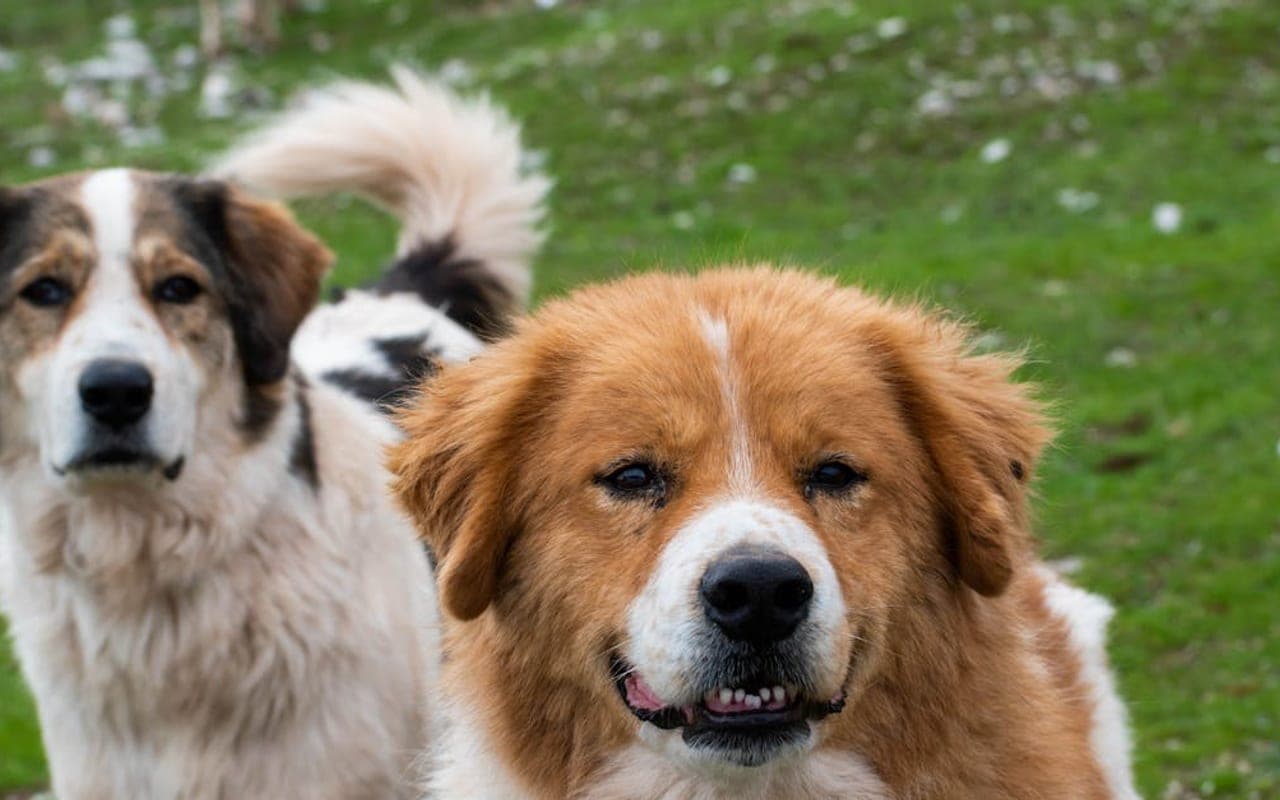
Males stand roughly 70-75 cm at the withers and females 65-70 cm, which places many individuals in the giant range, on a heavy, substantial frame with a pronounced size difference between the sexes (Federation Cynologique Internationale). The coat is long, abundant and profuse, a thick, fluffy double coat covering the head, body and limbs and forming a bearded chin; it is most often white, white with pale grey or cream patches, or grey to cream throughout (Federation Cynologique Internationale).
Temperament is the breed's defining trait. Around its own household the Mioritic is calm, disciplined and steady, yet it turns fiercely and independently protective the moment it judges a threat, because guarding decisions were bred to be the dog's to make, not its handler's. It bonds deeply to the family and territory it watches over, and that same wariness toward strangers makes early, consistent socialization non-negotiable rather than optional.
The breed is recognized by the Federation Cynologique Internationale under Standard No. 349 (Group 1, Sheepdogs and Cattle Dogs), reaching full recognition in 2015 after earlier provisional status. It remains a genuine working flock-guardian in Romania today, not a companion recreation of one, so its instincts are live and intact in every puppy.
Exercise
Exercise and enrichment for a guardian breed
The Mioritic has moderate rather than extreme exercise needs, and matching activity to its guardian nature matters more than piling on mileage. It was bred to patrol and watch over a flock for hours at a low, steady output, not to run or chase, so it is not a jogging or cycling companion; its heavy frame and dense coat make sustained high-impact work a poor fit, and pushing a giant-breed dog that way strains developing or aging joints.
Plan on a couple of long, unhurried leashed walks each day, plus space to patrol. A large, securely and physically fenced yard suits the breed, because a guardian left loose will claim and defend a territory of its own choosing, and that same instinct feeds a strong urge to roam. The fence needs to be one the dog cannot clear or dig under, which is a safety essential rather than a luxury; underground or invisible fencing neither contains a determined guardian nor keeps intruders out.
Keep this dog on a leash or long-line in any unfenced area, because its protective drive and independence make recall unreliable once it has fixed on something it reads as a threat. Mental work counts as much as physical exertion: scent games, food puzzles, structured obedience and a defined job or space to oversee satisfy a thinking breed that grows bored and stubborn under repetitive drilling.
Above all, begin socialization early and keep it lifelong. Because the Mioritic is naturally wary and makes its own judgments about strangers and other animals, deliberate, positive exposure to people, dogs, places, sights and sounds from puppyhood is what produces a discerning guardian instead of an indiscriminately reactive one.
Grooming
Grooming the Mioritic's double coat
The Mioritic carries a long, dense double coat, a soft insulating undercoat beneath a coarser weather-shedding outer layer, that evolved to keep a dog working outdoors through Carpathian winters (Federation Cynologique Internationale). That construction is what makes grooming a genuine commitment rather than an afterthought.
Brush thoroughly several times a week, and daily during seasonal coat changes, because the profuse hair on the chest, behind the ears, on the trousers of the hindquarters and around the bearded chin mats quickly once shed undercoat is trapped against the skin. Work in sections all the way down to the skin with a slicker brush and a long-toothed undercoat rake rather than skimming the surface, since a mat that reaches the skin traps moisture and can lead to irritation or hot spots.
Expect a heavy seasonal blow of the coat, typically twice a year, when the undercoat sheds in large quantities; raising brushing frequency through those weeks clears the dead coat before it felts. If a mat has already formed tight to the skin, ease it apart with your fingers and a dematting tool or have a groomer handle it, because cutting blindly into a dense mat risks the skin beneath it.
Never shave a Mioritic down. The double coat insulates against both cold and heat and shields the skin from sun, so shaving removes that protection and can disrupt how the coat regrows. Bathe only when the dog is genuinely dirty, because frequent bathing strips the protective oils that keep the coat weatherproof, and dry it fully to the skin afterward so no damp is left to felt or chafe. Trim nails on a regular schedule, and part the hair to inspect the ears often, because trapped moisture and debris are easy to miss under so much coat.
Health
Health of the Romanian Mioritic Shepherd Dog
The Mioritic is widely described as a hardy, robust working breed, shaped by generations of natural selection as a Carpathian flock-guardian rather than by a closed show pedigree, and it carries a comparatively low burden of documented breed-specific hereditary disease (Fédération Cynologique Internationale). That favorable start is not a guarantee, though: like any large, heavily built breed, it faces size-related risks worth managing proactively.
The conditions below are awareness and prevention for a giant-breed guardian, not claims the breed is unusually prone to them; a veterinarian who examines your dog is the only source of a diagnosis or treatment plan.
Joints: hip and elbow health
Hip and elbow dysplasia, a malformation of the joint that can lead to pain and arthritis, is a general concern in large and giant breeds because of the loads their joints carry, and the Mioritic's size places it in that category (American College of Veterinary Surgeons). Responsible breeders screen breeding stock for hip and elbow health before mating, because selecting parents with sound joints is the main lever against passing the problem on; owner-side management, covered below, centers on lean weight and controlled growth. Persistent limping, stiffness after rest, or reluctance to climb warrants a veterinary exam.
Bloat and gastric torsion (GDV)
Any large, deep-chested dog carries a real risk of bloat, or gastric dilatation-volvulus (GDV), in which the stomach fills with gas and can twist on itself, a sudden and life-threatening emergency (VCA Animal Hospitals). Signs include a swelling or hard abdomen, unproductive retching, drooling, restlessness and visible distress. GDV cannot be treated at home; it requires immediate emergency veterinary care, and minutes matter. Commonly advised risk-reduction steps include feeding measured meals split across the day rather than one large meal and discouraging frantic gulping; ask your veterinarian whether a preventive gastropexy is warranted for an at-risk dog.
Growth, weight and the giant-breed puppy
Because the Mioritic grows into a heavy adult, how it is raised as a puppy has outsized consequences: overfeeding and calorie-dense diets that force rapid growth are linked to developmental joint problems in large breeds, so a controlled-growth diet and a lean build protect the joints through the long growth period (VCA Animal Hospitals). In adulthood, holding the dog at a healthy weight reduces strain on hips, elbows and the heart and makes any existing joint issue easier to manage; your veterinarian can confirm the right diet and body-condition target for your dog's stage.
Coat, skin, ears and routine care
The dense double coat hides the skin, so mats held tight against it and heavily furred ears left unchecked can trap moisture and lead to irritation or hot spots; routine brushing and ear checks are preventive health tasks, not cosmetic ones. This is also a stoic breed that may not readily show discomfort, so regular wellness visits help a veterinarian catch changes early. The overall picture is a generally sound, hardy guardian whose main health priorities are the size-related ones every giant breed shares.
Frequently Asked Questions
Is the Romanian Mioritic Shepherd Dog a healthy breed?
It is generally regarded as hardy and robust, with a comparatively low burden of documented inherited disease. No longevity study covers the breed, so treat any quoted lifespan figure as an estimate rather than a measured result. Its main health priorities are the size-related risks all giant breeds share, such as joints, bloat and weight, not a signature hereditary condition, so regular veterinary care remains essential.
What large-breed health risks should Mioritic owners watch for?
The relevant risks are those common to large, deep-chested dogs: hip and elbow dysplasia, bloat or gastric torsion (GDV), and developmental joint problems tied to overfeeding a fast-growing puppy. These are awareness and prevention, not a claim the breed is especially prone to them; ask your veterinarian about any specific concern.
What is bloat and why does it matter for this breed?
Bloat, or GDV, is a sudden condition in which the stomach fills with gas and may twist, cutting off its blood supply, a life-threatening emergency in large, deep-chested dogs. Warning signs include a swollen hard belly, unproductive retching, drooling and restlessness. It cannot be managed at home and needs immediate emergency veterinary care.
How do I protect a Mioritic puppy's joints as it grows?
Because it matures into a heavy giant-breed adult, raise it on a controlled-growth large-breed diet, keep it lean, and avoid forced high-impact exercise while its growth plates are still developing, since rapid growth and excess weight are linked to joint problems.
Sources
This guide draws on the following published references. Each opens in a new tab so you can check it against what you have read here.
Fédération Cynologique Internationale (via ENCI)
FCI Standard N° 349 / 29.09.2022 - Romanian Mioritic Shepherd Dog (Ciobănesc Românesc Mioritic)(opens in a new tab)Wikipedia
Romanian Mioritic Shepherd Dog (breed overview, Carpathian livestock guardian, FCI recognition)(opens in a new tab)Wisdom Panel
Romanian Mioritic Shepherd Dog Facts - health, nutrition, grooming and care(opens in a new tab)VCA Animal Hospitals
Bloat: Gastric Dilatation and Volvulus in Dogs(opens in a new tab)American College of Veterinary Surgeons
Canine Hip Dysplasia — diagnosis, screening and management(opens in a new tab)VCA Animal Hospitals
Nutritional Considerations for Large and Giant Breed Dogs(opens in a new tab)
Affiliate disclosure: We may earn a commission from qualifying purchases. This doesn't affect our recommendations.
Recommended Products
Romanian Mioritic Shepherd Dog Care Guide Book
Breed-focused reading and owner references for Romanian Mioritic Shepherd Dog care, training, grooming, and health planning.
Romanian Mioritic Shepherd Dog Food and Supplies
Helpful supplies for romanian mioritic shepherd dog dog supplies routines at home.
Romanian Mioritic Shepherd Dog Grooming Tools
Helpful supplies for romanian mioritic shepherd dog grooming tools routines at home.
Get personalized pet care tips
Join our newsletter for breed-specific advice, care guides, and expert tips delivered weekly.
No spam, ever. Unsubscribe anytime.