
Foundation Stock Service group
Romanian Mioritic Shepherd Dog
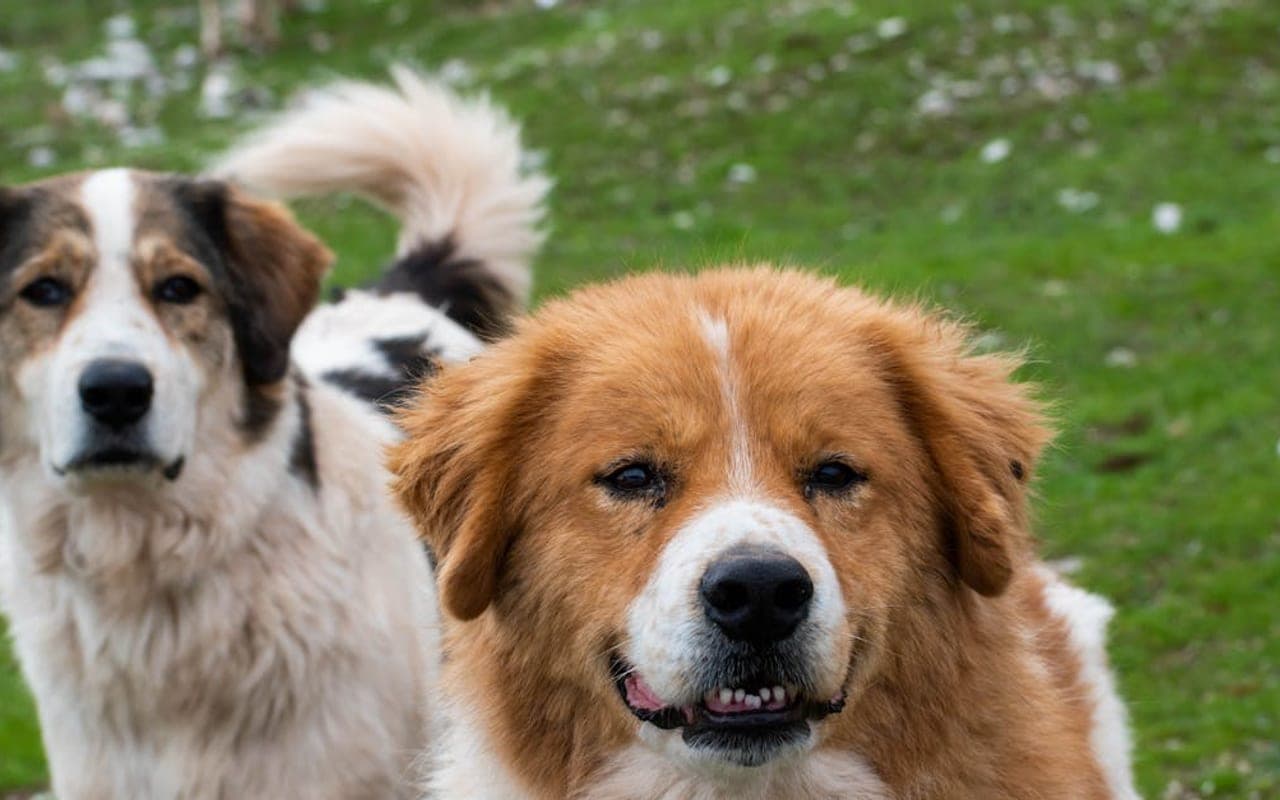
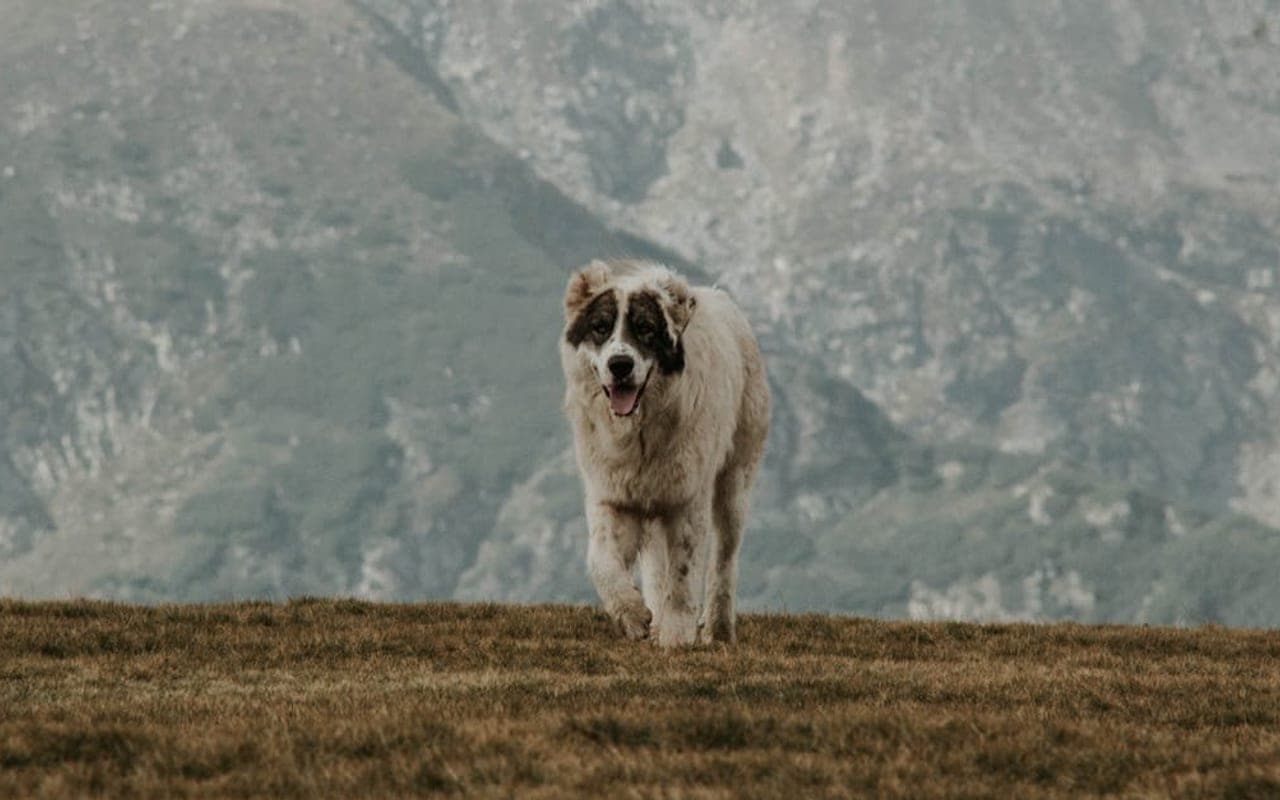
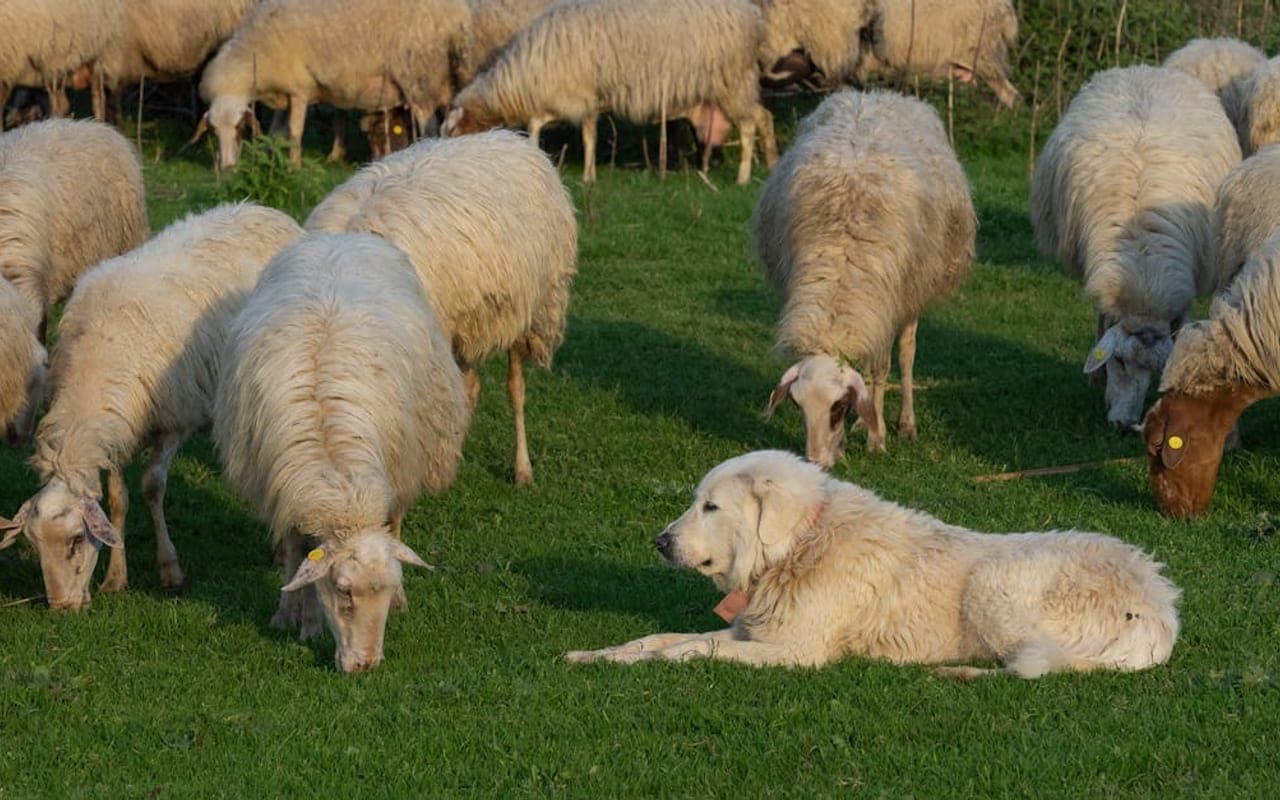
The Romanian Mioritic Shepherd Dog is a large livestock guardian from the Carpathian Mountains — adults commonly run 32-60 kg under a long, profuse, weather-armour double coat — bred over centuries to live among flocks at altitude and confront wolves and bears.
Size
110-143 lb
Lifespan
12-14 years
Exercise
30-60 minutes
Shedding
Moderate
Experience
Match to owner routine
Decision first
Is a Romanian Mioritic Shepherd Dog right for you?
Start with fit before history or trivia. These are ownership signals, not guarantees about any individual dog.
Best suited for
- Households with children.
- Homes with other compatible pets.
- Apartment homes with a consistent routine.
- Owners seeking a manageable daily exercise routine.
Think carefully if
- You need a dog with almost no daily routine.
- You cannot keep up with grooming and preventive care.
- The dog will spend most days alone without support.
Conditional fit
Apartment fit depends on exercise, enrichment, noise management, and outdoor access.
Daily reality
Romanian Mioritic Shepherd Dog commitment snapshot
Daily exercise
30-60 minutes
Match activity to age, health, weather, and training goals.
Coat care
Moderate
Grooming needs vary by coat, shedding, and lifestyle.
Time alone
Needs planning
Most dogs need gradual alone-time conditioning and support.
Structured facts
Romanian Mioritic Shepherd Dog at a glance
The measurements and traits that most affect day-to-day life with this breed.
Group
Foundation Stock Service
Weight
110-143 lb
Height
26-30 in
Lifespan
12-14 years
Temperament
Loyal | Independent | Confident Guardian
View all characteristics and methodology
Lifestyle fit
- Apartment suitability
- Likely fit
- Child friendliness
- Often good, with socialisation and supervision
- Other-pet fit
- Often compatible with careful introductions
Owner commitment
- Exercise
- 30-60 minutes
- Grooming
- Moderate
- Shedding
- Moderate
- Training
- Moderate
Environment and health
- Health risk
- Needs planning
Ratings combine structured breed data, visible breed fields, and editorial context. They are planning aids, not predictions for an individual dog.
Daily life
Romanian Mioritic Shepherd Dog temperament and behavior
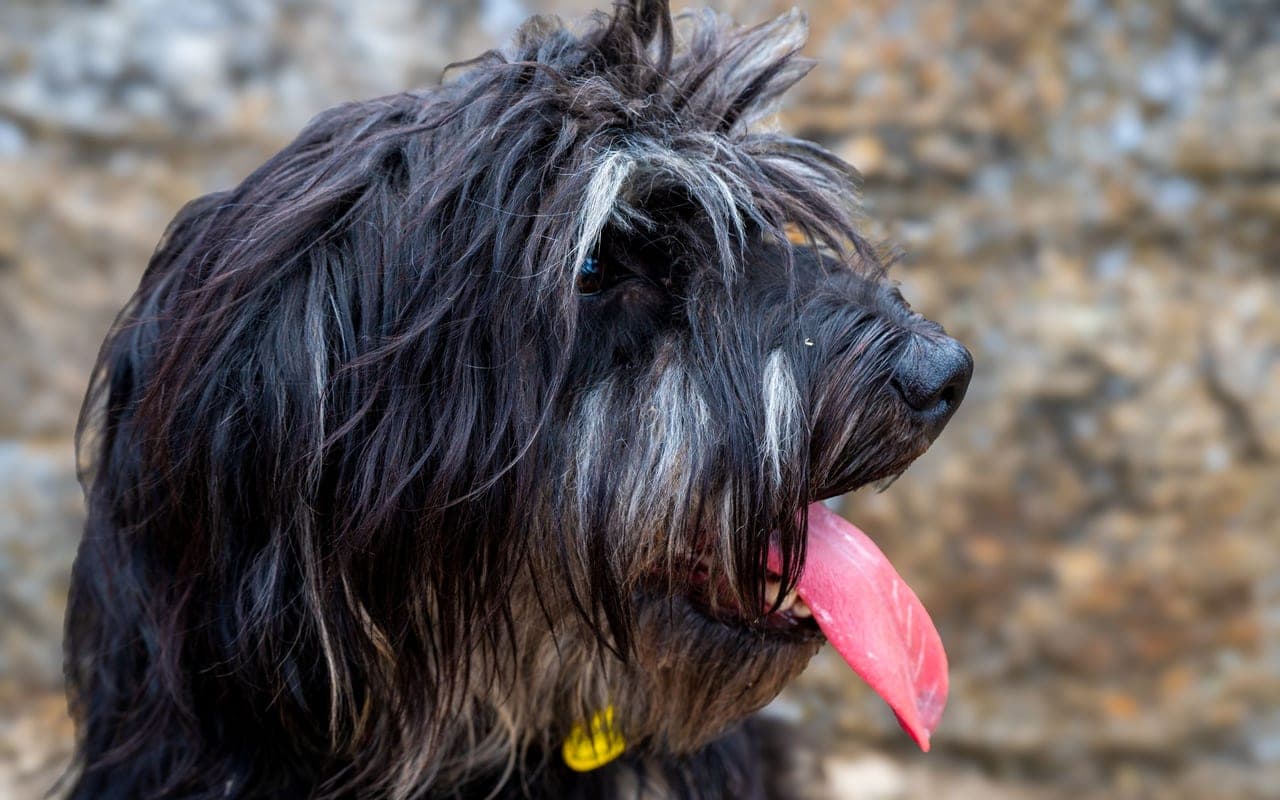
The Romanian Mioritic Shepherd Dog is a large livestock guardian from the Carpathian Mountains — adults commonly run 32-60 kg under a long, profuse, weather-armour double coat — bred over centuries to live among flocks at altitude and confront wolves and bears. Any honest profile has to lead with the combination that defines ownership: a powerful, independent guardian temperament wrapped in a coat that is itself a daily commitment. Temperament is the first decision point. The Mioritic is loyal, reliable and devoted to its family, calm in the home, but independent, strong-willed and deeply mistrusting of strangers — it bonds intensely to its 'pack' (which can include other animals and children it is raised with) and wants very close family ties. It is sensitive under the tough exterior, but it is also a serious territorial guardian that makes its own decisions about threats. This is by design from its working past, not a training defect. The second decision point is the coat. The long, dense double coat is the breed's signature and its biggest hidden time cost: without consistent line-brushing it mats to the skin, and matting drives skin disease. This is not a wash-and-go dog. The trade-off you are accepting: a guardian bred to act on its own judgment in a mountain pasture is not biddable in the obedience sense. It is intelligent and stubborn, needs early and ongoing socialization to keep the natural suspicion controllable, and requires secure containment because it will define and defend territory. Who the Romanian Mioritic is right for: an experienced owner with rural or large-property space, a securely fenced perimeter, time for serious coat care, and neighbours who can tolerate a vocal guardian. Who it is wrong for: apartment life, first-time owners, people who want an obedient social dog, and anyone who underestimates the grooming or the strength of a 50 kg independent guardian.
Loyal | Independent | Confident Guardian
Loyal
A common Romanian Mioritic Shepherd Dog temperament descriptor that should be interpreted alongside training, exercise, and household fit.
Independent
A common Romanian Mioritic Shepherd Dog temperament descriptor that should be interpreted alongside training, exercise, and household fit.
Confident Guardian
A common Romanian Mioritic Shepherd Dog temperament descriptor that should be interpreted alongside training, exercise, and household fit.
Owner note
Temperament labels are starting points, not guarantees. Meet the individual dog and ask about behavior history whenever possible.
Care essentials
How to care for a Romanian Mioritic Shepherd Dog
What looking after one actually involves: exercise, grooming, food, training, and routine health.
ExerciseAs needed
- Moderately active breed needing 30-60 minutes of daily exercise.
GroomingAs needed
- Brush 2-3 times per week.
TrainingAs needed
- Consistent, patient training works best.
NutritionAs needed
- Feed high-quality dog food appropriate for age, size, and activity level.
Veterinary CareAs needed
- Annual wellness exams, vaccinations, dental care, and parasite prevention.
Health planning
Romanian Mioritic Shepherd Dog health risks and screening
Every breed has individual health variation. Use this profile for planning and discuss medical decisions with a veterinarian.
Responsible ownership
Finding a Romanian Mioritic Shepherd Dog responsibly
What to ask a breeder or rescue is the same conversation for every breed, so we keep it in one place and keep it current.
Health documentation, meeting the parents or foster, contracts and return support, and the warning signs worth walking away from.
Original purpose
Romanian Mioritic Shepherd Dog history
History is useful when it explains today's behavior, coat, exercise needs, and training style.
Read the breed history
The Romanian Mioritic Shepherd Dog comes from the Carpathian Mountains of Romania, where shepherds bred it over centuries as a flock guardian to live with sheep and cattle at altitude and to fight off wolves and bears — the name evokes the pastoral 'Mioriţa' tradition central to Romanian shepherding culture. It is a true livestock guardian type: selected for the ability to bond with stock, work independently far from a handler, and confront large predators alone. That selection explains the modern dog's package — the close-bonding 'pack' instinct, the deep suspicion of strangers, the independence and the territorial seriousness are all working traits, not behavioural faults. The breed was given a written standard in the 20th century (FCI standard No. 349) and is maintained by Romanian and international clubs as a rare guardian breed, with records kept in the AKC Foundation Stock Service. For owners the practical takeaway is that this is a functioning guardian temperament in a heavy mountain coat, and both halves of that — the mind and the coat — are full-time commitments.
Gallery
Romanian Mioritic Shepherd Dog photos
Images are cropped consistently and loaded progressively to keep the page responsive.
Lower-page context
Romanian Mioritic Shepherd Dogs in culture
Where the breed shows up in film, sport, work and folklore — the enjoyable part, once the practical questions are answered.
Fun facts
- The Romanian Mioritic Shepherd Dog belongs to the Foundation Stock Service.
- The average lifespan of a Romanian Mioritic Shepherd Dog is 12 to 14 years.
- Romanian Mioritic Shepherd Dog dogs are valued for their loyal, independent, confident guardian nature.
Romanian Mioritic Shepherd Dog FAQs
How long do Romanian Mioritic Shepherd Dogs live?
Typically 12-14 years, which is good for a dog of this size. The factors that decide whether an individual reaches the upper end are keeping it lean from puppyhood to protect the joints, preventing bloat through meal management and a possible gastropexy, and — uniquely for this breed — maintaining the coat so matting never progresses to chronic skin disease. Coat neglect is a genuine long-term health driver here, not just a grooming cosmetic.
Are Romanian Mioritic Shepherd Dogs good with children and other pets?
With its own family it is devoted and gentle, and it tends to fold children and resident animals into the 'pack' it bonds to and protects. The cautions are size and guardian instinct: a 50 kg independent dog can overwhelm a small child by accident, and the breed is strongly suspicious of strangers, so visiting children and unfamiliar dogs require careful management. Early, sustained socialization is essential — this is a guardian by design, not a naturally social breed.
How much grooming does a Romanian Mioritic Shepherd Dog really need?
More than most owners expect — this is the breed's biggest hidden cost in time. The long, dense double coat needs thorough line-brushing 2-3 times a week, rising to daily during the heavy seasonal shed. Skip it and the coat mats to the skin within weeks, and tight mats cause painful skin infections that become a recurring vet expense. Realistically budget several hours of grooming a week, or the resources for regular professional grooming.
How much exercise does a Romanian Mioritic Shepherd Dog need?
Moderate, less than its size suggests. Daily walks plus room to patrol a property satisfy an adult; this is a calm guardian, not an endurance athlete. Do not over-exercise a puppy — forced running, stairs and jumping before 14-18 months damages developing joints in a large breed. A secure territory and a stable routine do more for this dog's wellbeing than long-distance mileage.
How much does it cost to own a Romanian Mioritic Shepherd Dog?
Plan beyond the purchase price. A 32-60 kg dog eats accordingly; grooming is a real recurring cost in time or money; and large-breed medicine adds up — a prophylactic gastropexy is roughly $400-$800, emergency bloat surgery $2,500-$6,000+, and lifelong arthritis and skin management is ongoing. Medication and anesthesia are dosed by weight, so everything costs more. Hip-screened parents and disciplined coat care are the cheapest insurance against the largest bills.
Is the Romanian Mioritic Shepherd Dog a good first dog?
Generally no. It combines large size, an independent guardian temperament that makes its own threat decisions, strong stranger-suspicion, mandatory secure containment, a high-maintenance coat, and large-breed medical costs — a demanding mix for a first-time owner. It suits an experienced owner with rural or large-property space and the time for serious grooming, who wants a loyal protective companion and is prepared to manage the dog through socialization and environment rather than quick obedience.
Sources
These are the published sources this page draws on. Each opens in a new tab so you can check it yourself.
American Kennel Club
Romanian Mioritic Shepherd Dog — breed standard and profile(opens in a new tab)Supports: Breed standard and recognition details.
Similar breeds to consider
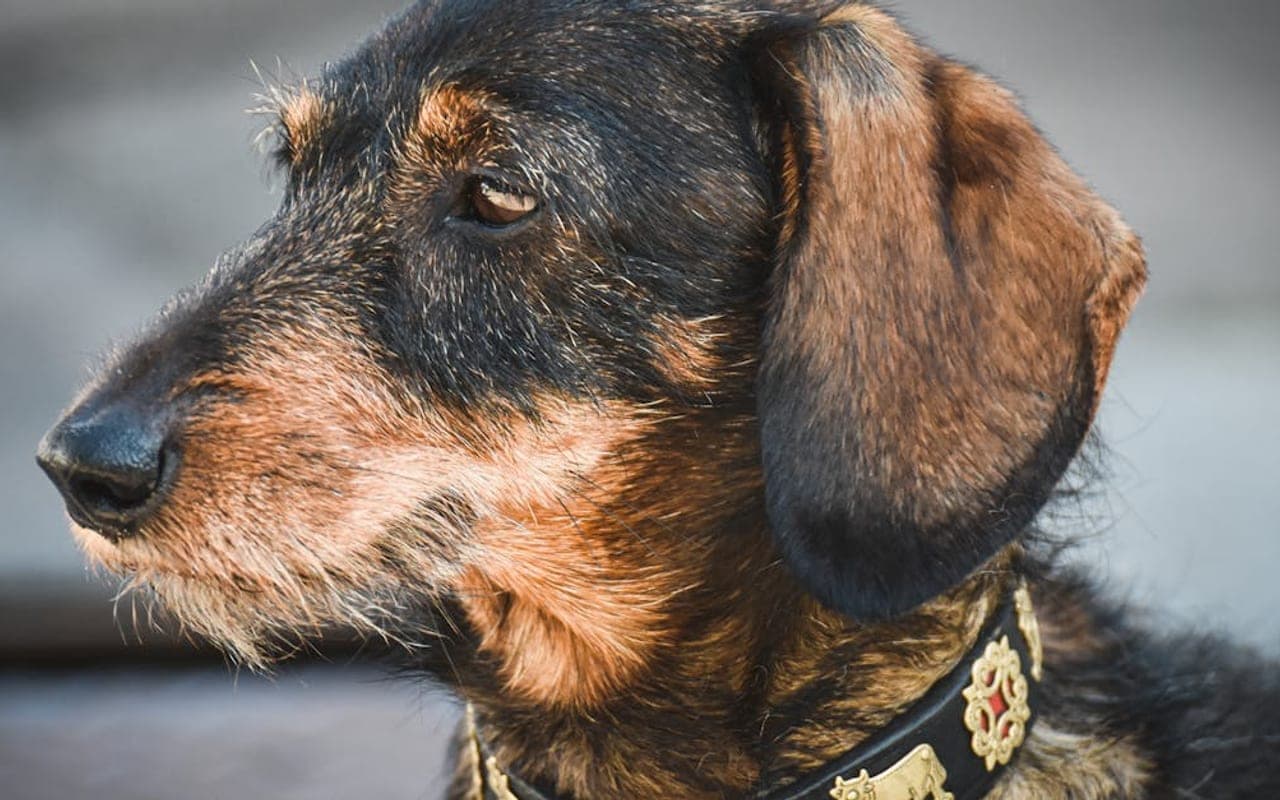
Jagdterrier
Also in the Foundation Stock Service group, with different care and temperament tradeoffs.
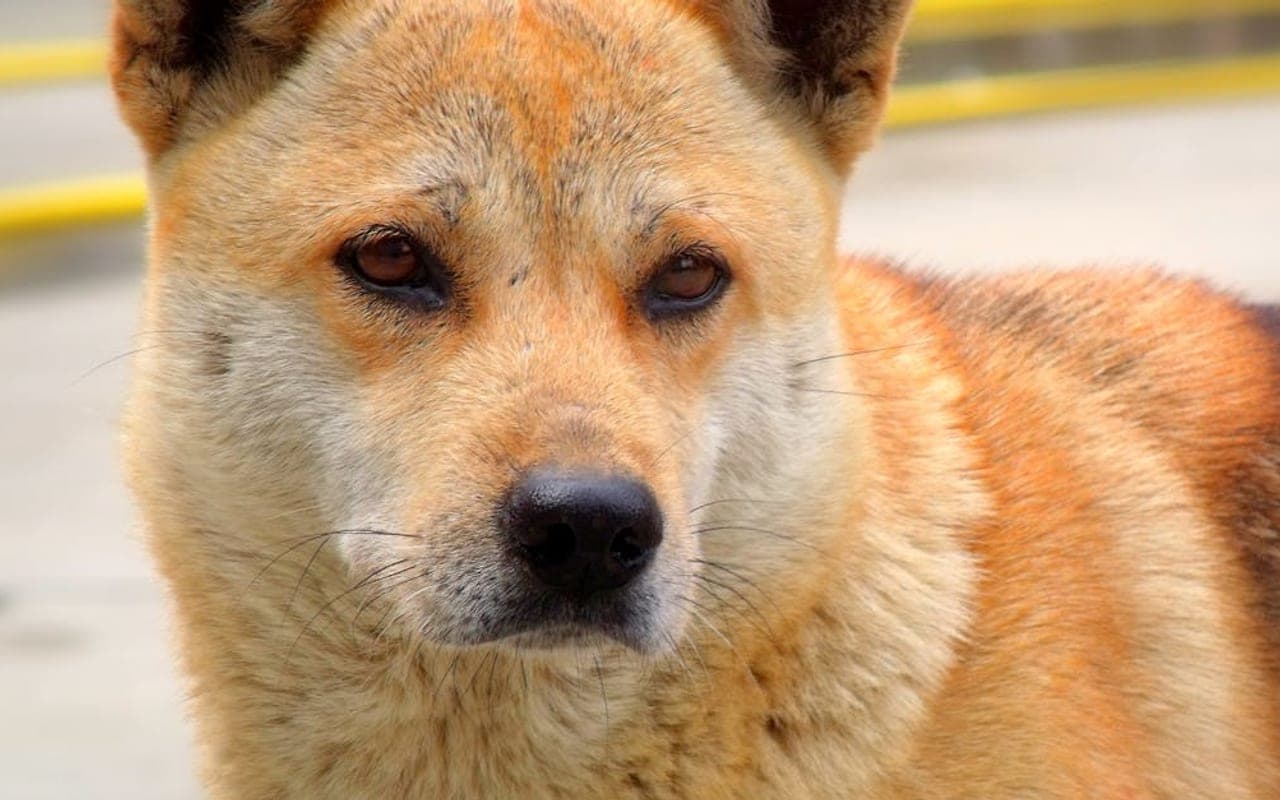
Jindo
Also in the Foundation Stock Service group, with different care and temperament tradeoffs.
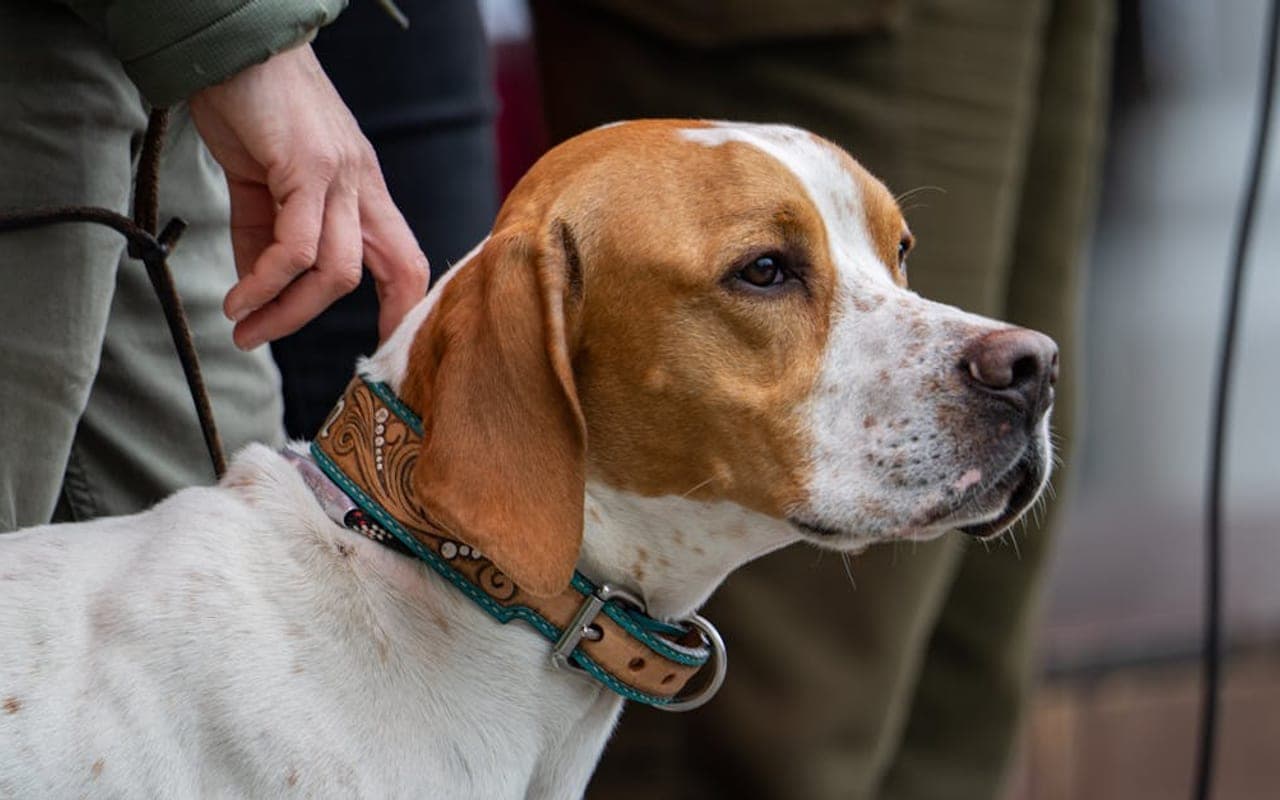
Portuguese Pointer
Also in the Foundation Stock Service group, with different care and temperament tradeoffs.
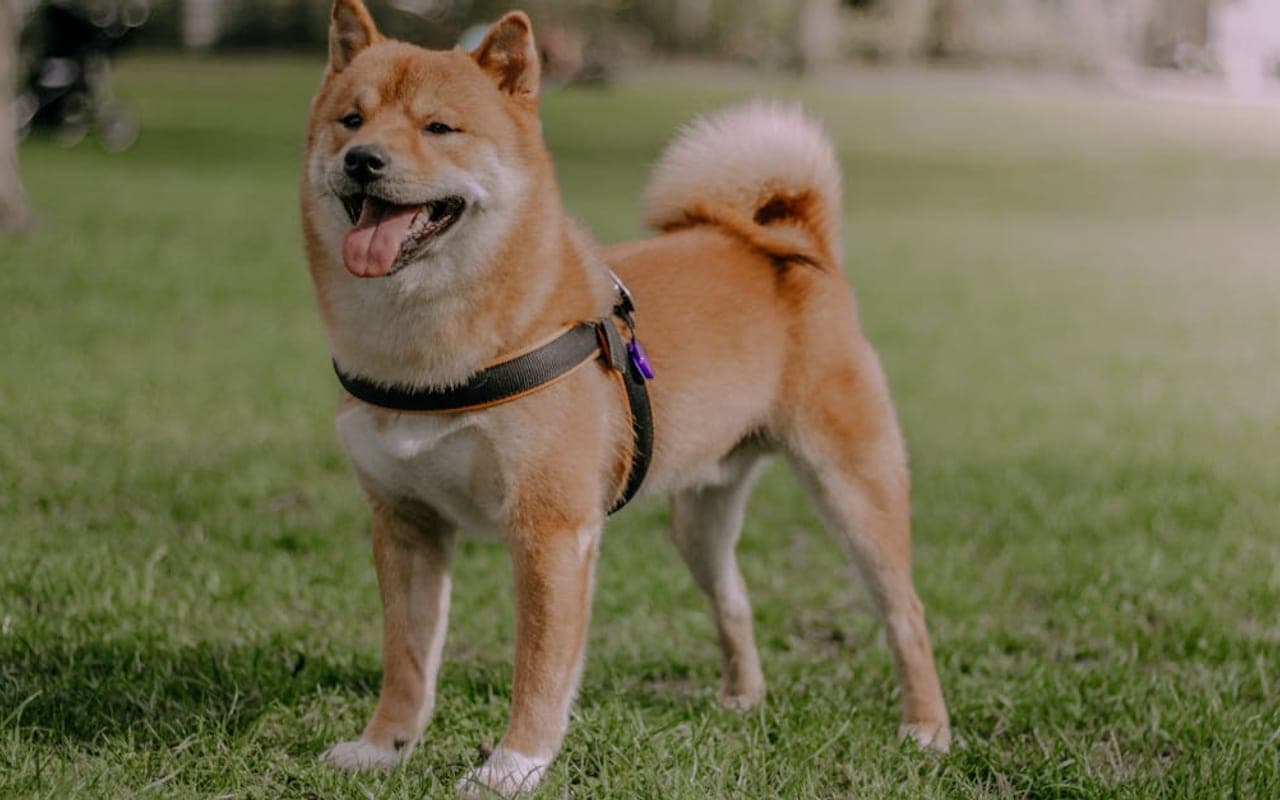
Kishu Ken
Also in the Foundation Stock Service group, with different care and temperament tradeoffs.
Explore More About Romanian Mioritic Shepherd Dog
Dive deeper into everything Romanian Mioritic Shepherd Dog — costs, care, and expert insights.
Considering a cat instead?
Browse Cats