Small Munsterlander Care Guide
The Small Munsterlander at a Glance The Small Munsterlander (Kleiner Münsterländer in its native Germany) is a versatile hunt-point-retrieve gundog developed in the Münster region in the late 19th cen
Reading Time
📖 8 min read
Guide Type
🐾 Breed-Specific
Last Updated
📅 Sep 10, 2026
In This Guide
Overview
The Small Munsterlander at a Glance
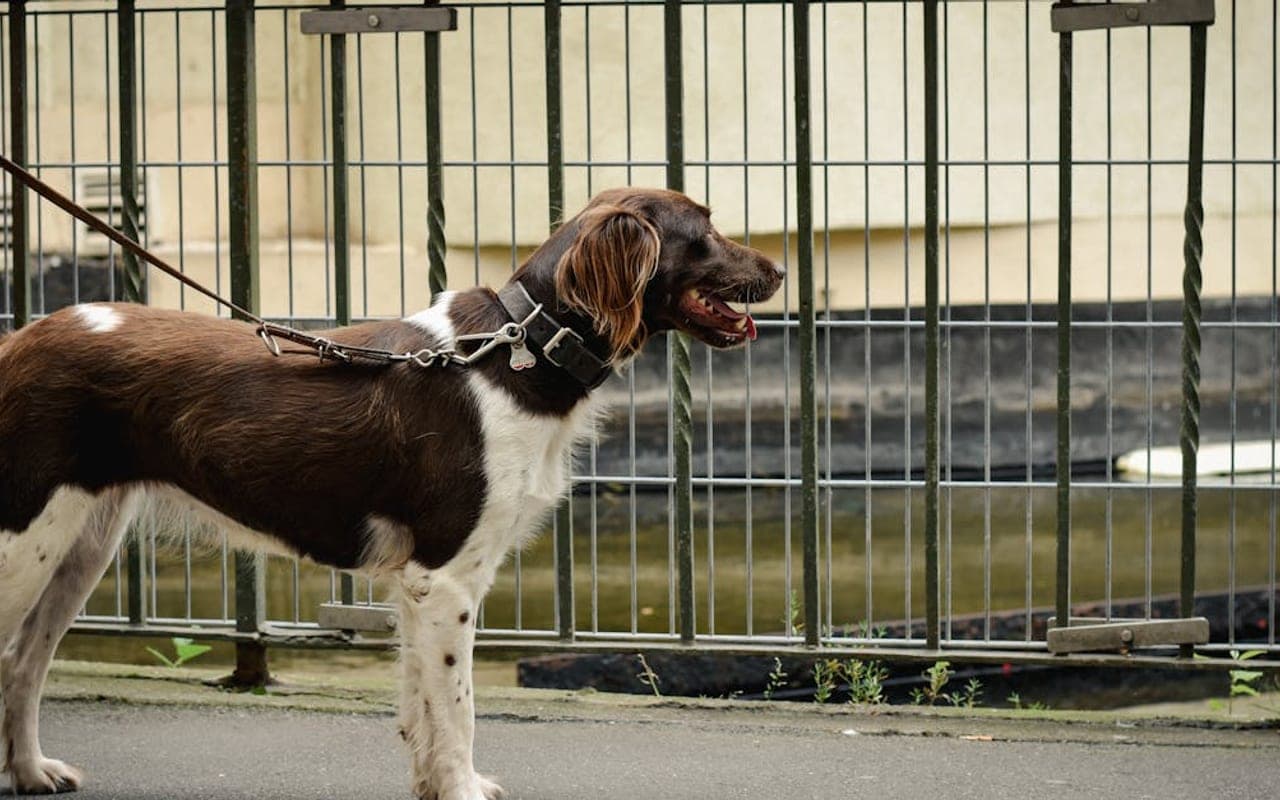
The Small Munsterlander (Kleiner Münsterländer in its native Germany) is a versatile hunt-point-retrieve gundog developed in the Münster region in the late 19th century, reportedly by crossing the German Longhaired Pointer with the spaniel-type Wachtelhund (AKC). It is the smallest of the German pointing breeds, and it earns that "versatile" label literally: the same dog is expected to quarter a field, hold a solid point, track wounded game after the shot, and retrieve enthusiastically from land and water (AKC).
Physically it is a medium-sized, balanced dog rather than a leggy specialist, with a weather-resistant brown-and-white coat, feathered ears, legs, and tail, and the substance to work a full hunting day. Expect an intelligent, highly biddable partner: the breed is described as even-tempered and steady, alert and friendly toward people, keen on close teamwork with its handler, and notably good with children (AKC, Dogster).
That biddability is the appeal and the caution. This is a true working dog with real prey drive and stamina, bred by working-dog clubs for function first. It bonds hard, learns fast, and works at close-to-medium range, which makes it a genuine family companion in the right home. It is not a low-effort, low-activity pet: a Small Munsterlander that is left understimulated will invent its own hunting job, usually one its owners dislike. Give it structured work and daily exercise and it settles into the house calmly.
Exercise
Exercise and Mental Work
Plan for a high-energy working dog, because that is exactly what the Small Munsterlander is. It was bred by hunting clubs to work a full day in the field, and that stamina does not switch off in a suburban home. A quick walk around the block will not satisfy it; it needs vigorous daily exercise plus a real job for its mind (AKC, Dogster).
The physical side means long, active outings, an hour or more, with room to run rather than only leashed pavement walking. The mental side matters just as much. This is a thinking gundog with strong pointing and retrieving instincts and a marked love of water (AKC), so the activities that genuinely tire it are the ones that use those instincts: retrieving drills, scent and tracking games, dummy work, and swimming. Dog sports such as obedience, field trials, agility, and nose work channel the same drive productively. A Small Munsterlander given structured work is calm indoors; one left idle will self-employ, chewing, digging, or roaming, because an unspent hunting brain looks for its own quarry.
For that reason this is not an apartment or low-activity breed, and it does poorly with an owner who is away long hours with nothing to occupy it. It suits an active household that will commit to daily exercise and training.
Because the prey drive and hunting range are real, invest early and heavily in recall. A dog that locks onto a scent or a bird can stop listening, so build a reliable recall before you trust off-leash freedom, and keep the dog leashed or in secure, fenced ground near roads, livestock, or wildlife until that recall is proven.
Grooming
Coat and Grooming
The Small Munsterlander wears a medium-length, water-resistant coat that lies fairly flat, with distinct feathering on the ears, the backs of the legs, and the tail (AKC). It is a functional field coat, not a high-maintenance show coat, so grooming is about keeping that feathering clean and tangle-free rather than elaborate styling.
A thorough brush once a week is usually enough to lift dead hair and stop the longer feathering from matting, because mats form first where the coat is longest and where the dog bends, behind the ears, in the "trousers" on the hind legs, and under the tail. Increase brushing during seasonal shedding, when the coat drops more heavily. Bathe only when the dog is genuinely dirty; over-washing strips the natural oils that make the coat shed water in the field.
The pendulous, feathered ears need real attention because they trap moisture, and this breed loves water. Check inside the ears weekly and after every swim or wet outing, and dry them, because a warm, damp ear canal is where infections start (Dogster). Look for redness, odour, or head-shaking and involve your vet if you see them rather than treating blindly.
Because this is a hunting dog that pushes through cover, treat grooming as a field-safety check too. After work or a long walk, run your hands over the whole dog to find burrs, grass awns, ticks, and small cuts, and check between the toes and pads where debris lodges. Trim nails regularly so they never click on the floor, and brush the teeth on a routine schedule to support long-term dental health.
Health
Health
The Small Munsterlander is generally regarded as a hardy working breed with a comparatively small documented burden of hereditary disease. That is not an accident: it was shaped by hunting-dog clubs selecting for function rather than appearance. Its typical lifespan is often cited at around 12 to 14 years, long for a dog of its size (Dogster). None of that makes an individual dog immune to illness, so the section below is awareness of what to screen and watch for, not a diagnosis; anything unusual in your own dog is a conversation for your veterinarian.
Hip dysplasia
Hip dysplasia, where the hip joint develops abnormally and wears prematurely, is the concern the breed's own guardians take most seriously, because it is heritable and screenable. The Small Munsterlander Club of North America requires breeding dogs to be hip-cleared through a recognised registry, an OFA rating of good or excellent after 24 months of age, or a PennHIP score of 0.50 or better, before a litter is approved (Small Munsterlander Club of North America). So ask to see both parents' hip clearances, because screening breeding stock is the most useful lever against this condition. In an affected dog, weight control, veterinary-guided exercise, and sometimes surgery help manage it, but there is no cure.
Ears and skin
The pendulous, feathered ears that suit a water-loving gundog also trap warmth and moisture, and ear infections are among the problems most often noted in the breed (Dogster). Because this dog swims and works wet cover by design, dry the ears after every swim, check them weekly for redness or odour, and see your vet at the first sign of trouble rather than using a home remedy. Skin problems are also mentioned (PetGuide), so flag persistent itching, hair loss, or hot spots to your vet.
Bloat awareness for a deep-chested sporting dog
Bloat, or gastric dilatation-volvulus (GDV), is when the stomach fills with gas and can then twist; it is a life-threatening emergency most common in larger, deep-chested dogs (VCA). The Small Munsterlander is a medium breed and not among the classic highest-risk breeds, but any active, deeper-chested dog warrants basic awareness. Vet-backed precautions include feeding two or three smaller meals rather than one large one and discouraging frantic gulping (VCA). Learn the warning signs, a swollen or hard belly, unproductive retching, restlessness, and drooling, and treat them as an immediate emergency.
Eyes and other conditions to keep on the radar
Some sources list conditions that can appear but are not universal, so treat these as hedged, not expected. Progressive retinal atrophy, an inherited eye disease that gradually reduces vision, and hypothyroidism, a treatable hormone deficiency, are both mentioned as possible in the breed (Dogster). Because these are individual, not breed-defining, the practical response is routine check-ups, asking a breeder about eye testing in the line, and reporting changes such as night-vision loss, unexplained weight gain, or lethargy to your vet. Keeping vaccinations, parasite prevention, dental care, and diet current does more for a working dog's long life than reacting late.
The honest summary: a robust breed with a light hereditary load, whose best-documented risk, hip dysplasia, is the one good screening addresses. Buy from health-tested parents and involve your vet early.
Frequently Asked Questions
Is the Small Munsterlander a healthy breed?
Generally yes, a hardy working breed with a comparatively small documented hereditary-disease burden and a typical lifespan of about 12 to 14 years (Dogster). That does not make any individual dog immune — breeders still screen for hip dysplasia, and conditions like PRA and hypothyroidism are watched for — so keep up routine veterinary care.
What health test matters most before buying a puppy?
Hip screening. The Small Munsterlander Club of North America requires breeding dogs to be hip-cleared, an OFA good or excellent rating after 24 months or a PennHIP score of 0.50 or better, so ask to see both parents' results (Small Munsterlander Club of North America).
Why do this breed's ears need special attention?
The ears are pendulous and feathered and the breed loves water, which traps moisture and makes ear infections a commonly noted problem (Dogster). Dry them after swimming, check them weekly, and see your vet if you notice odour or redness.
Should I worry about bloat?
Bloat (GDV) is a life-threatening emergency most common in larger, deep-chested dogs; this medium breed is not among the highest-risk breeds, but awareness is sensible (VCA). Feed smaller meals, discourage gulping, and treat a swollen belly with unproductive retching as an immediate emergency.
Sources
This guide draws on the following published references. Each opens in a new tab so you can check it against what you have read here.
American Kennel Club (AKC)
Small Munsterlander - Dog Breed Information(opens in a new tab)Small Munsterlander Club of America
Small Munsterlander Club of America — Home(opens in a new tab)Dogster
Small Munsterlander: Info, Pictures, Facts, & Traits(opens in a new tab)VCA Animal Hospitals
Hip Dysplasia in Dogs(opens in a new tab)
Affiliate disclosure: We may earn a commission from qualifying purchases. This doesn't affect our recommendations.
Recommended Products
Small Munsterlander Care Guide Book
Breed-focused reading and owner references for Small Munsterlander care, training, grooming, and health planning.
Small Munsterlander Food and Supplies
Helpful supplies for small munsterlander dog supplies routines at home.
Small Munsterlander Grooming Tools
Helpful supplies for small munsterlander grooming tools routines at home.
Get personalized pet care tips
Join our newsletter for breed-specific advice, care guides, and expert tips delivered weekly.
No spam, ever. Unsubscribe anytime.