
Miscellaneous Class group
Small Munsterlander
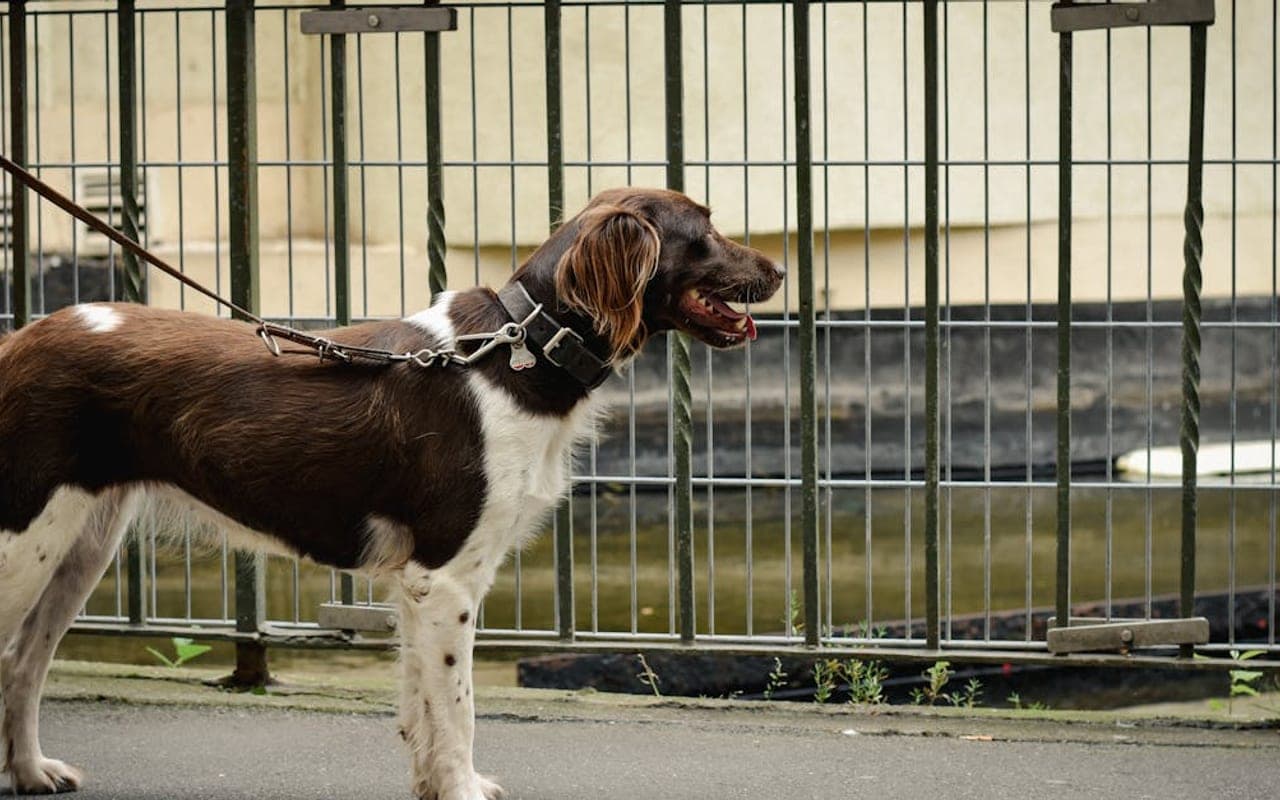
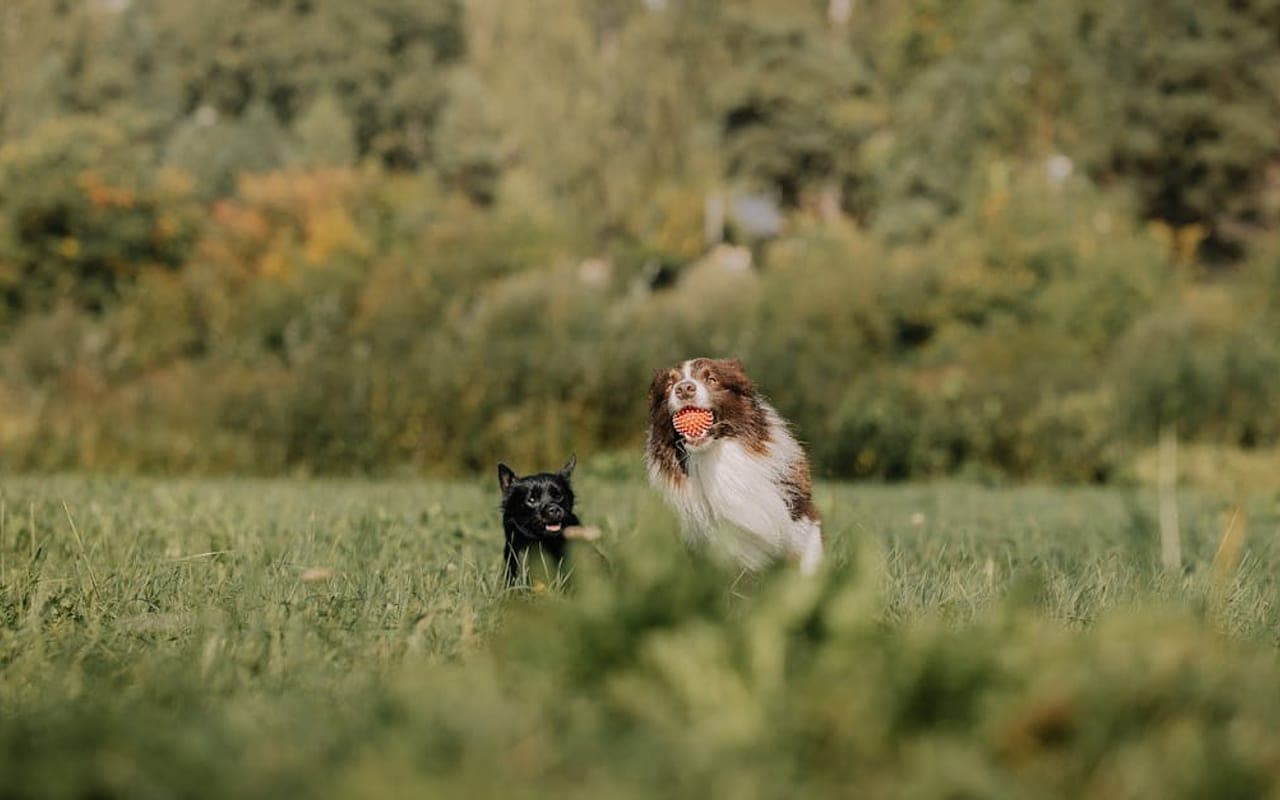
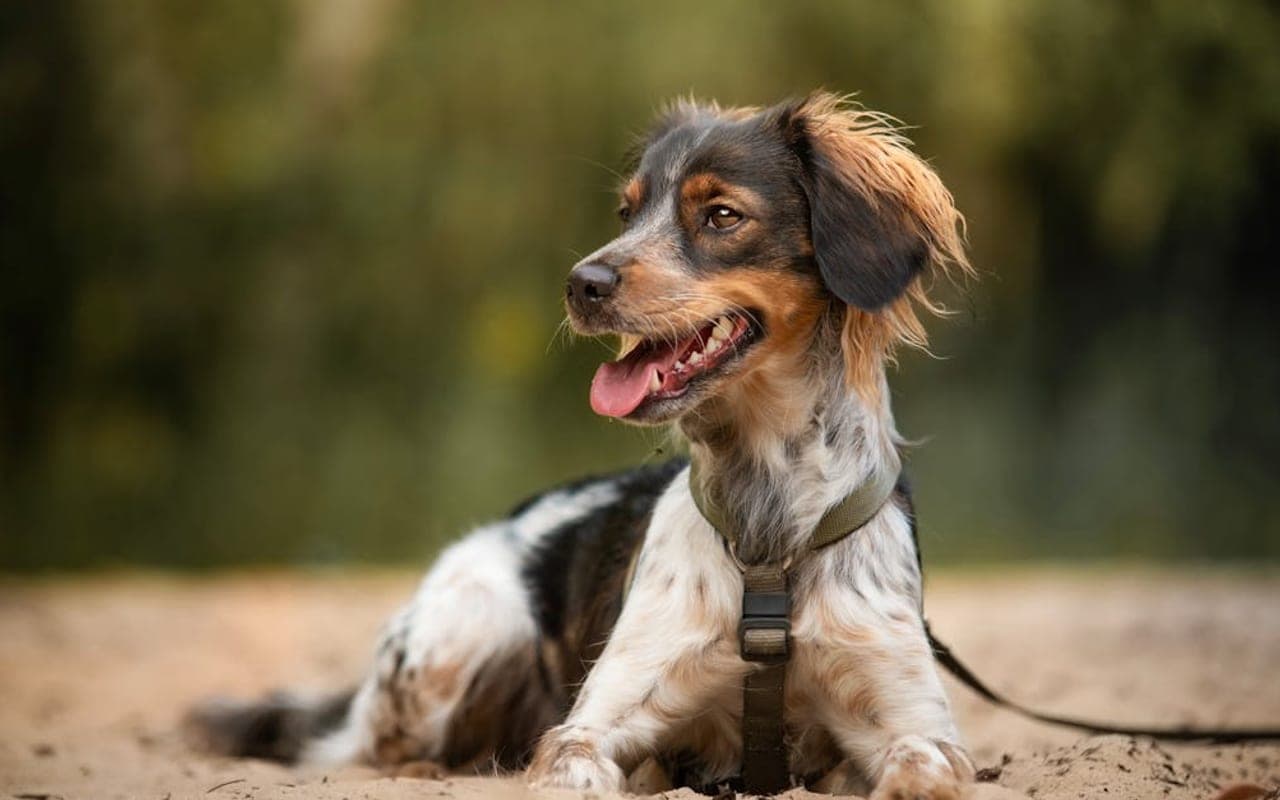
The Small Munsterlander is a German versatile hunting dog — a 33-44 lb pointing, retrieving and tracking breed with a medium, water-resistant coat and a working brain that does not switch off because you bought it as a pet.
Size
37-55 lb
Lifespan
12-15 years
Exercise
30-60 minutes
Shedding
Moderate
Experience
Match to owner routine
Decision first
Is a Small Munsterlander right for you?
Start with fit before history or trivia. These are ownership signals, not guarantees about any individual dog.
Best suited for
- Households with children.
- Homes with other compatible pets.
- Owners seeking a manageable daily exercise routine.
Think carefully if
- You need a dog with almost no daily routine.
- You cannot keep up with grooming and preventive care.
- The dog will spend most days alone without support.
Conditional fit
Apartment living may be difficult unless the owner can meet the breed's exercise, training, and space needs.
Daily reality
Small Munsterlander commitment snapshot
Daily exercise
30-60 minutes
Match activity to age, health, weather, and training goals.
Coat care
Moderate
Grooming needs vary by coat, shedding, and lifestyle.
Time alone
Needs planning
Most dogs need gradual alone-time conditioning and support.
Structured facts
Small Munsterlander at a glance
The measurements and traits that most affect day-to-day life with this breed.
Group
Miscellaneous Class
Weight
37-55 lb
Height
20-22 in
Lifespan
12-15 years
View all characteristics and methodology
Lifestyle fit
- Apartment suitability
- Needs caution
- Child friendliness
- Often good, with socialisation and supervision
- Other-pet fit
- Often compatible with careful introductions
Owner commitment
- Exercise
- 30-60 minutes
- Grooming
- Moderate
- Shedding
- Moderate
Environment and health
- Health risk
- Needs planning
Ratings combine structured breed data, visible breed fields, and editorial context. They are planning aids, not predictions for an individual dog.
Daily life
Small Munsterlander temperament and behavior
The Small Munsterlander is a German versatile hunting dog — a 33-44 lb pointing, retrieving and tracking breed with a medium, water-resistant coat and a working brain that does not switch off because you bought it as a pet. The name is misleading on two counts: it is not a small version of the Large Munsterlander (they are distinct breeds with separate histories), and "small" describes size, not intensity. This is a high-drive gundog in a manageable body. What makes the Small Munsterlander unusual, and what its admirers value, is a genuinely tractable temperament fused to that drive. Unlike some pointing breeds, it is people-oriented, biddable, and bonds tightly to its family — affectionate and gentle in the house, good with children it is raised with. The North American breed program (SMCNA) deliberately preserved both the working ability and that cooperative temperament, which is why the breed has stayed sound rather than splitting into hyper field lines and soft show lines. Here is the honest trade-off. The Small Munsterlander has one of the cleanest hereditary health profiles of any sporting breed — not because it is lucky, but because the breed clubs require hip, eye and working clearances before a dog is bred. You are getting a structurally sound dog. In exchange, you are taking on a true hunting drive: this dog needs a job. Without substantial daily exercise and mental work it becomes restless, vocal and destructive. The low health risk and the high activity requirement are two sides of the same well-managed breed. Who it is right for: an active owner — hunter, field-sport competitor, or a runner/hiker who will commit to real daily work and training. Who it is wrong for: a low-activity household, or someone who wants the easy health profile without the exercise obligation that comes attached to it.
Owner note
Temperament labels are starting points, not guarantees. Meet the individual dog and ask about behavior history whenever possible.
Care essentials
How to care for a Small Munsterlander
What looking after one actually involves: exercise, grooming, food, training, and routine health.
NutritionAs needed
- Feed high-quality dog food appropriate for age and size.
Health planning
Small Munsterlander health risks and screening
Every breed has individual health variation. Use this profile for planning and discuss medical decisions with a veterinarian.
Responsible ownership
Finding a Small Munsterlander responsibly
What to ask a breeder or rescue is the same conversation for every breed, so we keep it in one place and keep it current.
Health documentation, meeting the parents or foster, contracts and return support, and the warning signs worth walking away from.
Original purpose
Small Munsterlander history
History is useful when it explains today's behavior, coat, exercise needs, and training style.
Read the breed history
The Small Munsterlander traces to the Munster region of Germany, where versatile bird dogs of this type were kept by farmers and foresters well before formal breeding. It was rescued from near-disappearance in the early 20th century when German breeders, notably around the Munster area, gathered the remaining regional dogs and formalized the breed around 1912. Despite the shared place name, it is genetically and historically distinct from the Large Munsterlander, which descends from longhaired pointer lines. The breed was developed and has been maintained as a foot-hunter's all-rounder: point, retrieve on land and from water, and track wounded game. That working mandate shaped a dog with stamina, a strong nose and a cooperative attitude. Crucially, the North American breed club (SMCNA) requires hip, eye and working-ability evaluations before breeding approval — a deliberate gatekeeping system that is the direct reason the breed's hereditary disease incidence is genuinely low rather than merely claimed. The breed is recognized in the AKC Foundation Stock Service and remains uncommon outside hunting circles.
Gallery
Small Munsterlander photos
Images are cropped consistently and loaded progressively to keep the page responsive.
Lower-page context
Small Munsterlanders in culture
Where the breed shows up in film, sport, work and folklore — the enjoyable part, once the practical questions are answered.
Fun facts
- With proper care, this breed can live 12 to 15 years.
Small Munsterlander FAQs
How long do Small Munsterlanders live?
A Small Munsterlander typically lives about 12-15 years, which is strong for a medium sporting breed and reflects a genuinely clean hereditary profile rather than luck. That longevity holds best when the dog stays lean to protect its hips, gets the substantial daily exercise it was bred to need, and comes from SMCNA-screened parents with documented hip and eye clearances. The health and the activity requirement are linked — this is a sound breed that needs to work.
Is the Small Munsterlander a healthy breed?
Yes, unusually so for a sporting breed — and the honest reason is gatekeeping, not chance. The North American breed club requires hip, eye and working evaluations before a dog can be bred, which has kept hereditary disease incidence genuinely low. Hip dysplasia and a few inherited eye conditions remain the conditions to screen for. The trade-off for that clean profile is a true hunting drive: you get a sound dog that absolutely must have a job.
Are Small Munsterlanders good family dogs?
Yes, with a firm condition. They are people-oriented, biddable and gentle with children they are raised with — more cooperative than many pointing breeds. But they are high-drive gundogs that need 60+ minutes of vigorous daily exercise plus mental work. In an active household they are wonderful companions; in a low-activity home the same dog becomes restless, vocal and destructive. The temperament is family-friendly; the energy requirement is not flexible.
Is the Small Munsterlander the same as the Large Munsterlander?
No. Despite the shared place name they are separate breeds with distinct origins — the Large Munsterlander descends from longhaired pointer lines, while the Small Munsterlander comes from older regional German bird-dog stock and was formalized around 1912. They differ in size, coat and breeding history. Buying decisions, health screening expectations and breed-club programs are specific to each, so do not assume information about one applies to the other.
How much exercise does a Small Munsterlander need?
Plan on at least 60 minutes of vigorous activity daily plus deliberate mental work — retrieving, scent games, field training or dog sports. Physical exercise alone is not enough; the working brain needs a task. Under-stimulation is the most common problem owners report and it shows up as barking, restlessness and destruction, not as an inherited temperament fault. If a well-cared-for Small Munsterlander is acting out, treat boredom as the first diagnosis.
What grooming does a Small Munsterlander need?
Moderate. Brush the medium feathered coat once or twice a week to stop tangles forming behind the ears and on the legs and tail. The more important routine is the ears: check and dry the pendant ears weekly and after every swim or wet field outing, because trapped moisture drives recurrent ear infections — the breed's most common non-hereditary health cost. Also check paws and skin for grass seeds after field work, which can migrate and abscess.
Sources
These are the published sources this page draws on. Each opens in a new tab so you can check it yourself.
American Kennel Club
Small Munsterlander — breed standard and profile(opens in a new tab)Supports: Breed standard and recognition details.
Similar breeds to consider
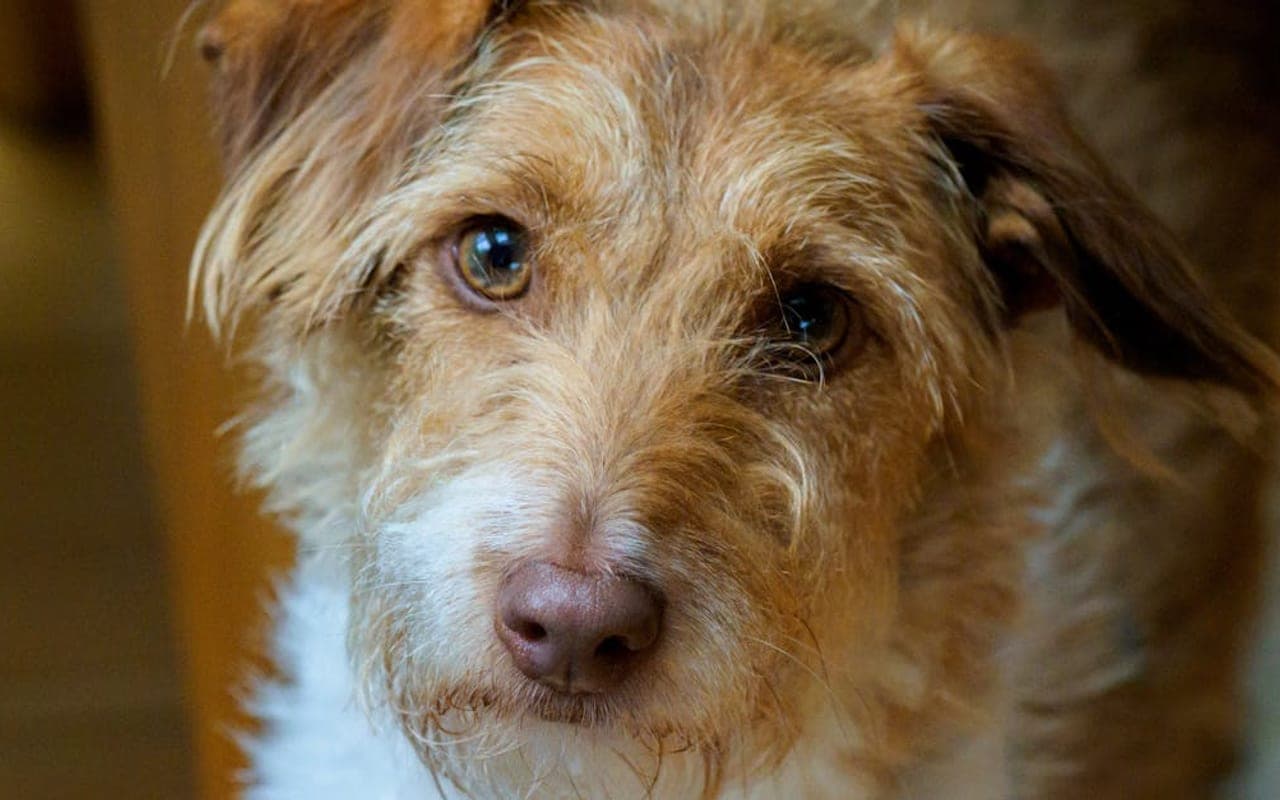
Portuguese Podengo
Also in the Miscellaneous Class group, with different care and temperament tradeoffs.
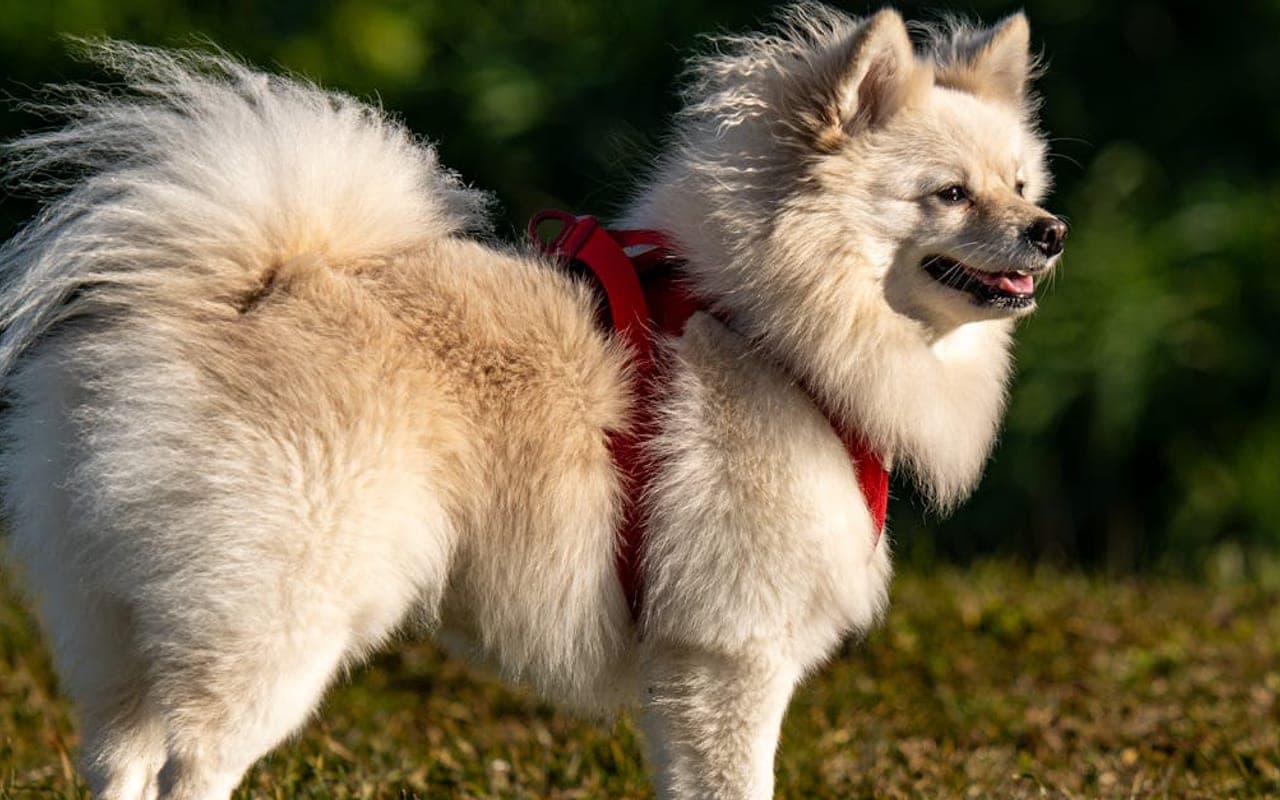
German Spitz
Also in the Miscellaneous Class group, with different care and temperament tradeoffs.
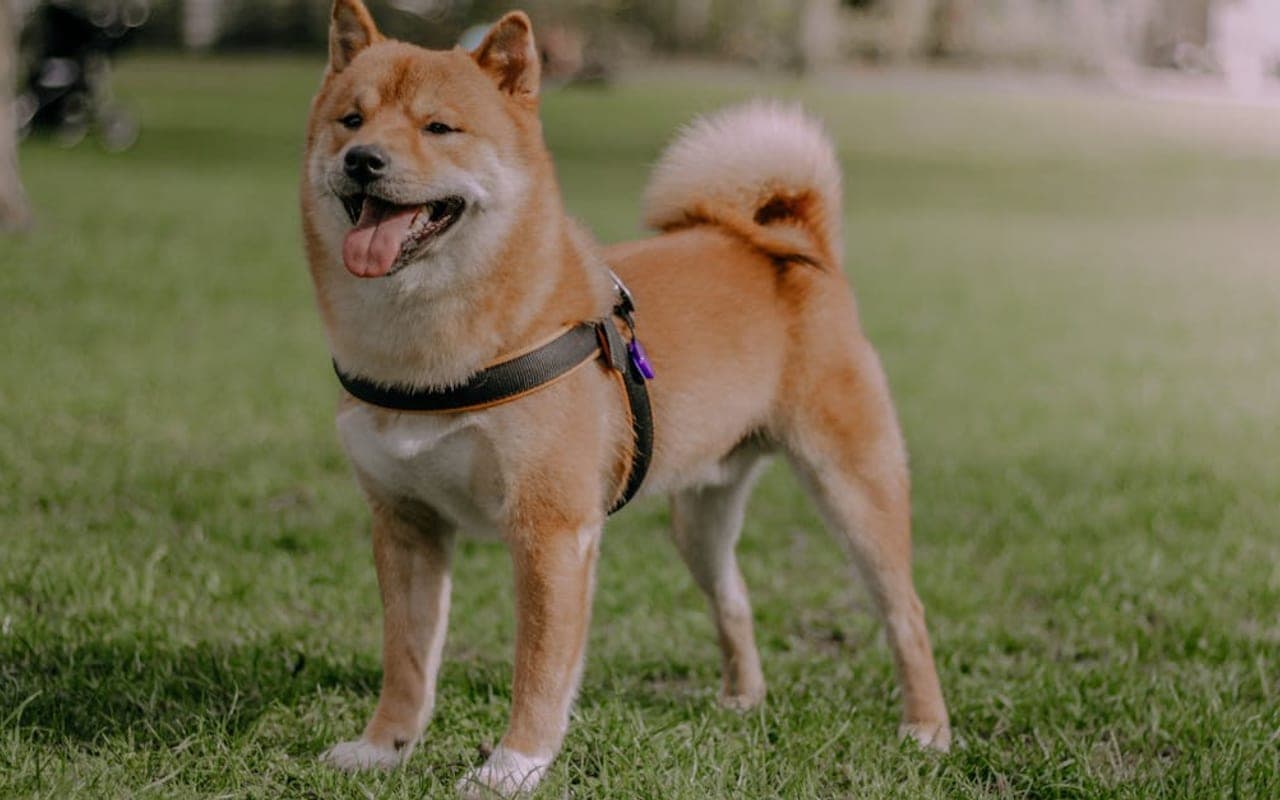
Kai Ken
Also in the Miscellaneous Class group, with different care and temperament tradeoffs.
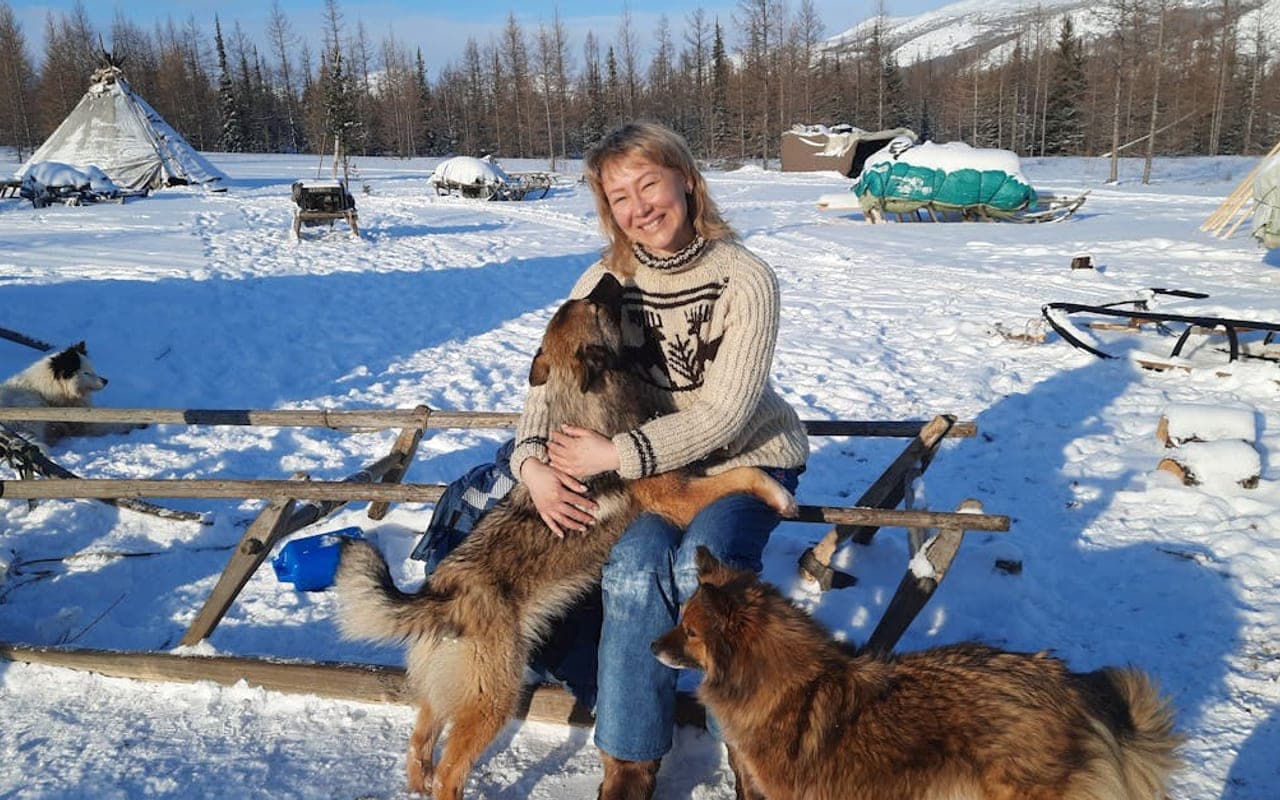
Yakutian Laika
Also in the Miscellaneous Class group, with different care and temperament tradeoffs.
Explore More About Small Munsterlander
Dive deeper into everything Small Munsterlander — costs, care, and expert insights.
Considering a cat instead?
Browse Cats