
Whippet Care Guide
The Whippet at a Glance The Whippet is a medium-small English sighthound, bred in the industrial towns of northern England in the 1800s as a working man's coursing and racing dog. Miners and mill work
In This Guide
Overview
The Whippet at a Glance
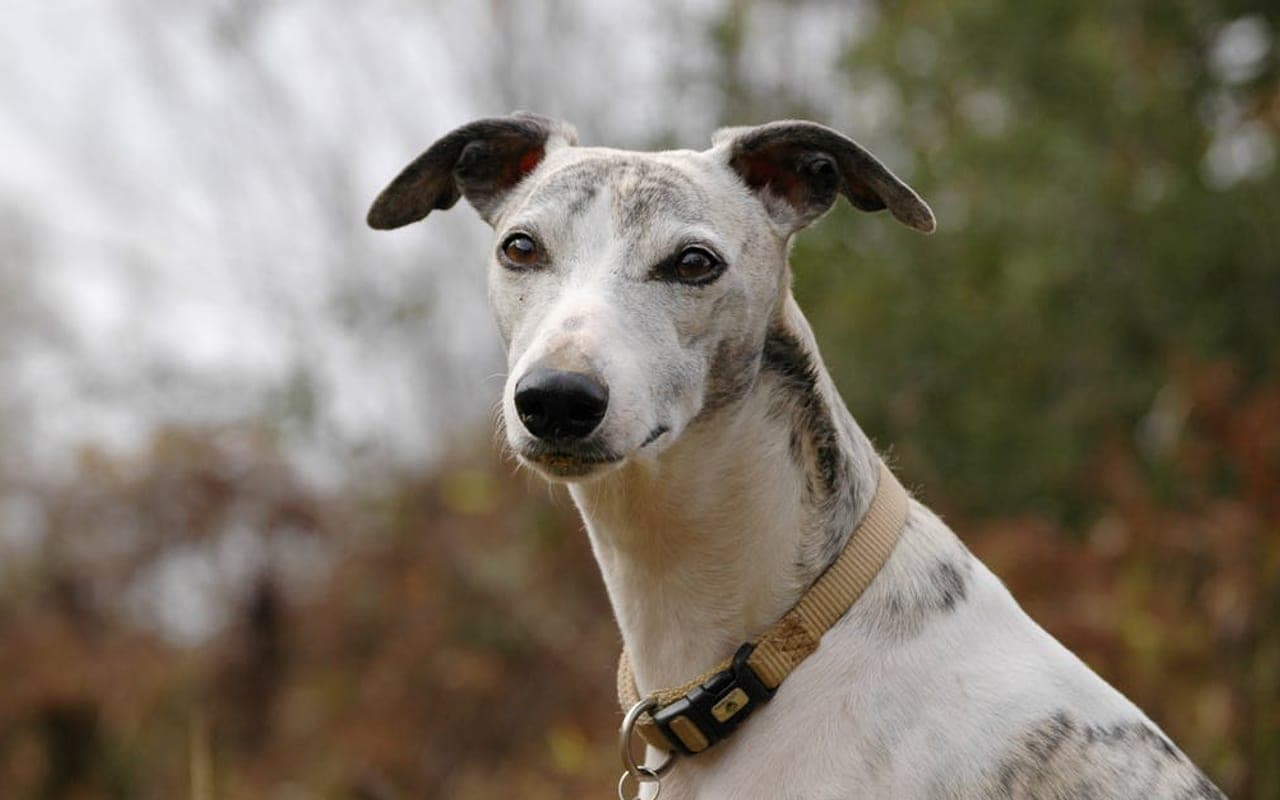
The Whippet is a medium-small English sighthound, bred in the industrial towns of northern England in the 1800s as a working man's coursing and racing dog. Miners and mill workers wanted a compact greyhound they could feed on a modest budget and race for prize money on a Sunday, which earned the breed its enduring nickname, the "poor man's racehorse" (American Kennel Club). It stands roughly 18 to 22 inches at the shoulder and usually weighs about 25 to 40 pounds, so it slots neatly between the Italian Greyhound and the full-sized Greyhound rather than being a scaled copy of either.
Everything about the Whippet's build serves one purpose: the sprint. The deep chest, tucked-up waist, long lean legs, and flexible spine let it reach and unfold at a flat-out gallop, and for its size it is one of the fastest animals on earth over a short distance. Historically that speed was aimed at rabbits in open coursing and at a waved rag or lure on a straight track; today the same instinct shows up in lure coursing, flyball, and simple hard runs in a safe field.
The coat is short, close, and smooth, which keeps grooming minimal but leaves the dog with little insulation against cold or hard surfaces. Temperamentally the Whippet is a study in contrasts, and this is the trait new owners most often underestimate. Outdoors it is explosive and single-minded once something moves; indoors it is famously quiet, gentle, and affectionate, a true "velcro" companion that wants to be pressed against you under a blanket. It is often mistaken for a small Saluki, but it is a distinct breed: the Whippet is English rather than Middle Eastern, smaller, short-coated, and built for a brief sprint rather than long-distance desert stamina.
Exercise
Exercising the Whippet
A Whippet is built to sprint, not to slog, and matching its exercise to that design is the single most important thing an owner can get right. The breed wants short, intense bursts of hard galloping where it can open up to full speed, because that flat-out run is what the whole lean, deep-chested body was shaped to do. A couple of daily leashed walks keep the mind engaged, but they do not satisfy the need to actually run, so most Whippets do best with regular chances to gallop freely in a securely fenced field or yard. After a good sprint the same dog will happily collapse into a cushion for hours; Whippets are notoriously calm and sleepy indoors, and a tired one is an easy housemate rather than a bouncing nuisance.
Prey Drive and Safety
The flip side of that speed is a hard-wired prey drive that overrides training in the moment. When something small moves fast, a Whippet locks on and chases, and at close to racing speed it will be out of earshot before a recall lands, which is why off-leash freedom belongs only inside secure fencing and never near roads. Treat reliable recall as a bonus, not a safety plan, and keep the dog leashed anywhere a bolting dog could reach traffic, because a moment's chase can end badly. Fencing should be solid and reasonably high, since a motivated Whippet can clear a low barrier from a standstill. It is also worth remembering what this breed is not: it is a sprinter, not an endurance athlete, so a Whippet is a poor choice as a distance running or cycling partner and can overheat or tire on long steady miles that a working dog would shrug off. Aim for intensity and recovery rather than duration.
Grooming
Grooming the Whippet
Coat care for a Whippet is about as light as dog grooming gets, because the short, fine, single-layer coat sheds dirt easily and carries almost no odor. A rubber curry mitt or a soft bristle brush once a week is enough to lift loose hairs and spread the skin's natural oils, and baths are only needed occasionally, since frequent washing strips those oils and dulls the thin coat. This low-maintenance coat is a genuine perk of the breed, but it comes paired with skin that needs more thought than the brushing does.
Skin, Cold, and Comfort
The same lean build that makes a Whippet fast leaves it with very little body fat and thin, delicate skin stretched over prominent bone. Two practical consequences follow, and both deserve a "because." First, the skin nicks, tears, and grazes easily on fences, brambles, and rough play, so it is worth checking legs and flanks after any hard run and keeping small wounds clean rather than assuming a short-coated dog is trouble-free. Second, with little fat or coat for insulation, Whippets genuinely feel the cold and can shiver or refuse to toilet in bad weather, which is why a well-fitted coat or sweater for winter walks is a comfort measure rather than a fashion one. Indoors, give the dog soft, well-padded bedding, because the bony points at the elbows, hips, and sternum press hard against thin skin and can develop pressure calluses or sores on a hard floor. Nails should be trimmed every few weeks so they never click on the floor or splay the toes, and teeth benefit from regular brushing to slow tartar buildup. Check the skin around the ears and eyes during these sessions so problems are caught early.
Health
Whippet Health
Whippets are generally hardy, long-lived dogs, and the American Whippet Club describes the breed as one of the healthier purebreds. That reputation is earned, but it does not mean "no special care." A few concerns tie directly to the breed's lean, sighthound physiology. None of this replaces a veterinary exam.
Anesthesia and Medication Sensitivity
The most important thing to tell a vet who has not treated the breed is that a Whippet is a sighthound, and sighthounds handle anesthesia and some sedatives differently from typical dogs. The reason is physiological: these breeds carry very little body fat, and lean bodies clear certain fat-soluble anesthetic drugs more slowly, so a standard dose can run deeper and longer than expected (VCA Animal Hospitals). Veterinary anesthesia references have long flagged sighthounds like the Greyhound and Whippet for slower recovery and a greater tendency to lose body heat under anesthesia. This is separate from the MDR1 (ABCB1) gene seen in herding breeds such as Collies; the Whippet's sensitivity is about lean-body drug handling, not that mutation. The practical step: use a vet familiar with sighthound protocols before any procedure requiring sedation.
The Myostatin ("Bully Whippet") Gene
One of the most famous genetic findings in any dog breed lives in the Whippet. A 2007 study published in PLOS Genetics by Mosher and colleagues identified a mutation in the myostatin gene (MSTN), which normally limits muscle growth. Dogs carrying a single copy tend to be more muscular and, on average, measurably faster on the racetrack, so the variant is comparatively common in racing lines. Dogs that inherit two copies develop a heavily over-muscled body known as the "bully whippet." The nuance is reassuring: single-copy carriers are healthy, athletic animals, and the double-muscled phenotype is the notable but uncommon outcome, not a widespread disease. Breeders test for the variant; a pet owner rarely needs to act on it.
Heart Health
Cardiac screening deserves real attention here. The American Whippet Club recommends that breeding dogs receive periodic heart evaluations, because a portion of the population carries some mitral valve regurgitation that can, in some dogs, progress to more significant mitral valve disease. Soft murmurs are also detected fairly often in outwardly healthy Whippets; some puppy murmurs are harmless and outgrown, but any murmur is worth an echocardiogram by a veterinary cardiologist rather than a wait-and-see, because that test shows whether the heart is structurally normal. Ask your breeder about cardiac testing in the parents.
Skin, Cold, Eyes, and Digestion
The thin skin of a lean sighthound frame tears and lacerates more easily than a thicker-coated dog's, so cuts from fences and rough ground are a routine part of Whippet ownership and should be cleaned and watched. The same low body fat means real cold intolerance, and a shivering Whippet needs a coat or to come inside. Eyes should be checked periodically, since breed screening guidelines include annual ophthalmologist exams for breeding stock. Bloat (gastric dilatation-volvulus) is most strongly associated with giant deep-chested breeds and is not among the Whippet's leading concerns, so it should not be overstated, though any dog with a suddenly distended, painful abdomen and unproductive retching is an emergency.
When to See a Vet
Book a prompt visit for a heart murmur, fainting or exercise collapse, a wound that will not stop bleeding, persistent shivering you cannot warm, a cloudy or painful eye, or any sudden abdominal swelling with retching. Routine annual checkups track heart and dental health over this breed's long life.
Frequently Asked Questions
Do Whippets really need special handling for anesthesia?
Yes. As sighthounds they carry little body fat and clear some anesthetic drugs slowly, so a routine dose can run deeper and longer and they chill easily. Use a vet who knows sighthound protocols; this is separate from the herding-breed MDR1 gene.
What is a "bully whippet"?
It is a Whippet that inherited two copies of a myostatin (MSTN) mutation, producing a heavily over-muscled body. A single copy simply makes a dog more muscular and often faster, and those carriers are healthy; the double-muscled form is uncommon.
Are Whippets prone to heart problems?
Some carry mild mitral valve regurgitation, and soft murmurs are found fairly often in healthy-looking dogs. Most live long lives, but any murmur warrants an echocardiogram by a veterinary cardiologist rather than waiting.
Why does my Whippet shiver and injure its skin so easily?
Its lean build leaves little fat and very thin skin, so it feels cold quickly and the skin nicks and tears on fences and rough ground. A winter coat, soft bedding, and cleaning small wounds help; see your vet for any deep cut.
Sources
This guide draws on the following published references. Each opens in a new tab so you can check it against what you have read here.
American Kennel Club
Whippet Dog Breed Information(opens in a new tab)Purina Pro Club
Saving Sighthounds From Anesthetic Drug Death(opens in a new tab)PetMD
Whippet Dog Breed Health and Care | PetMD(opens in a new tab)VCA Animal Hospitals
Whippet(opens in a new tab)PLOS Genetics
A Mutation in the Myostatin Gene Increases Muscle Mass and Enhances Racing Performance in Heterozygote Dogs(opens in a new tab)Clinician's Brief
Breed-Specific Anesthesia Considerations in Dogs(opens in a new tab)
Affiliate disclosure: We may earn a commission from qualifying purchases. This doesn't affect our recommendations.
Recommended Products
Whippet Care Guide Book
Breed-focused reading and owner references for Whippet care, training, grooming, and health planning.
Whippet Food and Supplies
Helpful supplies for whippet dog supplies routines at home.
Whippet Grooming Tools
Helpful supplies for whippet grooming tools routines at home.
Get personalized pet care tips
Join our newsletter for breed-specific advice, care guides, and expert tips delivered weekly.
No spam, ever. Unsubscribe anytime.