
Hound group
Whippet
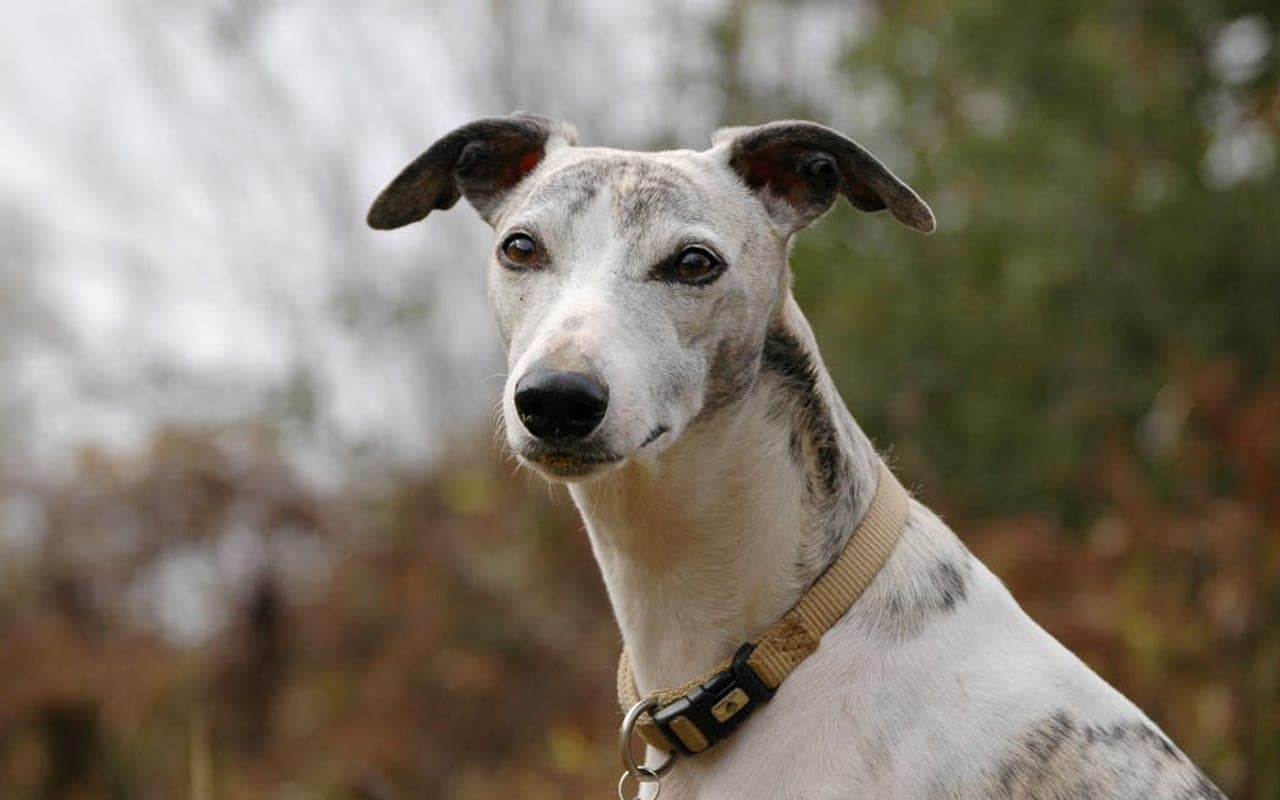
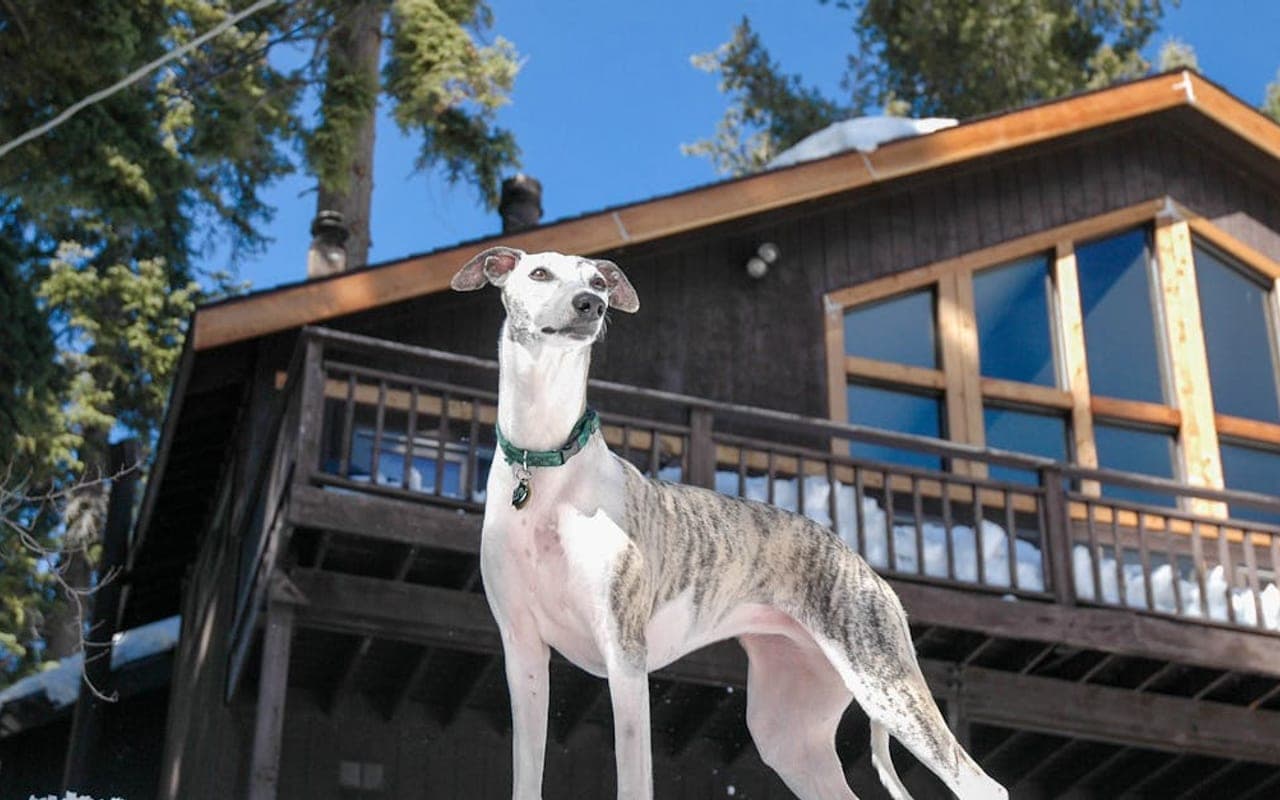
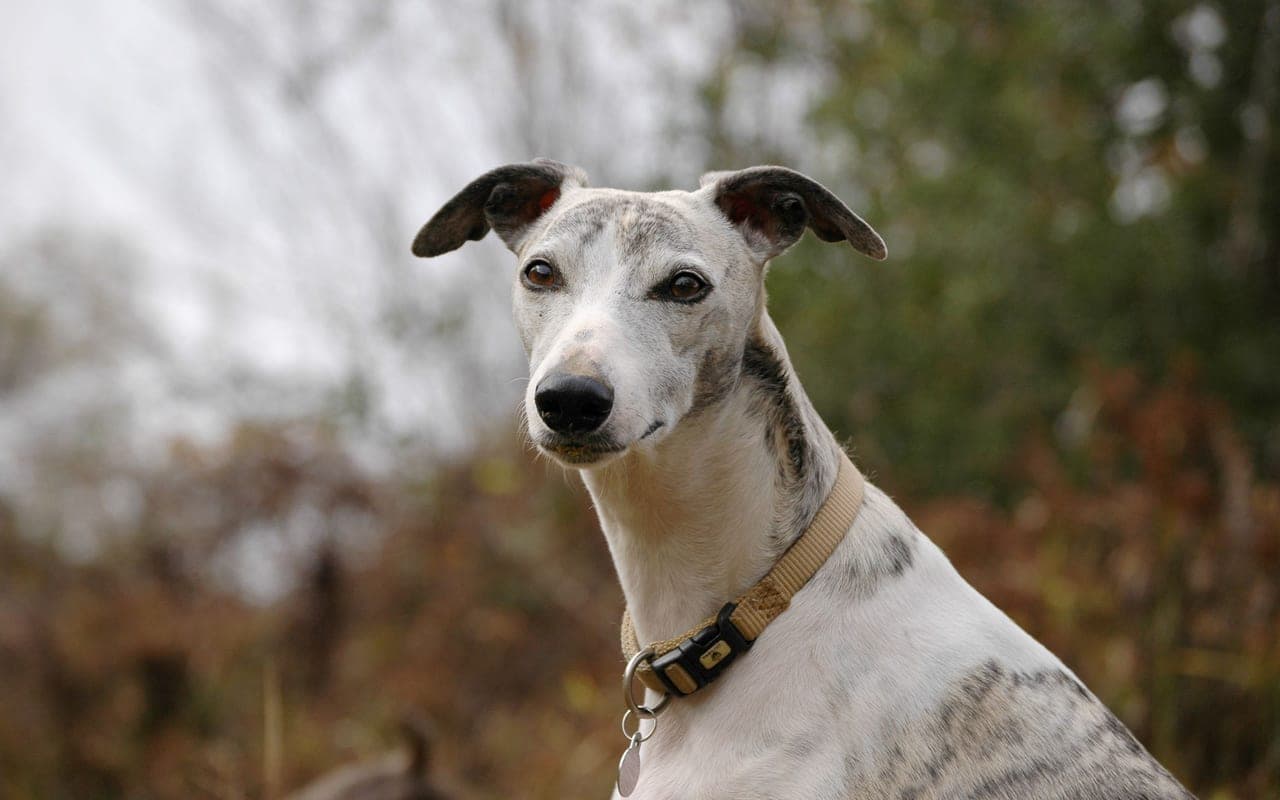
The Whippet is a medium sighthound of 25-40 lb standing 18-22 inches at the shoulder — essentially a scaled-down Greyhound with the same 'inverted-S' lines: deep chest, tucked waist, arched neck, long legs, and the highest top speed (around 35 mph) of any animal its weight.
Size
25-40 lb
Lifespan
12-15 years
Exercise
30-60 minutes
Shedding
Moderate
Experience
Match to owner routine
Decision first
Is a Whippet right for you?
Start with fit before history or trivia. These are ownership signals, not guarantees about any individual dog.
Best suited for
- Households with children.
- Homes with other compatible pets.
- Apartment homes with a consistent routine.
- Owners seeking a manageable daily exercise routine.
Think carefully if
- You need a dog with almost no daily routine.
- You cannot keep up with grooming and preventive care.
- The dog will spend most days alone without support.
Conditional fit
Apartment fit depends on exercise, enrichment, noise management, and outdoor access.
Daily reality
Whippet commitment snapshot
Daily exercise
30-60 minutes
Match activity to age, health, weather, and training goals.
Coat care
Moderate
Grooming needs vary by coat, shedding, and lifestyle.
Time alone
Needs planning
Most dogs need gradual alone-time conditioning and support.
Structured facts
Whippet at a glance
The measurements and traits that most affect day-to-day life with this breed.
Group
Hound
Weight
25-40 lb
Height
18-22 in
Lifespan
12-15 years
Temperament
Affectionate | Playful | Calm
View all characteristics and methodology
Lifestyle fit
- Apartment suitability
- Likely fit
- Child friendliness
- Often good, with socialisation and supervision
- Other-pet fit
- Often compatible with careful introductions
Owner commitment
- Exercise
- 30-60 minutes
- Grooming
- Moderate
- Shedding
- Moderate
- Training
- Moderate
Environment and health
- Health risk
- Needs planning
Ratings combine structured breed data, visible breed fields, and editorial context. They are planning aids, not predictions for an individual dog.
Daily life
Whippet temperament and behavior
The Whippet is a medium sighthound of 25-40 lb standing 18-22 inches at the shoulder — essentially a scaled-down Greyhound with the same 'inverted-S' lines: deep chest, tucked waist, arched neck, long legs, and the highest top speed (around 35 mph) of any animal its weight. The single best thing to understand about this breed is its split personality: it is an explosive, hardwired pursuit predator outdoors and one of the quietest, calmest, most sofa-bound dogs in existence indoors. Buyers who only see the racy looks miss the second half — the Whippet is, day to day, a low-energy house dog. Temperament is gentle, sensitive, affectionate, and famously undemanding. Whippets rarely bark (a real plus for apartments), are friendly with people, and are clean and nearly odorless. The non-negotiable caveat is the prey drive: a moving small animal — a cat across a yard, a rabbit, a small dog — can trigger an instant, recall-deaf chase, which is why an off-lead Whippet belongs only in fully fenced space. Who the Whippet is right for: someone who wants a calm, quiet, affectionate, low-grooming companion that needs only one or two good daily sprints/walks, who has secure fenced running space (not just a leash-walk life), and who will warm and cushion a thin-skinned, low-body-fat dog. Who it is wrong for: anyone needing reliable off-lead recall around wildlife, homes with free-roaming cats or small pets unless raised together, owners who want a guard dog, or anyone who can't provide a soft, warm sleeping spot and gentle handling. Match those and the Whippet is one of the easiest dogs to live with; ignore the prey drive and the fragility and it is a heartbreak waiting to happen.
Affectionate | Playful | Calm
Affectionate
A common Whippet temperament descriptor that should be interpreted alongside training, exercise, and household fit.
Playful
A common Whippet temperament descriptor that should be interpreted alongside training, exercise, and household fit.
Calm
A common Whippet temperament descriptor that should be interpreted alongside training, exercise, and household fit.
Owner note
Temperament labels are starting points, not guarantees. Meet the individual dog and ask about behavior history whenever possible.
Care essentials
How to care for a Whippet
What looking after one actually involves: exercise, grooming, food, training, and routine health.
ExerciseAs needed
- Moderately active breed needing 30-60 minutes of daily exercise.
GroomingAs needed
- Brush 2-3 times per week.
TrainingAs needed
- Consistent, patient training works best.
NutritionAs needed
- Feed high-quality dog food appropriate for age, size, and activity level.
Veterinary CareAs needed
- Annual wellness exams, vaccinations, dental care, and parasite prevention.
Health planning
Whippet health risks and screening
Every breed has individual health variation. Use this profile for planning and discuss medical decisions with a veterinarian.
Responsible ownership
Finding a Whippet responsibly
What to ask a breeder or rescue is the same conversation for every breed, so we keep it in one place and keep it current.
Health documentation, meeting the parents or foster, contracts and return support, and the warning signs worth walking away from.
Original purpose
Whippet history
History is useful when it explains today's behavior, coat, exercise needs, and training style.
Read the breed history
The Whippet was developed in 19th-century northern England, primarily among working-class miners and mill workers in the counties of the north, as an affordable, scaled-down coursing and racing sighthound — the 'poor man's racehorse.' It was created largely by crossing small or culled Greyhounds with terriers (for grit and gameness) and later with Italian Greyhounds (refining type), to produce a dog that could course rabbits and, especially, run 'rag races' down a straight track to a waved cloth, an inexpensive Sunday sport for people who could not keep a full-sized Greyhound. The breed was recognized by the English Kennel Club in 1891 and the AKC in 1888. Its entire history as a purpose-built straight-line sprinter explains the modern dog precisely: extreme acceleration and top speed, an overwhelming pursuit instinct toward small moving prey, a body engineered with minimal fat for speed (hence the cold-sensitivity and anesthesia caution), and an off-switch indoors because the work was brief, intense bursts, not all-day labor.
Gallery
Whippet photos
Images are cropped consistently and loaded progressively to keep the page responsive.
Lower-page context
Whippets in culture
Where the breed shows up in film, sport, work and folklore — the enjoyable part, once the practical questions are answered.
Fun facts
- The Whippet belongs to the Hound Group.
- The average lifespan of a Whippet is 12 to 15 years.
- Whippet dogs are valued for their affectionate, playful, calm nature.
Whippet FAQs
How much exercise does a Whippet really need?
Far less time than its athletic looks suggest, but a specific kind. A Whippet needs one or two opportunities to sprint flat-out in a safe enclosed space plus a daily walk — roughly 30-45 minutes total — and then it will sleep most of the day. They are sprinters, not endurance dogs, so they do not require hours of activity. The key is access to a fenced area to run hard, not a longer leash walk; bursts, not duration, satisfy this breed.
Why do Whippets need special care with anesthesia?
Because their bodies are engineered for speed with very little fat, and sighthounds metabolize anesthetic and sedative drugs differently, standard doses and protocols can produce dangerously deep or prolonged effects. Many Whippets also carry the MDR1 gene affecting drug clearance. Always tell your veterinarian the dog is a sighthound before any sedation, dental, or surgery, ask about MDR1 testing, and confirm a sighthound-appropriate anesthetic plan — this is the single most important health conversation in the breed.
Are Whippets good apartment dogs?
Yes, unusually so. Indoors they are quiet, calm, clean, nearly odorless, and rarely bark, and they are content to sleep for long stretches, which suits apartment life well. The one requirement is daily access to a safe place where they can run hard — a fenced park or yard — because their exercise need is intensity, not space at home. Provide that and a warm, padded bed, and a Whippet is one of the best small-space companions available.
Can Whippets be trusted off-leash?
Generally no, not around moving animals. The Whippet was bred to chase, and a rabbit, squirrel, cat, or small dog can trigger an instant, recall-deaf, 35 mph pursuit that puts the dog in traffic before you can react. Off-lead freedom belongs only in fully fenced areas. Many Whippets have decent recall in calm, distraction-free settings, but no amount of training reliably overrides the pursuit instinct when prey moves, so manage rather than trust it.
How long do Whippets live?
Typically 12-15 years, which is long and one of the breed's strengths — Whippets are relatively healthy compared with many purebreds. Lifespan is most affected by mitral valve heart disease in older dogs and by avoidable anesthetic accidents in dogs whose sighthound status was not communicated. Routine veterinary cardiac monitoring as they age, MDR1 testing, and careful surgical management are the interventions that most protect a Whippet's long natural lifespan.
Are Whippets good with children and other pets?
With children, generally yes — they are gentle, patient, and tolerant, though their thin skin and low fat padding mean rough handling can injure them, so supervise young kids and teach gentle interaction. With other pets it is split: Whippets are usually fine with dogs of similar size and with cats they are raised alongside, but their strong prey drive makes free-roaming cats, rabbits, and small animals a real risk, particularly anything that runs.
Sources
These are the published sources this page draws on. Each opens in a new tab so you can check it yourself.
American Kennel Club
Whippet — breed standard and profile(opens in a new tab)Supports: Breed standard and recognition details.
Similar breeds to consider
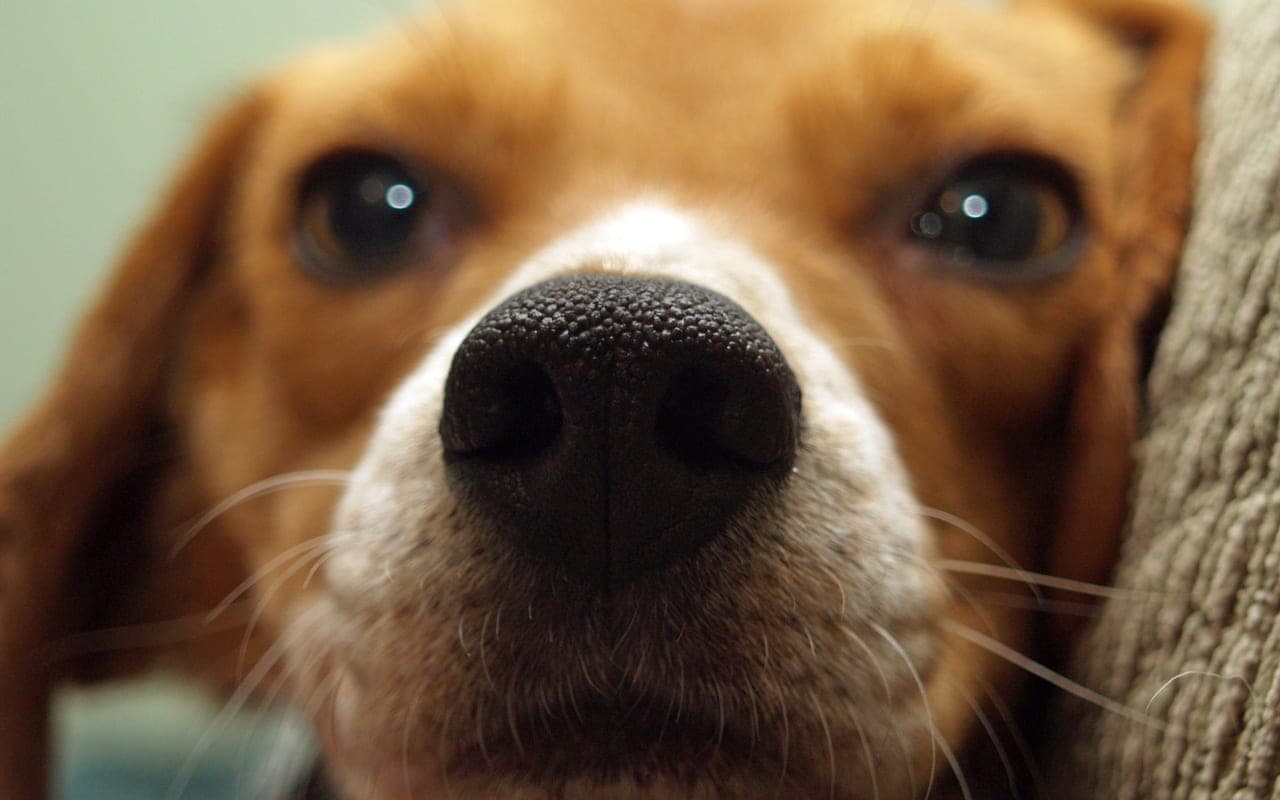
Beagle
Also in the Hound group, with different care and temperament tradeoffs.

Dachshund
Also in the Hound group, with different care and temperament tradeoffs.
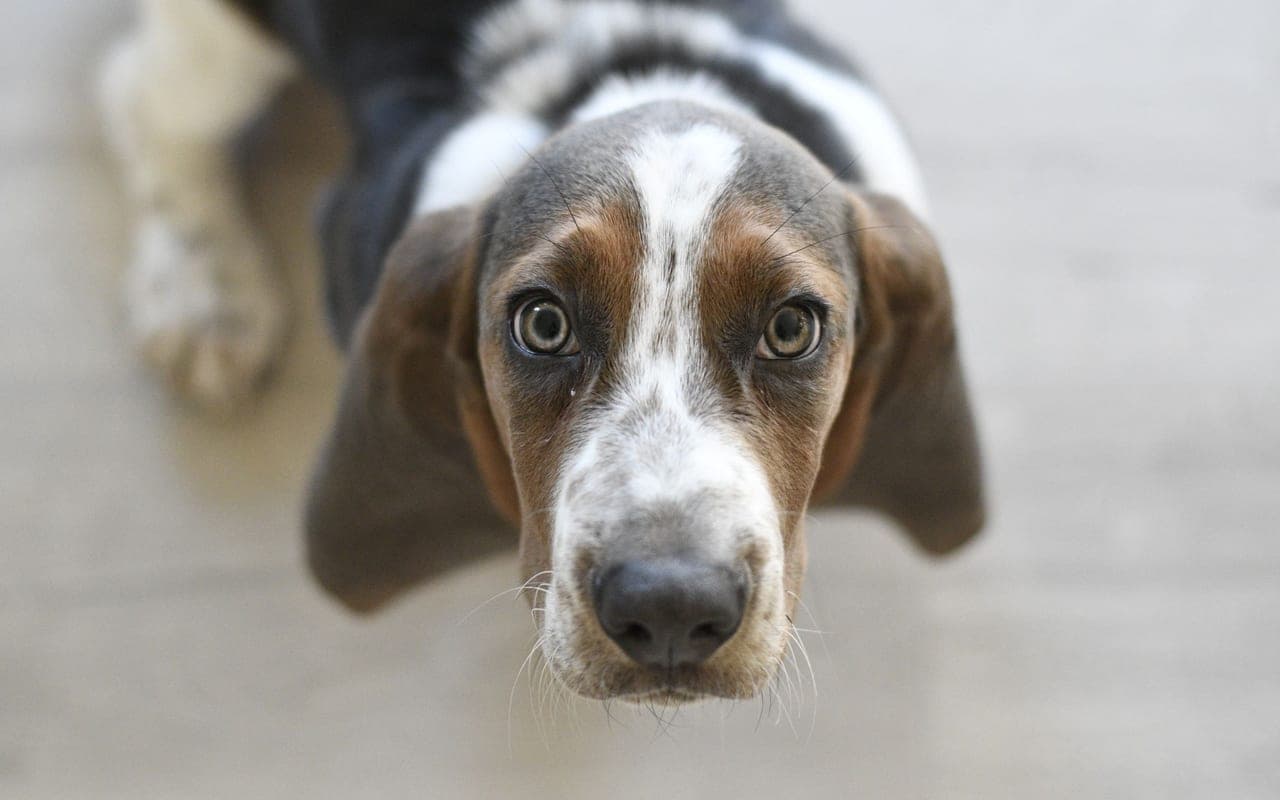
Basset Hound
Also in the Hound group, with different care and temperament tradeoffs.

Greyhound
Also in the Hound group, with different care and temperament tradeoffs.
Explore More About Whippet
Dive deeper into everything Whippet — costs, care, and expert insights.
Considering a cat instead?
Browse Cats