
Wire Fox Terrier Care Guide
Bred in nineteenth-century Britain to work the mounted foxhunt, the Wire Fox Terrier had one narrow, demanding job: when hounds drove a fox to ground, the terrier went in after it and bolted it back o
In This Guide
Overview
Bred in nineteenth-century Britain to work the mounted foxhunt, the Wire Fox Terrier had one narrow, demanding job: when hounds drove a fox to ground, the terrier went in after it and bolted it back out of the earth so the chase could continue. That work shaped everything about the dog you live with today. The compact, square, short-backed frame let it turn in a tight tunnel; the deep-chested but narrow body squeezed underground; and the fearless, driving temperament kept it pressing a cornered quarry instead of backing off.
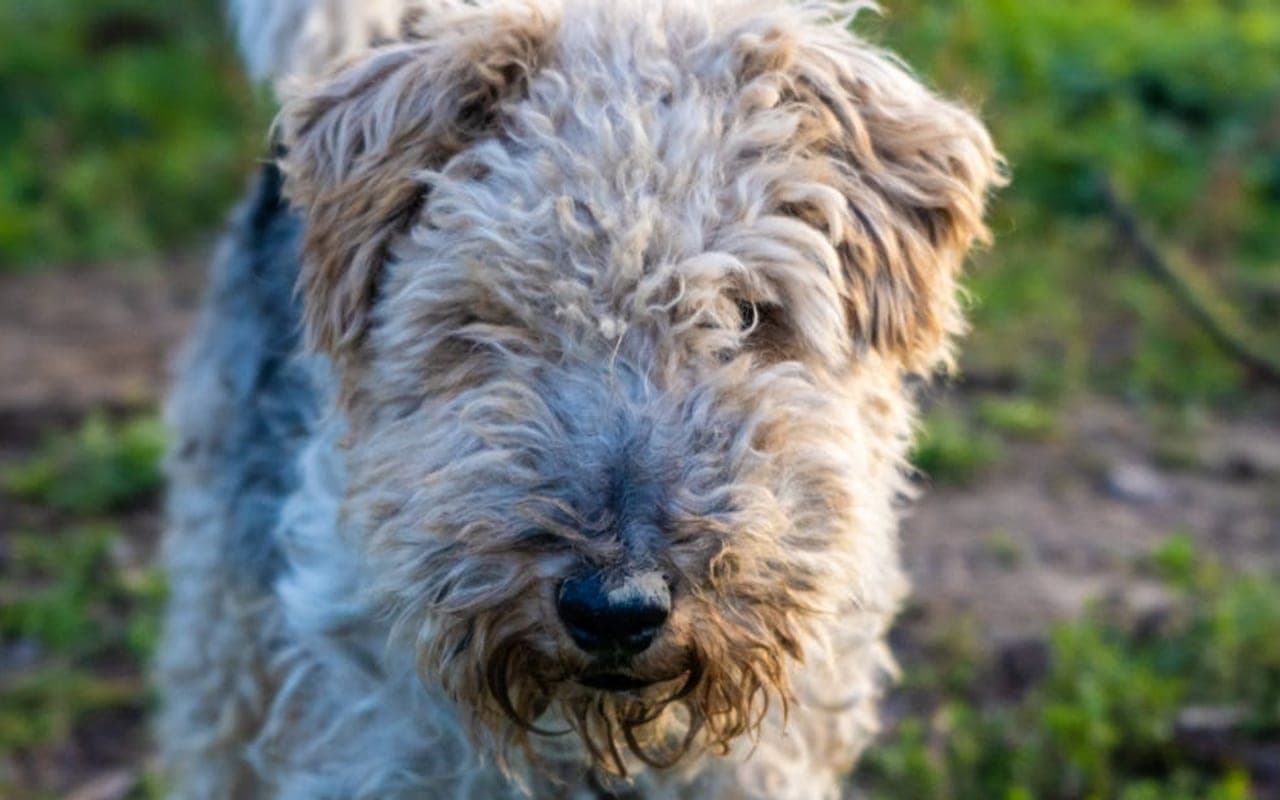
The coat is a signature. A Wire Fox Terrier wears a dense, wiry "broken" double coat with a harsh, crinkly outer texture over a softer undercoat, finished with the breed's distinctive bushy beard and leg furnishings. The colour is predominantly white, broken by tan, black, or black-and-tan markings, a pattern that historically helped hunters tell the terrier apart from the fox underground.
Temperament follows function. Expect a bold, alert, endlessly curious dog that the American Kennel Club describes as poised "on the tip-toe of expectation" — quick to notice, quick to react, and quick to invent its own entertainment when bored. That mischief is charming but it rides on a genuinely high prey drive: a terrier bred to chase and dispatch small animals does not simply switch that instinct off around squirrels, cats, or the neighbour's rabbit.
Beyond the field, the Wire Fox Terrier is a celebrated show breed with one of the most decorated records in the ring, which is part of why the harsh, hand-tended coat and precise outline are guarded so carefully. For a home, this is an affectionate, comic, high-drive companion that rewards owners who can meet its energy and give its sharp mind real work — because a under-stimulated fox terrier will find work of its own, usually at the expense of your garden or your skirting boards.
Exercise
A dog bred to work a fox underground carries far more engine than its size suggests, and the Wire Fox Terrier needs that engine run down every single day. Aim for vigorous daily exercise — brisk walks plus real bursts of running, fetch, or off-lead galloping in a safe space — because a fox terrier that only ambles around the block will bank its energy and spend it on barking, chewing, and self-invented mischief indoors.
Plan for the instincts, not just the mileage. This is a digging breed by design, so give it a sanctioned outlet: a sandpit or a designated corner where digging is allowed spares your flower beds, because telling a terrier not to dig at all rarely works. Chasing is the same story — flirt poles, thrown toys, and games that let it sprint and pounce satisfy the hunting drive in a form you control.
Fencing is a safety issue with this breed specifically. Wire Fox Terriers are accomplished escape artists that will dig under a fence and climb or scramble a low one to follow a scent or a moving animal, so secure, tall fencing with a dig-proof base is not optional if the dog spends time in a yard. For the same reason, keep the dog on lead near roads, wildlife, and small pets, because a fox terrier that spots a squirrel or a cat can switch into a hard, single-minded chase and go deaf to recall in an instant.
Work the mind alongside the body. Scent games, food puzzles, trick training, and terrier sports such as Earthdog or Barn Hunt tap exactly the drives this dog was built around, and a short daily training session pays off because a tired-but-fulfilled Wire Fox Terrier is a calm housemate, while a bored one is a demolition crew.
Grooming
The Wire Fox Terrier's grooming hinges on one decision that most short-coated breeds never face: whether the wiry coat is hand-stripped or clipped. It matters because the two methods produce genuinely different coats.
Hand-stripping means plucking the dead, mature outer hairs out from the root, either with finger and thumb or a stripping knife, so a fresh harsh coat grows in behind them. Clipping cuts those same hairs off at the surface and leaves the roots in place. On a broken-coated terrier the difference shows: because the harsh, weatherproof texture and the crisp black-and-tan colour live in the tip of each mature hair, clipping repeatedly removes the coloured, textured ends and leaves the soft, paler undercoat behind. Over time a clipped Wire Fox Terrier tends to go softer, woollier, and faded, and it sheds more loosely. Hand-stripping keeps the coat harsh, tight to the outline, and richly marked — which is why show dogs are always stripped, never clipped.
A typical maintenance rhythm is a full strip roughly three to four times a year as the coat "blows," with lighter tidying in between. Many pet owners hand the full strip to a groomer who strips terriers, because doing it well takes practice, then maintain the dog at home between sessions.
Between strips, brush and comb the harsh jacket and the leg furnishings a few times a week, because the wiry beard and legs mat and trap food, mud, and debris far more readily than the flat jacket does. Pay particular attention to the beard after meals and to the belly and armpit furnishings after off-lead runs. Round out the routine with regular nail trims, and check the drop ears and teeth on the same schedule, because an active earth-dog picks up grit and grass seed that are easier to catch early than to treat late.
Health
Wire Fox Terrier health
The Wire Fox Terrier is generally a hardy, long-lived terrier, with sources including the American Kennel Club and VCA Animal Hospitals placing typical life expectancy at roughly 12 to 15 years, with around 13 years a commonly cited average. Even so, the breed carries a handful of documented, largely inherited concerns, and knowing the early signs — especially the eye emergency below — is the most useful thing an owner can do. None of this is a diagnosis; use it to ask sharper questions of your vet.
Primary lens luxation — the eye emergency to know
Primary lens luxation (PLL) is a hereditary condition in which the fibres that hold the eye's lens in place break down, letting the lens slip out of position. It is well documented across terrier breeds, and Paw Print Genetics reports that the causal mutation in the ADAMTS17 gene has been identified in the Wire Fox Terrier. That same source notes PLL has also been reported in Wire Fox Terriers that do not carry the mutation, so a clear DNA result lowers risk but does not erase it.
PLL matters because it is a genuine emergency. A luxated lens can cause a suddenly painful, red, cloudy, or squinting eye, and — as the University of California, Davis Veterinary Genetics Laboratory describes — it can rapidly raise pressure inside the eye, leading to glaucoma and permanent blindness if untreated. If your terrier's eye becomes acutely painful, red, or hazy, contact a vet the same day, because here hours can decide whether sight is saved. A DNA test for the ADAMTS17 mutation lets breeders identify carriers and at-risk dogs before breeding, which is why the eye sits at the centre of responsible Wire Fox Terrier screening.
Other eye conditions
The breed is also associated with cataracts and progressive retinal atrophy (PRA) in listings from VCA Animal Hospitals and PetMD. Cataracts can be mistaken for lens luxation but are a different problem, so a veterinary ophthalmologist's exam — not a home guess — is what settles which eye condition is present. Because several of these are inherited, a periodic CAER (formerly CERF) eye examination is a standard screening tool for the breed.
Bone and joint conditions
Two orthopedic problems recur in Wire Fox Terrier references. Legg-Calvé-Perthes disease, described by VCA Animal Hospitals and PetMD, is a degeneration of the head of the thigh bone from loss of blood supply in young small-breed dogs, usually appearing before one year of age as hind-limb pain, limping, and muscle wasting. Luxating patella — a kneecap that slips out of its groove — is the other, and MetLife Pet Insurance and PetMD note it can cause skipping, hopping, or an intermittent hind-leg limp. A young dog that limps, "bunny-hops," or carries a leg deserves an orthopedic assessment rather than watchful waiting.
Neurological, hearing, and heart
Epilepsy is reported in Fox Terriers, with seizures sometimes starting in the first year; VCA Animal Hospitals and PetMD list it among the breed's concerns, and it is typically managed long-term with veterinary-prescribed medication rather than cured. Heritable deafness has been noted in some Wire Fox Terrier lines, so a puppy that seems unusually unresponsive to sound is worth having checked. Congenital heart defects also appear on breed health lists, which is why a cardiac examination is part of standard screening.
Working with your vet and breeder
Prevention is a partnership: keep routine wellness visits, keep the dog lean to spare those small joints, learn the look of a painful eye, and choose a breeder who uses the available eye, patella, cardiac, and DNA screening.
Frequently Asked Questions
What is the most urgent health sign to watch for in a Wire Fox Terrier?
A suddenly painful, red, cloudy, or squinting eye. This can signal primary lens luxation, which can raise eye pressure and threaten sight, so contact a vet the same day rather than waiting.
Is primary lens luxation in Wire Fox Terriers testable before symptoms appear?
Yes. A DNA test for the ADAMTS17 mutation identifies carriers and at-risk dogs. It lowers but does not fully remove risk, because PLL has been reported in the breed without the mutation, so eye exams still matter.
How long do Wire Fox Terriers usually live?
Breed sources including the American Kennel Club and VCA Animal Hospitals put typical life expectancy at roughly 12 to 15 years, with around 13 years a commonly cited average. Lean weight and regular vet checks help.
Why does my young Wire Fox Terrier limp on a back leg?
Two breed-associated causes are luxating patella, a slipping kneecap, and Legg-Calvé-Perthes disease, a hip problem in dogs under about a year. Both need a veterinary orthopedic exam, so book an assessment if limping persists.
Sources
This guide draws on the following published references. Each opens in a new tab so you can check it against what you have read here.
American Kennel Club (AKC)
Wire Fox Terrier Dog Breed Information(opens in a new tab)American Fox Terrier Club
Welcome to the American Fox Terrier Club(opens in a new tab)PetMD
Wire Fox Terrier Dog Breed Health and Care | PetMD(opens in a new tab)VCA Animal Hospitals
Lens Luxation in Dogs(opens in a new tab)Paw Print Genetics
Primary Lens Luxation in the Wire Fox Terrier(opens in a new tab)
Affiliate disclosure: We may earn a commission from qualifying purchases. This doesn't affect our recommendations.
Recommended Products
Wire Fox Terrier Care Guide Book
Breed-focused reading and owner references for Wire Fox Terrier care, training, grooming, and health planning.
Wire Fox Terrier Food and Supplies
Helpful supplies for wire fox terrier dog supplies routines at home.
Wire Fox Terrier Grooming Tools
Helpful supplies for wire fox terrier grooming tools routines at home.
Get personalized pet care tips
Join our newsletter for breed-specific advice, care guides, and expert tips delivered weekly.
No spam, ever. Unsubscribe anytime.