
Terrier group
Wire Fox Terrier
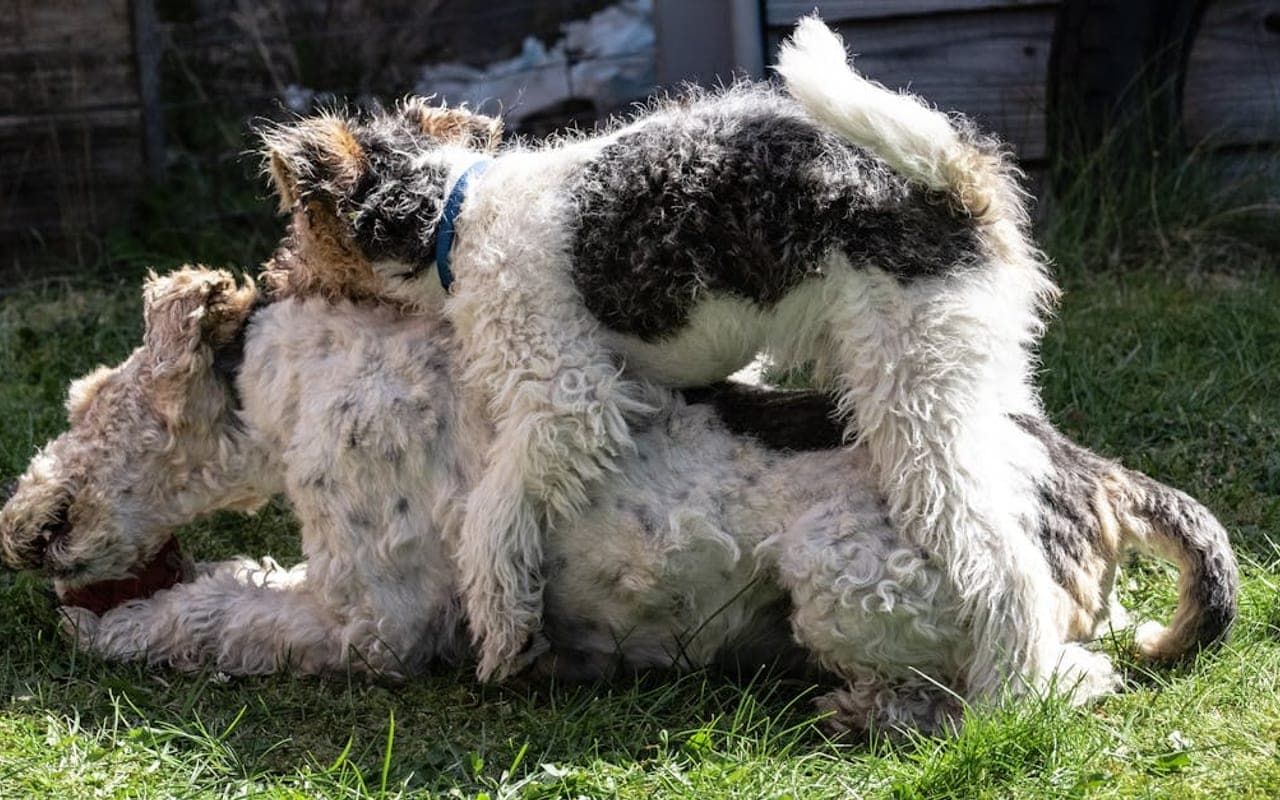
The Wire Fox Terrier is a 15-to-18-pound, square-built, white-bodied terrier originally bred to bolt foxes from underground during British hunts — and that working purpose, not its show-ring fame, is what predicts daily life with one.



Size
15-20 lb
Lifespan
12-15 years
Exercise
30-60 minutes
Shedding
Moderate
Experience
Match to owner routine
Decision first
Is a Wire Fox Terrier right for you?
Start with fit before history or trivia. These are ownership signals, not guarantees about any individual dog.
Best suited for
- Households with children.
- Homes with other compatible pets.
- Apartment homes with a consistent routine.
- Owners seeking a manageable daily exercise routine.
Think carefully if
- You need a dog with almost no daily routine.
- You cannot keep up with grooming and preventive care.
- The dog will spend most days alone without support.
Conditional fit
Apartment fit depends on exercise, enrichment, noise management, and outdoor access.
Daily reality
Wire Fox Terrier commitment snapshot
Daily exercise
30-60 minutes
Match activity to age, health, weather, and training goals.
Coat care
Moderate
Grooming needs vary by coat, shedding, and lifestyle.
Time alone
Needs planning
Most dogs need gradual alone-time conditioning and support.
Structured facts
Wire Fox Terrier at a glance
The measurements and traits that most affect day-to-day life with this breed.
Group
Terrier
Weight
15-20 lb
Height
14-15 in
Lifespan
12-15 years
Temperament
Confident | Alert | Gregarious
View all characteristics and methodology
Lifestyle fit
- Apartment suitability
- Likely fit
- Child friendliness
- Often good, with socialisation and supervision
- Other-pet fit
- Often compatible with careful introductions
Owner commitment
- Exercise
- 30-60 minutes
- Grooming
- Moderate
- Shedding
- Moderate
- Training
- Moderate
Environment and health
- Health risk
- Needs planning
Ratings combine structured breed data, visible breed fields, and editorial context. They are planning aids, not predictions for an individual dog.
Daily life
Wire Fox Terrier temperament and behavior
The Wire Fox Terrier is a 15-to-18-pound, square-built, white-bodied terrier originally bred to bolt foxes from underground during British hunts — and that working purpose, not its show-ring fame, is what predicts daily life with one. This is a high-drive, high-prey, high-opinion dog. It is intelligent, athletic, and tireless, with an instinct to dig, chase, and dispatch small running animals that no amount of training fully removes. A buyer who wants a smart, funny, low-shedding companion gets exactly that — alongside a dog that will tunnel under the fence after a squirrel and is rarely safe off-leash near roads or small pets. The coat is the breed's hallmark and a real commitment: a dense, harsh, wiry double coat, predominantly white with black and/or tan markings, that to keep its correct texture must be hand-stripped rather than clipped (clipping softens the coat and dulls the color). Most pet owners compromise with clipping; either way this is a several-times-a-year grooming expense, offset by the breed shedding very little. Temperament is confident, gregarious, bold, and mischievous. Wires are affectionate with their people and good with older children, but they are assertive with other dogs, scrappy if challenged, and easily bored — a bored Wire barks, digs, and escapes. They are clever but independent, so training works through engagement and consistency, not repetition or force. Who the Wire Fox Terrier is right for: an active, securely fenced household that wants an entertaining, robust, low-shedding dog and accepts a strong-willed terrier with a hard prey drive. Who it is wrong for: homes with free-roaming small pets, owners wanting an off-leash or easily-obedient dog, or anyone unprepared for terrier stubbornness and digging.
Confident | Alert | Gregarious
Confident
A common Wire Fox Terrier temperament descriptor that should be interpreted alongside training, exercise, and household fit.
Alert
A common Wire Fox Terrier temperament descriptor that should be interpreted alongside training, exercise, and household fit.
Gregarious
A common Wire Fox Terrier temperament descriptor that should be interpreted alongside training, exercise, and household fit.
Owner note
Temperament labels are starting points, not guarantees. Meet the individual dog and ask about behavior history whenever possible.
Care essentials
How to care for a Wire Fox Terrier
What looking after one actually involves: exercise, grooming, food, training, and routine health.
ExerciseAs needed
- Moderately active breed needing 30-60 minutes of daily exercise.
GroomingAs needed
- Brush 2-3 times per week.
TrainingAs needed
- Consistent, patient training works best.
NutritionAs needed
- Feed high-quality dog food appropriate for age, size, and activity level.
Veterinary CareAs needed
- Annual wellness exams, vaccinations, dental care, and parasite prevention.
Health planning
Wire Fox Terrier health risks and screening
Every breed has individual health variation. Use this profile for planning and discuss medical decisions with a veterinarian.
Responsible ownership
Finding a Wire Fox Terrier responsibly
What to ask a breeder or rescue is the same conversation for every breed, so we keep it in one place and keep it current.
Health documentation, meeting the parents or foster, contracts and return support, and the warning signs worth walking away from.
Original purpose
Wire Fox Terrier history
History is useful when it explains today's behavior, coat, exercise needs, and training style.
Read the breed history
The Wire Fox Terrier was developed in 19th-century Britain to work alongside foxhounds: when a hunted fox went to ground, the terrier was sent down the earth to bolt or hold it. The breed descends largely from the rough-coated black-and-tan terriers of the Welsh, Derbyshire, and Durham coalfields, bred for a harsh weatherproof coat and the courage to face quarry underground. The predominantly white body color was deliberately favored so the working terrier could be told apart from the fox in poor light. The Wire and the Smooth Fox Terrier were long shown and bred as varieties of one breed before being recognized as separate breeds in the 20th century. In the show ring the Wire became one of history's most successful breeds — it has won Best in Show at Westminster more times than any other breed. The digging, prey drive, and independence pet owners live with today are direct, unsoftened legacies of a dog bred to fight a fox in its own den.
Gallery
Wire Fox Terrier photos
Images are cropped consistently and loaded progressively to keep the page responsive.
Lower-page context
Wire Fox Terriers in culture
Where the breed shows up in film, sport, work and folklore — the enjoyable part, once the practical questions are answered.
Fun facts
- The Wire Fox Terrier belongs to the Terrier Group.
- The average lifespan of a Wire Fox Terrier is 12 to 15 years.
- Wire Fox Terrier dogs are valued for their confident, alert, gregarious nature.
Wire Fox Terrier FAQs
How long do Wire Fox Terriers live?
A Wire Fox Terrier typically lives 12 to 15 years, which is solid longevity for the breed and reflects its generally robust, athletic build. The conditions most likely to cut a life short or shorten its quality are inherited and largely screenable — primary lens luxation, epilepsy, and Legg-Calvé-Perthes — so a dog from a breeder who DNA-tests for PLL and screens eyes and hips is the version most likely to reach the top of that range. Keeping the dog lean and dentally healthy also meaningfully protects those later years.
Are Wire Fox Terriers good with children and other pets?
They can be very good with respectful older children — they are sturdy, playful, and game for activity — but they are a poor fit for homes with free-roaming small pets. The breed was built to chase and kill small running animals, so rabbits, rodents, and sometimes cats trigger a hard prey response that training only partly manages. With other dogs, Wires are confident to assertive and will not back down if challenged, so early socialization is essential. Supervise young children, since this is an energetic, mouthy terrier that plays rough.
How much grooming does a Wire Fox Terrier need?
More than its size suggests, and it is a recurring cost. The correct harsh wiry coat must be hand-stripped every 6 to 10 weeks to keep its texture and color, at roughly $60 to $120 a session; clipping is easier and cheaper but permanently softens the coat and dulls the markings. Either way, brush the leg and face furnishings weekly to prevent mats. The upside of that grooming bill is that the breed sheds very little, which is one of the practical reasons people choose a Wire in the first place.
What is primary lens luxation and why is it an emergency in this breed?
Primary lens luxation is an inherited condition, common in Wire Fox Terriers, where the fibers holding the eye's lens in place break down and the lens slips loose. It is acutely painful and can cause permanent blindness within hours if the lens blocks fluid drainage and pressure spikes. Because the window is so short, sudden squinting, a red or cloudy eye, or obvious eye pain is a same-day emergency, not a wait-and-see. The disease has a DNA test, so the most effective prevention is buying from a breeder who has tested the parents and avoided at-risk pairings.
Are Wire Fox Terriers easy to train and can they be off-leash?
They are highly intelligent but independent and self-rewarding, so they are not a beginner's obedience breed. Training works through short, engaging, reward-based sessions and consistency; repetition and heavy-handed correction make a Wire shut down or argue back. Off-leash freedom is the bigger issue: recall reliably fails the moment prey appears, and the breed is an athletic digger and climber, so secure fencing and on-lead walking near roads or wildlife are non-negotiable. Realistic expectation: a fun, biddable-with-effort companion that is rarely a trustworthy off-leash dog.
How much does a Wire Fox Terrier cost to buy and own?
Expect $1,500 to $3,000 for a puppy from a breeder who DNA-tests for primary lens luxation and screens eyes, hips, and hearing; rescue adoption is far less. The largest predictable ownership cost is grooming — hand-stripping or clipping every 6 to 10 weeks adds up to roughly $4,000 to $9,000 over the dog's life. On top of that, budget for the possibility of eye surgery if PLL or cataracts develop ($1,500-$4,000 per eye). As always, screened parents are cheaper than treating an inherited disease later.
Sources
These are the published sources this page draws on. Each opens in a new tab so you can check it yourself.
American Kennel Club
Wire Fox Terrier — breed standard and profile(opens in a new tab)Supports: Breed standard and recognition details.
Similar breeds to consider

Miniature Schnauzer
Also in the Terrier group, with different care and temperament tradeoffs.
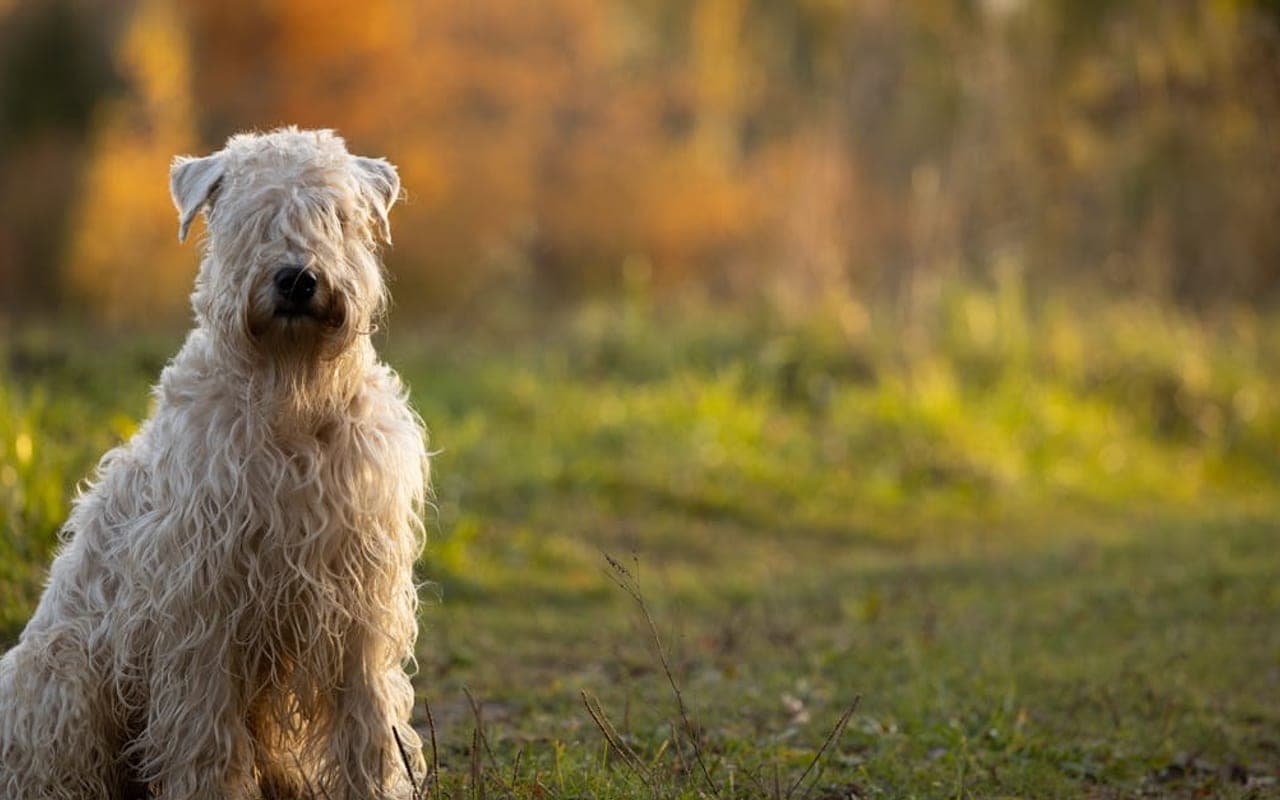
Soft Coated Wheaten Terrier
Also in the Terrier group, with different care and temperament tradeoffs.

Airedale Terrier
Also in the Terrier group, with different care and temperament tradeoffs.
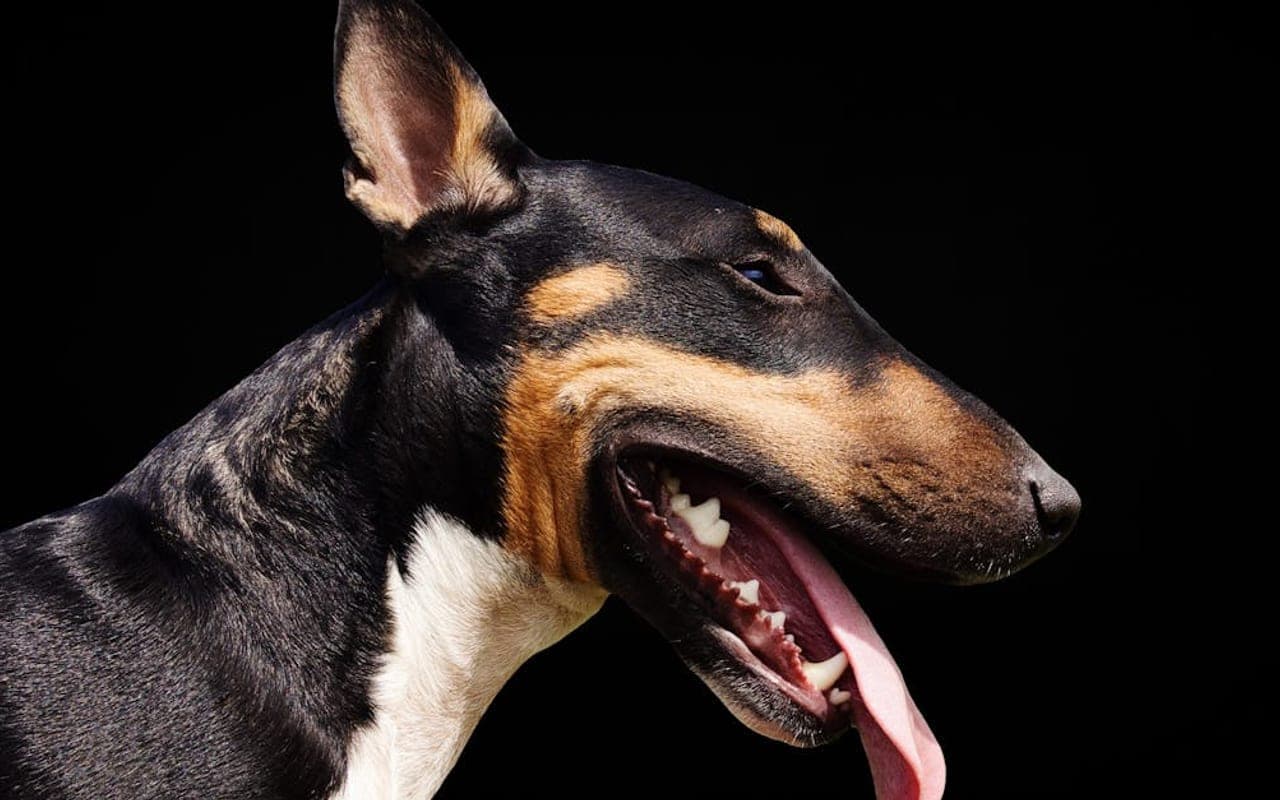
Bull Terrier
Also in the Terrier group, with different care and temperament tradeoffs.
Explore More About Wire Fox Terrier
Dive deeper into everything Wire Fox Terrier — costs, care, and expert insights.
Considering a cat instead?
Browse Cats