
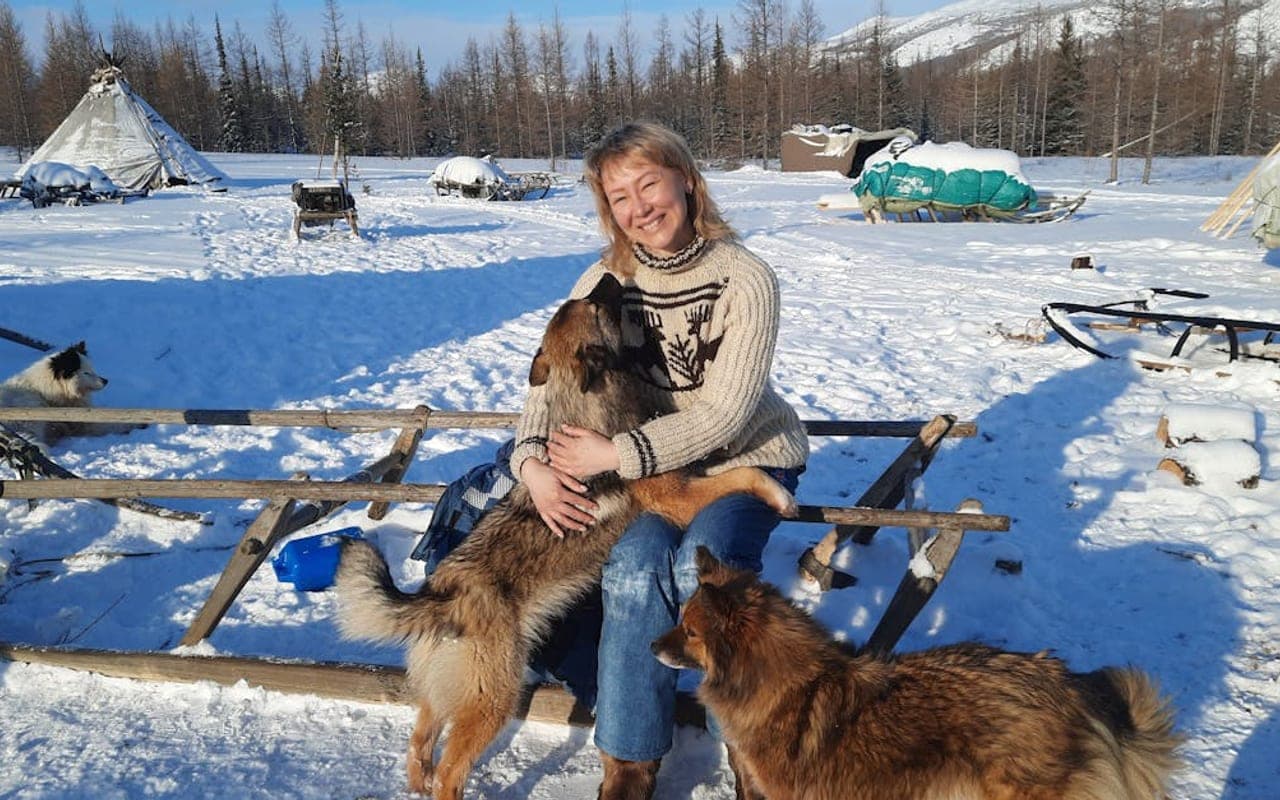
Yakutian Laika Care Guide
The Yakutian Laika at a Glance The Yakutian Laika is an ancient Arctic working spitz from the Sakha Republic (Yakutia) in northeastern Siberia, where indigenous Yakut communities relied on it for surv
In This Guide
Overview
The Yakutian Laika at a Glance
The Yakutian Laika is an ancient Arctic working spitz from the Sakha Republic (Yakutia) in northeastern Siberia, where indigenous Yakut communities relied on it for survival long before it was ever a show dog. Archaeological and written records place sled and hunting dogs in this region across roughly 8,000 years, and the American Kennel Club notes the breed assisted its people by pulling sleds, hunting large game, herding reindeer, and even carrying mail. That multipurpose past matters today, because a Yakutian Laika is built to work and expects to.
Physically, this is a medium-sized, well-balanced dog with erect triangular ears, a sickle or curled tail, and a dense weatherproof double coat of insulating underfur beneath coarser guard hairs. One of its most striking features is the eyes, which are frequently bright blue or heterochromatic (two different colors), a trait A-Z Animals lists among the breed's defining characteristics. The coat evolved to shed snow and hold body heat in extreme subzero conditions, so it is functional equipment rather than decoration.
Temperament is where the Yakutian Laika separates itself from more aloof northern breeds. The AKC describes a gentle, friendly nature that bonds closely with children and greets new people warmly rather than guarding property. Owners can expect an energetic, hardy, affectionate companion with a strong work ethic and a genuine attachment to its family or pack. It is smart and eager to please, though a high prey drive means small pets and off-leash freedom both need managing.
The breed is still uncommon in the West. The American Kennel Club recorded it in its Foundation Stock Service in August 2017, and it became eligible for the Miscellaneous Class in 2024, an early step toward full recognition. Expect a rare, working-bred dog rather than an easygoing couch companion.
Exercise
Exercising the Yakutian Laika
This is a breed developed for endurance, not for lounging. The Yakutian Laika was bred to haul moderate loads over long distances across frozen terrain, and the American Kennel Club records it hunting, herding reindeer, and pulling sleds. That sets the baseline: a Yakutian Laika needs substantial daily exercise, and an under-worked one finds its own outlet in barking, digging, or escaping.
How much, and what kind
Plan on well over an hour of real activity a day across walks, runs, or hikes, not a lap of the yard. Because the breed was built to move for hours, brisk sustained work suits it better than short bursts. Even better, give it a job: canicross, bikejoring, sledding or cart-pulling, backpacking, and structured obedience all channel a working drive that leash-walking leaves unspent. Pair that with mental work, because a task-bred dog tired only in the legs is still restless in the head; puzzle feeders, scentwork, and trick training help settle it.
Containment and prey drive
Exercise a Yakutian Laika inside a securely fenced area or on a long line. The breed will roam if given the chance, and its high prey drive means a squirrel or cat can override a recall in an instant. A reliable fence protects the dog and nearby wildlife alike.
Company and heat
Bred to live and work in a pack, this is a social dog that does best with company, so build activity into shared time rather than long stretches alone. Watch the temperature: a coat engineered for subzero Siberia makes this a heat-sensitive breed, so exercise in the cool of morning or evening, carry water, offer shade, and stop at the first sign of overheating.
Grooming
Grooming the Yakutian Laika
The Yakutian Laika carries a dense double coat: a soft insulating undercoat topped by coarser, weather-resistant guard hairs. This structure evolved to trap warmth and shed snow in the Siberian Arctic, so grooming here is coat maintenance in service of that insulation, not styling.
Brushing and shedding
For most of the year, a thorough brush-out once a week keeps the coat clean and the undercoat from packing. Twice a year, however, the breed "blows" its coat, releasing the undercoat in heavy seasonal sheds, and A-Z Animals notes owners should move to daily brushing during these stretches. Use an undercoat rake or slicker down to the skin, because compacted underfur traps moisture against the body and undermines the insulation the coat exists to provide. Steady daily sessions manage a blow far better than one marathon.
Never shave the coat
Do not shave a Yakutian Laika. The double coat insulates against heat as well as cold by holding a layer of air near the skin, so shaving it removes the dog's built-in temperature regulation and exposes pale skin to sunburn. Shaved northern coats can also regrow patchy. Manage warm weather with brushing, shade, and water instead of clippers.
Ears, nails, and teeth
Check the erect ears regularly and wipe the visible area if debris collects, since upright ears still trap dirt at the base; ask a vet about anything red, smelly, or painful. Trim nails every few weeks so they never click on hard floors, because overgrown nails alter gait and stress the toes of an active dog. Brush the teeth several times a week with canine toothpaste to slow tartar, and let your vet handle deeper dental work.
Health
Yakutian Laika Health
The Yakutian Laika is, on the whole, a hardy working landrace. It was shaped over roughly 8,000 years by survival in one of the harshest climates on earth rather than by fashion breeding, and dogs that could not stay sound in the Arctic did not pass on their genes. The result is a comparatively low documented hereditary burden and no signature genetic disease. That is a strength, not a guarantee: the breed is still rare in the West and formal health data is thin, so "few conditions recorded" is not the same as "screened and cleared." Treat the points below as areas an owner and veterinarian watch, not things your dog will get.
Conditions worth watching
Hip and elbow dysplasia. Like most active working dogs, the Yakutian Laika can carry the joint malformations known as hip and elbow dysplasia, which A-Z Animals lists among the breed's possible concerns. These develop when a joint forms imperfectly and can bring pain, stiffness, or lameness over time. Because the trait is partly inherited, responsible breeders screen stock, and buyers should ask to see evaluations on both parents. Keeping the dog lean helps too, since extra weight loads the joints every stride.
Eye conditions. The breed's frequent blue and heterochromatic eyes are a hallmark trait, and eye health is one area owners are advised to watch; A-Z Animals notes eye troubles among the conditions reported in the breed. Some breed-health resources also raise inherited disorders such as progressive retinal atrophy and cataracts as possibilities to be aware of, though robust breed-wide data is limited. Have a veterinarian examine the eyes periodically, and treat cloudiness, redness, or any change in vision as a reason to book a visit.
Bloat (gastric dilatation-volvulus). A-Z Animals also flags bloat, a sudden, life-threatening emergency in which the stomach distends and can twist, cutting off blood flow, a risk in any deep-bodied active breed. A dog with a swollen abdomen, unproductive retching, drooling, and obvious distress needs an emergency vet immediately, not a wait-and-see. Ask your vet about sensible feeding habits for your dog.
Everyday care
Because this is a cold-adapted, high-drive breed, two habits do much of the work. Heat management comes first: a coat built for subzero Siberia makes the Yakutian Laika heat-sensitive, so avoid hard exercise in the heat of the day, provide shade and water, and learn the early signs of overheating, such as heavy panting. Keeping the dog fit and lean through daily exercise and measured feeding matters too, since a trim working dog puts less strain on its joints and heart. Add routine preventive care: regular checkups, parasite prevention, dental care, and vaccinations on your vet's schedule. Lifespan is generally cited at around 10 to 12 years, and consistent care is the surest way to help a Yakutian Laika reach a full, active one.
This guide is general information, not veterinary advice. Your veterinarian knows your dog and should guide any decision on screening, diet, or treatment.
Frequently Asked Questions
Is the Yakutian Laika a healthy breed?
Broadly yes. It is a hardy Arctic landrace with a low documented hereditary burden and no signature genetic disease. But breed-wide data is still thin because the dog is rare in the West, so responsible screening still matters and a low recorded burden is no guarantee for one dog.
What health problems should Yakutian Laika owners watch for?
The main areas owners are advised to watch, per A-Z Animals, are hip and elbow dysplasia, eye troubles, and bloat (gastric dilatation-volvulus). None is universal in the breed. See a veterinarian promptly for lameness, vision changes, or a swollen, distressed abdomen.
Why do so many Yakutian Laikas have blue eyes, and is it a problem?
Blue and heterochromatic (two-colored) eyes are a defining trait of the breed and are cosmetic, not in themselves a disease. Even so, periodic eye checks are sensible, so have a veterinarian examine the eyes and treat cloudiness, redness, or vision changes as a reason to book a visit rather than to diagnose at home.
Can a Yakutian Laika handle warm climates?
With care. Its double coat was engineered for subzero Siberia, which makes it heat-sensitive, so exercise it in the cool of morning or evening, provide shade and water, and never shave the coat, since it insulates against heat as well as cold. Stop activity at the first sign of overheating.
Sources
This guide draws on the following published references. Each opens in a new tab so you can check it against what you have read here.
American Kennel Club
Yakutian Laika - Dog Breed Information(opens in a new tab)A-Z Animals
Yakutian Laika Animal Facts - Canis lupus familiaris - A-Z Animals(opens in a new tab)Wikipedia
Yakutian Laika(opens in a new tab)Embark Veterinary
Yakutian Laikas: Dog breed info, photos, common names, and more — Embark(opens in a new tab)
Affiliate disclosure: We may earn a commission from qualifying purchases. This doesn't affect our recommendations.
Recommended Products
Yakutian Laika Care Guide Book
Breed-focused reading and owner references for Yakutian Laika care, training, grooming, and health planning.
Yakutian Laika Food and Supplies
Helpful supplies for yakutian laika dog supplies routines at home.
Yakutian Laika Grooming Tools
Helpful supplies for yakutian laika grooming tools routines at home.
Get personalized pet care tips
Join our newsletter for breed-specific advice, care guides, and expert tips delivered weekly.
No spam, ever. Unsubscribe anytime.